
 Worksheets
Circulatory System
Total questions: 39
Worksheet time: 20mins
Name
Class
Date
1.
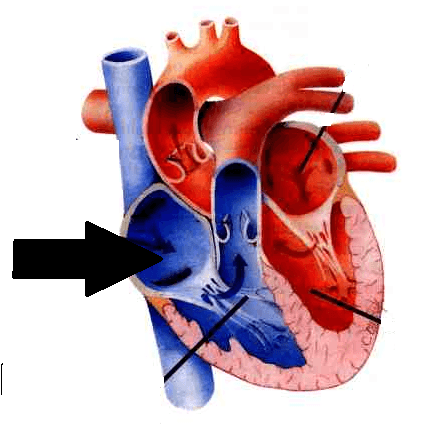
Identify
a)
Left atrium
b)
Right atrium
c)
Left ventricle
d)
Right ventricle
2.
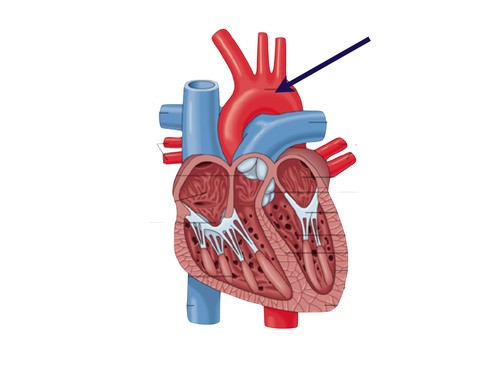
Identify
a)
Pulmonary veins
b)
Pulmonary artery
c)
Aorta
d)
Vena cava
3.
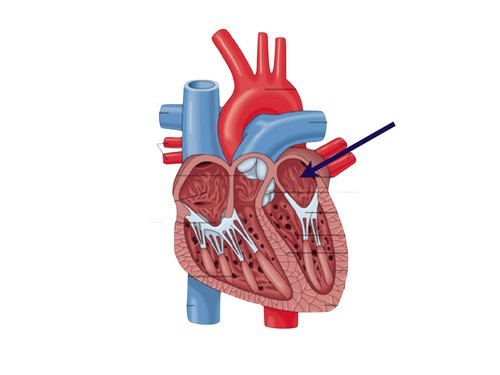
Identify
a)
Left atrium
b)
Right atrium
c)
Left ventricle
d)
Right ventricle
4.
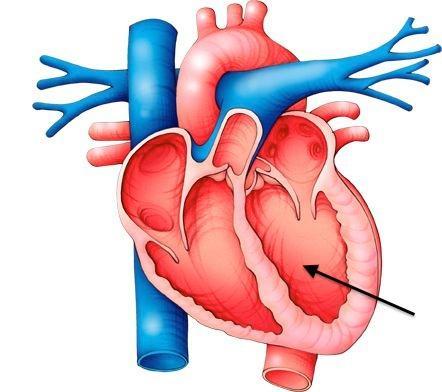
Identify
a)
Left atrium
b)
Right atrium
c)
Left ventricle
d)
Right ventricle
5.
The heart has ___ chambers.
a)
1
b)
2
c)
3
d)
4
6.
Which chambers of the heart are the thickest and strongest?
a)
Atria
b)
Ventricles
c)
Valves
d)
Aorta
7.
Thin-walled vessels that allow for the diffusion of O2 , CO2, nutrients and wastes between blood cells or air sacs in the lungs
a)
Arteries
b)
Veins
c)
Capillaries
8.

What does Deoxygenated mean?
a)
Oxygen-rich
b)
Blood flow
c)
Oxygen-poor
d)
Water Flow
9.

A flap of tissue that prevents blood from flowing backward
a)
Aorta
b)
Atrium
c)
Septum
d)
Valve
10.
Compared to arteries, veins
a)
have a pleated endothelium.
b)
have thinner walls.
c)
have more smooth muscle in their tunica media.
d)
hold their shape better when cut.
11.
Carry blood away from heart; mostly oxygen-rich
a)
Arteries
b)
Veins
c)
Capillaries
12.
What is pulmonary circulation?
a)
Blood travelling to and from the lungs
b)
Blood travelling to and from the body
c)
A blood clot in the lungs
d)
The vessel that brings blood to the lungs
13.
Which is NOT a function of the circulatory system?
a)
deliver O2 and nutrients to cells
b)
remove CO2 and wastes from cells
c)
break down carbohydrates into glucose
d)
transport other materials through body
14.
Blood circulation from the heart to the rest of the body is called
a)
Full body
b)
Systemic
c)
pulmonary
d)
heart to lung
15.

What is the Circulatory System also known as?
a)
The heart
b)
Cardiovascular System
c)
Nervous System
d)
Aorta
16.
A blood vessel that carries blood TO the heart is called ...
a)
vein
b)
capillary
c)
blood vessel
d)
artery
17.
Which part of the heart pumps deoxygenated (oxygen-poor) blood?
a)
Left side
b)
Right side
c)
Top side
d)
Bottom side
18.
What electrical part of the heart is also called the intrinsic pacemaker of the heart?
a)
SA node
b)
AV node
c)
VA node
d)
purkinje fibers
19.
The circulatory system works with the ___________ system to provide our body with oxygen.
a)
respiratory
b)
digestive
c)
muscular
d)
skeletal
20.

What are the components of blood?
a)
Plasma, Red blood, cells, white blood cells, and platelets.
b)
Oxygen and nutrients.
c)
Minerals
d)
Water
21.
Tiny blood vessels at the ends of veins and arteries that are in contact with the body cells.
a)
capillaries
b)
atria
c)
diffusion
d)
plasma
22.
These blood vessels allow for the diffusion of substance across their membranes.
a)
veins
b)
platelets
c)
ventricles
d)
capillaries
23.
What type of blood cells help fight diseases?
a)
White blood cells
b)
Blue blood cells
c)
green blood cells
d)
red blood cells
24.
Veins carry oxygen poor blood back to the heart.
a)
False
b)
True
25.
Red Blood cells
a)
carry oxygen to the body
b)
fight infection
c)
clot blood
d)
work less
26.
P Wave:
a)
SA Nodes contracts
Both atria contracts
b)
Impulses reach the av node 0.10 delay allows
c)
Repolarization or recovery of the ventricles
d)
Impulses hit av bundle branch off into two bundles down front of heart into purkinje fibers
27.
QRS
a)
Repolarization or recovery of the ventricles
b)
Impulses hit av bundle branch off into two bundles down front of heart into purkinje fibers
c)
SA Nodes contracts
Both atria contracts
d)
Impulses reach the av node 0.10 delay allows atria
28.
An electrocardiogram measures what?
a)
The amount of pressure exerted on blood vessels.
b)
The electrical activity of the heart.
c)
How many times the heart contracts over time.
d)
The body's temperature caused by friction of blood in vessel.
29.
An EKG is actually
a)
A ratio
b)
An equation
c)
A time frame
d)
A graph
30.

The p-wave correlates with which event?
a)
atrium contraction /signals moving from SA node to AV node
b)
ventricle contraction
c)
ventricle repolarization
d)
both atrial and ventricle contraction
31.

The t-wave correlates with which event?
a)
atrium contraction /signals moving from SA node to AV node
b)
ventricle contraction
c)
ventricle repolarization
d)
both atrial and ventricle contraction
32.

The AV node is located at...
a)
A
b)
B
c)
C
d)
D
33.

The Purkinje fibers are located at...
a)
F
b)
G
c)
H
d)
I
34.

The QRS-wave correlates with which event?
a)
atrium contraction /signals moving from SA node to AV node
b)
ventricle contraction
c)
ventricle repolarization
d)
both atrial and ventricle contraction
35.
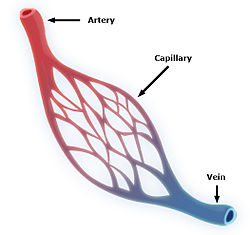
The smallest type of blood vessel is the:
a)
nerve
b)
vein
c)
capillary
d)
artery
36.

Veins have special ________________ to stop blood from flowing backward.
a)
gravity
b)
valves
c)
arteries
d)
ventricles
37.

The circulatory system works with the ___________ system to provide our body with oxygen.
a)
respiratory
b)
digestive
c)
muscular
d)
skeletal
38.
The circulatory system works with the __________ system to obtain energy from nutrients that we eat.
a)
respiratory
b)
digestive
c)
skeletal
d)
nervous
39.

Which best describes the relationship between the muscular system and the circulatory system?
a)
The circulatory system captures carbon dioxide from the air for muscle energy.
b)
The circulatory system produces red blood cells to bring oxygen to the muscles
c)
The circulatory system provides a framework for muscle movement
d)
The circulatory system delivers oxygen for muscle energy
100 %

