
 Worksheets
Cell Test Review - 23-24
Total questions: 35
Worksheet time: 18mins

Identify letter I - structure that surrounds the cell
nucleus
mitochondria
vacuole
cell membrane
Organelle that uses energy from the Sun to make food for plants.
chloroplast
cell wall
mitochondria
nucleus

Tiny structures within a cell that perform a specific function.
organ system
cell wall
organelles
virus
Organelle that produces energy, heat, or power. Power house of the cells.
Nucleus
Mitochondria
Cytoplasm
Chloroplast
The smallest unit of life that carries out all of the functions of life
virus
tissue
organ
cell

Organelle that is used for temporary storage; stores water, waste and food.
nucleus
mitochondria
vacuole
cell membrane

Protective layer around cells, helps maintain homeostasis.
cell membrane
vacuole
organism
nucleus

Identify letter B - organelle that runs the cell
mitochondria
nucleus
cell wall
cytoplasm
Structure that protects and gives shape to plant cells - found OUTSIDE of the cell membrane
chloroplast
cell wall
nucleus
mitochondria
fluid inside the cell that contains all of the organelles - gives shape to the cell
nucleus
cell membrane
chloroplast
cytoplasm

Organelle that contains instructions in the form of DNA, for everything the cell does - "brain of the cell"
cell wall
cell membrane
vacuole
nucleus
Animal cells have a nucleus, but plant cells do not
Plant cells are filled with cytoplasm, but animal cells are not
Which is the CORRECT statement?
Animal cells have a cell wall
Plant cells do not have a neuclus
Which of the following is NOT a part of the Cell Theory?
All known living things are made of one or more cells.
The cell is the basic unit of all life.
Every cell has identical organelles.
All cells are produced from other cells by division.
Prokaryotic cells are -
bacteria cells
fungus cells
animal cells
plant cells
Which organelle is responsible for energy production in the cell?
Cell wall
Chloroplast
Mitochondria
Nucleus

What is a group of tissues that work together to perform a specific job?
cell
organism
organ
organ system
Which of the following is the LEAST complex level of organization?
Tissue
Organism
Cell
Organ

Which of the following is the MOST complex level of organization?
Organism
Organ System
Cell
Tissue

What is a group of several organs working together to perform a function?
Organ System
Cell
Atom
Organ
What is a group of similar cells that perform a function?
Cell
Tissue
Organ
Organ System

A caterpillar creates a cocoon and emerges as a buttterfly.
All living things adapt to their environment
All living things respond to their environment
All living things use energy
All living things grow
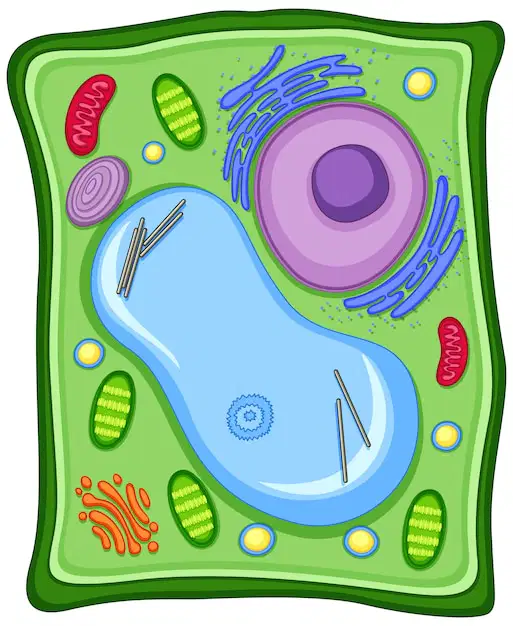
What type of cell has a nucleus?
Virus
Prokaryotic cell
Karyotic cell
Eukaryotic cell
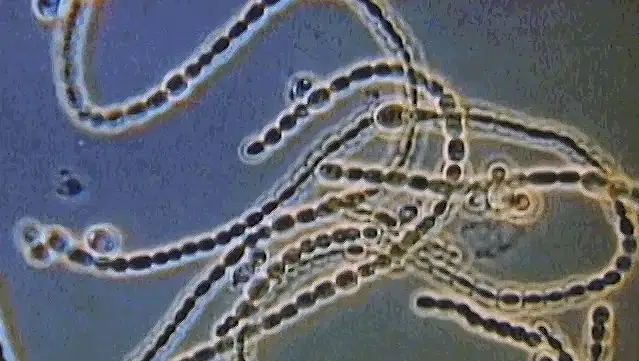
What type of cell does NOT have a nucleus?
Prokaryotic cell
Karyotic cell
Eukaryotic cell
Plant cell
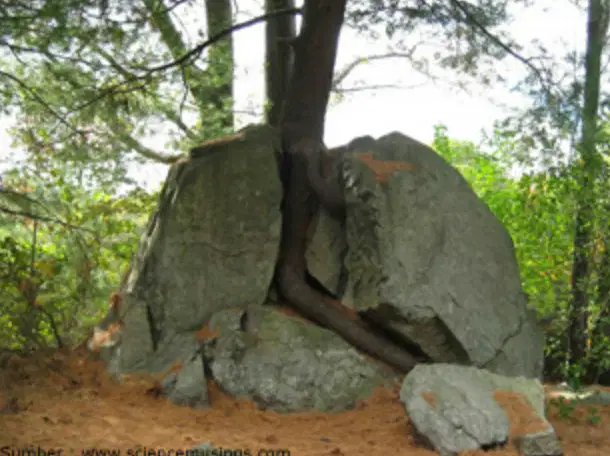
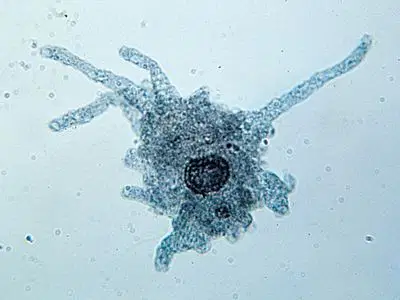
An amoeba is a unicellular organism. Which characteristic of life is this?
All living things use energy
All living things contain cells
All living things respond to their environment
All living things grow

What is the difference between the biotic and abiotic factors?
Biotic factors are living things and abiotic factors are nonliving things.
Biotic factors are nonliving things and abiotic factors are living things.

Green plants produce their own food through the process of photosynthesis
All living things use energy
All living things contain cells
All living things maintain homeostasis
All living things grow

Over three years, Tim's height has increased from 5'4" to 5' 11"
All living things grow and develop
All living things use energy
All living things contain cells
All living things maintain homeostasis

A baby bird hatches from its egg in the birds nest.
All living things reproduce
All living things maintain homeostasis
All living things use energy
All living things grow
A camel has eyelashes that work to keep the dust and sand out of its eyes.
All living things adapt to their environment
All living things grow
All living things have cells
All living things use energy
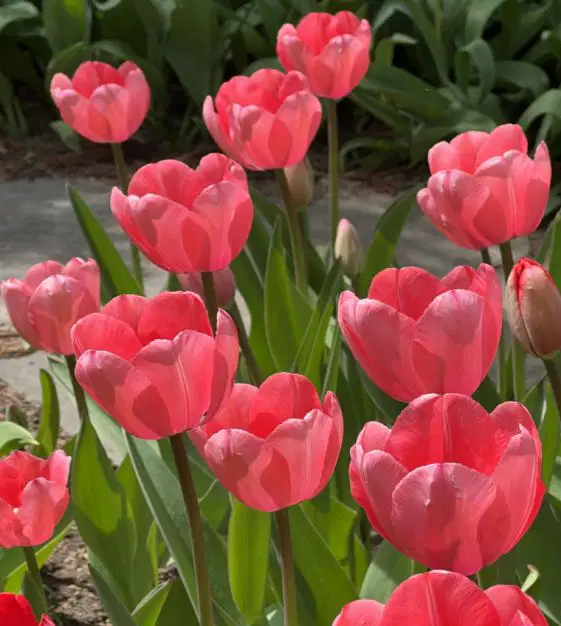
A tulip opens in the morning at sunrise and closes in the evening at sunset.
All living things have cells
All living things respond to their environment
All living things use energy
All living things grow and develop

