wayground logo

Free Printable Worksheets

Font size

S
M
L
XL
Worksheets

Atoms and the Periodic Table

Total questions: 35

Worksheet time: 27mins
Name
Class
Date
1.
a)
Periods
b)
Groups
2.
a)
Periods
b)
Groups
3.
a)
energy levels
b)
valence electrons
c)
protons
d)
neutrons
4.
a)
energy levels
b)
valence electrons
c)
protons
d)
neutrons
5.
a)
Same group
b)
Same period
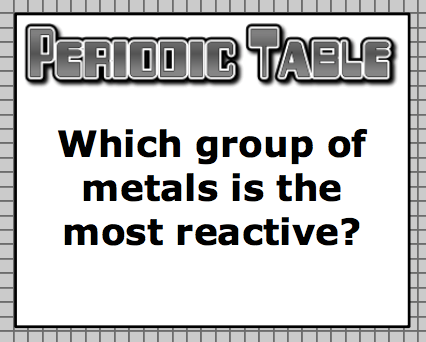
6.
a)
Group 1
b)
Group 17
c)
Group 2
d)
Group 18
7.
a)
Group 1
b)
Group 17
c)
Group 18
d)
Group 2
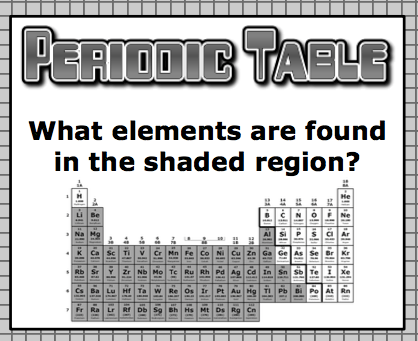
8.
a)
Metals
b)
Nonmetals
c)
Metalloids
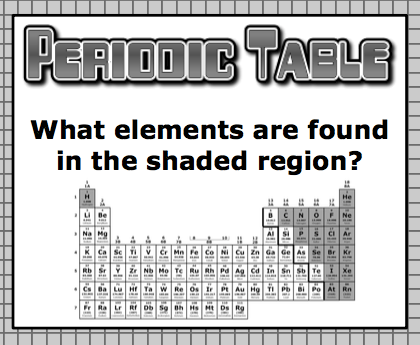
9.
a)
Metals
b)
Nonmetals
c)
Metalloids
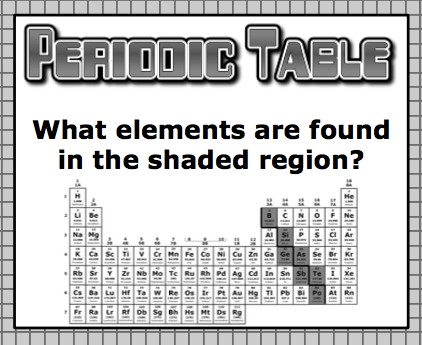
10.
a)
Metals
b)
Nonmetals
c)
Metalloids
11.
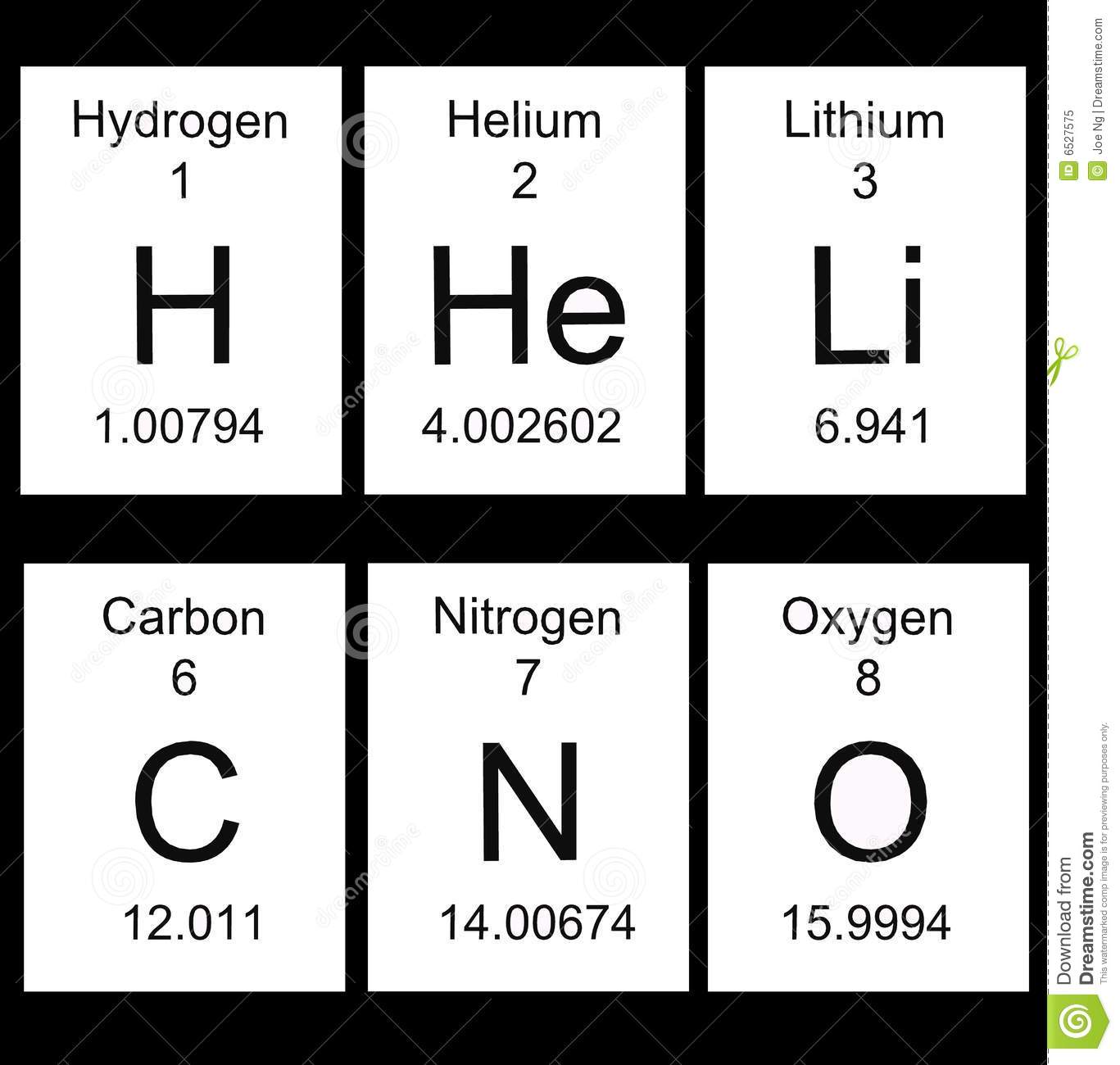
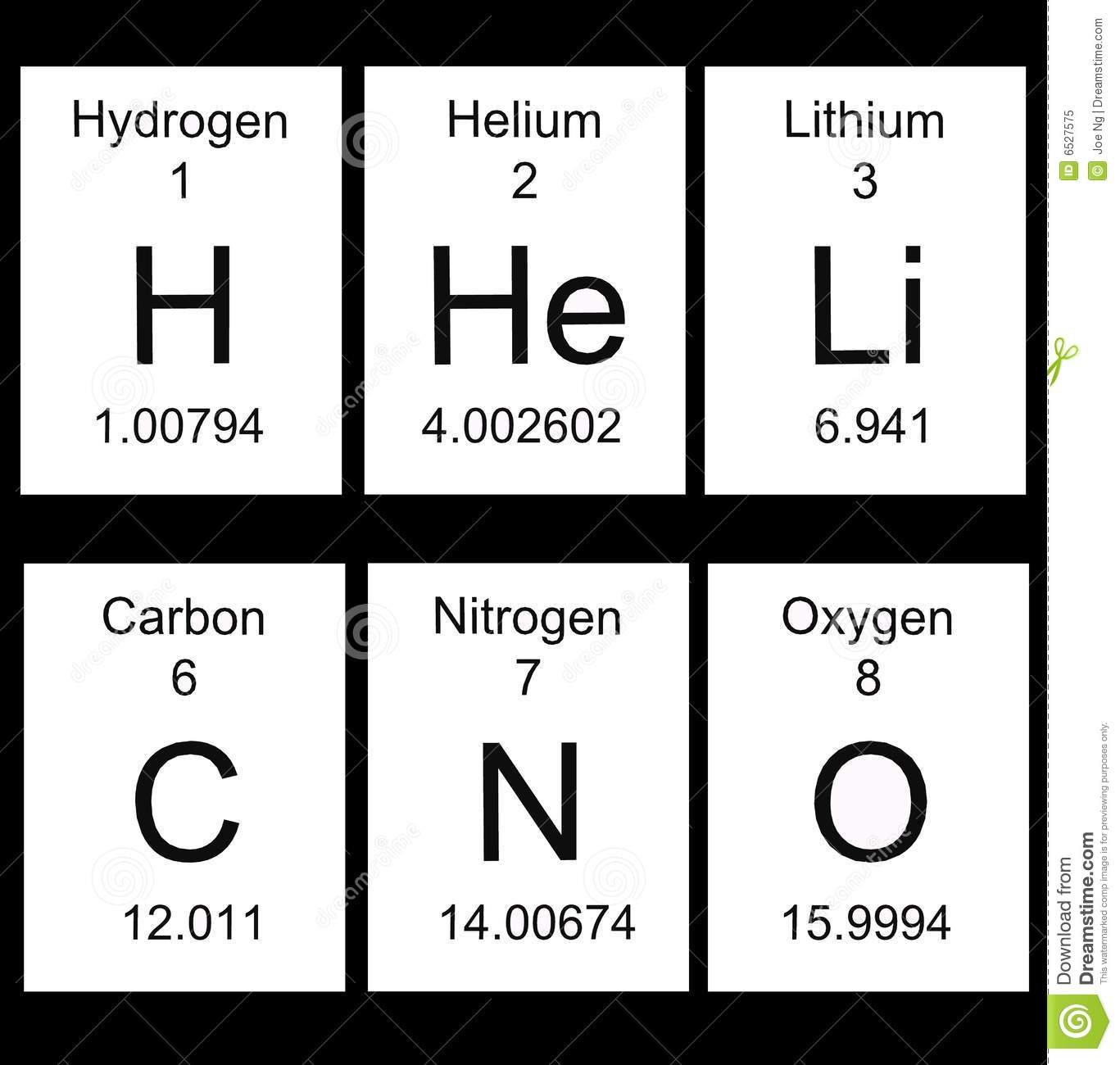
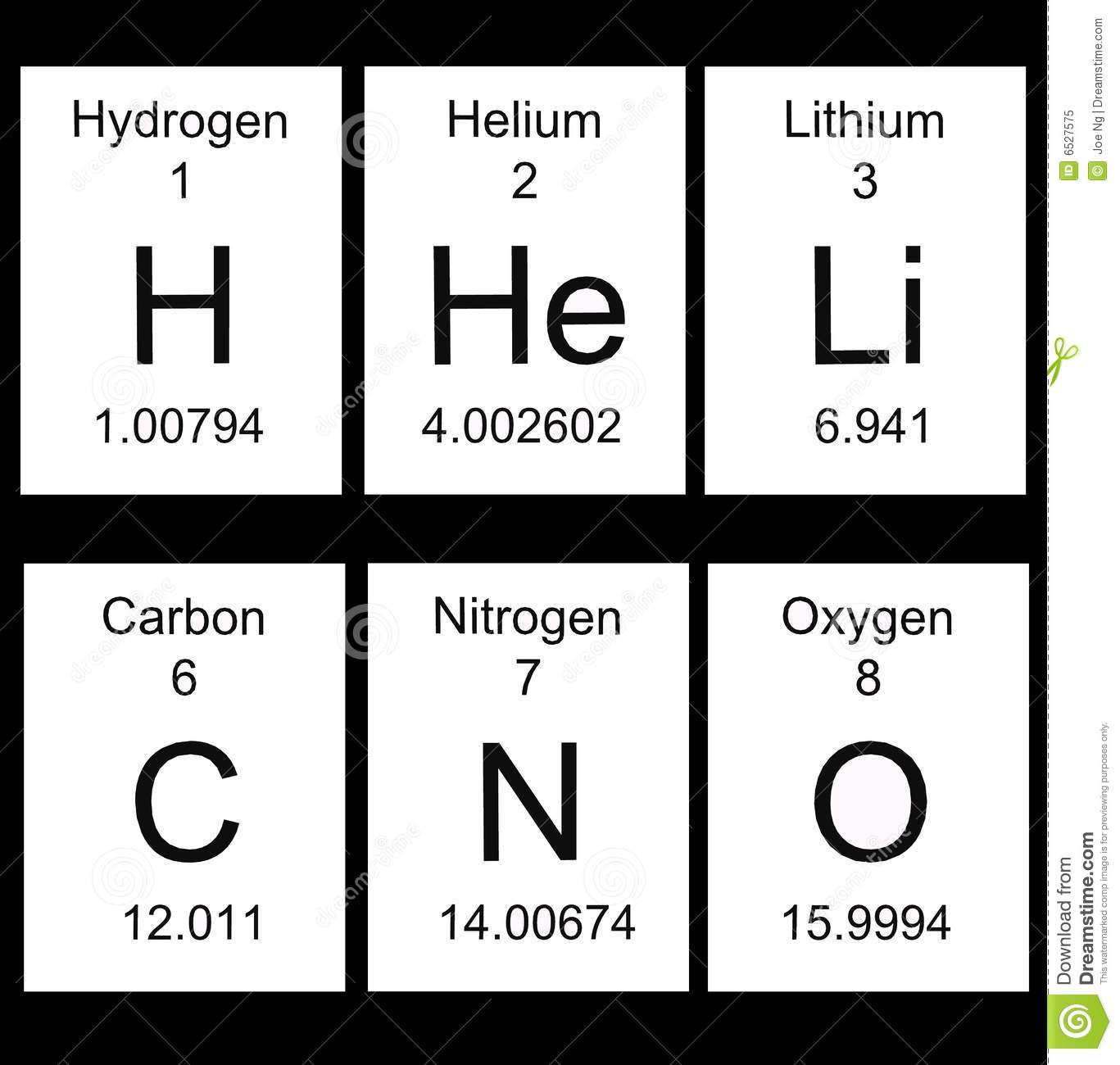
The number at the bottom of each square on the periodic table is the ...
a)
atomic number
b)
atomic mass
c)
chemical symbol
d)
element name
12.
The number at the top of each square on the periodic table is the ...
a)
atomic number
b)
atomic mass
c)
Chemical Symbol
d)
Element Name
13.

The atomic number tells you what?

a)

the atomic mass

b)

the number of protons

c)

the number of neutrons

d)

the size of the nucleus

14.
A neutron has a charge of
a)
+2
b)
No charge
c)
-1
d)
+1
15.
What does the 1.00794 stand for?
a)
Hydrogen
b)
atomic number
c)
atomic mass
d)
atomic explosion
16.
In the modern periodic table elements are arranged by:
a)
atomic mass
b)
atomic number
c)
valence electrons
d)
number of isotopes
17.
How many protons are in Beryllium?
a)
4
b)
9
c)
5
d)
2
18.
What is the chemical symbol for Lithium?
a)
H
b)
He
c)
Li
d)
N
19.
Most of the elements on the periodic table are classified as "metal".
a)
True
b)
False
20.
Each element is, usually, given one or two letters known as a chemical symbol.
a)
True
b)
False
21.
Protons are located in the nucleus of the atom.
A proton has _______________.
a)
No charge
b)
 A negative charge
c)
A positive and a negative charge
d)
A positive charge
22.
Neutrons are in the nucleus of the atom.
A neutron has _____________. 
a)
A positive charge
b)
No charge
c)
A negative charge
d)
Twice as much positive charge as a proton
23.
An electron is in a region outside the nucleus. An electron ____________.
a)
Is larger than a proton and has no charge 
b)
Has less mass than a proton and has a negative charge
c)
Is smaller than a proton and has no charge
d)
Has a positive charge 
24.

The atomic mass of an element is equal to:

a)

the number of protons

b)

the number of neutrons

c)

the number of electrons

d)

the total number of protons and neutrons

25.

Potassium is in Period 4 and Group ____.

a)

2

b)

1

c)

3

d)

4

26.

__________has electronic configuration 2:8:1

a)

Sodium

b)

Chlorine

c)

Helium

d)

Nitrogen

27.

________ is in Period 3 and Group 17

a)

Gold

b)

Sodium

c)

Chlorine

d)

Nitrogen

28.

Chemical reactions are to do with movement of _____.

a)

neutrons

b)

electrons

c)

protons

d)

atoms

29.

_______________ elements have a full outer shell of electrons and so are very unreactive.

a)

Group 7

b)

Group 18

c)

Group 1

30.

There are three groups that are usually studied: group 1 called the _________, group 17 called the _________, and group 18 called the ___________.

a)

halogens, alkali metals, noble gases

b)

alkali metals, noble gases, halogens

c)

acidic metals, noble gases, halogens

d)

alkali metals, halogens, noble gases

31.
Beryllium is in group number______.
a)
Group 2
b)
Group 3
c)
Group 4
d)
Group 7
32.
The period for Bromine is ___________.
a)
3
b)
2
c)
4
33.
How many Valance electrons does Iodine Have?
a)
6
b)
16
c)
7
d)
17
34.
The alkali metals have how many valence electrons?
a)
1
b)
2
c)
7
d)
8
35.

What is a valence electron?

a)

An outer shell electron

b)

An electron located in the nucleus

c)

An electron with a large mass

d)

A neutral electron