wayground logo

Free Printable Worksheets

NEW

Font size

S
M
L
XL
Worksheets

Physical & Chemical Properties/Changes + Atoms & Molecules

Total questions: 55

Worksheet time: 47mins
Name
Class
Date
1.
Which of the following tells you that a chemical change may have occurred?
a)
Change Shape
b)
Melting
c)
Vaporizing
d)
Change in color
2.
What happens in ALL chemical changes?
a)
Change in state of matter
b)
A new substance is formed
c)
Bubbles are produced
d)
An explosion
3.
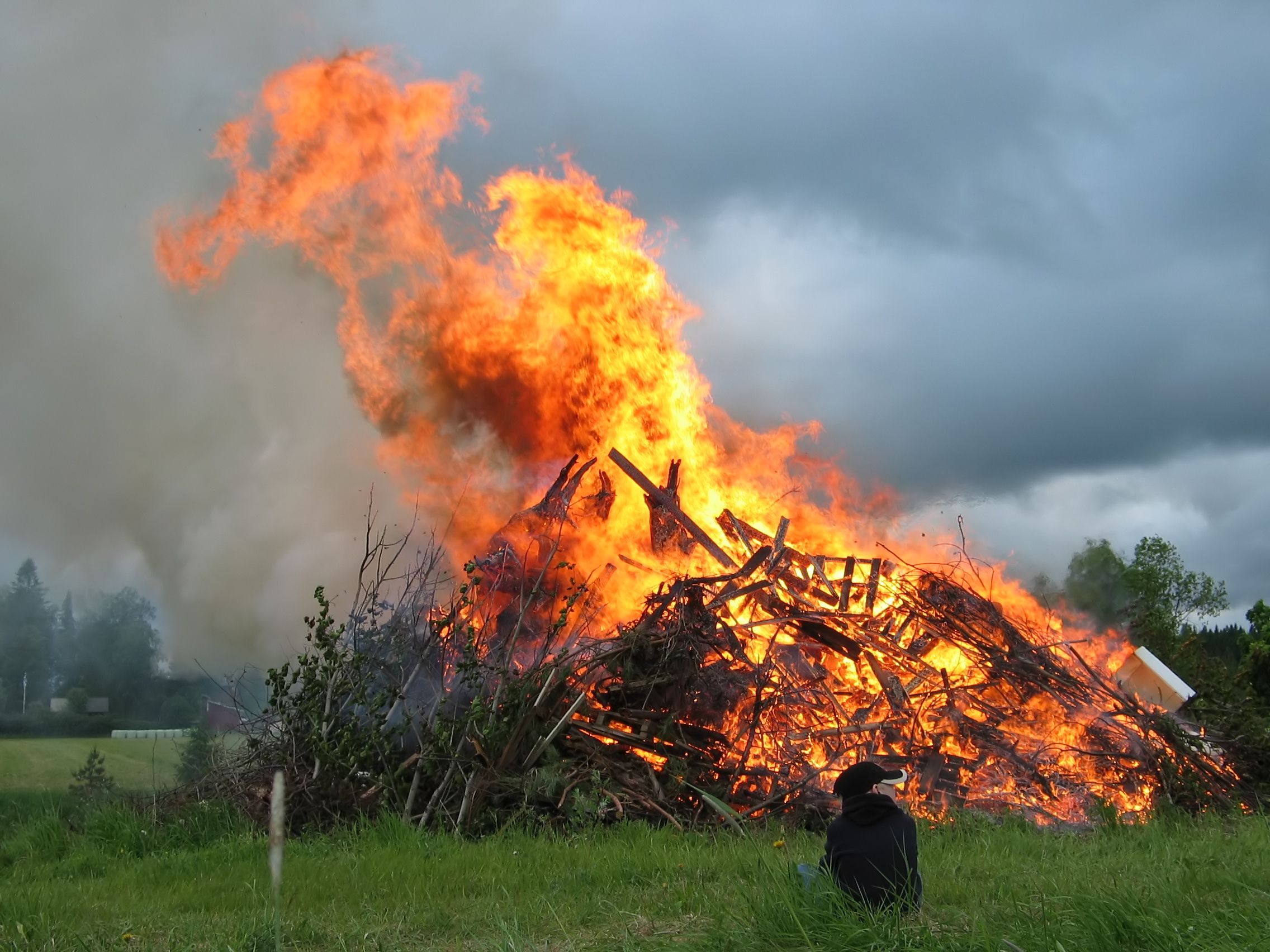
Is wood burning a physical or chemical change?
a)
Physical 
b)
Chemical
4.
Is milk going sour a physical or chemical change?
a)
Physical 
b)
Chemical
5.
Is sharpening a pencil a physical or chemical change?
a)
Physical 
b)
Chemical
6.

Which of the following is not a clue that a chemical reaction has taken place?

a)

Changing size

b)

Changing color

c)

A gas being formed

d)

Formation of a precipitate

7.
Which of the following IS a clue that a chemical change has occurred? 
a)
State of matter change
b)
Size Change
c)
Change in temperature
d)
Shape change
8.
Is melting butter for popcorn a chemical or physical change?
a)
chemical
b)
physical
9.
Water freezing into ice is an example of a...
a)
Physical Change
b)
Chemical Change
10.
Which of the following is an example of sublimation?
a)
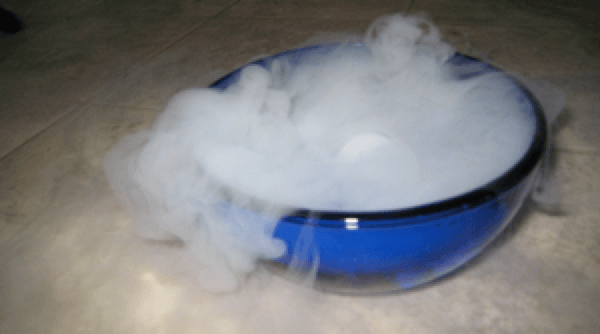
Dry Ice
b)
Water boiling into steam
c)
Ice cream melting
d)
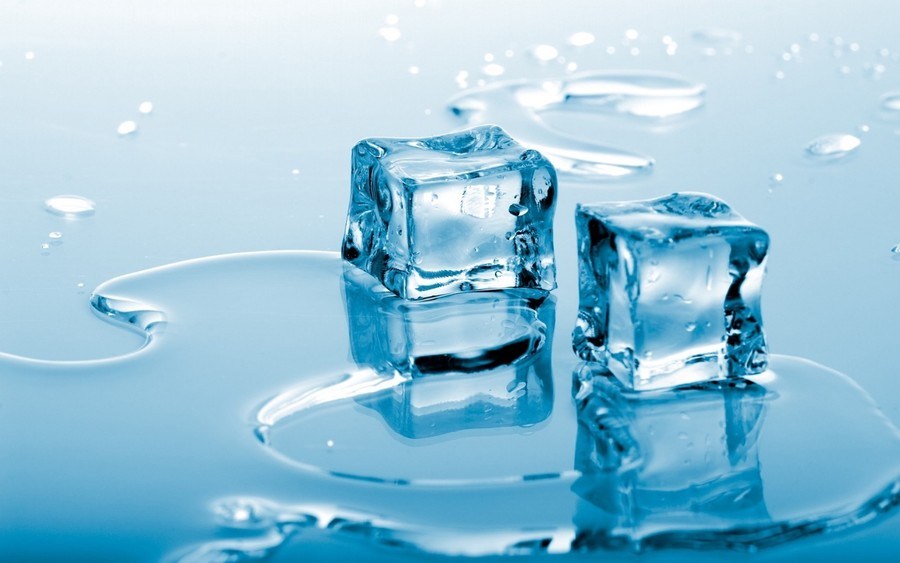
Water freezing into ice
11.
Which of the following indicates a chemical change?
a)
Change in state of matter
b)
Temperature change
c)
Change in size 
d)
Change in shape
12.
A solid substance that forms when 2 liquid solutions are combined?
a)
Sublimation
b)
Precipitate
c)
Condensation
d)
Freezing
13.
Which of the following DOES NOT indicate a chemical change/reaction is occurring?
a)
Color Change
b)
Formation of a Precipitate
c)
Formation of gas/bubbles
d)
State of matter change
14.
We use chemical equations to show what happens in a....
a)
Chemical Change
b)
Physical Change
15.
Physical or Chemical Change?  Iron rusts
a)
Physical Change
b)
Chemical Change
16.
What is the tiniest particle in the entire universe?
a)
cells
b)
gases
c)
atoms
d)
liquids
17.
What is the name of a single type of atom?
a)
cell
b)
proton
c)
element
d)
atom
18.
What is the term for combining 2 or more atoms together?
a)
atoms
b)
elements
c)
molecules
d)
compounds
19.
What is the term for combining 2 or more DIFFERENT atoms together?
a)
atoms
b)
elements
c)
molecules
d)
compounds
20.
TRUE OR FALSE:
Every compound is a molecule but not every molecule is a compound.
a)
TRUE
b)
FALSE
21.
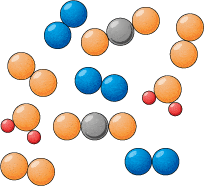
What is the picture displayed?
a)
atom
b)
element
c)
molecule
d)
compound
22.
What is the picture displayed?
a)
atom
b)
element
c)
molecule
d)
compound
23.
Review:
What is the formula for density?
a)
D= M x V
b)
D= V / M
c)
D= V+M
d)
D= M / V
24.
Anything that has mass and takes up space
a)
atoms
b)
elements
c)
molecules
d)
matter
25.
Is K an element or a compound?
a)
element
b)
compound
26.
How many atoms/elements are in NO2?
a)
1
b)
2
c)
3
d)
4
27.
Is NOan element or a compound?
a)
element
b)
compound
28.
How many atoms/elements are in H3?
a)
1
b)
0
c)
2
d)
3
29.
Cake batter baked in an oven
a)
Chemical Change
b)
Physical Change
30.
Boiling water
a)
Chemical Change
b)
Physical Change
31.
The melting of wax is an example of a
a)
chemical change
b)
physical change
32.
Which is an example of a chemical reaction?
a)
paper cut into small pieces
b)
chocolate melting in a pan
c)
flour and sugar mixed in a bowl
d)
cookies baking in an oven
33.
KMnO4
How many atoms of oxygen are in this molecule?
a)
1
b)
2
c)
4
d)
6
34.
Which is a physical change?
a)
burning match 
b)
vinegar in baking soda 
c)
melting butter
d)
cooking an egg
35.
What kind of properties can only be observed when a substance changes into a different substance?
a)
physical properties
b)
chemical properties
c)
liquid properties
d)
real properties
36.
A change in the size, shape, or state of matter.
a)
chemical change
b)
physical change
c)
chemical reaction
d)
electron change
37.
Green bananas turning yellow on their own as they ripen.
a)
Chemical Change
b)
Physical Change
38.
An instant ice pack getting cold when the chemicals are able to touch.
a)
Chemical Change
b)
Physical Change
39.

Which of the following is an element?

a)

Fire

b)

Carbon

c)

H2O

d)

Methane

40.

Which of the following is a molecule AND a compound?

a)

O2

b)

C3

c)

H20

d)

H

41.

H2 is an example of a(n):

a)

Molecule

b)

Atom

c)

Element

d)

Disneyland

42.

Can H20 be a molecule AND a compound?

a)

Yes

b)

No

c)

I'm not sure?

43.

What is the best definition for the word molecule?

a)

Two different types of atoms bonded together

b)

Only one type of atom

c)

Any two atoms bonded together

44.

Is Fluorine (F) an element, molecule, or compound?

a)

element

b)

molecule

c)

compound

d)

atom

45.
A gas in the air made of carbon and oxygen atoms.
a)
water
b)
carbon dioxide
c)
chemical bond
d)
nucleus
46.

A process that changes substances into new substances is called a(n)

a)

energy transformation

b)

heterogeneous mixture

c)

chemical change/reaction

d)

pure substance

47.

The amount of matter in an object is called its

a)

mass

b)

atomic number

c)

volume

d)

molecule

48.

The chart scientists use to organize and classify all the known elements.

a)

pie graph

b)

data table

c)

periodic table of elements

d)

line graph

49.
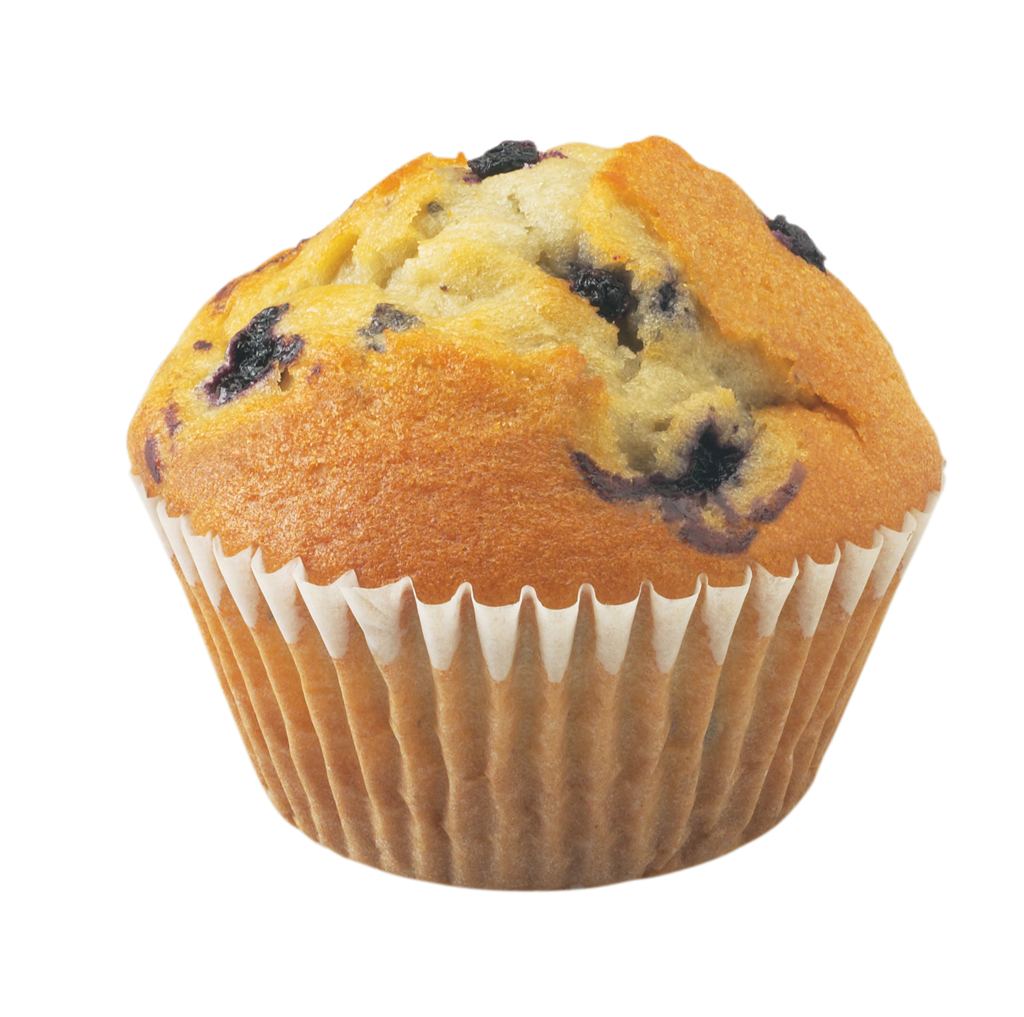
 blue berry muffin
a)
heterogeneous mixture
b)
homogeneous mixture
50.
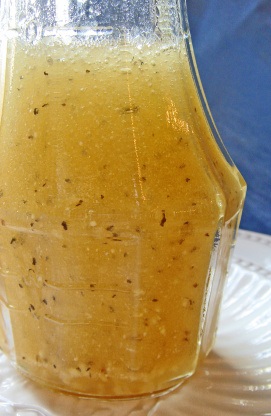
Italian Salad Dressing
a)
heterogeneous mixture
b)
homogeneous mixture
51.
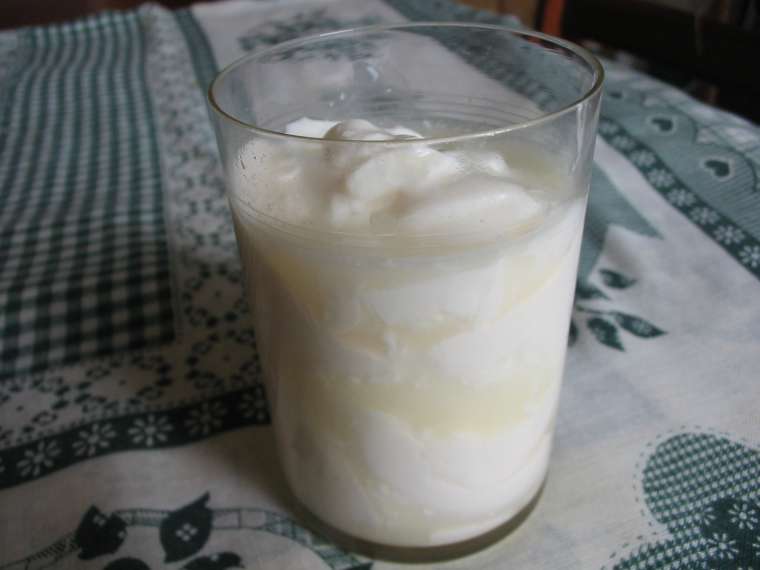
Milk
a)
Heterogeneous mixture
b)
Homogeneous mixture
52.
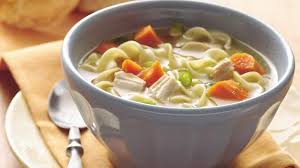
Chicken noodle soup
a)
heterogeneous mixture
b)
homogeneous mixture
53.
If they are not the same throughout, they are called...
a)
Homogeneous
b)
Heterogeneous
c)
Compounds
d)
Pure substance
54.
dish washing liquid
a)
homogeneous
b)
heterogeneous
55.
Type of mixture that has the SAME COMPOSITION in every part.
a)
Homogenous
b)
Heterogeneous