
 Worksheets
CBA Review 1
Total questions: 50
Worksheet time: 42mins
Name
Class
Date
1.
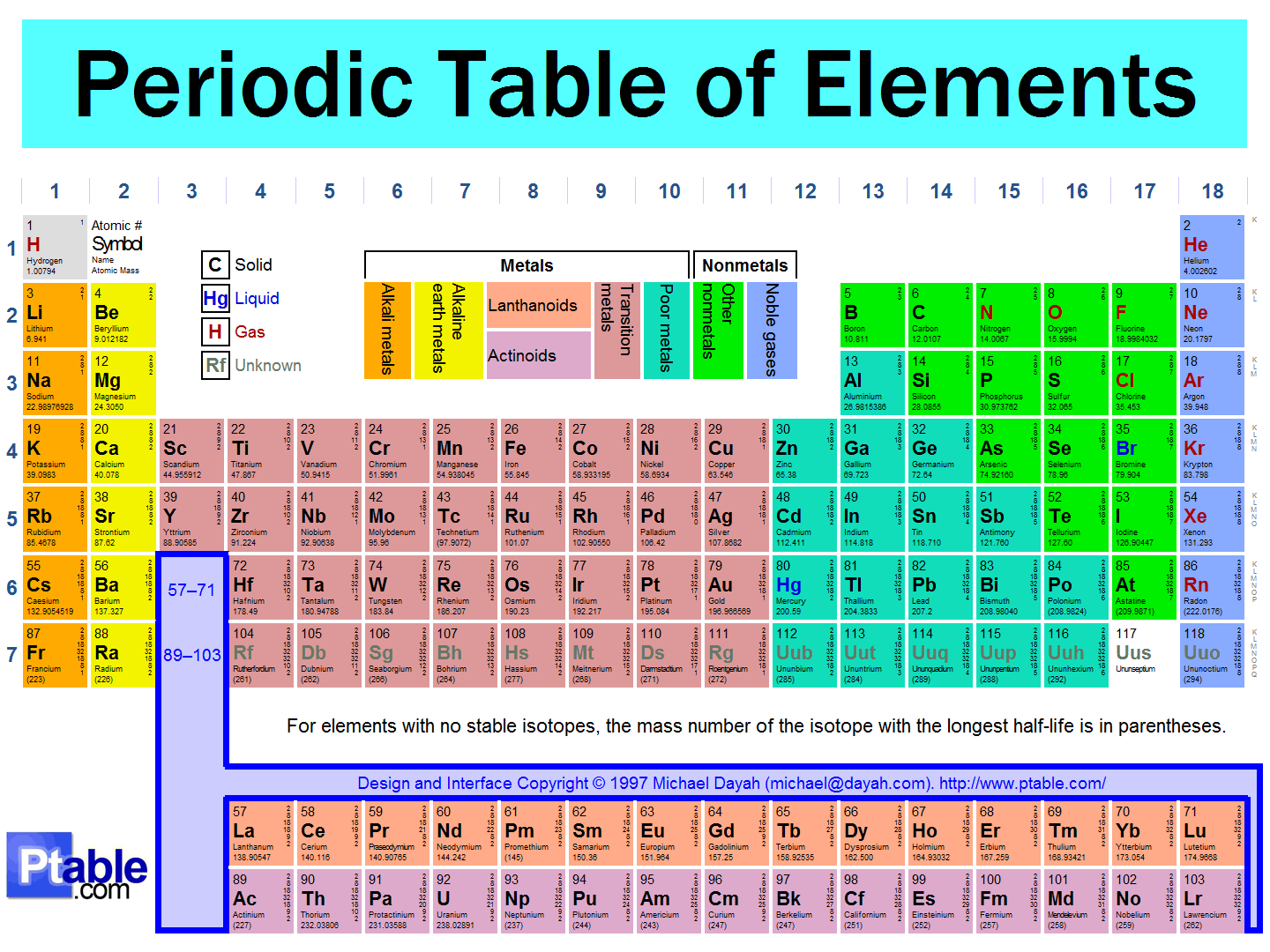
The horizontal row on the periodic table is called a
a)
group
b)
family
c)
period
d)
atomic number
2.

A vertical column is called...
a)
group
b)
tower
c)
period
d)
crew
3.
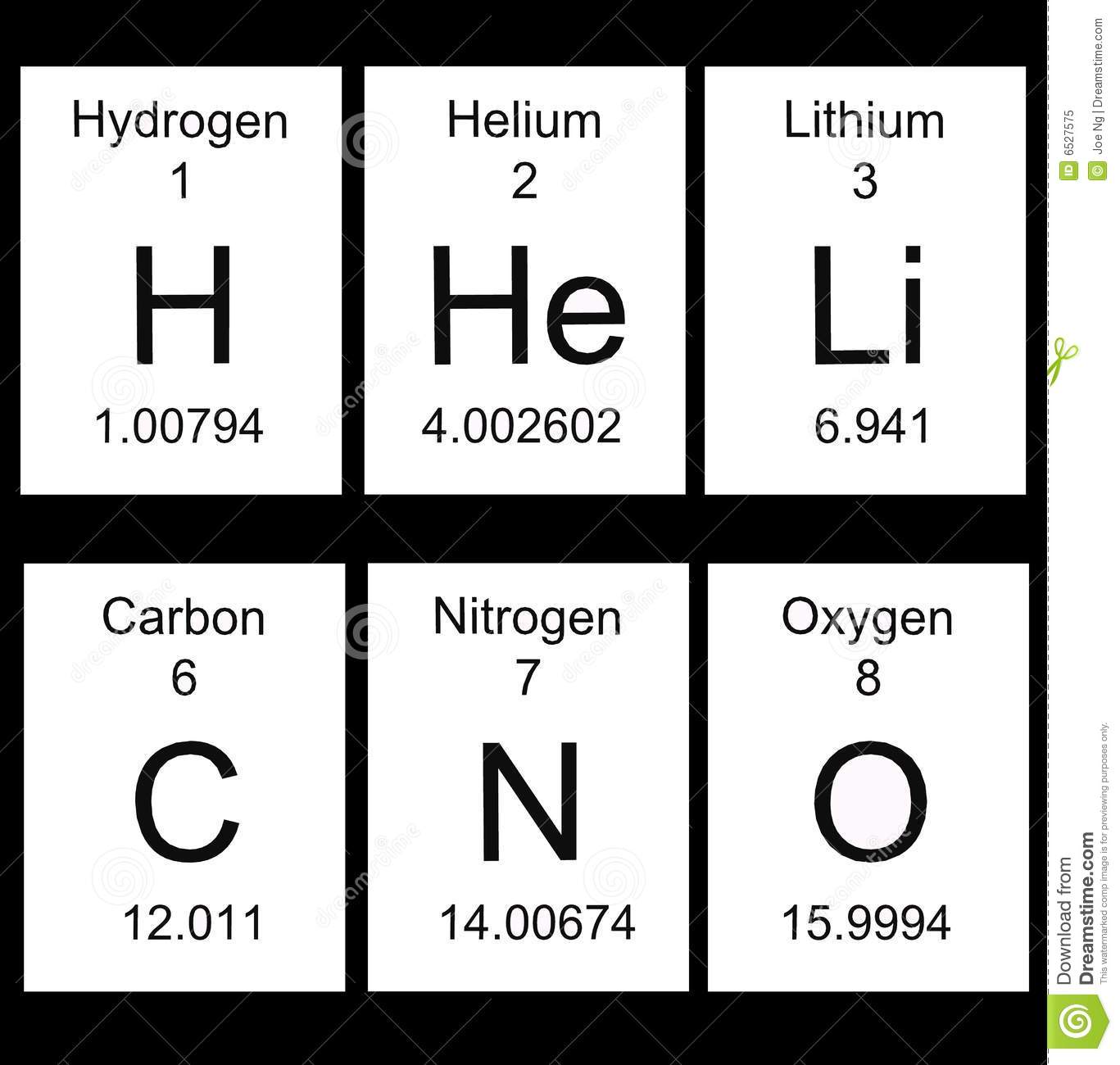
The number at the bottom of each square on the periodic table is the ...
a)
atomic number
b)
atomic mass
c)
chemical symbol
d)
element name
4.
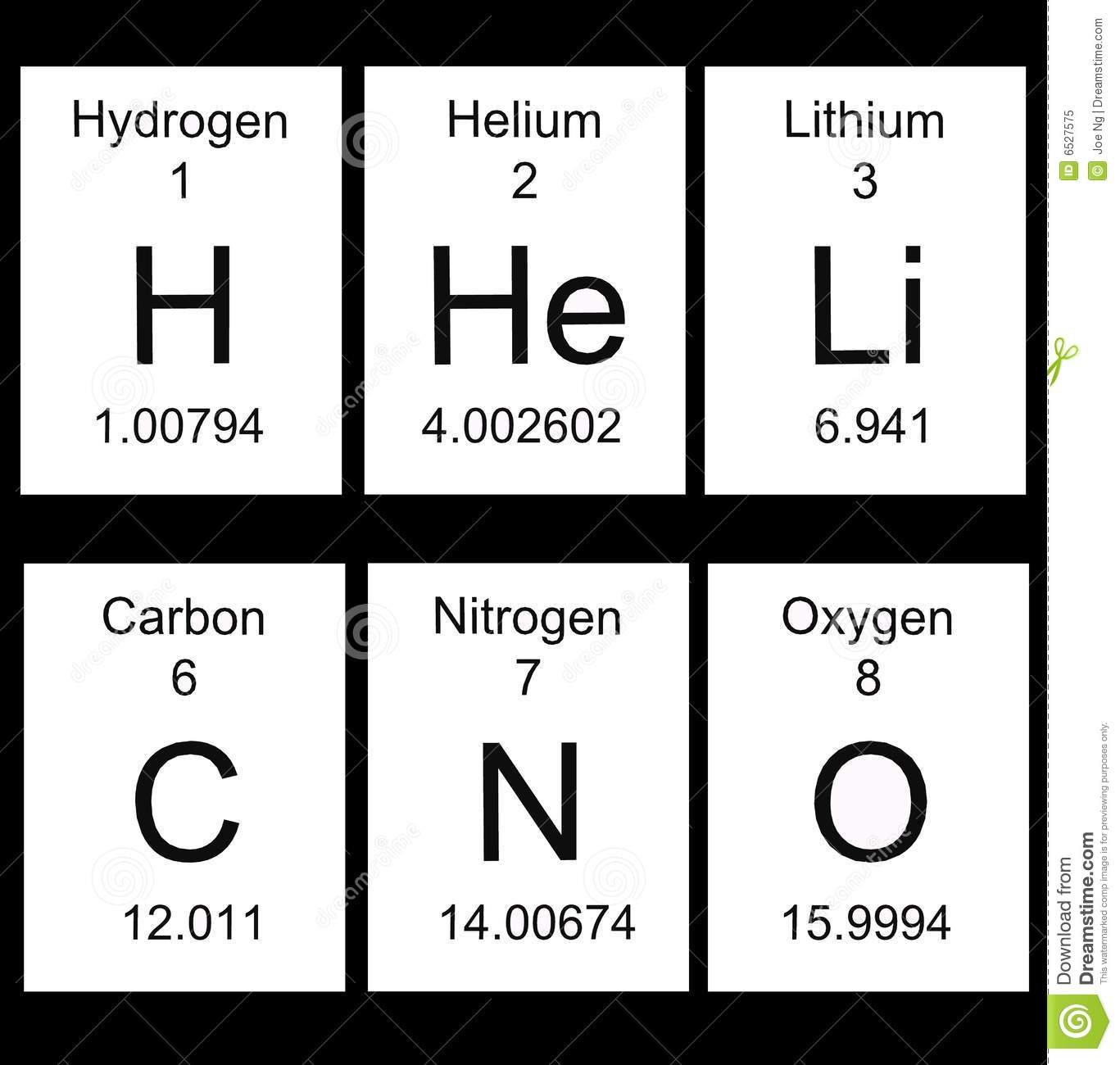
The number at the top of each square on the periodic table is the ...
a)
atomic number
b)
atomic mass
c)
Chemical Symbol
d)
Element Name
5.
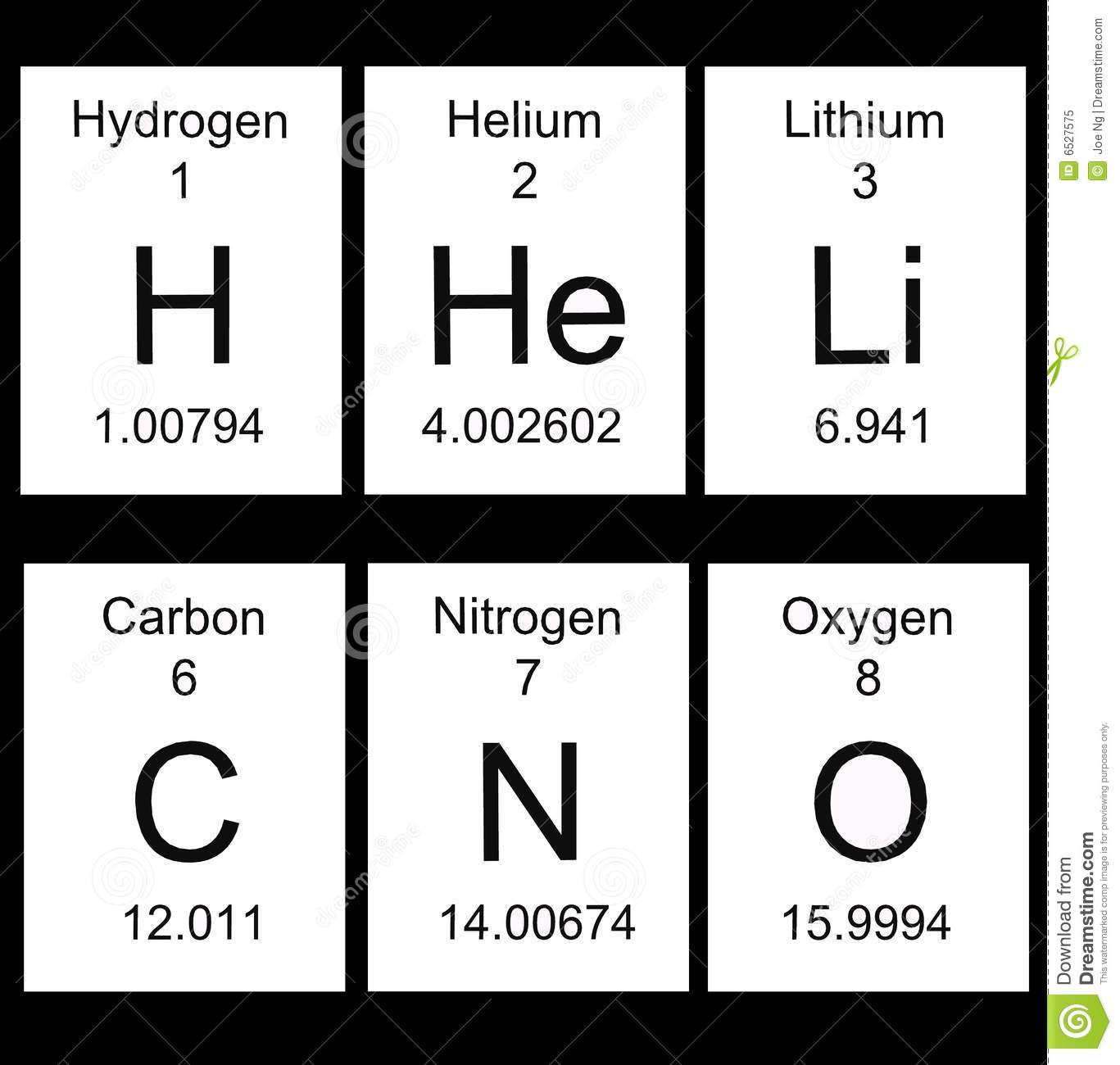
What is the chemical symbol for Lithium?
a)
H
b)
He
c)
Li
d)
N
6.

Most of the elements on the periodic table are classified as _____.
a)
Metals
b)
Nonmetals
c)
Metalloids
d)
Periods
7.
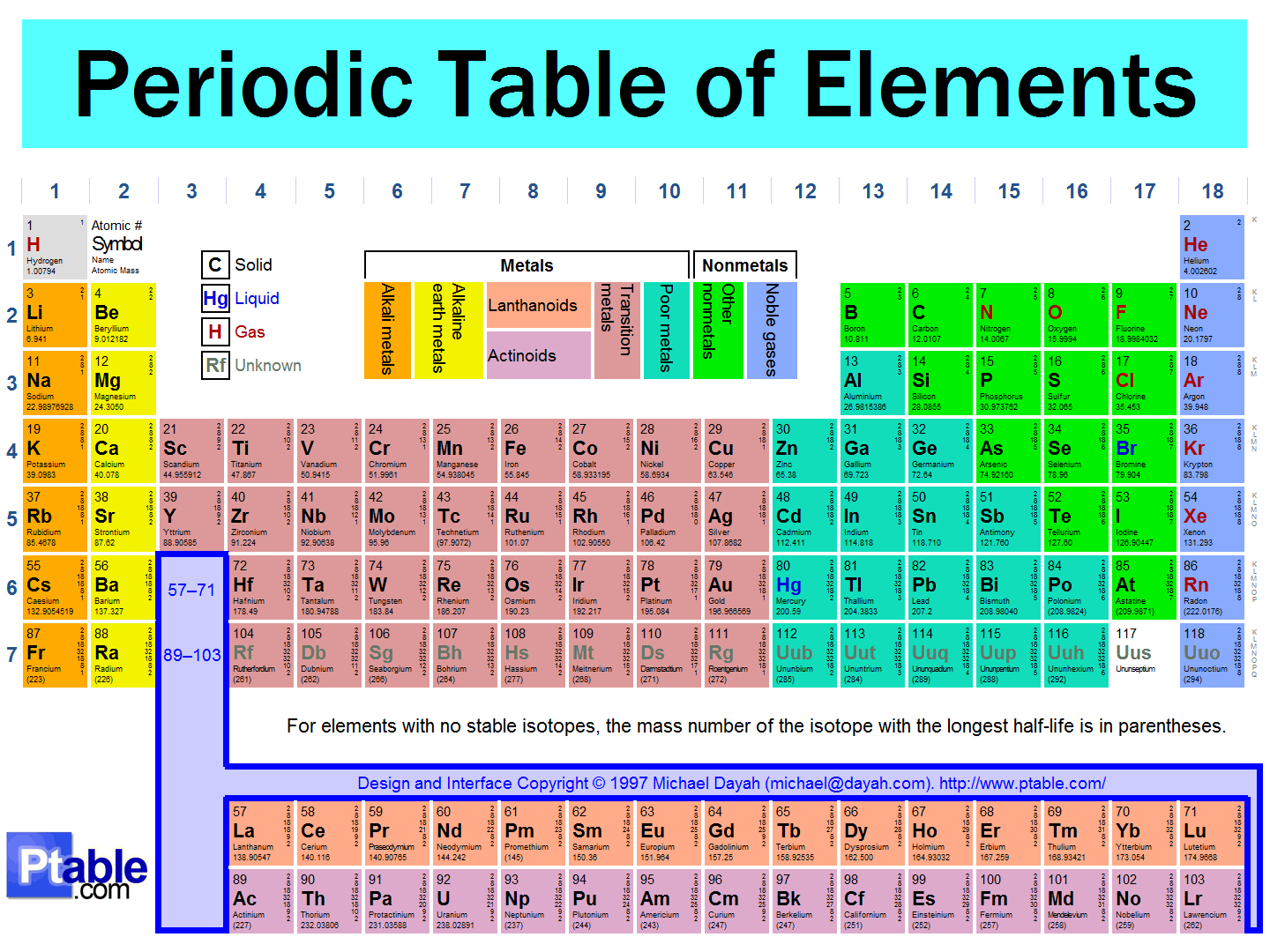
This class of elements are sometimes called "semiconductors."
a)
Metals
b)
Nonmetals
c)
Metalloids
d)
Groups
8.

The atoms along the staircase are called
a)
metals
b)
nonmetals
c)
metalloids
d)
noble gases
9.
A proton is....
a)
A negatively charged subatomic particle
b)
A positively charged subatomic particle
c)
A neutrally charged subatomic particle
d)
The only subatomic particle located in the nucleus
10.
A neutron has a charge of
a)
+2
b)
No charge
c)
-1
d)
+1
11.
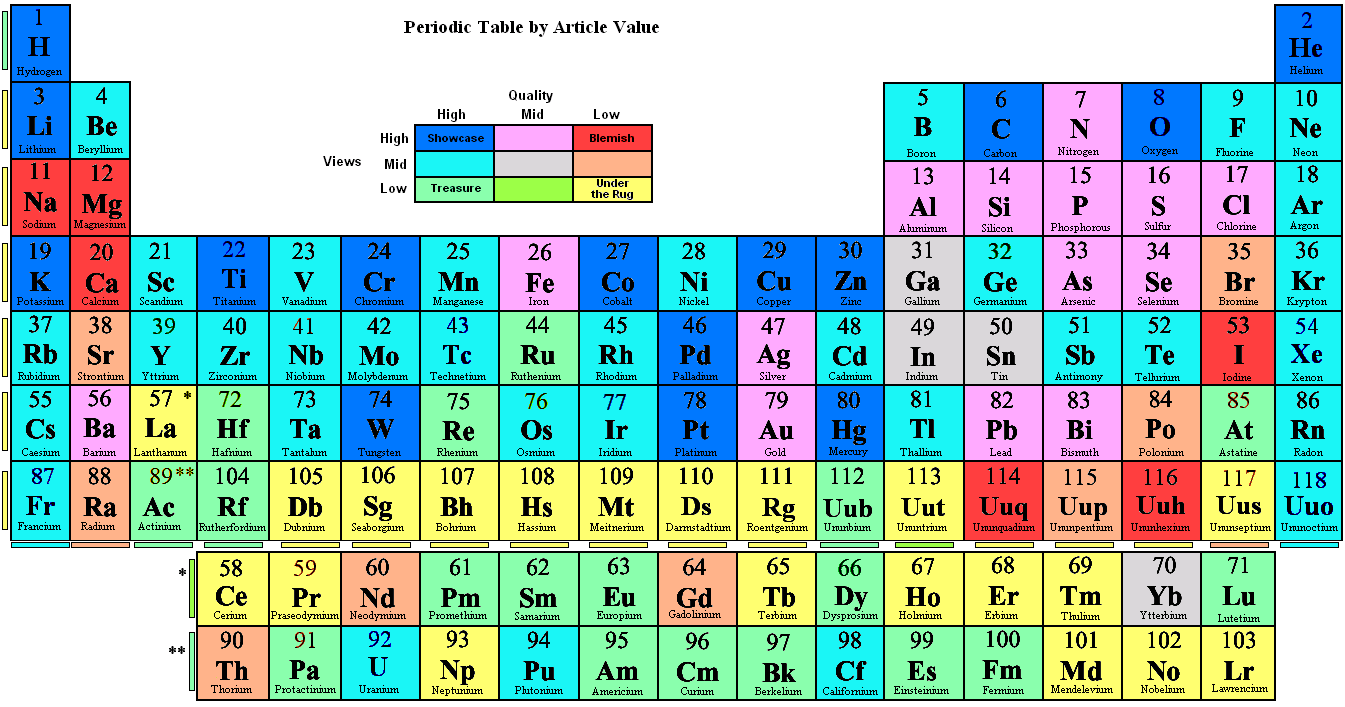
The period for Bromine is ___________.
a)
3
b)
2
c)
4
12.
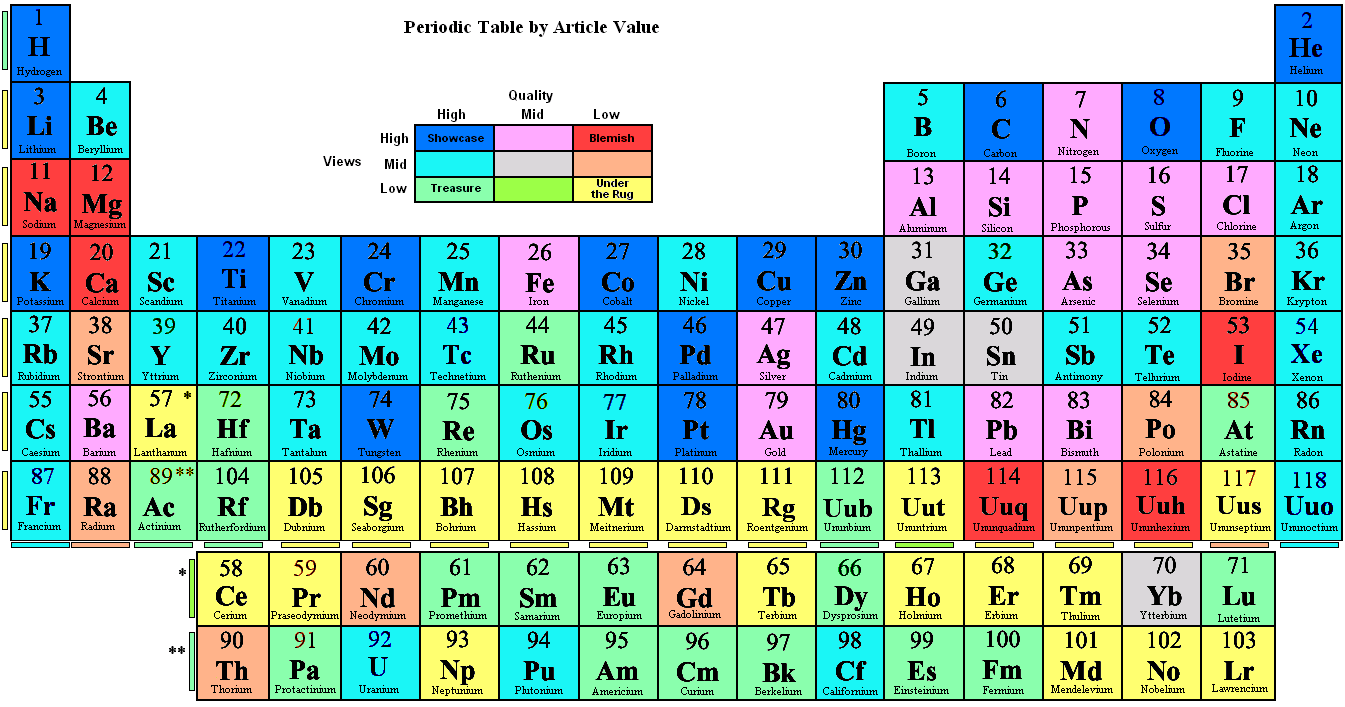
Beryllium is in group number______.
a)
Group 2
b)
Group 3
c)
Group 4
d)
Group 7
13.
An element's identity is determined by the number of
a)
electrons.
b)
protons.
c)
neutrons.
d)
valence.
14.

The elements in this group only have 1 valence electron and include Li, Na, and K.
a)
Group 11
b)
Group 1
c)
Group 3
15.
Which of the following is not a property of metals?
a)
brittle
b)
malleable
c)
lustrous
d)
conductive
16.
Rows on the period table are called _____ while columns are called _____.
a)
groups, families
b)
groups, periods
c)
periods, groups
d)
families, groups
17.

The noble gases have how many valence electrons?
a)
1
b)
2
c)
7
d)
8
18.

What is the number of protons that the element in this image contain?
a)
14
b)
7
c)
15
d)
18
19.
If an atom has 12 positively charged subatomic particles, which of the following must it also have to be considered a neutral atom?
a)
12 neutrons
b)
12 electrons
c)
12 protons
d)
24 protons and neutrons
20.
An atom has 10 protons, 15 neutrons and 10 electrons what is its mass number.
a)
20
b)
10
c)
5
d)
25
21.

Which letter represents a proton?
a)
A
b)
B
c)
C
d)
D
22.
Which letter represents a neutron?
a)
A
b)
B
c)
C
d)
D
23.
Which letter represents an electron?
a)
A
b)
B
c)
C
d)
D
24.

What is the atomic mass of the atom pictured?
a)
9
b)
10
c)
18
d)
19
25.
What is the atomic number of the atom pictured?
a)
9
b)
10
c)
18
d)
19
26.
What is the element name of the atom pictured?
a)
Fluorine
b)
Neon
c)
Argon
d)
Potassium
27.
Which subatomic particle has a negative (-) charge?
a)
Proton
b)
Electron
c)
Neutron
28.

The number 16 for the atomic element sulfur is the
a)
ionic number
b)
isotope
c)
atomic mass
d)
atomic number
29.
How many elements are in C6H12O6?
a)
1
b)
2
c)
3
d)
4
30.
How many atoms of carbon (C) are in C6H12O6?
a)
3
b)
6
c)
12
d)
24
31.
Element or compound?
H2O
H2O
a)
element
b)
compound
32.
Which of the following is a compound?
a)
Co
b)
O2
c)
C
d)
CO2
33.

The red numbers in the image below represent ________
a)
subscripts
b)
coefficients
c)
I don't know, and don't want to try
d)
None of the answers are correct
34.

The blue numbers in the image below represent ________
a)
I don't know, and don't want to try
b)
coefficients
c)
subscripts
d)
none of the answers are correct
35.
How many atoms are there TOTAL in:
H2SO4
H2SO4
a)
6
b)
5
c)
7
d)
3
36.
How many Sodium (Na) are in 6NaCl?
a)
1
b)
12
c)
6
37.
Which of the following is a positively charged subatomic particle found in the nucleus of an atom?
a)
Electron
b)
Proton
c)
Neutron
d)
Quark
38.
How many valence electrons does Sulfur
a)
16
b)
32
c)
6
d)
3
39.
How many valence electrons does Hydrogen have?
a)
1
b)
2
c)
3
d)
4
40.
Changes the size, shape, or color of food:
a)
Physical digestion
b)
Chemical Digestion
41.
Chewing food with teeth is an example of a
a)
physical change
b)
chemical change
42.
The stomach releases hydrochloric acid and enzymes that break down the protein in meats and turn the protein into amino acids. This change is
a)
Physical
b)
Chemical
43.
Acids and enzymes are used in
a)
physical digestion
b)
chemical digestion
44.
During chemical digestion
a)
only changes in size and shape occur
b)
a new substance is formed
45.

Is burning wood a chemical or physical change?
a)
chemical
b)
physical
46.
Jenna stirs salt into water. What type of change occurred?
a)
Chemical--she cannot separate the substances
b)
Physical - it is a mixture.
c)
Chemical - it is a mixture.
47.

Identify the following process: When we strike a match.
a)
Physical change
b)
Chemical change
48.
Adding baking soda and vinegar together and it fizzes and creates carbon dioxide.
a)
Chemical
b)
Physical
49.
The reactants are on the left side of the chemical equation.
a)
True
b)
False
50.
Which of the following is a sign that a chemical reaction has occurred?
a)
change in shape
b)
melting
c)
formation of a gas
d)
dissolving
100 %

