
 Worksheets
Communication
Total questions: 18
Worksheet time: 13mins
Name
Class
Date
1.
Presenting a speech so it sounds spontaneous no matter how many times it has been rehearsed
a)
eye contact
b)
gestures
c)
conversational quality
d)
pitch
2.
The loudness or softness of the speaker's voice
a)
rate
b)
pitch
c)
volume
d)
posture
3.
Communication achieved using facial expressions,eye contact, movements, and gestures
a)
body language
b)
eye contact
c)
tone
d)
rate
4.
The expression in one's voice generated by altering pitch (highness and lowness).
a)
rate
b)
volume
c)
posture
d)
tone
5.
Looking at the audience during a speech
a)
eye contact
b)
proxemics
c)
inflection
d)
tone
6.
Moving with ease; polished. speaker rarely stumbles through a presentation
a)
posture
b)
vocal distractions
c)
rate
d)
fluency
7.
The degree of quickness with which one delivers a speech
a)
tone
b)
pitch
c)
volume
d)
pacing
8.
Act of moving one's body parts, usually arms, hands, legs, as a means of expression
a)
gestures
b)
facial expressions
c)
vocal distractions
d)
fluency
9.
Communicating ideas and emotions non verbally by changing one's face.
a)
vocal variety
b)
gestures
c)
facial expressions
d)
eye contact
10.
The speed that a speech is given
a)
rate
b)
tone
c)
pitch
d)
pause
11.
The formation of clear and distinct sounds in speech
a)
volume
b)
rate
c)
articulation
d)
pitch
12.

What is verbal communication?
a)
gestures, facial expressions, and body positions
b)
use of language
13.

Anything people communicate with beyond the words that they are saying (more than the meaning of words)
a)
Body language
b)
Nonverbal communication
c)
Emphatic gestures
d)
Descriptive gestures
14.

Tone of voice can reveal your true feelings
a)
TRUE
b)
FALSE
15.

Is listening a part of communication?
a)
Yes
b)
No
16.
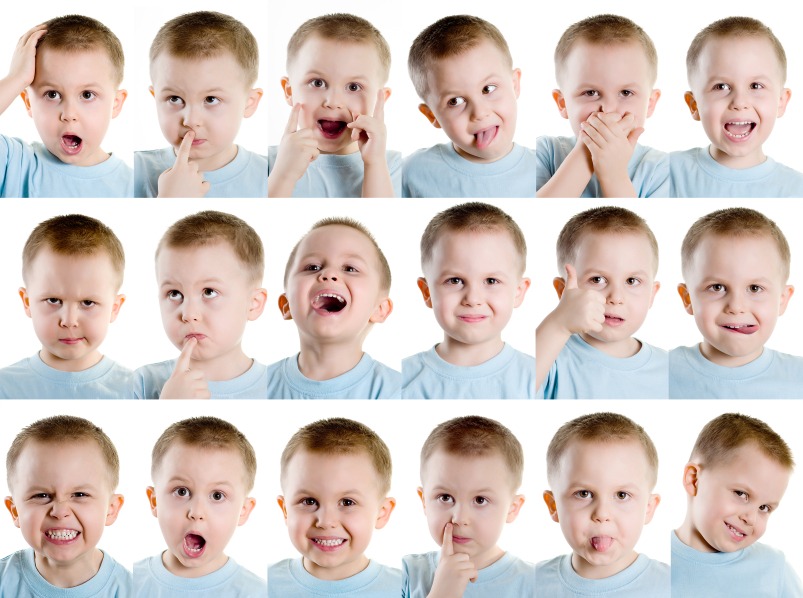
Communication without words is called
a)
Silent speaking
b)
Verbal communication
c)
Nonverbal communication
d)
Interpersonal communication
17.
When you speak, your listener gets messages from...
a)
What you say and your vocabulary
b)
How you look and your words
c)
What you say, how you act, and your accent
d)
What you say, how you act, and how you look
18.
Which is not a type of non-verbal language?
a)
body language
b)
word choice
c)
paralanguage
d)
appearance
100 %

