
 Worksheets
Weathering, Erosion, Deposition and Soil.
Total questions: 30
Worksheet time: 26mins
Name
Class
Date
1.
The natural chemical or physical processes that breaks down rock on Earth's surface.
a)
weathering
b)
erosion
c)
deposition
d)
jackhammering
2.
The process by which water, ice, wind or gravity moves weathered rock and soil from one place to another.
a)
weathering
b)
erosion
c)
deposition
d)
dumptruck
3.
This type of weathering occurs when rock is physically broken down into smaller pieces of rock.
a)
mechanical weathering
b)
chemical weathering
c)
erosion weathering
d)
deposition
4.
This type of weathering occurs when rocks weaken then break down due to chemical changes in the composition of the rock.
a)
mechanical weathering
b)
chemical weathering
c)
erosion weathering
d)
deposition
5.
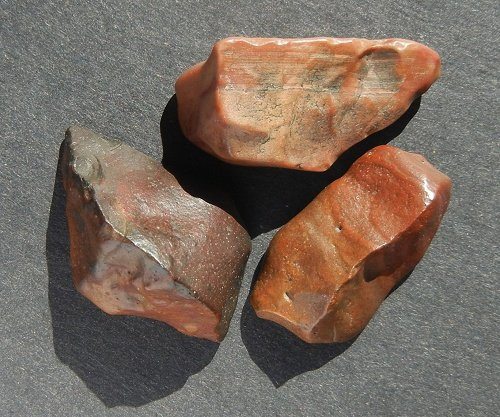
These rocks were made smooth by wind blowing smaller rock particles across their surface. This is an example of:
a)
ice wedging
b)
chemical weathering
c)
acid rain
d)
abrasion
6.
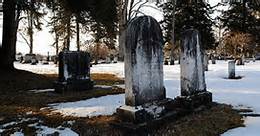
These gravestones have slowly broken down and turned a blackish color due to the action of:
a)
ice wedging
b)
abrasion
c)
acid rain
d)
mechanical weathering
7.
What is sediment?
a)
the process of rocks being broken down and carried away
b)
bits of rock, sand, and silt caused by the weathering of rocks
c)
the top layer of the soil
d)
decaying plant or animal material
8.
Which of these is an example of erosion
a)
Light Shinning onto a mountain
b)
Rain breaking down rock
c)
Wind blowing away sediment
d)
All of the above
9.
What happens when weathering and erosion work together?
a)
New Mountains are created
b)
The climate changes overnight
c)
Metal objects become rusty
d)
They change the Earth's surface
10.
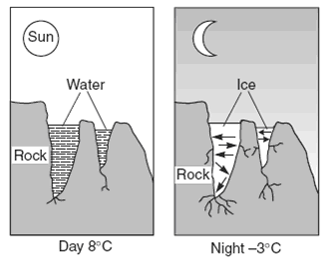
The diagrams shows a natural process that weathers rock.
Which statement best explains why this process results in weathering?
Which statement best explains why this process results in weathering?
a)
frozen water acts as a solute
b)
water expands when it freezes
c)
the mass of water increases when it freezes
d)
frozen water dissolves most types of rock
11.
Which agents break down earth materials?
a)
wind only
b)
earthquakes and gravity
c)
ice and 007
d)
wind, water, and ice
12.
How does vegetation in the soil affect the rate of erosion?
a)
It doesn't affect erosion.
b)
It decreases erosion.
c)
It increases erosion.
13.
What is an enormous mass of ice moving over land?
a)
Ice wedging
b)
Glacier
c)
Iceberg
d)
Dune
14.
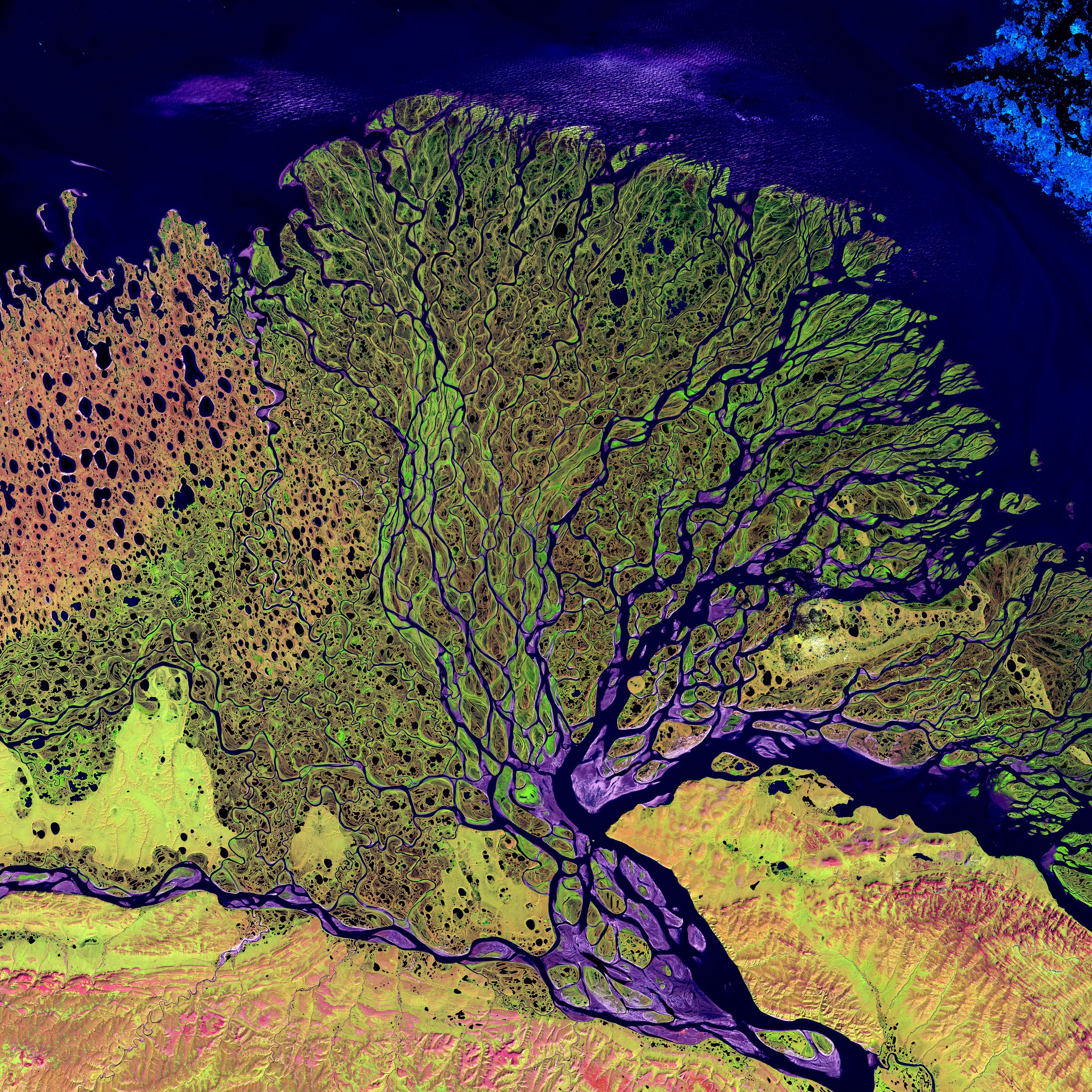
Deltas are mainly created by the process of -
a)
deposition
b)
weathering
c)
waves
d)
erosion
15.
Rain washing away soil from a hillside
a)
Weathering
b)
Erosion
c)
Deposition
16.
Which landform is formed because of the erosion of groundwater?
a)
valley
b)
canyon
c)
channel
d)
cavern
17.
What causes a valley to form first?
a)
earthquake
b)
running water
c)
landslide
d)
erosion by wind
18.
What force is responsible for erosion and deposition in landslides?
a)
gravity
b)
ice
c)
wind
d)
temperature
19.
What is responsible for the formation of sand dunes?
a)
Wind
b)
Water
c)
Gravity
d)
Ice
20.
What is a type of mass movement by gravity?
a)
dune
b)
loess
c)
glacier
d)
mudslide
21.
Soil formation begins with the weathering of_______.
a)
Humas
b)
Subsoil
c)
Litter
d)
Rock
22.
Decayed organic material in soil is called______.
a)
Litter
b)
Silt
c)
Humus
d)
Clay
23.
The layer of soil which the topsoil is found.
a)
Horizon A
b)
Horizon B
c)
Horizon C
d)
Horizon D or R
24.
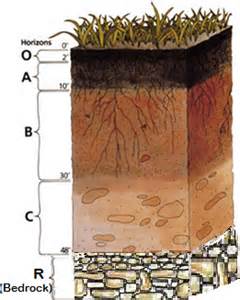
Which horizon is made up of partially weathered rocks?
a)
Horizon A
b)
Horizon B
c)
Horizon C
d)
Horizon D or R
25.
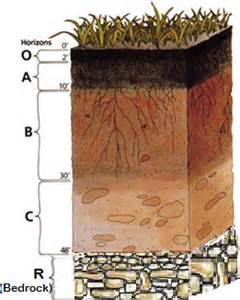
In which horizon is most of the HUMUS?
a)
Horizon A
b)
Horizon B
c)
Horizon C
d)
Horizon D or R
26.
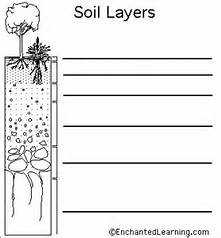
Which horizon contains clay, silt, minerals, and a little humus?
a)
Horizon A
b)
Horizon B
c)
Horizon C
d)
Horizon D or R
27.
The MAIN thing Decomposers do for the the soil is the following:
a)
Store moisture
b)
Burrow deep in the soil
c)
Make space for air and water
d)
Break down and digest dead organisms
28.
The two main factors that determine the rate of weathering are the TYPE of rock and_____.
a)
Music
b)
Climate
c)
Size of rock
d)
Weight of rock
29.
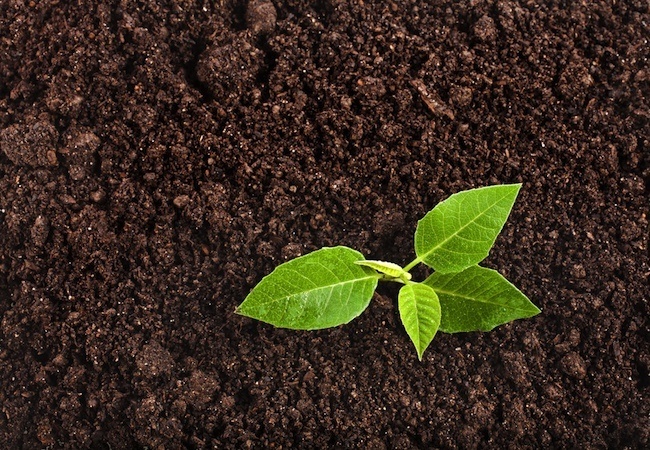
Which of the following is NOT one of the three types of soil?
a)
clay
b)
sand
c)
silt
d)
mud
30.
Which of the following best describes soil erosion?
a)
A. the breakdown of soil
b)
A. the improvement of soil
c)
A. the addition of soil
d)
A. the movement of soil by wind or water
100 %

