
 Worksheets
Periodic Table
Total questions: 54
Worksheet time: 44mins
Name
Class
Date
1.
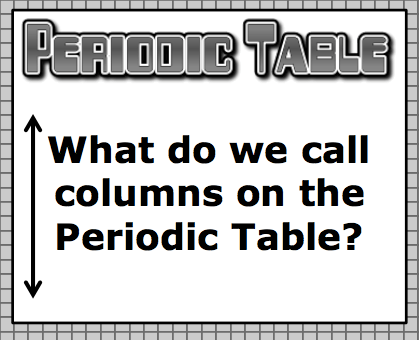
a)
Periods
b)
Groups
2.
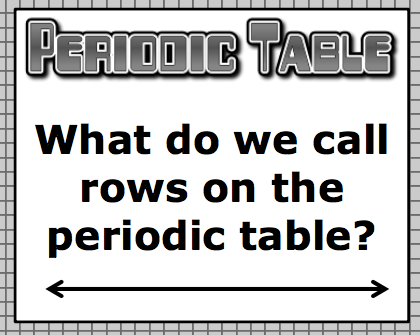
a)
Periods
b)
Groups
3.
a)
Periods
b)
Groups
4.

a)
energy levels
b)
valence electrons
c)
protons
d)
neutrons
5.
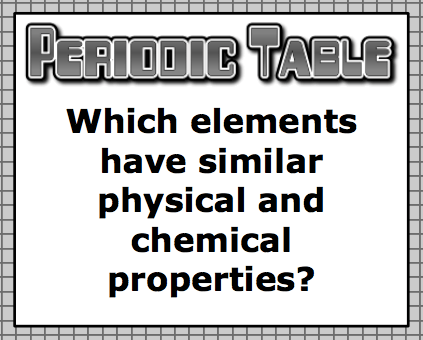
a)
Same group
b)
Same period
6.
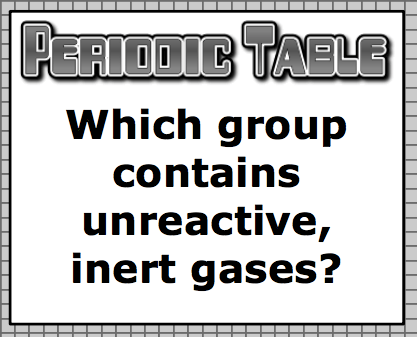
a)
Group 1
b)
Group 17
c)
Group 2
d)
Group 18
7.
a)
Group 1
b)
Group 17
c)
Group 18
d)
Group 2
8.
a)
Group 1
b)
Group 17
c)
Group 18
d)
Group 2
9.
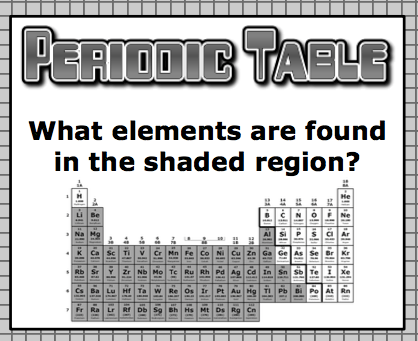
a)
Metals
b)
Nonmetals
c)
Metalloids
10.
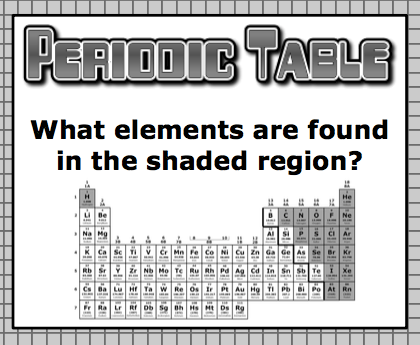
a)
Metals
b)
Nonmetals
c)
Metalloids
11.
a)
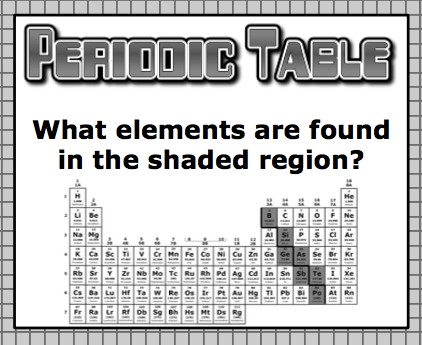
Metals
b)
Nonmetals
c)
Metalloids
12.
a)
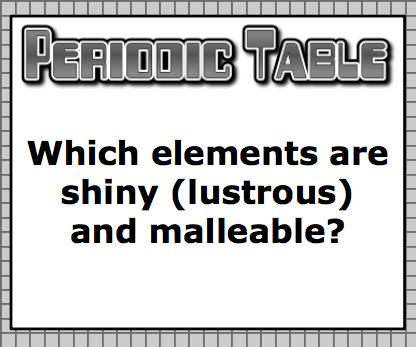
Metals
b)
Nonmetals
c)
Metalloids
13.
a)
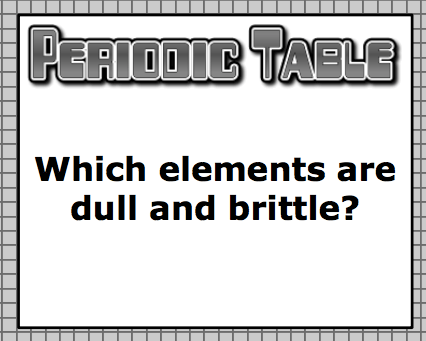
Metals
b)
Nonmetals
c)
Metalloids
14.
a)
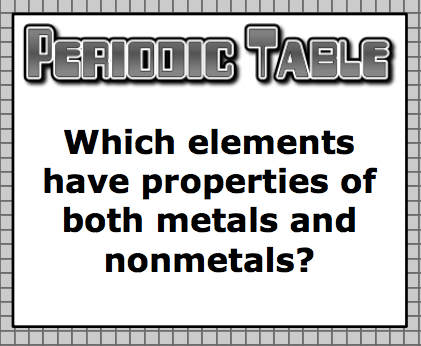
Metals
b)
Nonmetals
c)
Metalloids
15.
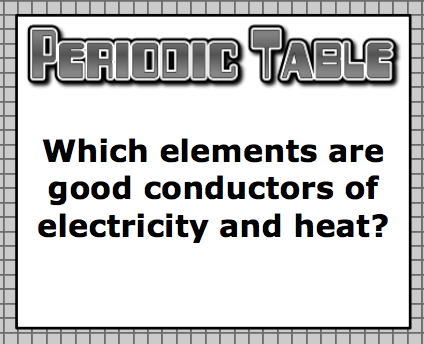
a)
Metals
b)
Nonmetals
c)
Metalloids
16.
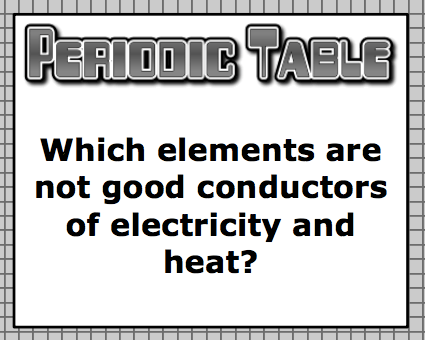
a)
Metals
b)
Nonmetals
c)
Metalloids
17.

How did Mendeleev arrange the elements?
a)
alphabetical
b)
density
c)
melting point
d)
atomic mass
18.
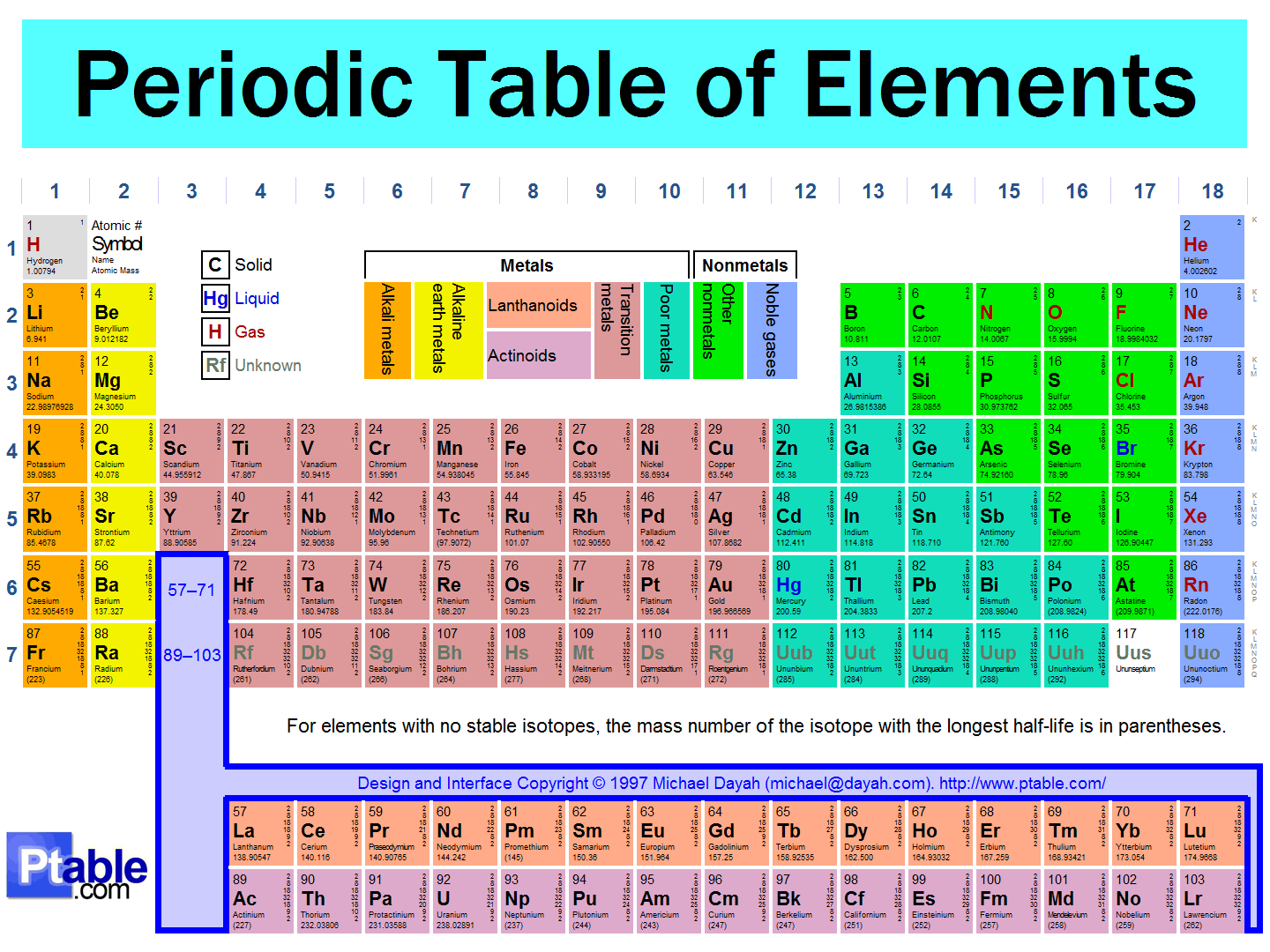
The horizontal row on the periodic table is called a
a)
group
b)
family
c)
period
d)
atomic number
19.

Dimitri found that there was a pattern of properties that repeated every ____ elements.
a)
2
b)
4
c)
5
d)
7
20.

A vertical column is called...
a)
group
b)
tower
c)
period
d)
crew
21.

Which of the following is the most metallic element in period 3?
a)
Boron (B)
b)
Sodium (Na)
c)
Argon (Ar)
d)
Silicon (Si)
22.

Which of these element is the least metallic?
a)
Potassium (K)
b)
Carbon (C)
c)
Sulfur (S)
d)
Neon (Ne)
23.
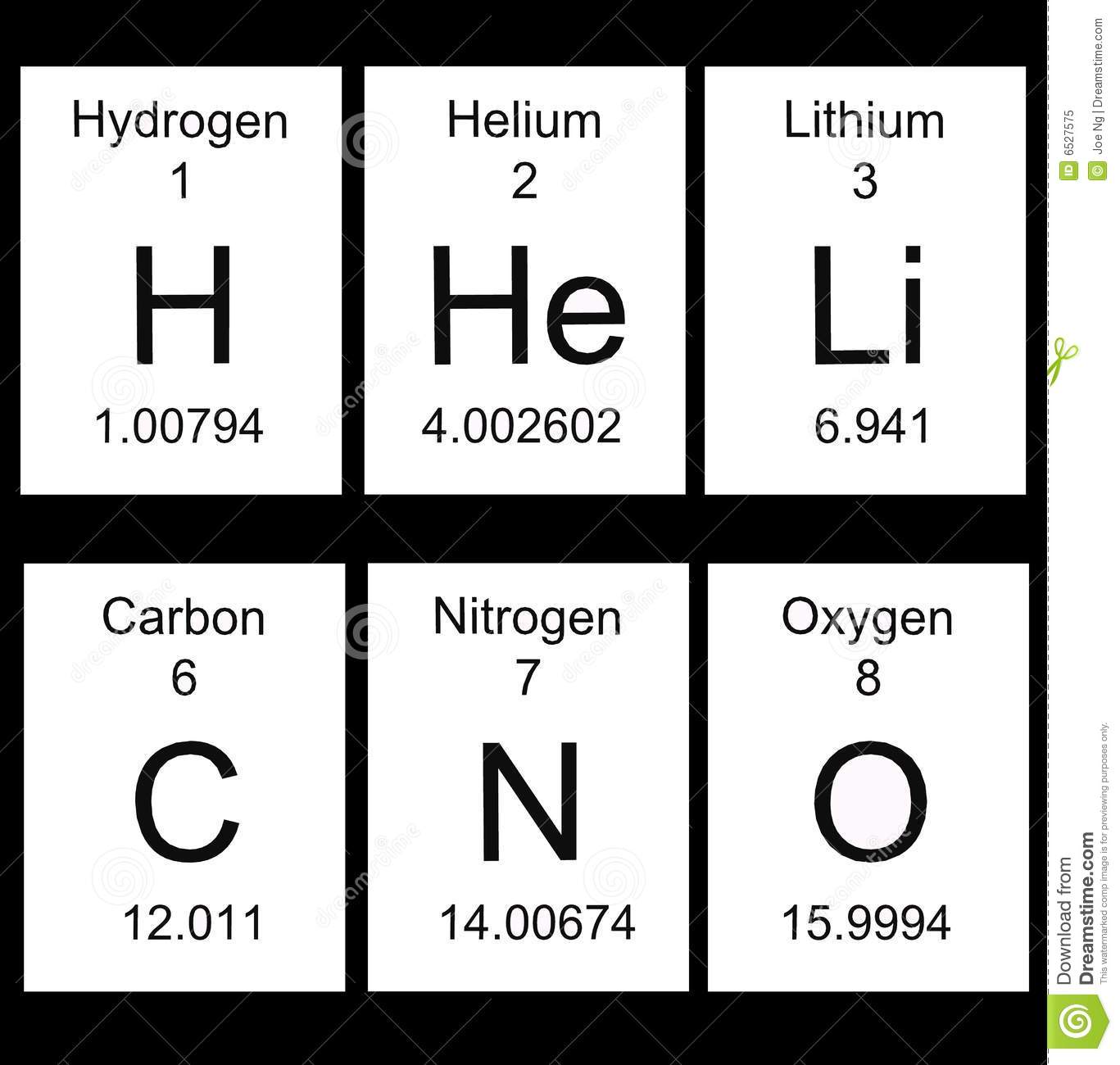
The number at the bottom of each square on the periodic table is the ...
a)
atomic number
b)
atomic mass
c)
chemical symbol
d)
element name
24.
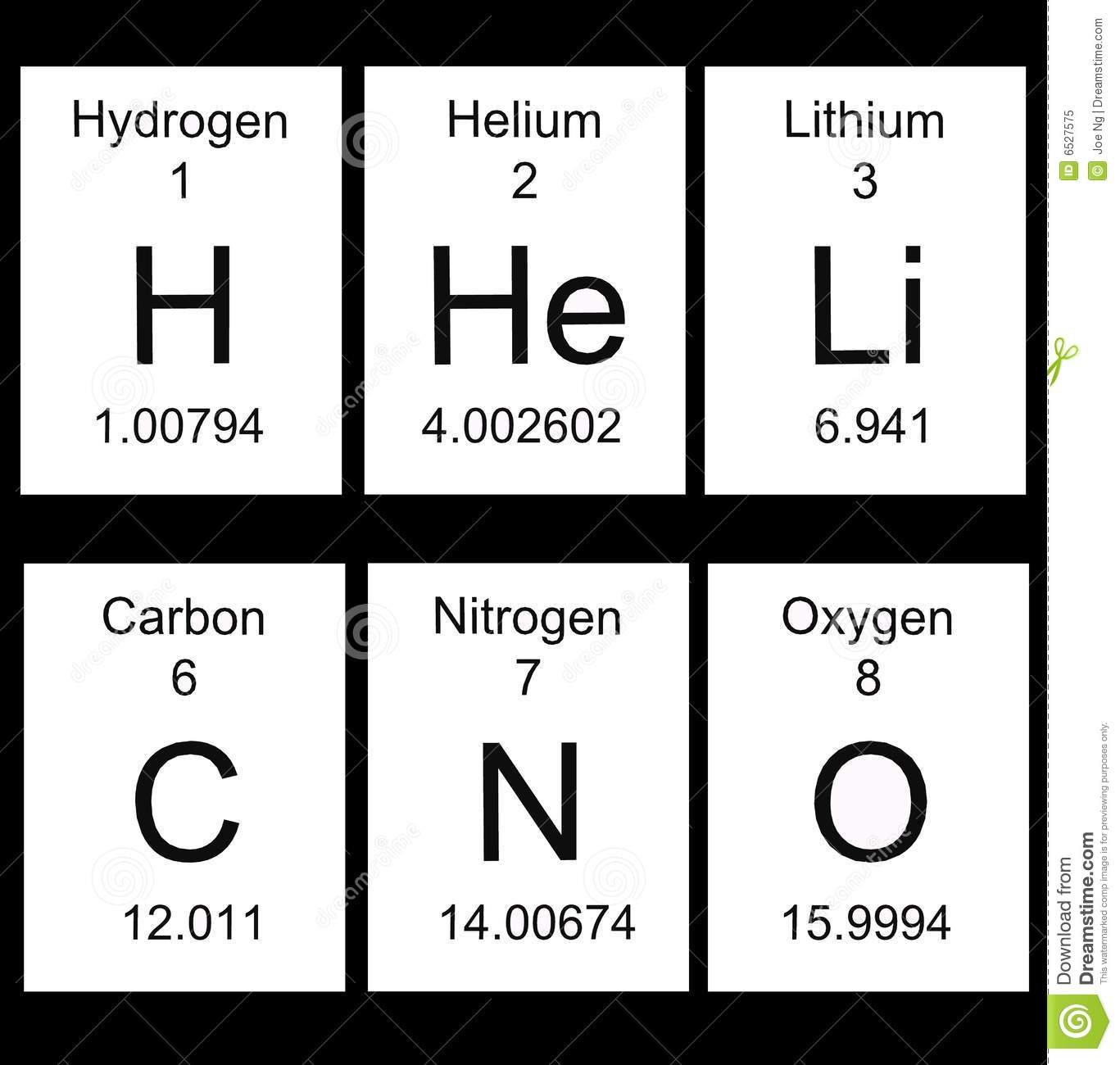
The number at the top of each square on the periodic table is the ...
a)
atomic number
b)
atomic mass
c)
Chemical Symbol
d)
Element Name
25.
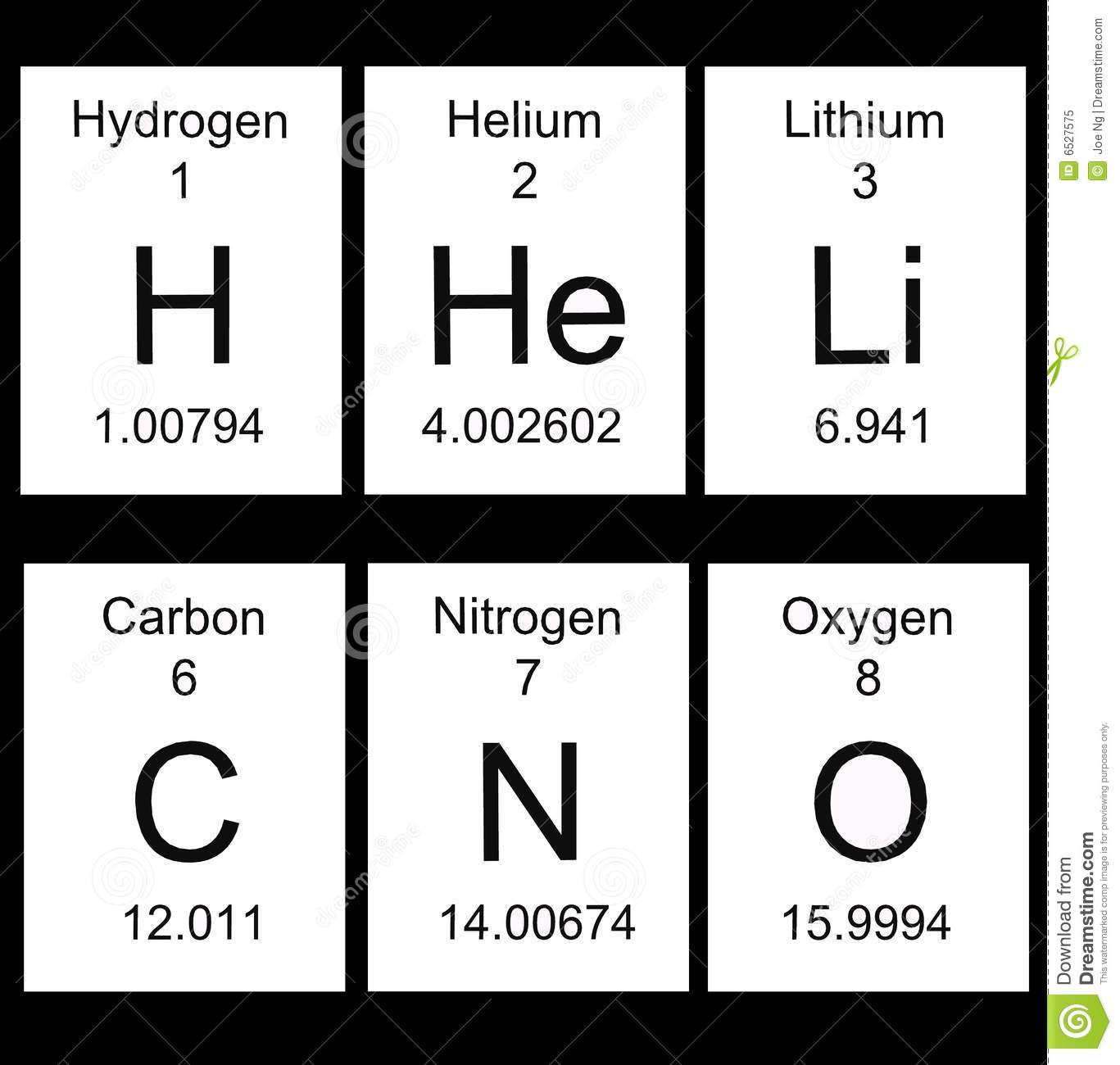
What is the chemical symbol for Lithium?
a)
H
b)
He
c)
Li
d)
N
26.

The months of the year are __________ because they repeat in the same order every 12 months.
a)
periodic
b)
group
c)
period
d)
halogens
27.

Pure forms of these elements are stored in oil so they won't react with oxygen and water in the air.
a)
Alkali Metals
b)
Alkaline-earth metals
c)
Halogens
d)
Noble Gases
28.
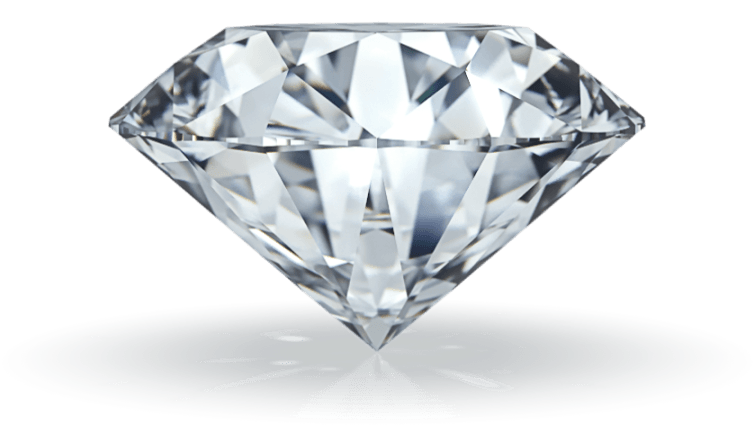
Diamonds are a pure form of what element?
a)
Carbon
b)
Oxygen
c)
Silicon
d)
Silver
29.

What group of elements don't have individual names?
a)
Alkaline-earth Metals
b)
Transition Metals
c)
Alkali Metals
d)
Halogens
30.

All of the actinides are ___________.
a)
stable
b)
radioactive
c)
shiny
d)
named after scientists
31.

Most of the elements on the periodic table are classified as _____.
a)
Metals
b)
Nonmetals
c)
Metalloids
d)
Periods
32.
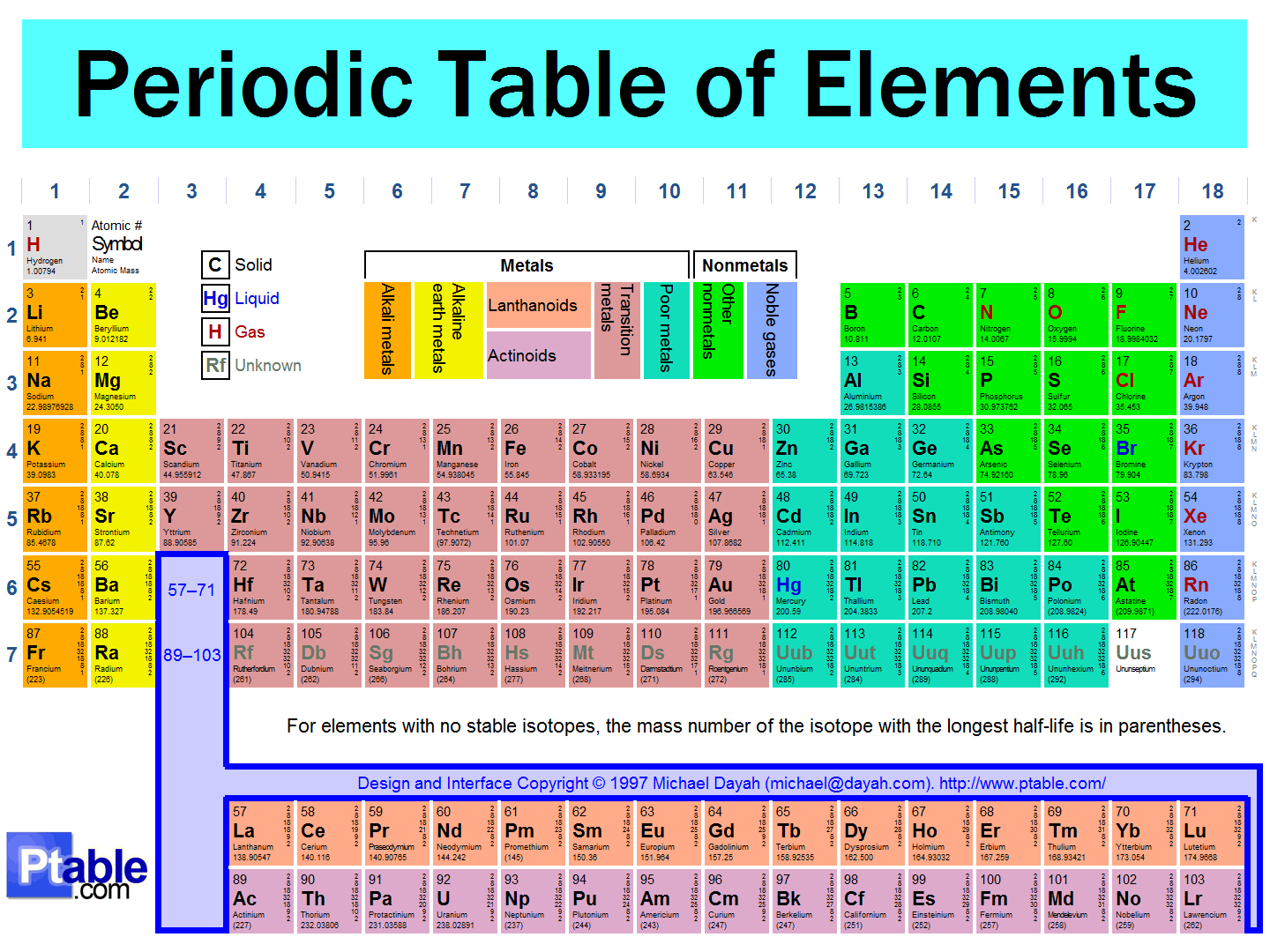
This class of elements are sometimes called "semiconductors."
a)
Metals
b)
Nonmetals
c)
Metalloids
d)
Groups
33.

Why do some elements have 3 letter chemical symbols?
a)
There are no elements with 3 letter symbols
b)
They are named after scientists
c)
They are named after places
d)
They have a temporary name until scientists agree on a new name.
34.
The atomic number tells you what?
a)
number of electrons
b)
number of protons
c)
number of neutrons
d)
both electrons and protons in an atom.
35.
Which group of the periodic table is composed of inert (not reactive) gases?
a)
alkali metals
b)
alkaline earth metals
c)
halogens
d)
noble gases
36.
Which is a halogen?
a)
Helium
b)
Chlorine
c)
Oxygen
d)
Neptune
37.
Which is an alkali metal?
a)
Magnesium
b)
Iron
c)
Sodium
d)
Europium
38.
Which is a halogen?
a)
Helium
b)
Chlorine
c)
Oxygen
d)
Neptune
39.
True or False: Elements in a group have the same number of electrons in their outer shell.
a)
true
b)
false
40.
The properties of an element can be predicted from...
a)
color
b)
location on Periodic Table
c)
educated guess
d)
atomic number
41.

In what section would Transition Metals be found?
a)
orange
b)
light blue
c)
blue
d)
white
42.

Which section are the metals in?
a)
dark blue
b)
light blue
c)
purple
d)
pink
43.

What section is the least reactive?
a)
yellow
b)
red
c)
dark blue
d)
orange
44.
What happens to the atomic number of elements as you move left to right, up to down on the Periodic Table?
a)
Increases
b)
Decreases
45.

The atomic number of this pictured element is
a)
28
b)
58.6934
c)
Ni
d)
Nickel
46.
A negatively charged particle that moves around the nucleus is a(n)
a)
proton
b)
neutron
c)
electron
d)
quark
47.
Which of the 4 major groups is the largest? (4.4)
a)
Metals
b)
Semimetals
c)
Nonmetals
d)
Inert/Noble Gases
48.

How many atoms TOTAL does the compound CO2 have?
a)
1
b)
2
c)
3
d)
4
49.

What is the element symbol for Carbon?
a)
Co
b)
C
c)
Ca
d)
Cu
50.
Which is an example of a Molecule and NOT a Compound?
a)
CO2
b)
N2
c)
H2O
d)
Fe2O3
51.
The smallest units of matter in the universe are
a)
Molecules
b)
Compounds
c)
Elements
d)
Atoms
52.
The periodic table is also arranged according to
a)
alphabetical order
b)
atoms with the same mass
c)
similar chemical properties
d)
chemical symbols that start with the same letter
53.
So therefore elements in group (column) one are
a)
stable
b)
nonreactive
c)
reactive
d)
gases
54.

Based on its location on the periodic table, potassium (K) is
a)
a gas
b)
stable
c)
nonreactive
d)
highly reactive
100 %

