
NEW
Font size
 Worksheets
Unit 2 Culture
Total questions: 36
Worksheet time: 18mins
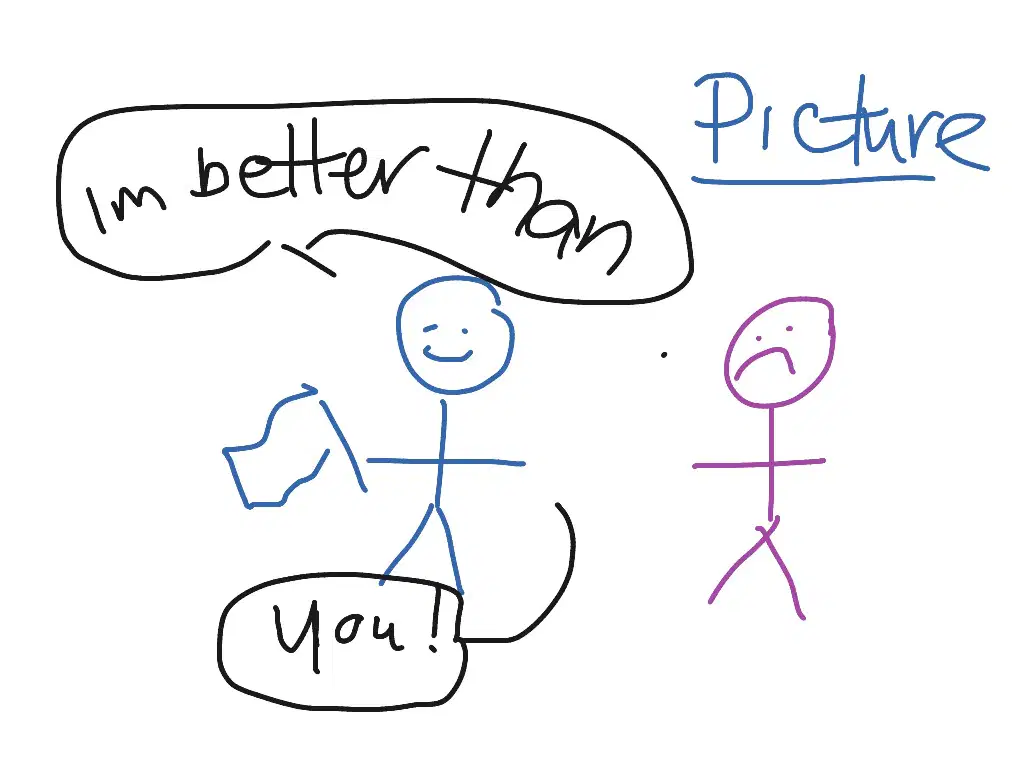
To use one's own culture to measure how "normal" others are; seeing other cultures as inferior.
Ethnocentrism
Taboo
Mores
Cultural Universal
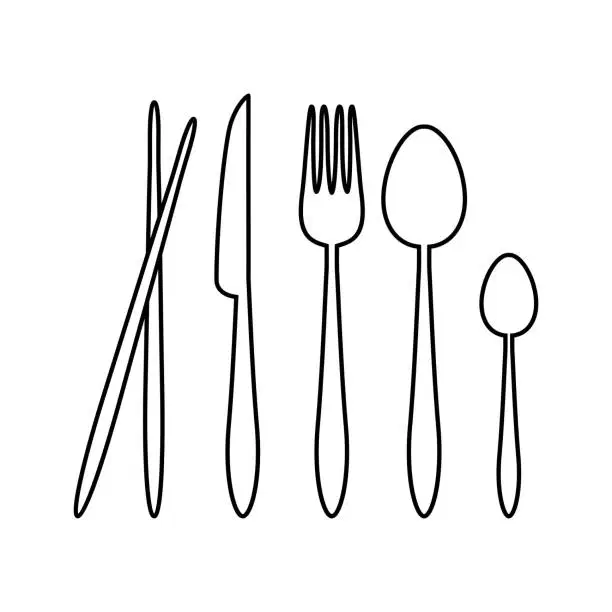
The use of a fork and knife versus the use of chopsticks is this cultural element.
sanction
more
folkway
taboo
These ways of reacting to/controlling other people's behavior can either be positive or negative, and can be either formal or informal.
sanctions
mores
folkways
taboos

These are a type of norm. They reflect a culture's ideas about right & wrong, good & bad, etc.
mores
norms
folkways
society

These are the physical objects created by human groups, and passed onto the next generation.

These are the behaviors that reflect the values expected of us by our society. They are what is "normal".
mores
folkways
norms
culture

These are a group's ways of thinking and doing things. They are abstract human creations.
material culture
nonmaterial culture
values
laws

Which is NOT one of the 14 American values, according to sociologists?
freedom
democracy
equality
honesty

Subcultures are groups with behaviors that distinguish their members from the larger culture; a world within a world
True
False


A norm against cursing aloud in church is this type:
folkway
more
law
value

The idea of freedom is a cultural ___________.
folkway
more
law
value
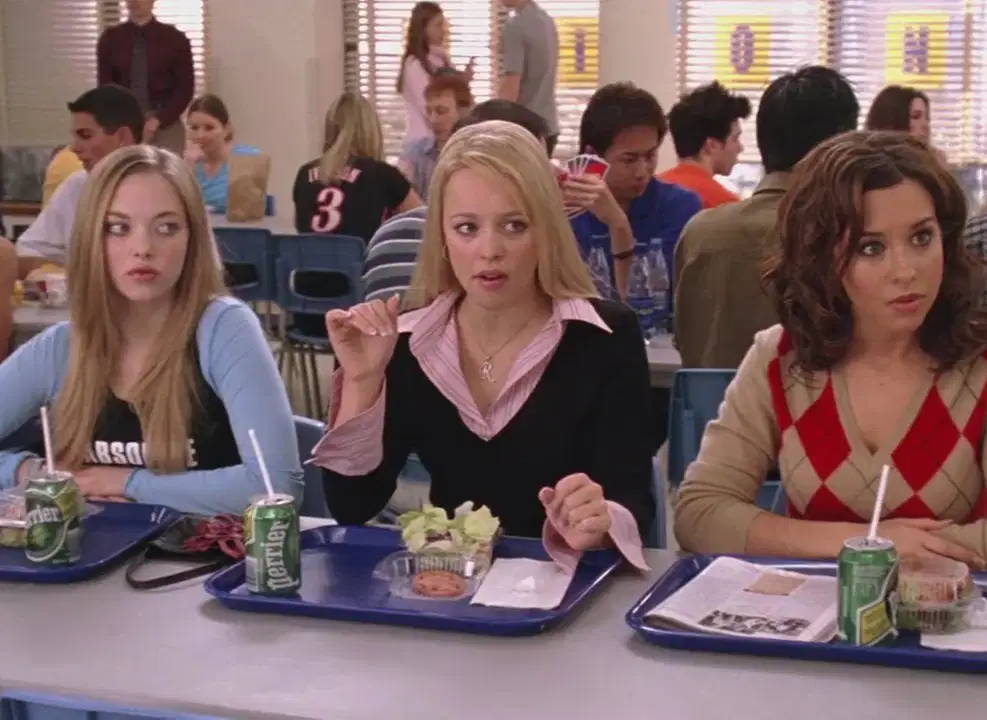
Popular kids and burnouts would both be examples of this within a high school culture.
Counterculture
Subculture
Real culture
Cultural diffusion

The hippies of the late 1960s would be an example of this within American culture.
Subculture
Counterculture
ideal culture
Culture shock

An attitude of cultural relativism is the belief that
cultures should be judged by their standards, not yours
the belief that all cultures are inferior
the belief that one's own culture is superior
cultures should not be judged by your standards, not theirs

What are the two types of norms?
Folkways and values
cultural traits and mores
folkways and mores
laws and mores

Which is stage of culture shock do you feel so happy as everything around you is new
honeymoon
acceptance
independence
reintegration

Which is stage of culture shock when you start to realize that the differences in culture don't bother you anymore.
honeymoon
acceptance
distress
reintegration


Cannibalism would be an example of this in American society.
Folkway
More
Ethnocentrism
Taboo


Who are the Nacirema?
aliens
an ancient tribe
polygamists
Americans

Which of the following is NOT an element of culture?
customs
language
values
population

Norms can be different in different societies:
True
False

People who share the same language and live in the same area can have a different culture:
True
False
Culture is a set concept, therefore, there is a set number of cultures in our world today:
True
False

There can be a culture without a society
True
False

Sociologists focus on the similarities and differences between cultures.
True
False

Sociologists examine cultures in an unbiased manner.
True
False

Subcultures do not pose a threat to the larger culture.
true
false


Many communities have "diverse" cultures. Diverse means?
different
same
happy
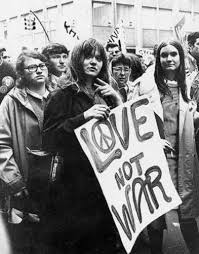
A subgroup that pushes back on the mainstream culture in an attempt to change how society functions is known as the:
Subgroup
Radical Culture
Counterculture
Marginalized

True or False:
Culture shock can be described as "surprise and confusion" of another culture's practice.
True
False
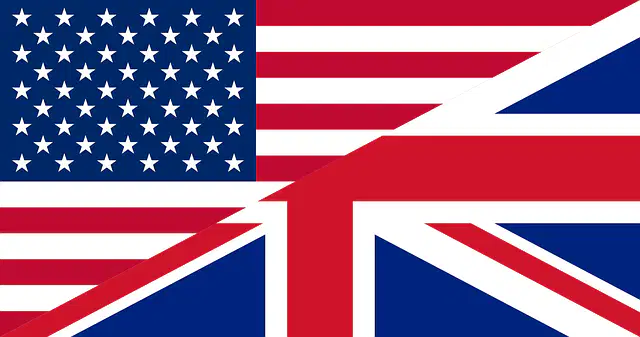
There are 24 of these in American English.
dialects
languages
regions
vocabularies

