
 Worksheets
Section 7 Polymers Natural and Synthetic Review
Total questions: 15
Worksheet time: 1hrs 25mins
Name
Class
Date
1.
Small molecules that make up larger molecules.
a)
monomer
b)
polymer
c)
synthetic
d)
plastic
2.
Type of polymers made in a laboratory
a)
monomer
b)
synthetic
c)
inorganic
d)
organic
3.

Large molecules made up of smaller molecules.
a)
monomer
b)
polymer
c)
hydrocarbon
d)
plastic
4.
Which is not an example of a natural polymer
a)
silk
b)
wool
c)
cotton
d)
plastic
5.
The process by which polymers and plastics are made
a)
polymerization
b)
vulcanization
c)
PVA
d)
PMMA
6.
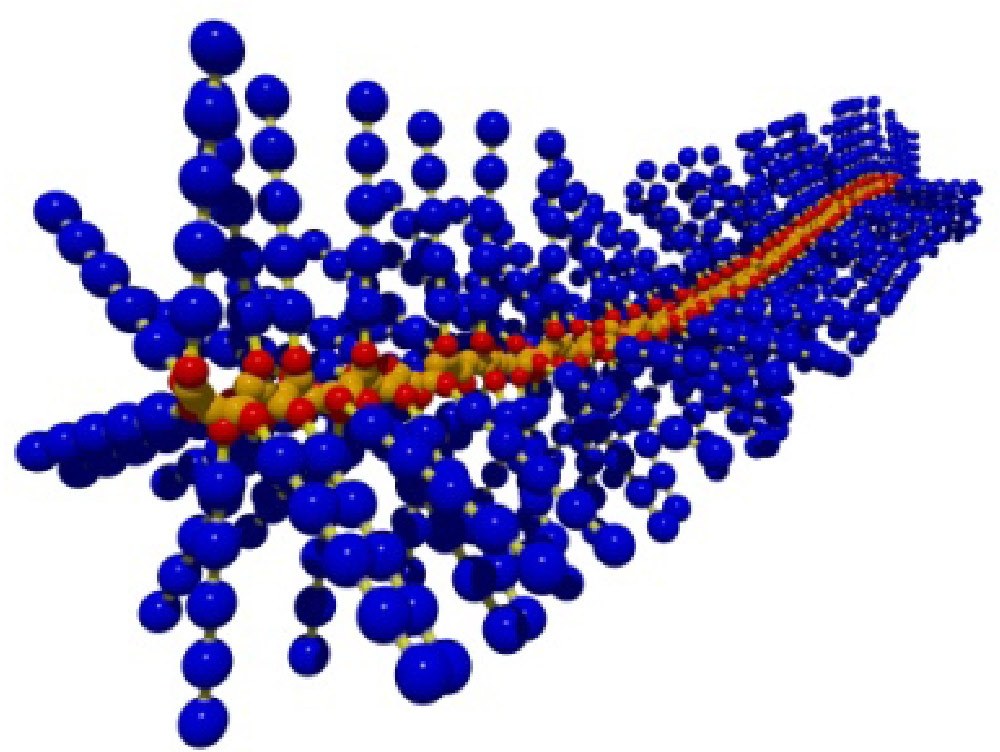
What is a polymer?
a)
a group of atoms
b)
a long chain molecule with identical group of atoms
c)
a long chain of molecules
d)
a long chain of different atoms
7.
What materials are used to make plastics?
a)
oil and gas
b)
oil and water
c)
trees and plants
d)
rocks
8.
All plastics are polymers.
a)
True
b)
False
9.

Slime was invented by accident in
a)
year 1943
b)
year 2000
10.
A polymer is a
a)
microorganisms that act like liquids and solids
b)
chains of organisms that link together in a curvy line
c)
chain of molecules strung together and can be a solid or liquid
d)
molecules found in nature in Death Valley
11.
What does 'brittle' mean?
a)
Soft
b)
Easily breakable
c)
Easily bendable
d)
Tough
12.
What does viscosity mean?
a)
How close the particles are together.
b)
The amount of matter in a substance.
c)
The thickness or thinness of a substance.
d)
A tool that measures air pressure.
13.
Which material would have the greatest viscosity at normal temperatures?
a)
Peanut Butter
b)
Jelly
c)
Milk
d)
Marshmallow Fluff
14.
Which fluid has the highest viscosity?
a)
milk
b)
water
c)
oil
d)
corn syrup
15.
Another word for plastic
a)
Polymer
b)
Synthetic
c)
Rubber
d)
Composite
100 %

