Wayground logo

Free Printable Worksheets

Font size

S
M
L
XL
Worksheets

The Body Systems - 7th Grade

Total questions: 55

Worksheet time: 41mins

Name
Class
Date
1.
Which system enables the body to move, moves food through the digestive system, and keeps the heart beating?
a)
skeletal 
b)
muscular
c)
digestive
d)
nervous
2.
Which system provides shape and support, enables you to move, protects your internal organs, and stores minerals?
a)
skeletal
b)
muscular
c)
digestive
d)
nervous
3.
Which system takes oxygen into the body and eliminates carbon dioxide?
a)
immune
b)
nervous
c)
respiratory
d)
circulatory
4.
Which system takes food into the body, breaks down food, and absorbs the digested materials?
a)
respiratory
b)
circulatory
c)
digestive
d)
excretory
5.
Which system is made of the smooth, skeletal, and cardiac muscles?
a)
skeletal
b)
muscular
c)
nervous
d)
excretory
6.
Which system detects information from the environment and directs the way your body responds to this information?
a)
excretory
b)
circulatory
c)
respiratory
d)
nervous
7.
Which system includes bones, cartilage, and ligaments?
a)
nervous
b)
muscular
c)
skeletal
d)
excretory
8.
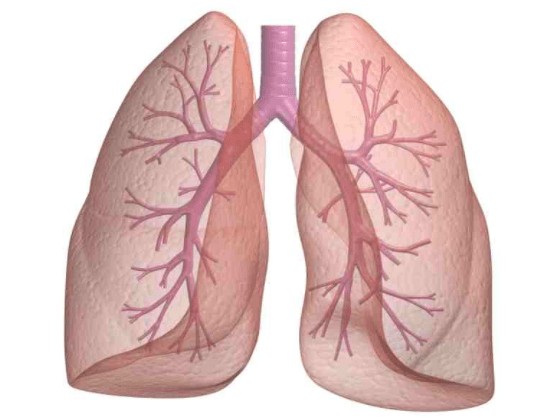
Which system includes the nose, trachea and the lungs?
a)
respiratory
b)
circulatory
c)
immune
d)
digestive
9.
Which system includes the mouth, esophagus, and the small and large intestines?
a)
nervous
b)
excretory
c)
respiratory
d)
digestive
10.

Which system fights disease?

a)

excretory

b)

nervous

c)

lymphatic (immune)

d)

digestive

11.

Which system collects and removes liquid wastes?

a)

Muscular

b)

Circulatory

c)

Digestive

d)

Excretory

12.
Which system carries needed materials to the body cells and carries wastes away from the body cells?
a)
Circulatory
b)
Digestive
c)
Nervous
d)
Excretory
13.

Which system includes the lymph, lymph nodes, and white blood cells?

a)

Excretory

b)

Digestive

c)

Lymphatic (Immune)

d)

Nervous

14.
Which system includes the kidneys, ureters, urinary bladder, urethra, lungs and skin?
a)
digestive
b)
excretory
c)
circulatory
d)
muscular
15.
Which system includes the heart and blood vessels?
a)
respiratory
b)
circulatory
c)
nervous 
d)
skeletal
16.
Which system includes the brain, spinal cord, eyes, ears, and skin?
a)
Muscular
b)
Nervous
c)
Respiratory
d)
Skeletal
17.

Which three body systems allow you to move?

a)

muscular, skeletal, digestive

b)

nervous, respiratory, digestive

c)

nervous, muscular, skeletal

d)

Muscular, skeletal, circulatory

18.
Which two body systems deliver oxygen to your cells and take away carbon dioxide?
a)
respiratory and nervous
b)
circulatory and nervous
c)
circulatory and excretory
d)
Respiratory and circulatory
19.
Which two body systems work together to break down food and get rid of wastes?
a)
digestive and excretory
b)
digestive and circulatory
c)
excretory and respiratory
d)
nervous and digestive
20.

What body system produces blood cells for the body?

a)

Nervous System

b)

Digestive System

c)

Respiratory System

d)

Skeletal System

21.

What is the body system that sends and receives electrical signals from the brain?

a)

Skeletal System

b)

Nervous System

c)

Muscular System

d)

Digestive System

22.
What system controls voluntary and involuntary life functions?
a)
Nervous System
b)
Skeletal System
c)
Digestive System
d)
Respiratory System
23.
The blood vessels that carry blood away from the heart are called what?
a)
Veins
b)
Stomach
c)
Arteries 
d)
Lungs
24.
1. Which system are the lungs in?
a)
respiratory
b)
digestive
c)
excretory
d)
muscular
25.
 Which system is the stomach in?
a)
respiratory
b)
digestive
c)
nervous
d)
excretory
26.
 Which system is the esophagus in?
a)
digestive
b)
urinary
c)
integumentary
d)
skeletal
27.
Which organ is part of the respiratory system?
a)
tongue
b)
stomach
c)
esophagus
d)
lungs
28.
 What is the main function of the respiratory system?
a)
take in oxygen and exhale waste like carbon dioxide
b)
move nutrients throughout the body
c)
take in carbon dioxide and exhale oxygen
29.

Where does digestion start?

a)

stomach

b)

mouth

c)

esophagus

d)

nose

30.
 What is the main job of the digestive system? 
a)
break down foods into nutrients that can be used by the body
b)
take in oxygen and exhale waste like carbon dioxide
c)
pump blood throughout the body
d)
makes the body hungry
31.
Your large and small intestines are part of this body system.
a)
nervous
b)
digestive
c)
muscular
d)
skeletal
32.
Your body systems work separately and do not effect each other.
a)
true
b)
false
33.
 Organs are body parts that have specific jobs.  Your body systems are made up of organs.
a)
True
b)
False
34.

What body system includes the kidneys and bladder?

a)

circulatory system

b)

endocrine system

c)

digestive system

d)

urinary system

35.
Your skin and hair are parts of your ___________
a)
endocrine system
b)
excretory system
c)
immune system
d)
integumentary system
36.

The system that controls your body's growth and hormones is the __________

a)

immune system

b)

excretory system

c)

endocrine system

d)

integumentary system

37.

The brain and spinal cord belong to what system?

a)

Immune System

b)

Circulatory System

c)

Nervous System

d)

Endocrine System

38.
How does the muscular system depend on the nervous system?
a)
The nervous system transports blood to the muscles.
b)
The nervous system provides support for the muscles.
c)
The nervous system supplies food and oxygen to the muscles.
d)
The nervous system sends signals to the muscles to cause movement.
39.
The Immune system does which of the following?
a)
Fights disease by recognizing and attacking antigens such as bacteria and viruses by producing antibodies
b)
Transports needed materials such as oxygen and nutrients to cells and carries away wastes such as carbon dioxide
c)
Internal and external body movements and flexibility
d)
Receives and sends messages to all parts of the body
40.

Which of the following diseases affect the immune system?

a)

Psoriasis

b)

Celiac disease

c)

Lymphedema

d)

Addison's disease

41.

Which of the following diseases affect the integumentary system?

a)

Psoriasis

b)

Celiac disease

c)

Lymphedema

d)

Addison's disease

42.

Which of the following diseases affect the endocrine system?

a)

Psoriasis

b)

Celiac disease

c)

Lymphedema

d)

Addison's disease

43.

Which of the following diseases affect the digestive system?

a)

Psoriasis

b)

Celiac disease

c)

Lymphedema

d)

Addison's disease

44.

Which of the following diseases affect the skeletal system?

a)

Osteoporosis

b)

Muscular dystrophy

c)

Asthma

d)

Kidney stones

45.

Which of the following diseases affect the muscular system?

a)

Osteoporosis

b)

Muscular dystrophy

c)

Asthma

d)

Kidney stones

46.

Which of the following diseases affect the excretory system?

a)

Osteoporosis

b)

Muscular dystrophy

c)

Asthma

d)

Kidney stones

47.

Which of the following diseases affect the respiratory system?

a)

Osteoporosis

b)

Muscular dystrophy

c)

Asthma

d)

Kidney stones

48.

Which of the following diseases affect the nervous system?

a)

Infertility

b)

Alzheimer's

c)

Asthma

d)

Heart attack

49.

Which of the following diseases affect the circulatory system?

a)

Infertility

b)

Alzheimer's

c)

Asthma

d)

Heart attack

50.

What is the proper treatment for Celiac Disease

a)

Eat more gluten

b)

Eat less gluten

c)

Eat no gluten

d)

There is no treatment for Celiac Disease

51.
Osteoporosis is:
a)
thinning and weakening of bones
b)
wear and tear on a joint
c)
a severe sprain in a joint
d)
soreness surrounding a joint
52.

Non infectious disease with slivery scales is called

a)

Psoriasis

b)

Celiac Disease

c)

Addison's Disease

d)

Osteoporosis

53.

Darkening of skin, low BP, low blood sugar, weight loss are signs of what disease?

a)

Addison's Disease

b)

Lymphedema

c)

Celiac Disease

d)

Alzheimer's

54.

A condition of localized fluid retention and tissue swelling caused by a compromised immune system, which normally returns interstitial fluid to the bloodstream.

a)

lymphadenitis

b)

Addison's Disease

c)

Psoriasis

d)

lymphedema

55.

What is Alzheimer's Disease?

a)

A condition in which bones become weak and brittle

b)

Progressive mental deterioration due to generalized degeneration of the brain

c)

A disorder of the central nervous system that affects movement

d)

Inflammation of the lining of bronchial tubes, which carry air to and from the lungs