wayground logo

Free Printable Worksheets

NEW

Font size

S
M
L
XL
Worksheets

MATTER QUIZ - matter, changes of state, properties

Total questions: 39

Worksheet time: 30mins

Name
Class
Date
1.

_____________________ is the amount of space something takes up.

a)

density

b)

volume

c)

mass

d)

matter

2.
A watermelon has more matter than a grape, so it has more
a)
mass
b)
eat
c)
solid
d)
greater
3.

__________ have a shape and volume that do not change.

a)

Liquids

b)

Solids

c)

Gases

4.

______________ can change both shape and volume.

a)

Liquids

b)

Solids

c)

Gases

5.

_______________ is anything that has mass and takes up space.

a)

Energy

b)

Matter

c)

Volume

d)

Gravity

6.

Texture, color, states of matter, and flexibility are examples of

a)

Chemical Properties

b)

Physical Properties

c)

States of Mass

7.
Which of the following is an example of a chemical property?
a)
melting
b)
bending a paper clip
c)
rusting
d)
boiling water
8.
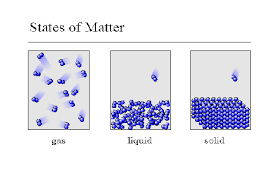
In which state of matter are the particles closest together?
a)
Solid
b)
Liquid
c)
Gas
9.
In which state of matter are the particles farthest apart?
a)
Solid
b)
Liquid
c)
Gas
10.
In which state of matter are the particles close together but are able to slide past one another?
a)
Solid
b)
Liquid
c)
Gas
11.
In which state does matter completely fill its closed container?
a)
Gas
b)
Liquid
c)
Solid
d)
Ice
12.

Which states of matter have volume that does not change?

a)
solid and gas
b)
solid and liquid
c)
gas and liquid
d)
solid, liquid, and gas
13.
Which state of matter has particles arranged like this?
a)
solid
b)
liquid
c)
gas
14.

Which state of matter has particles arranged like this?

a)

solid

b)

liquid

c)

gas

15.
Which state of matter has particles arranged like this?
a)
solid
b)
liquid
c)
gas
16.
Changing the way matter looks without changing it into NEW matter is a:
a)
Chemical change
b)
Physical change
c)
Energy change
d)
BOTH a chemical and a physical change
17.

Smashing a piece of candy into smaller pieces is an example of a:

a)

Physical change

b)

Chemical change

18.
Freezing Juice?
a)
Physical Change
b)
Chemical Change
19.
Exploding Fireworks?
a)
Physical Change 
b)
Chemical Change 
20.
Melting a chocolate bar?
a)
Physical Change
b)
Chemical Change 
21.
Cutting your hair?
a)
Physical Change
b)
Chemical Change
22.
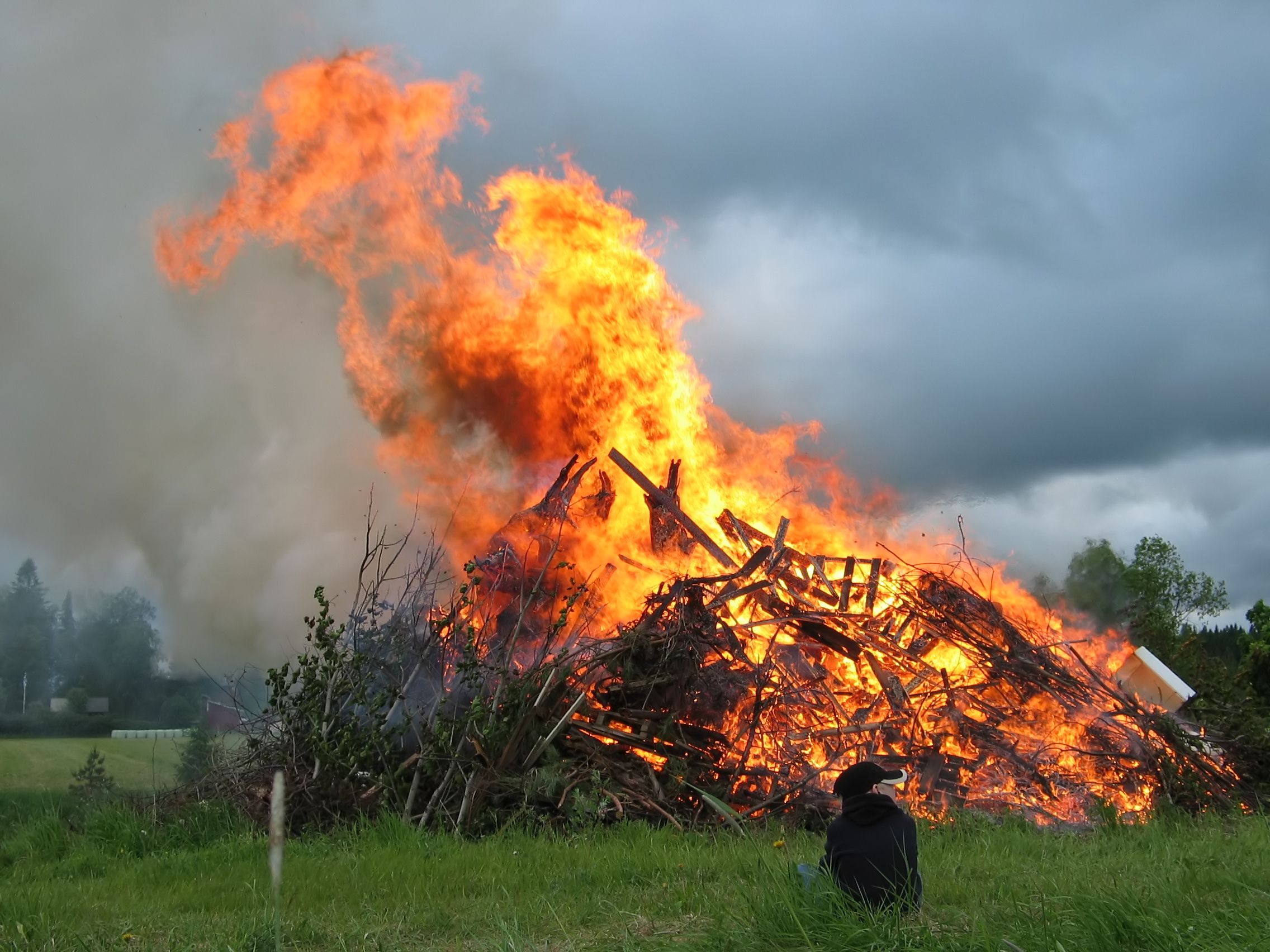
A group of students investigated physical and chemical changes using paper.  The students recorded their observations in a table.
Which student correctly recorded all the changes that took place?
a)
Student 1
b)
Student 2
c)
Student 3
d)
Student 4
23.
Is wood burning a physical or chemical change?
a)
Physical 
b)
Chemical
24.
Is Gatorade powder dissolving in water physical or chemical change?
a)
Physical 
b)
Chemical
25.

______________ can change shape but not volume.

a)

Liquids

b)

Solids

c)

Gases

26.

As particles are heated they will

a)

move more slowly and contract

b)

move more quickly and expand

27.
Energy(heat) is added in order to go from ...
a)

solid to liquid

b)
liquid to solid
c)
gas to liquid
d)
gas to solid
28.
Energy(heat) is removed in order to go from ....
a)

gas to liquid

b)
solid to liquid
c)
solid to gas
d)
liquid to gas
29.
At higher temperatures
a)
particles in an object have less energy
b)
particles in an object move faster
c)
a gas contracts
30.
Which form of matter does not take the shape of its container?
a)
liquid
b)
gas
c)
solid
d)
air
31.

The slower the particles in a substance move,

a)

the colder it is.

b)

the warmer it is.

c)

the more energy it has.

32.
When the temperature of matter increases the particles...
a)
speed up and move closer
b)
speed up and move farther apart
c)
slow down and move closer together
d)
slow down and move farther apart
33.

What is the phase change of a solid to a liquid?

a)

freezing

b)

melting

c)

boiling

d)

condensation

34.
7. All phase changes (changing states) requires energy to be added or taken away.
a)
True
b)
False
35.

Change from Liquid to Solid is called ...

a)

fusion

b)

Freezing

c)

sublimation

d)

evaporation

36.
Change from gas to liquid...
a)
condensation
b)
evaporation
c)
expansion
d)
movement
37.
Are there molecules moving in a solid brick?
a)
yes
b)
no
c)
maybe
d)
not sure
38.

As particles are cooled they will

a)

move more slowly and contract

b)

move more quickly and expand

39.

The change from a liquid to a gas by heating

a)
condensation
b)
evaporation
c)
sublimation
d)
deposition