
 Worksheets
Semester 1 Exam Review
Total questions: 200
Worksheet time: 3hrs 32mins


Each line represents how many mL?
0.1
0.2
1.0
2.0
The amount of matter in an object is known as
mass
volume
weight
density
Marble A is put in 25cm3 of water and the water level rises to 28cm3. Marble B is put in 23cm3 of oil and the oil level rises to 26cm3. Can you compare the volume of A and B?
Marble A has a volume less than marble B
Marble A has a volume greater than marble B
Marble A has a volume equal to marble B
Their volumes cannot be compared because different liquids were used.
In 1.1 Heating Baking Soda which of the following were observed/learned?
A gas collects in the inverted bottle
Droplets of a clear liquid collect at the top of the test tube
The gas and the liquid came from the baking soda
All of the above are true

If an object's edge was on A how would you report the length of the object?
2.17cm
2.18cm
2.19cm
Either A or B

If and object's edge was on C how would you report the length of the object?
3.01cm
3.02cm
3.10cm
3.12cm

If the edge of an object was on B how would you report the object's length?
2.6cm
2.60cm
2,600cm
2,6000cm

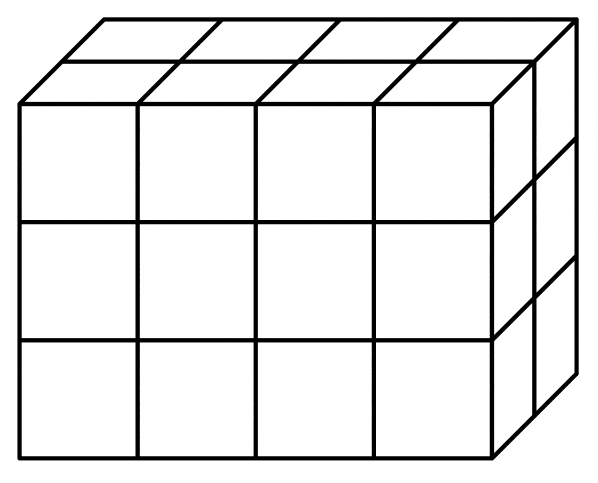
If each of the cubes in the figure is equal to 1cm3 then what is the volume of the figure?
20cm3
28cm3
40cm3
It cannot be determined
100 marbles were put into a graduated cylinder and found to come to the 100cm3 mark. When added to 50cm3 of water the total volume was 130cm3. What is the volume of the marbles alone?
30cm3
50cm3
80cm3
100cm3
100 marbles were put into a graduated cylinder and found to come to the 100cm3 mark. When added to 50cm3 of water the total volume was 130cm3. What is the volume of air in the dry marbles?
20cm3
30cm3
50cm3
80cm3
What is required for a closed system?
Some type of lid
A closed sign
A door
A Window
What does the Law of Conservation of Mass state?
Mass stays the same in a closed system
Mass always stays the same
On the Moon mass is less
Mass changes during chemical reactions
The law of gravity is an example of
a law of society
a law of nature
Which is a better measure of matter?
Volume
Mass
If a measurement is on the boundary in a histogram you should
ignore the data
place it in the interval to the left
place it in the interval to the right
place it in any interval
How can you be certain that mass stays the same when a chemical change occurs?
when there is no change in volume
when solids are used
when a liquid forms
the chemical change occurs in a closed container
Where would an increase in mass be found on a histogram
on the negative side
on the positive side
anywhere on the histogram
there is not enough information to tell
When ice melts in a closed container, what can you say about its mass and volume?
the mass will stay the same and the volume will increase
the mass will stay the same and the volume will decrease
the mass will increase and so will the volume
the mass will decrease and so will the volume
Which of these statements are a law of nature?
A kilometer equals 0.61 miles
Kidney beans can be used as money
Volume can be measured by multiplying the length times the width times the height
An object in motion will stay in motion unless acted upon by an outside force
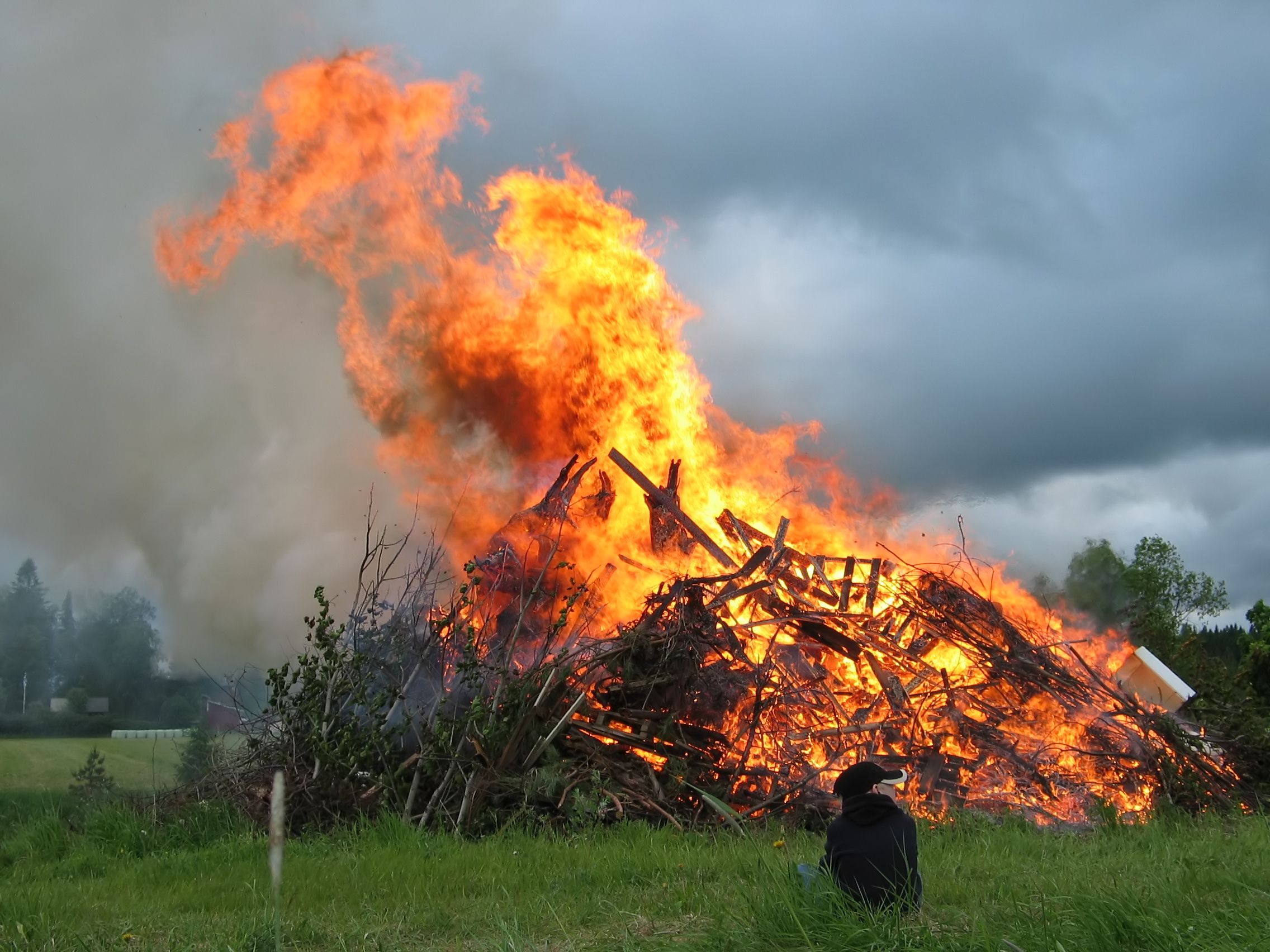

Which of the following is not a clue that a chemical reaction has taken place?
Changing size
Changing color
A gas being formed
Formation of a precipitate
The Law of Conservation of Mass States
Energy cannot be created nor destroyed, it can only change form.
Mass cannot be created nor destroyed, it can only change form.
Matter cannot be created nor destroyed, it can only change form.
Mass can be created or destroyed, it cannot change form.
A group of students did the Mass of a Dissolved Salt. The mass before dissolving was 20.5g. They were interrupted and left the lid off of the container after adding the salt to the water. The mass after mixing was 18.3g. What can be concluded?
Mass decreases when salt dissolves in water
Some water evaporated from the container
Some water condensed on the container
The results can't be explained
20cm3 of liquid A having a mass of 20g was mixed with 30cm3 of liquid B having a mass of 15g. What is the mass and volume of the mixture?
The mass is 35g and the volume is less than 50cm3
The mass is less than 35g and the volume is 50cm3
The mass is more that 35g and the volume is 50cm3
The mass is 35g and the volume can't be determined without knowing the properties of the liquids
An ice cube that is 3cm3 on an edge is melted. The ice cube has a mass of 5g. After it melts what can be said about its mass and volume?
The volume will be less (<3cm3) and the mass will stay the same (5g)
The volume will be more (>3cm3) and the mass will be less (<5g)
The volume and the mass will be the same
It cannot be determined
In the mass of a gas lab several lab groups all measure the same amount of gas produced from the reaction. One group measures the mass of the gas to be twice as much as the others. What is the best explanation for their larger mass?
they did something wrong
they had a larger Alka-seltzer tablet so more gas was produced
they had a smaller Alka-seltzer tablet so less gas was produced
they left the lid off

What happens to the mass and volume of the gas in the container when the piston is raised?
The mass and volume decrease
The mass stays the same and the volume increases
The mass and the volume stay the same
The mass stays the same and the volume decrease
A group of students did the mass of ice and water lab. Their mass before the ice melted was 24.5g and the mass after the ice melted was 25.6g. What is the best explanation for these results?
some water evaporated from the container
some moisture condensed on the outside of the container
mass increases when ice melts
the results can't be explained
Density is a characteristic property. Volume is not. Why?
Characteristic properties are not measurable.
Characteristic properties are affected by gravity.
Characteristic properties do not depend on sample size.
Which of the following is a characteristic property?
Melting Point
Mass
Volume
Shape
Which of the following is a characteristic property?
Texture
Boiling Point
Volume
Taste
True or False: Mass is a characteristic property.
True
False
Something special about characteristic properties it that they...
can be different for the same pure substance.
are always the same for each pure substance.
all are measured by numbers.
are not measured by numbers.
If two substances have the same mass...
we need more information to determine if they are the same substance.
they are the same substance.
they are not the same substance.
If two substances have different volumes...
they are the same substance.
they are not the same substance.
volume is a non characteristic property, it can't be used to determine if substances are the same.
5.00000008
The density of a substance is 1.8 x10⁻³g/cm3. The substance is most likely a...
solid only
liquid only
gas only
a solid or a liquid
A substance has a density of 1.2 g/cm3. The substance is most likely a..
solid only
liquid only
gas only
solid or a liquid
A substance has a density of 8.9g/cm3. The substance is most likely a...
solid only
liquid only
gas only
solid or liquid
If a lab group does the density of a gas lab and finds the density of the gas to be 1.8 x 10⁻³g/cm3, what would the density of the gas be if the next lab group measured twice the amount of gas?
1.8 x10⁻³ g/cm-3
3.6 x 10⁻³ g/cm-3
it can not be determined


Which parts of the graph show water going through a phase change?
Between A & B, Between C & D, and Between D & E
Between B & C and Between D & E
Just between B & C
Just between C & D
Which parts of the graph show the substance in just one state of matter (NOT going through a phase change)?
Between A & B, Between C & D, and Between D & E
Between B & C and Between D & E
Just between B & C
Just between C & D
Between what two letters is the substance completely solid?
Between D & E
Between E & F
Between A & B
Between B & C
Between C & D
Between what two letters is the substance melting?
Between D & E
Between E & F
Between A & B
Between B & C
Between C & D
Between what two letters is the substance completely liquid?
Between D & E
Between E & F
Between A & B
Between B & C
Between C & D
Between what two letters is the substance boiling/vaporizing?
Between E & F
Between D & E
Between A & B
Between B & C
Between C & D
Between what two letters is the substance completely a gas?
Between E & F
Between D & E
Between A & B
Between B & C
Between C & D
Where on the graph is the substance increasing in temperature?
Between A & B, Between C & D, and Between D & E
Between B & C and Between D & E
Just between B & C
Just between C & D
Why doesn't the temperature increase when a substance is going through a phase change?
Actually, It does
Because phase changes are endothermic
The heat is turned off at these points
All of the energy is used to break bonds when heat is being added and when heat is being removed, the bonds are reforming


When 20 grams of potassium chlorate, KClO3 at 80 ºC, the solution can be correctly described as:
supersaturated
saturated
unsaturated

When 20 grams of KNO3 is dissolved at 80 ºC, the solution can be correctly described as:
supersaturated
saturated
unsaturated

When 50 grams of KCl is dissolved at 50 ºC, the solution can be correctly described as:
supersaturated
unsaturated
saturated


Why is Darla stirring the iced tea?
How can Rey make the soup cubes dissolve more quickly in the water?
Identify the solvent
Identify the solute




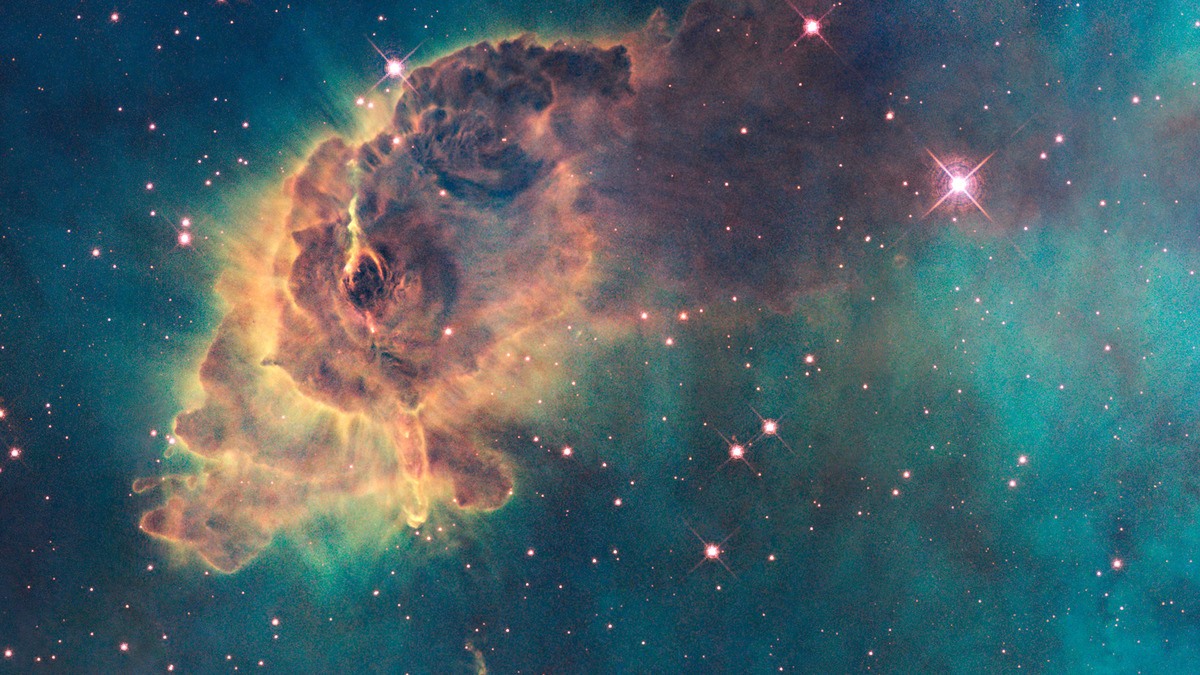

Constellations are stars that appear to be in a pattern.

Our solar system sits inside the...
Andromeda Galaxy
Milky Way Galaxy
MR-1043B Galaxy
Hamburger Galaxy
The energy enriched nebula begins to contract further due to gravity. Then what?
The center of the nebula begins to get hot and dense.
Shock waves hit the nebula causing it to collapse.
The nebula begins to spin and flatten.
The nebula begins to spin and flatten. Then what?
The center of the nebula begins to get hot and dense.
Gravity causes light gases to move to the center while heavier materials and ice stay in outer areas.
A protostar forms in the center of the nebula.
Gravity causes light gases to move to the center while heavier materials and ice stay in outer areas. Then what?
The center of the nebula begins to get hot and dense.
A protostar forms in the center of the nebula.
The nebula begins to spin and flatten.
The center of the nebula begins to get hot and dense. Then what?
The nebula begins to spin and flatten.
The SUN is born, fusion begins in the core.
A protostar forms in the center of the nebula.
A protostar forms in the center of the nebula. Then what?
Shock waves hit the nebula causing it to collapse.
The center of the nebula begins to get hot and dense.
The SUN is born, fusion begins in the core.
The SUN is born, fusion begins in the core. Then what?
Planetesimals (small rock or icy bodies) begin to form. Rocky pieces in the outer rings and icy pieces in the inner rings.
A protostar forms in the center of the nebula.
About 4.5 billion years ago pieces of rock and ice accumulate more material until they grow into planets and moons.
Planetesimals (small rock or icy bodies) begin to form. Rocky pieces in the outer rings and icy pieces in the inner rings. Then what?
About 4.6 billion years ago, a cloud of stellar dust or nebula exists within the Milky Way.
About 4.5 billion years ago pieces of rock and ice accumulate more material until they grow into planets and moons.
The SUN is born, fusion begins in the core.
What is the FIRST event in the formation of the solar system?
About 4.5 billion years ago pieces of rock and ice accumulate more material until they grow into planets and moons.
About 4.6 billion years ago, a cloud of stellar dust or nebula exists within the Milky Way.
None of the above.

