Wayground logo

Free Printable Worksheets

Font size

S
M
L
XL
Worksheets

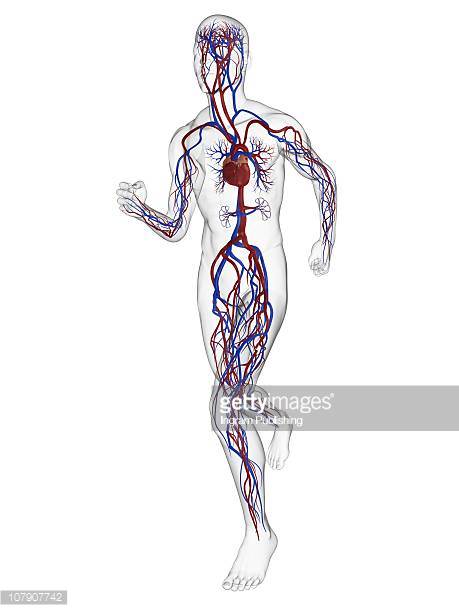
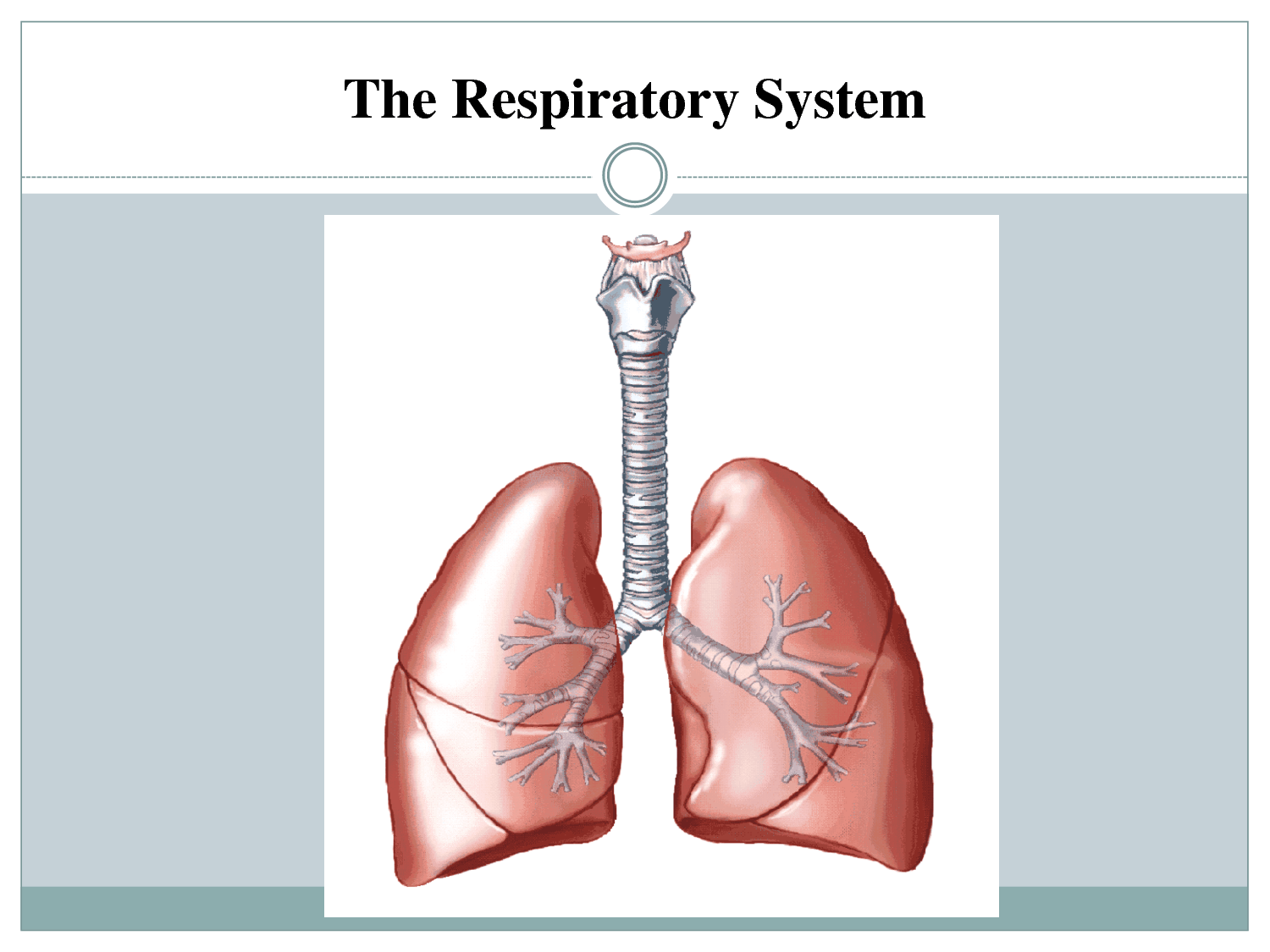
Circulatory + Respiratory Systems of the body

Total questions: 41

Worksheet time: 24mins

Name
Class
Date
1.
The heart has ___ chambers.
a)
1
b)
2
c)
3
d)
4
2.
True or False: There are four chambers in the heart.
a)
True
b)
False
3.
The aorta is the largest artery in the body. The blood leaving the aorta is full of?
a)
Oxygen 
b)
Carbon Dioxide 
c)
White blood Cells 
d)
Potassium 
4.
What does Deoxygenated mean?
a)
Oxygen-rich
b)
Blood flow
c)
Oxygen-poor
d)
Water Flow
5.
Carry blood away from heart; mostly oxygen-rich
a)
Arteries
b)
Veins
c)
Capillaries
6.
What function does the heart do?
a)
Protects organs and produces red blood cells.
b)
Generates heat.
c)
Breaks down food into nutrients.
d)
The heart is a pump, which moves the blood. The arteries and veins are the pipes where the blood flows.
7.
Which is the correct definition of the Circulatory system?
a)
The system fights disease so the body stays healthy.
b)
The system that circulates blood and oxygen through the body, consisting of the heart,blood vessels,and blood.
c)
Breaks down food into smaller pieces and absorbs those nutrients into the body.
d)
Provides shape and structure for the body.
8.
What is the main function of the artery?
a)
It controls your brain and your thought process.
b)
They carry oxygen- poor blood BACK to the heart.
c)
Arteries carry oxygen- rich blood AWAY from the heart.
d)
It receives information (senses) and sends messages to the body about how to react to things.
9.
Which is NOT a function of the circulatory system?
a)
deliver O2 and nutrients to cells
b)
remove CO2 and wastes from cells
c)
break down carbohydrates into glucose
d)
transport other materials through body
10.
arteries, veins, and capillaries are three types of __________
a)
heart valves
b)
blood vessels
c)
cells
d)
veins
11.
What does the Circulatory System do?
a)
Circulates the Blood throughout the body
b)
Circulates Water throughout the body
c)
Excretes Waste
d)
Controls all parts of the body
12.
What is the Circulatory System also known as?
a)
The heart
b)
Cardiovascular System
c)
Nervous System
d)
Aorta
13.
What do Red-Blood cells do?
a)
Carry oxygen from the lungs to the body cells and  transport carbon dioxide from the cells back to the lungs
b)
keeps blood flowing in one direction to the heart and prevent blood from flowing backwards
c)
Collects  blood from the capillaries and drain it into the veins
d)
Bring nutriients to the cells and carries away waste materials.
14.

The breakdown of glucose with the help of oxygen to release energy is called

a)

cellular perspiration

b)

photosynthesis

c)

cellular respiration

d)

neutralization

15.

A gas essential for our survival is

a)

oxygen

b)

carbon dioxide

c)

nitrogen

d)

hydrogen

16.

Two functions of the nose

a)

filters and cools the air

b)

filters and moistens the air

c)

filters and keep the temperature of the air constant

d)

filters and warms the air

17.

Another name for windpipe is

a)

gullet

b)

bronchus

c)

trachea

d)

bronchioles

18.

These are all hollow tubes with varying diameters

a)

trachea, bronchi, bronchioles

b)

trachea, bronchi, alveoli,

c)

trachea, gullet, bronchioles

d)

trachea, gullet, alveolus

19.

The correct passage of oxygen through the respiratory system is

a)

windpipe, bronchus, bronchioles, alveolus

b)

trachea, bronchioles, bronchus, alveolus

c)

trachea, bronchus, alveolus, bronchioles

d)

trachea, gullet, bronchioles, bronchi

20.

The large number of alveoli provide __________________ for gaseous exchange

a)

low pressure

b)

high pressure

c)

a large volume

d)

a large surface area

21.

The alveolus is always associated close to a(n)

a)

blood vessel

b)

artery

c)

capillary

d)

vein

22.

The oxygen in the alveolus is picked up by

a)

red blood cells

b)

white blood cell

c)

blood

d)

platelets

23.

The sheet of muscle found beneath the lungs is the

a)

diameter

b)

diaphragm

c)

ribcage

d)

cartilage

24.

Diagram A shows

a)

inhalation

b)

exhalation

25.

what does your body remove when you exhale

a)

oxygen

b)

nitrogen

c)

calvin

d)

carbon dioxide

e)

air

26.

What is the main organ of the circulatory system?

a)

small intestine

b)

bone

c)

lungs

d)

heart

27.

Arteries carry oxygen rich blood away from the heart.

a)

True

b)

False

28.

Veins carry oxygen poor blood back to the heart.

a)

False

b)

True

29.

The job of the heart is to . . .

a)

pump blood around the body.

b)

send food to the small intestines.

c)

break down food.

d)

give energy to the body.

30.
The circulatory system works with the ___________ system to provide our body with oxygen.
a)
respiratory
b)
digestive
c)
muscular
d)
skeletal
31.
The circulatory system works with the __________ system to obtain energy from nutrients that we eat. 
a)
respiratory 
b)
digestive
c)
skeletal
d)
nervous
32.
______________ are the smallest blood vessels.
a)
Arteries
b)
Veins
c)
Capillaries
33.

What carries oxygen around the body?

a)

Plasma

b)

Red Blood Cells

c)

Platelets

d)

White Blood Cells

34.
Inhale!!!!
Your lungs are ___________  air
a)
taking in
b)
letting out
35.
Gas, nutrient, and waste exchange occur between the __________ and the tissues of the body. 
a)
veins
b)
arteries
c)
capillaries
d)
legs
36.
EXHALE!!!
My lungs are __________________ air. 
a)
taking in
b)
letting out
37.
What is the main function of the respiratory system?
a)
to provide oxygen and remove carbon dioxide from the body
b)
to bring oxygen to the body
c)
to break down food and absorb nutrients
d)
to remove oxygen from the body and deliver carbon dioxide
38.
What are the main organs of gas exchange in the respiratory system?
a)
diapragm
b)
lungs
c)
trachea
d)
bronchi
39.
When you breathe, your lungs take in ___ and remove ___. 
a)
air/oxygen
b)
oxygen/carbon dioxide 
c)
carbon dioxide/waste 
d)
waste/air 
40.
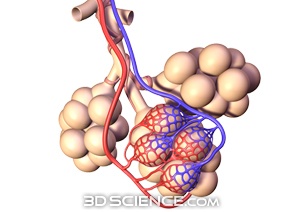
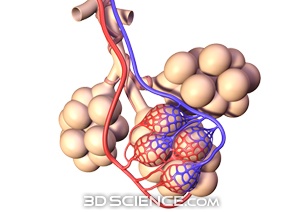
The air sacs that are covered with capillaries where gas exchange takes place
a)
bronchi
b)
lungs
c)
oxygen
d)
alveoli
41.
Within the lungs, the exchange of oxygen and carbon dioxide occurs between the ___ and the capillaries. 
a)
trachea 
b)
bronchi 
c)
alveoli
d)
diaphragm