
 Worksheets
Circulatory & Respiratory System
Total questions: 32
Worksheet time: 25mins

What portion of your blood will be responsible for get rid of a bacterial infection?
white blood cells
red blood cells
platelets
plasma
Carry mostly oxygen-rich blood away from heart
Arteries
Veins
Capillaries
Which of these definitions is the BEST description of what the circulatory system's function is?
The system fights disease so the body stays healthy.
Circulates blood through the body to deliver oxygen and nutrients to body cells
Breaks down food into a simpler form so they can be absorbed by the body
Provides shape and structure for the body.
What part of blood has the vital responsibility of delivering oxygen to body cells?
Platelets
Capillaries
Plasma
Red Blood Cells
What portion of the blood is liquid and composed of mostly water?
plasma
lymph
urea
bile
Capillaries are the blood vessels that
connect arteries with veins and facilitate the exchange of carbon dioxide for oxygen.
carry blood away from the heart.
carry blood toward the heart.
If you fall of your bike and skin your knee, what part of the blood help form the scab to stop the bleeding?
red blood cells
white blood cells
platelets
plasma
Which of the following represents the correct path of blood into, through, and out of the heart?
left atrium, left ventricle, lungs, right atrium, right ventricle, the body
right atrium, right ventricle, lungs, left atrium, left ventricle, the body
left atrium, left ventricle, right atrium, right ventricle, lungs, the body
right atrium, lungs, right ventricle, left atrium, the body, left ventricle
Veins carry mostly deoxygenated blood:
away from the heart
towards the heart
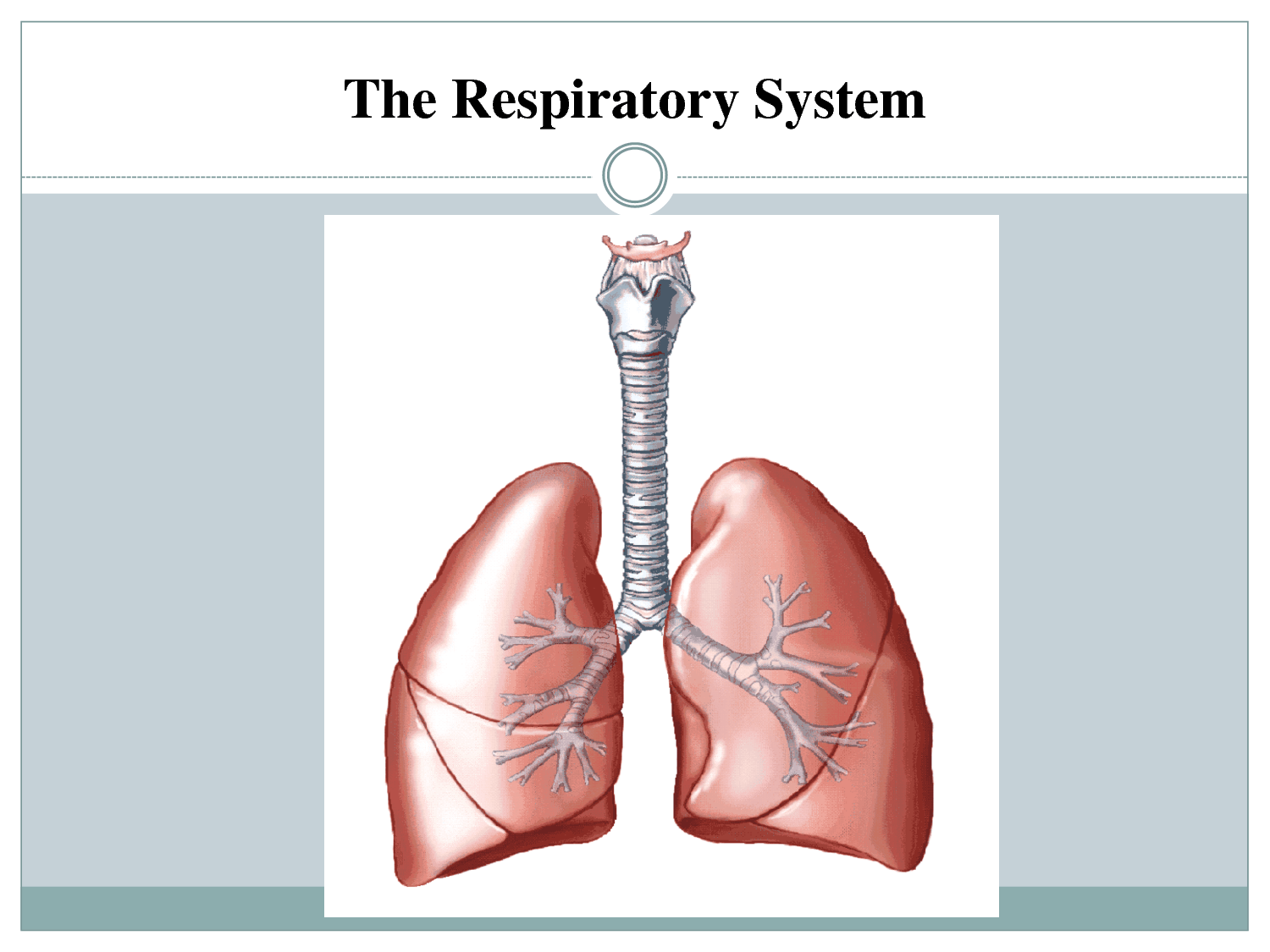
Which of these correctly describes what the respiratory system does?
brings oxygen into the body; expels carbon dioxide from the body
bring carbon dioxide into the body for body cells
to deliver oxygen to our body's cells
removes oxygen from the body and brings carbon dioxide in
The pair of organs that are responsible for the exchange of oxygen for carbon dioxide are the
bronchioles
lungs
trachea
bronchi
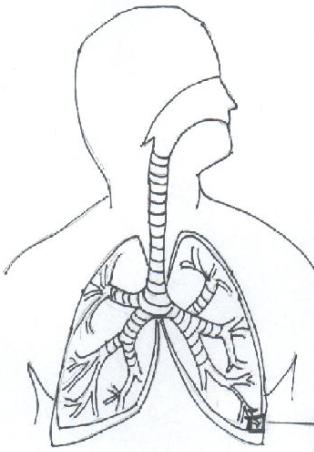
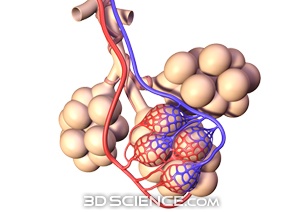

The correct passage of oxygen through the respiratory system is
trachea, bronchus, bronchioles, alveolus
trachea, bronchioles, bronchus, alveolus
trachea, bronchus, alveolus, bronchioles
trachea, gullet, bronchioles, bronchi
The large number of alveoli provide __________________ for gas exchange.
low pressure
high pressure
a large volume
a large surface area
The oxygen in the alveoli is picked up by
red blood cells
white blood cell
blood
platelets
Which of the following is NOT a function of the respiratory system?
Distributes carbon dioxide to cells
Distributes oxygen to cells
Filters air
Warms air

What is G pointing to in this diagram?
trachea
bronchus
bronchiole
alveoli

What is D pointing to in this diagram?
alveoli
trachea
bronchus (plural- bronchi)
bronchiole

What is B pointing to in this diagram?
bronchus
bronchiole
alveoli
pharynx

What is A pointing to in this diagram?
mouth
nasal cavity
alveoli
trachea

What organ is highlighted in red in this picture?
lungs
diaphragm
trachea
bronchioles

What part of the heart is A pointing to?
right atrium
right ventricle
aorta
pulmonary artery

What part of the heart is B pointing to?
left atrium
left ventricle
right atrium
right ventricle
What part of the heart is C pointing to?
left atrium
left ventricle
right atrium
right ventricle
What part of the heart is D pointing to?
left atrium
left ventricle
right atrium
right ventricle
What part of the heart is E pointing to?
left atrium
left ventricle
right atrium
right ventricle
What is F pointing to in this diagram?
trachea
bronchus
bronchiole
alveoli
What is E pointing to in this diagram?
trachea
diaphragm
lung
alveoli

