
NEW
Font size
 Worksheets
Human Body Systems
Total questions: 23
Worksheet time: 12mins
What best describes a joint?
Connect the muscle to the bone
The valve between the left ventricle and the left atrium
Where two bones meet
Connect muscle to muscle

Which system exchanges oxygen and carbon dioxide?
Digestive System
Respiratory System
Nervous System
Immune System

Almost all absorption of nutrients takes place in the:
large intestine
stomach
epiglottis
small intestine
What is the smallest unit of organization in the human body?
nucleus
tissue
cell
organ
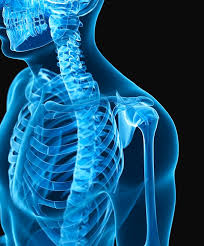
The skeleton does all of the following except:
protect internal organs
enable movement
transport oxygen
provide shape and support
Cardiac muscles are found in the:
Immune System
Circulatory System
Respiratory System
Digestive System
What would happen if the excretory system did not function properly?
Sensory information would not reach the brain
Oxygen would not be delivered to cells
Waste products would be eliminated by the digestive system
Waste produces would build up to toxic levels in the body
What is the function of a neuron?
To transport oxygen through the respiratory system
To carry information through the nervous system
To move waste throughout the digestive system
To protect the body from pathogens
Which describes the organization of multicellular life from smallest unit to largest?
tissue, organ, cell, organ system, organism
organ, tissue, cell, organ system, organism
organism, organ system, organ, tissue, cell
cell, tissue, organ, organ system, organism
Identify the organ systems involved in exchanging and delivering oxygen to all of the body cells:
respiratory system
respiratory and circulatory systems
respiratory, nervous, and circulatory systems
excretory and respiratory systems
Where are your blood cells made?
Heart
Veins
Bone Marrow
Brain Stem
Which type of tissue is able to contract?
epithelial tissue
connective tissue
nerve tissue
muscle tissue
Which systems work together to absorb and transport glucose and other nutrients throughout the body?
Respiratory and circulatory systems
Circulatory and digestive systems
Excretory and nervous systems
Digestive and skeletal systems
What is the function of the immune system?
Fight off foreign invaders in the body
Carry nutrients throughout the body
Exchange oxygen and carbon dioxide
Process and absorb nutrients
The ______________ system's function is to gather and interpret information, respond to information, and help maintain homeostasis.
circulatory
digestive
excretory
immune
nervous
The ______________ system's function is to take in oxygen and remove carbon dioxide.
circulatory
digestive
respiratory
muscular
excretory
The __________ system contains the following organs: mouth, esophagus, stomach, small intestine, large intestine, rectum, anus
excretory
digestive
immune
circulatory
nervous
The ______________ system's function is to remove waste products (urea, water, feces) from the body and filter blood.
excretory
muscular
digestive
circulatory
immune
The __________ system contains the following organs: skin, bone marrow, lymph nodes, tonsils, spleen, mucus membranes.
nervous
skeletal
immune
excretory
muscular
The ______________ system's function is to allow for body movement by contracting.
skeletal
nervous
respiratory
muscular
circulatory
The __________ system contains the following organs: heart, veins, arteries, capillaries
circulatory
muscular
respiratory
immune
nervous
The __________ system contains the following organs: bones, cartilage, ligaments.
nervous
muscular
respiratory
digestive
skeletal
The __________ system contains the following organs: nose, trachea, lungs, bronchi, bronchioles, alveoli.
muscular
respiratory
circulatory
immune
skeletal

