Worksheets
Biology 1 Spring 2019 Final Exam Review
Total questions: 200
Worksheet time: 4hrs 46mins
How many independent variable(s) should there be in an experiment?
One
Two
As many as possible
One per constant
All organic compounds contain ______________ because it can make a maximum of _______________ covalent bonds with other atoms.
ATP, 3
Carbon, 4
Proteins, 2
Nitrogen, 3
Which of the four macromolecules provides a short-term supply of energy and carbon?
Lipids
Nucleic Acids
Carbohydrates
Proteins

Where is the active site in this diagram?
A
B
C
After an enzyme has catalyzed a chemical reaction
it cannot be reused
it has been duplicated
it can be reused
it is denatured
Which of the following are found in animal cells, but not plant cells
Chloroplasts
Mitochondria
Bacteria
Centrioles
Prokaryotic cells do not have
membrane bound organelles
genetic material
proteins
ribosomes
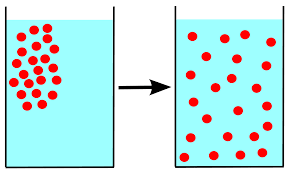
During diffusion, molecules move
by active transport
from high concentration, to low concentration
from low concentration, to high concnentration
through pumps in the phospholipid bilayer
Which of the following is not a component of the cell theory?
living things are made up of one or more cells
all cells have a nucleus
cells arise from pre-existing cells
cells are the basic unit of structure and function
Which of the following is not a characteristic of the cell membrane?
Selective Permeability
Bilayer
Allows all large non-polar molecules to pass through it
Contains phospholipids, cholesterol and proteins
When placed in a hypotonic solution, a cells volume will
stay the same
swell
shrink
none of the above
a net movement of molecules from one solution to another will continue until
one solution is hypotonic to the other
one solution is hypertonic to the other
the solutions are isotonic
the molecules explode
Most multicellular organisms require aerobic respiration because
it produces the most lactic acid
it produces the most pyruvate
it produces the most glucose
it produces the most ATP
How do autotrophs make their own food?
Converting organic molecules into inorganic molecules
Converting light energy into chemical energy
They eat other organisms
They use ATP to make DNA
Plant produce glucose in their ______________, which is then used during cellular respiration in the __________________ to make ATP.
chloroplasts, mitochondria
mitochondria, chlorplasts
cell wall, centriole
Krebs Cycle, Calvin Cycle
The first step of photosynthesis is
the splitting of water
chlorophyll trapping sunlight
carbon fixation
production of glucose
Energy is released from ATP when
The Adenine is broken off
The chemical bond holding the third phosphate is formed
the chemical bond holding the third phosphate is broken
Cellular respiration is complete
Which process requires carbon dioxide and water as reactants?
Cellular respiration
Fermentation
Glycolysis
Photosynthesis
Where does the glucose needed to convert ADP to ATP in animal cells ultimately come from?
Cellular Respiration in plants
Photosynthesis in plants
Lactic Acid Fermentation
Glycolysis
Before cell division, genetic material must first be
replicated
condensed
refurbished
reduced
Asexual reproduction requires ___________, while sexual reproduction requires _____________.
two parents, one parent
binary fission, cloning
genetically diverse offspring, genetically identical offspring
one parent, two parents
Variation within a population may occur through
crossing over during meiosis
independent assortment during meiosis
mutation during DNA replication
all of the above
Mitosis and meiosis are very similar, but do have some differences. Which of the statements below is false?
Meiosis involves two divisions, while mitosis involves only one division
Meiosis starts with haploid cells, while mitosis starts with diploid cells
During meiosis homologous chromosomes pair up, while in mitosis they do not
Meiosis results in genetically varied gametes, while mitosis creates genetically identical cells
If a fruit fly gamete contains 4 chromosomes, then the germ cells contain __________.
4
2
8
16
In plant cells, mitosis is concluded once
telophase ends
a cleavage furrow is formed
the cell plate is formed
single stranded chromosomes move to opposite ends of the spindle
DNA and RNA are both made up of monomers called
glucose
simple sugars
nucleotides
codons
Which of the following are not proteins?
Enzymes
Glucose
Hemoglobin
Polymerases
When making RNA, Adenine is complementary to
Thymine
Uracil
Amino Acids
DNA
The amino acid sequence of a _____________, is determined by the sequence of _______________ in DNA
codon, phosphates
protein, nucleotides
polypeptide, codons
nucleic acid, nitrogenous bases
Replication and Transcription of DNA occur in the
nucleus
cytoplasm
ribosomes
mitochondria
The breeding of corn to have a particular seed size is an example of
Natural selection
Asexual Reproduction
Artificial Selection
Lamarckian Evolution
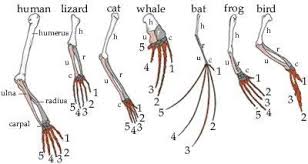
Two amino acid sequences found in two different species of reptile are almost exactly the same. This suggests that the reptiles
Are actually the same species
Share a common ancestor
Live in the same environment
Are evolving into the same species
A mutation in DNA results from
a sudden change in the genetic material of the organism
Natural Selection
Artificial Selection
Competition for resources such as food and water
Species with analogous structures are considered to
have a recent common ancestor
live in a similar environment
be evolving into the same species
have no relation
Evidence for evolution can come from all but
Fossils
Pictures of extinct dinosaurs
Biochemical molecules like DNA or Proteins
Embryological Studies

The carrying capacity of this deer population is around
80
100
10
7.5
90% of the energy originally found in a trophic level is transferred
to the primary producer
to the sun
to the organism that eats it
to the environment
In a given food chain where would you find the smallest number of organisms living in the population?
Primary Producers
Secondary Consumers
Tertiary Consumers
Decomposers
In a commensalistic relationship
Both organisms benefit
One organism benefits, and the other is neutral
Both organisms are harmed
One organism benefits, and the other dies
A tertiary consumer is threatened by deforestation, global warming, and destruction of habitat. How could a conservationist assure that the population of consumers gets as much energy and resources as it possibly can?
Increase the number of trophic levels
Increase the number of decomposers
Decrease the number of trophic levels
Add an invasive species into the food web
In an ecosystem which resource is not recycled?
carbon
energy
water
nitrogen
During carbon cycling, __________________ removes carbon dioxide from the air
Cellular Respiration
Photosynthesis
Burning of Fossil Fuels
Decomposition of waste and animal remains
In DNA, cytosine always pairs with
guanine
uracil
thymine
adenine
Vestigial structures show
how an ancestor may have lived
how old a fossil is
what the organism is not related to
usefulness in the organism that has it
DNA is made up of phosphates, sugars, and
proteins
lipids
bases
iodine
A red flower bred to a white flower produces red and white spotted flowers. This is an example of
incomplete dominance
recessive genes
epistasis
co-dominance
Organisms that rely on other organisms for food are called
producers
autotrophs
consumers
saprophytes

The amount of energy expected to be transferred from one trophic level to another is ___?
1%
10%
90%
100%

Identify the cellular organelle that the process of photosynthesis occurs in:
mitochondria
chloroplast
nucleus
vacuole

Identify the gas that is an input (reactant) of photosynthesis:
oxygen
Water
carbon dioxide
nitrogen

Identify the cellular organelle that the process of cellular respiration occurs in:
mitochondria
chloroplast
nucleus
golgi

What is the simplest level of organization in the body?
cell
tissue
organ
organ system
Which of the following levels of organization BEST represents the sequence from smallest to largest?
Cell, tissue, organism, organ
Cell, organism, organ, tissue
Cell, tissue, organ, organ system
Cell, organism, tissue, organ system
A gene is_______________________.
located only in sex cells
a whole chromosome
a section of DNA that codes for a trait
not expressed in the dominant form

The diagram shows homologous chromosomes during prophase I of meiosis. Which of the following correctly describes the process being illustrated?
Segregation of sister chromatids
Mutation in which the DNA content of the gene is altered
Crossing over in which alleles are exchanged
Condensation and segregation of alleles
What happens to the chromosome number during meiosis?
doubles
halves
stays the same
becomes diploid
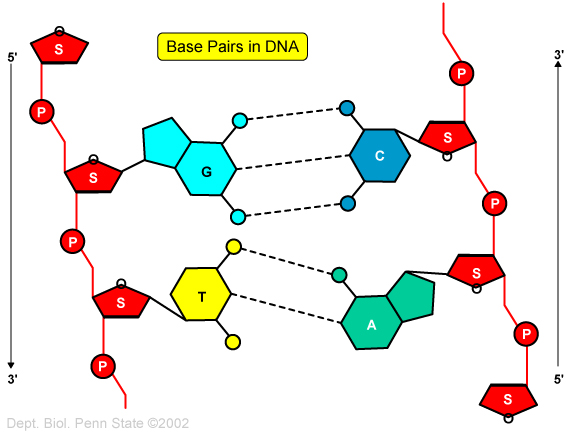


Identify the type of molecule shown in the diagram:
carbohydrates
proteins
lipids
nucleic acids

Identify the type of molecules shown in the diagram:
carbohydrates
lipids
proteins
nucleic acids

Which row in the chart correctly matches the monomers with the Biomolecule category?
Row 1
Row 2
Row 3
Row 4

Which row in the chart correctly matches the polymers with the Biomolecule category
Row 1
Row 2
Row 3
Row 4

The graph provided below shows the activity of an enzyme called Glucosidase. What result can you conclude from the data about Glucosidase?
Glucosidase breaks down glucose substrates
Glucosidase works best around 70°C
Glucosidase does not work below 70°C
Glucosidase is not affected

The diagram below demonstrates what type of cell?
Eukaryotic Cells
Prokaryotic Cells
Bacterial Cells
None of These
The movement of water from an area of a higher concentration of water to an area of a lesser concentration of water through a selectively permeable membrane is termed:
diffusion
osmosis
facilitated diffusion
exocytosis

The picture below demonstrates active transport. What evidence is present in the picture that confirms active transport?
the presence of a membrane
the presence of an arrow
the presence of ATP
the presence of molecules

What chromosome abnormality is shown in the provided karyotype picture?
Tetrasomy
Trisomy
Monosomy
There is no chromosomal abnormality in the provided karyotype
A student wrote the following description of a cell after looking at it under the microscope: “The cell has a cell wall and many organelles, including mitochondria, a nucleus, a vacuole, and several chloroplast.” Which type of cell was the student most likely describing?
animal
plant
bacteria
Chargraff's Rule says that
Adenine will be equal to Thymine
Cytosine will be equal to Thymine
Uracil will be equal to Guanine
Adenine will be equal to Cytosine
What are the four nitrogen bases?
adenine, thymine, guanine, cytosine
adenine, lysine, prolene, guanine
arganine, cytosine, lysine, purine
lysine, cytosine, lucine, guanine


ATG TGA CAG


b= blue eyes
What is true about two brothers that have brown eyes?
One has genotype BB the other Bb.


What amino acid is coded for by the codon AUG?
isoleucine
phenylalanine
leucine
methionine
Which of the following are abiotic factors?
Air temperature
Disease
Sunlight
Plants
Which of the following are density dependent factors?
Disease
Forest fire
Competition for mates
Parasites
Volcano eruption
Organisms that get energy by eating other organisms are known as consumers or ________________
heterotrophs
producers
autotrophs
chemoautotrophs

What is the correct food chain for the pyramid?
Hawk=>rodent=>insect=>grass
grass=>insect=>rodent=>hawk
insect=>grass=>rodent=>hawk
There is no food chain possible
Which would be the correct order for primary succession?
Oaks, pines, moss, lichens, grass and ferns
Grasses and ferns, moss, lichens, pines, oaks
Oaks, pines, grasses and ferns, mosses and lichens
lichens, mosses, ferns and grasses, pines, oaks
Close and permanent relationships between organisms is known as
Ecobiosys
Symbiosis
Completition
Predation
Autotrophs are also known as _________________
Consumers
Producers
Polypeptides
The Loch Ness Monster
Which is an example of a parasite?
A wolf pack hunting together
A tapeworm attached to a dog's intestines
A bee pollinating a flower
A barnacle attached to a whale (the whale is unharmed)
The process of converting nitrogen in the atmosphere into organic compounds is called:
Nitrogen fixation
Nitrogenation
Carbon fixation
Carbonification
What happens to a population if they grow larger than their carrying capacity?
Birth rate increases
Birth rate decreases
The population size will start to decrease
The population size will start to increase
Which of the following is a group of the same species?
Population
Community
Ecosystem
Biosphere