wayground logo

Free Printable Worksheets

Font size

S
M
L
XL
Worksheets

Super Review- NGSS BIOLOGY SECOND SEMESTER

Total questions: 200

Worksheet time: 7hrs 50mins

Name
Class
Date
1.
Which of the following is a phenotype?
a)
Aa
b)
red hair
c)
heterozygous
d)
BB
2.
What is the cause of some traits "skipping" a generation?
a)
dominant traits
b)
recessive traits
c)
hybrid alleles
d)
homologous chromosomes
3.
When is a recessive allele expressed in offspring?
a)
when two copies are present
b)
when parents have no dominant alleles
c)
when the offspring is heterozygous
d)
when one copy is present
4.
Recessive alleles may not be expressed because they are
a)
masked by a dominant allele
b)
the least common allele in a population.
c)
the most common allele in a population.
d)
less likely to have crossing over.        
5.
What do the letters inside the grid of a Punnett square represent?
a)
phenotypes of parents
b)
genotypes of offspring
c)
testcrosses of offspring
d)
chromosomes of parents
6.
If a pea plant were homozygous recessive for height, how would its alleles be represented?
a)
TT
b)
Tt
c)
tt
d)
tT
7.
The genetic information inside an individual.
a)
Homozygous
b)
Heterozygous
c)
Genotype
d)
Phenotype
8.
A distinguishing characteristic that can be inherited is a(n)
a)
cross
b)
allele
c)
gene
d)
trait
9.
What phase is represented?
a)
prophase1
b)
prophase 2
c)
telophase 1
d)
telophase 2
10.

What phase is represented?

a)

metaphase 1

b)

metaphase 2

c)

anaphase 1

d)

anaphase 2

11.
What phase is  shown in the picture?
a)
anaphase 1
b)
anaphase 2
c)
metaphase 1
d)
telophase 1
12.
According to the chromosome theory of inheritance, what are carried from parents to their offspring on chromosomes?
a)
Genes
b)
Spindle Fibers
c)
Centrioles
d)
Cytoplasm
13.
The cells produced via meiosis are called:
a)
gamete (Sex Cell)
b)
somatic cells
c)
body cells
d)
skin cells
14.
Different forms of genes:
a)
alleles
b)
phenotype
c)
genotype
d)
homologous chromosomes
15.
What is another way of saying "purebred"?
a)
homozygous
b)
dominant
c)
recessive
d)
heterozygous
16.
An organism's appearance or other observable characteristics:
a)
phenotype
b)
genotype
c)
recessive
d)
dominant
17.
An organism's genetic make-up:
a)
phenotype
b)
genotype
c)
dominant
d)
recessive
18.
Having two of the SAME alleles for a trait (example HH or hh):
a)
homozygous
b)
heterozygous
c)
recessive
d)
dominant
19.
Having two different alleles for a trait (example Hh):
a)
homozygous
b)
heterozygous
c)
dominant
d)
purebred
20.
bb crossed with BB, what is the probability of Bb?
a)
0%
b)
25%
c)
50%
d)
100%
21.
A dog gives birth to 5 puppies. What percentage of the chromosomes does each puppy share with the mother?
a)
25%
b)
50%
c)
75%
d)
100%
22.
The allele that is expressed over another.
a)
Dominant
b)
Recessive
c)
Genotype
d)
Phenotype
23.
The outward characteristics that people show due to their genetic material.
a)
Homozygous
b)
Heterozgyous
c)
Genotype
d)
Phenotype
24.
An alternative name for heterozygous
a)
Law of Independent Assortment
b)
Hybrid
c)
Homozgyous
d)
Heterozygous
25.
Recessive alleles are represented by:
a)
a ratio
b)
a percentage
c)
capital letters
d)
lower-case letters
26.
Mendel's law of segregation states that during meiosis, the alleles that control each trait separate, and only _________________ from each pair is/are passed to the offspring
a)
one allele
b)
the dominant trait
c)
two alleles
d)
the recessive trait
27.
A female guinea pig homozygous dominant for black fur color is mated with a homozygous for white fur color. In a litter of eight offspring, there would probably be ________
a)
8 black guinea pigs
b)
4 black and 4 white guinea pigs
c)
2 black, 4 gray and 2 white guinea pigs
d)
8 white guinea pigs
28.
The Law of Segregation states that alleles separate during the process of ...
a)
Mitosis
b)
Meiosis
c)
Fertilization
d)
Replication
29.
The result of meiosis is:
a)
two diploid cells
b)
two haploid cells
c)
four diploid cells
d)
four haploid cells
30.
The purpose of meiosis is to form ________ cells.
a)
body
b)
gamete
c)
somatic
d)
brain
31.
When an area of a chromatid is exchanged with the matching area on a chromatid of its homologous chromosome, _________________ occurs
a)
crossing over
b)
mutagenesis
c)
hybridization
d)
fertilization
32.

A human usually has _______ chromosomes in a body cell.

a)

6

b)

22

c)

4

d)

46

33.
If a somatic (body) cell in a butterfly contains 24 chromosomes, a butterfly egg would contain
a)
3
b)
6
c)
12
d)
24
34.
What kind of cells are made in MEIOSIS?
a)
Haploid Gametes
b)
Diploid Somatic Cells
c)
Skin Cells
d)
Liver Cells
35.
If the Diploid number of Carrots is 18, the haploid number is
a)
18
b)
9
c)
27
d)
36
36.
How many daughter cells are produced at the end of meiosis?
a)
1
b)
2
c)
3
d)
4
37.
Which of the following is NOT a gamete (sex cell)?
a)
egg
b)
sperm
c)
skin cell
d)
all of the above are gametes
38.
What process, and which type of resulting cells are represented?
a)
mitosis, gametes
b)
mitosis, body cells
c)
meiosis, gametes
d)
meiosis, body cells
39.
What is one of the advantages, why is it better to reproduce sexually versus asexually?
a)
survival of the fittest
b)
overproduction
c)
genetic variation
d)
cloning
40.
The chromosomes that pair up during meiosis, are called __________ chromosomes.  
a)
heterozygous 
b)
asexual
c)
homologous
d)
genes
41.

What is the function of messenger RNA (mRNA)?

a)

Makes of ribosomes

b)

Brings amino acids to the ribosomes

c)

Reads DNA in the nucleus- goes to ribosome

d)

None of the above

42.

Fill in the complementary bases according to the base-pair rule in

DNA: A T C C A G

a)

T U G G T C

b)

T A G G T C

c)

T A C G T G

d)

T A C C A C

43.
What is the function of DNA helicase?
a)
Attach new nucleotides
b)
To unzip the strands of DNA
c)
Remove nucleotides
d)
To perform crossing over
44.
Guanine bonds with ______________.
a)
Adenine
b)
Guanine
c)
Cytosine
d)
Thymine
45.
The process of making an mRNA strand from a DNA template is called
a)
Replication
b)
Transcription
c)
Translation
d)
Protein Synthesis
46.
The process of using an mRNA to make a protein is called
a)
Replication
b)
Transcription
c)
Translation
d)
Cell Division
47.
Transcription takes place in the 
a)
cytoplasm
b)
chloroplast
c)
nucleus
d)
mitochondria
48.
Translation takes place in the 
a)
ribosome
b)
chloroplast
c)
nucleus
d)
mitochondria
49.
This cannot leave the nucleus
a)
DNA
b)
RNA
c)
Both
50.
This nucleic acid is single stranded
a)
DNA
b)
RNA
c)
Both
51.
Contains the bases adenine, thymine, guanine and cytosine
a)
DNA
b)
RNA
c)
Both
52.
Contains the bases adenine, uracil, cytosine and guanine
a)
DNA
b)
RNA
c)
Both
53.
Contains a phosphate group
a)
DNA
b)
RNA
c)
Both
54.
Ribose is sugar present in the nucleotide
a)
DNA
b)
RNA
c)
Both
55.
Deoxyribose is the sugar present in the nucleotide
a)
DNA
b)
RNA
c)
Both
56.
Carries the genetic code to the ribosome
a)
mRNA
b)
tRNA
c)
rRNA
d)
DNA
57.
Brings the amino acids to the ribosome
a)
mRNA
b)
tRNA
c)
rRNA
d)
DNA
58.
Codes for a single protein
a)
DNA
b)
Gene
c)
Chromosome
d)
Chromatin
59.
The codon read using the genetic code to determine the amino acid is found in 
a)
DNA
b)
mRNA
c)
tRNA
d)
rRNA
60.
One difference between DNA and RNA is that....
a)
Only RNA has the base Uracil
b)
only RNA contains the base Thymine
c)
only RNA contains the base Cytocine
d)
only RNA contained the base Guanine
61.
A triplet of mRNA is called a
a)
codon
b)
anticodon
c)
amino acid
d)
peptide bond
62.
Which of the following best describes a DNA molecule?
a)
double helix
b)
contains ribose
c)
made of amino acids
d)
contains Uracil
63.
Does the order of amino acids in a protein matter?
a)
YES!
b)
NO!
64.
What is the monomer (building block) of proteins?
a)
Monosaccahrides
b)
Polysaccharides
c)
amino acids
d)
Triglycerides
65.
Which of the following is a difference between DNA and RNA?
a)
All of the above options are differences between DNA and RNA
b)
DNA contains deoxyribose sugar while RNA contains ribose sugar
c)
DNA contains thymine while RNA contains uracil
d)
DNA is double stranded while RNA is single stranded
66.
Codons contain ______ bases
a)
1
b)
3
c)
6
d)
9
67.
The five carbon sugar found in RNA
a)
Ribose
b)
Deoxyribose
c)
Glucose
68.
Which of the following statements best summarizes the first step of protein synthesis?
a)
mRNA to protein
b)
ribosomes to nucleus
c)
protein to DNA
d)
DNA to mRNA
69.
Which of these is the Central Dogma of Biology in the correct order?
a)
DNA --> mRNA --> protein
b)
DNA --> protein  --> mRNA
c)
mRNA --> DNA --> protein
d)
protein --> DNA --> mRNA
70.
Amino acids are joined together in order to form
a)
DNA
b)
ribosomes
c)
proteins 
d)
RNA
71.
What is the length of a typical DNA molecule from a cell? 
a)
5 cm
b)
2 meters
c)
1 meter
d)
1 inch
72.

Isolating DNA is important because

a)

it can be used for genetic testing

b)

used to identify bodies

c)

used to analyze forensic evidence

d)

all of the above

73.
Which 2 molecules form the sides (backbone) of the DNA ladder?
a)
deoxyribose sugar and adenine
b)
deoxyribose sugar and a hydrogen bond
c)
deoxyribose sugar and the nucleus
d)
deoxyribose sugar and phosphate
74.
A chart or family tree that tracks which members of a family have a particular trait or disease.
a)
Carrier
b)
Karyotype
c)
Pedigree
d)
Genome
75.
The transfer of a gene from the DNA of one organism into another organism in order to produce an organism with desired traits.
a)
Genetic Engineering
b)
Karyotype
c)
Pedigree
d)
Genome
76.
A picture of all the chromosomes in a cell arranged in pairs
a)
Pedigree
b)
Karyotype
c)
Genome
d)
Carrier
77.
ALL the DNA in one cell of an organism
a)
Karyotype
b)
Mutation
c)
Pedigree
d)
Genome
78.
An organism that is genetically identical to the organism from which it was produced.
a)
Clone
b)
Carrier
c)
Hybridization
d)
Selective Breeding
79.
The insertion of working copies of a gene into the cells of a person with a genetic disorder in an attempt to correct the disorder.
a)
Karyotype
b)
Gene Therapy
c)
Mutation
d)
Multiple Alleles
80.
The insertion of working copies of a gene into the cells of a person with a genetic disorder in an attempt to correct the disorder.
a)
Karyotype
b)
Gene Therapy
c)
Mutation
d)
Multiple Alleles
81.
The process of selecting a few organisms with desired traits to serve as parents of the next generation.
a)
Gene Therapy
b)
Genome
c)
Selective Breeding
d)
Pedigree
82.
The process of selecting a few organisms with desired traits to serve as parents of the next generation.
a)
Gene Therapy
b)
Genome
c)
Selective Breeding
d)
Pedigree
83.
A pair of chromosomes carrying genes that determine whether a person is male or female...
a)
Sex-Linked Genes
b)
Sex Chromosomes
c)
Pairsies
d)
Pedigree
84.
A gene that is carried on the X or Y chromosome
a)
Sex-linked Genes
b)
Sex Chromosomes
c)
Genome
d)
Genie
85.
A person who has one dominant and one recessive allele for a trait, but does not have the trait.
a)
Clone
b)
Carrier
c)
Diseased
d)
Karyotype
86.
What gender has an X and a Y chromosome?
a)
male
b)
female
c)
transgender 
d)
all of the above
87.
Which gender is TYPICALLY affected by sex-linked disorders, like red-green colorblindness?
a)
Men
b)
Women
88.
Down Syndrome most often occurs when chromosomes fail to separate properly during meiosis?
a)
True
b)
False
89.
Which of the following have been produced by selective breeding?
a)
horse breeds
b)
cat breeds
c)
dog breeds
d)
all of the above
90.
What do experts say is the most common form of Down Syndrome?
a)
Trisomy 47
b)
Trisomy 46
c)
Trisomy 21
d)
Trisomy 23
91.
What charge is DNA?
a)
positive
b)
negative
c)
neutral
92.
Gel electrophoresis enables scientists to
a)
separate DNA fragments.
b)
combine DNA fragments.
c)
count the genes in DNA.
d)
insert DNA in cells.
93.
What is the purpose of PCR?
a)
To produce millions of copies of DNA.
b)
To produce millions of copies of a specific region of DNA
c)
To add nucleotides to a DNA sequence
d)
To watch polymerase work.
94.
What does PCR stand for?
a)
Polymerase Chronic Reagent
b)
Principle Chorionic Reliability
c)
Polymerase Chain Reaction
d)
Probably Cannot React
95.
A red flowered plant (RR) is crossed with a white flowered plant (WW). The gene for petal color in these plants expresses incomplete dominance.  What percentage of the offspring will have pink (RW) flowers?
a)
0%
b)
25%
c)
50%
d)
100%
96.
What type of inheritance do two alleles have if their traits blend together? 
a)
Incomplete Dominance
b)
Co-Dominance
c)
Mendelian Inheritance
d)
Homozygous Inheritance
97.
Which type of inheritance causes both traits to be expressed equally in the heterozygote?
a)
Complete Dominance
b)
Incomplete Dominance
c)
Co-Dominance
d)
Sex-linked
98.
GMO stands for 
a)
Genetically modified organism
b)
Genetically made organism
c)
Generically made organ
d)
Generically modified organism
99.

In what year did Darwin begin his journey around the globe?

a)

1919

b)

1879

c)

1831

d)

1809

e)

1859

100.

What continent did Darwin spend the most time studying?

a)

Africa

b)

South America

c)

North America

d)

Asia

101.

In addition to observing living organisms, Darwin studied the preserved remains of ancient organisms called...

a)

fossils

b)

adaptations

c)

homologies

d)

vestigial structures

102.

Which of the following would an animal breeder use to increase the number of cows that give the most milk?

a)

overproduction

b)

genetic isolation

c)

acquired characteristics

d)

artificial selection

103.

Structures that have different mature forms but develop from the same embryonic tissue are called...

a)

analogous

b)

adaptations

c)

homologous

d)

fossils

104.

Intermediate fossil forms are important evidence of evolution because they show

a)

how organisms changed over time.

b)

how animals behaved in their environments.

c)

how the embryos of organisms develop.

d)

molecular homologies.

105.
When every organism of a given species has died
a)
Natural Selection
b)
Homeostasis
c)
Extinction
d)
Selective Breeding
106.
Change over time
a)
Natural Selection
b)
Selective Breeding
c)
Homeostasis
d)
Evolution
107.
An error in DNA copying that results in a new trait
a)
Homeostasis
b)
Mutation
c)
Natural Selection
d)
Selective Breeding
108.
Which of these statements best describes what Darwin observed on the Galapagos Islands?
a)
The finch population on each island was unique
b)
The finches on the islands ate seeds and nuts, but no insects
c)
The finches on the islands were the same as the finches in Ecuador
d)
The finches could produce offspring only with finches from other islands
109.
Organisms that are better adapted to the environment survive to pass traits to their offspring
a)
Natural Selection
b)
Homeostasis
c)
Selective Breeding
d)
Extinction
110.
Domesticated dogs are an example of:
a)
Natural Selection
b)
Selective Breeding
111.
What term is defined as walking upright on 2 feet?
a)
diurnal
b)
bipedalism
c)
primates
d)
hominoid
112.
What was the name of the ship Charles Darwin sailed on?
a)
Boaty McBoaty Face
b)
HMS Beagle
c)
HMS Britannia
d)
HMS Bulldog
113.
Where did Charles Darwin travel to?
a)
Australia
b)
Barbados
c)
Galapagos 
d)
Trinidad
114.
What does evolution mean?
a)
To change something
b)
To change and adapt over time
c)
To lose some original features
d)
To improve ssomething over time
115.
What animals did Charles Darwin study when at the Galapagos Islands?
a)
Giraffes
b)
Seagulls
c)
Seals
d)
Finches
116.
Bird wings and butterfly wings are an example of
a)
Homologous structure
b)
Analogous structure
c)
Mimicry
d)
Camoflague
117.
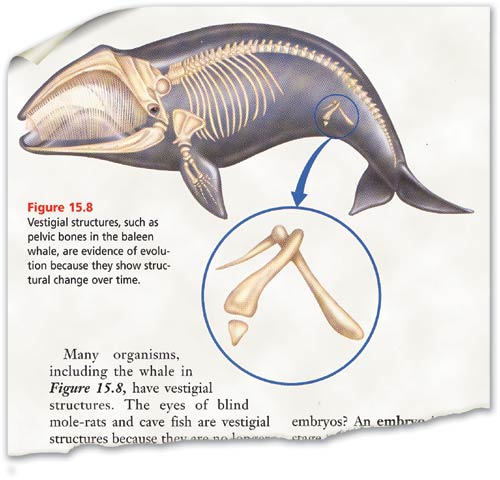
The hind leg bones in a whale are examples of
a)
homologous structures
b)
analogous structures
c)
fossils
d)
vestigal structures
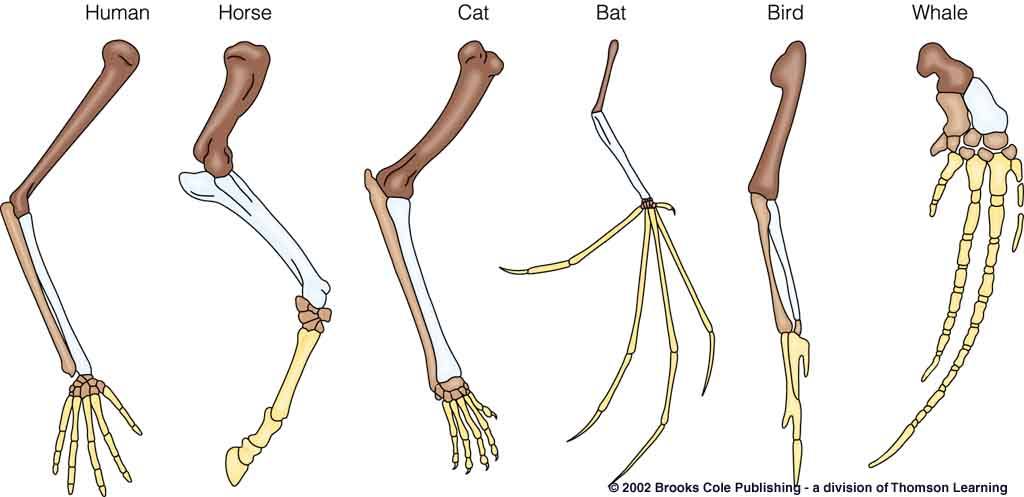
118.
The structures shown are_________
a)
homologous
b)
heterologous
c)
analogous
d)
vestigial
119.
What is a large ancient landmass?
a)
Pangaea
b)
Cyanobacteria
c)
Africa
d)
Jumanji
120.
What are among the earliest life-forms on Earth?
a)
cyanobacteria
b)
mold
c)
bears
d)
sponges
121.
What are the remains, imprints, or traces of once-living organisms?
a)
index fossils
b)
fossil
c)
mold
d)
cast
122.
As ____ evolved, they changed Earth’s atmosphere by producing oxygen.
a)
cyanobacteria
b)
reptiles
c)
trilobites
d)
dinosaurs
123.
The theory of Endosymbiosis explains
a)
The origin of eukaryotes
b)
How species develop
c)
How bacteria live
d)
Why cells rely on one another
124.
Relative dating of rock layers tells us that the deeper we dig, _______.
a)
the younger the rocks get
b)
the smellier the rocks get
c)
the harder the rocks get
d)
the older the rocks get
125.
A scientist who studies fossils is called a ________________.
a)
paleontologist
b)
geologist
c)
astronomer
d)
scientist
126.
The length of time required for half of the radioactive atoms in a sample to decay is its...
a)
era
b)
age
c)
half-life
d)
eon
127.
Footprints and trails are examples of
a)
Casts
b)
Trace Fossils
c)
Index Fossils
d)
Molds
128.

Carbon-14 is an isotope

a)

used to find the relative age of a rock

b)

used to date objects less than 70,000 years old.

c)

used to date objects more than 70,000 years old.

d)

that cannot be used to date objects.

129.

Almost all fossils are discovered in

a)

volcanic rock.

b)

metamorphic rock.

c)

igneous rock.

d)

sedimentary rock.

130.
An organism that produces its own food supply from inorganic compounds is called a(an)
a)
heterotroph
b)
consumer
c)
detritivore
d)
autotroph
131.
What is the original source of almost all energy in most ecosystems?
a)
carbohydrates
b)
sunlight
c)
water
d)
carbon
132.
What is the term for each step in the transfer of energy and matter within a biological community?
a)
energy path
b)
food web
c)
trophic level
d)
food pyramid
133.
What is an heterotroph
a)
An organism that can produce its own form of energy (via the Sun) 
b)
An organism that consumes only plants for energy
c)
Various organisms that consume other organisms for energy
d)
An organism that decomposes other organisms 
134.

What is the major difference between a community and an ecosystem?

a)

A community involves only the biotic and the abiotic

b)

An ecosystem only includes herbivores and carnivores-- no decomposers

c)

An ecosystem involves the biotic, AND the abiotic

d)

An ecosystem is just a larger community

135.
What are the major differences between a species and a population
a)
Populations consist of ALL of the individual organisms within a species in a given area/ecosystem that are fertile
b)
Populations are a collection of many different types of species that are not related to each other
c)
Populations are just a larger amount of individuals
d)
Populations are the number of individuals within a species that are identical 
136.
What makes Fungi so unique when it comes to trophic levels?  
a)
They are producers so they can be high or low 
b)
They are consumers of only plants
c)
They are consumers of all types of organisms because they decompose 
d)
They are consumers of only the primary trophic level
137.
What are the plants in this picture? 
a)
Heterotrophs 
b)
Autotrophs
c)
Carnivores 
d)
Herbivores 
138.
Different populations living and interacting with each other in the same area
a)
Biome
b)
Ecosystem
c)
Community
d)
Niche
139.
Organisms that look similar and can produce fertile offspring
a)
Species
b)
Fish
c)
Community
d)
Trees
140.
The non-living part of an ecosystem
a)
Ocean
b)
Lava Flow
c)
Birds
d)
Abiotic
141.
The study of how living things interact with one another and with their environment.
a)
Biology
b)
Lithology
c)
Ecology
d)
Farmacology
142.
An area where an organism finds food, shelter and water in a specific arrangement
a)
niche
b)
biosphere
c)
biome
d)
habitat
143.
All of the living and nonliving things in an area that interact with each other are called a/an ______.
a)
community
b)
habitat
c)
population
d)
ecosystem
144.

A tick is which type of symbiosis

a)

parasitism

b)

mutualism

c)

commensalism

d)

nonalism

145.
symbiotic relationship in which both organisms benefit
a)
competition
b)
Mutualism
c)
nitrogen fixation
d)
energy pyramid
146.
A living relationship between two species in which one organism is harmed is called...
a)
mutualism
b)
commensalism
c)
parasitism
d)
niche
147.
What does a food web represent?
a)
All connections of energy flow throughout all organisms in a habitat.
b)
The specific ways that mutualism is carried out.
c)
A single pathway or energy flow between organisms. 
d)
How carnivores get their food. 
148.
The image provided is an example of a(n):
a)
Carnivore
b)
Herbivore
c)
Producer
d)
Autotroph
149.
An illustration that uses arrows to show the many possible directions in which matter and energy can pass through the organisms in an ecosystem.
a)
Food chain
b)
Food web
c)
Energy Pyramid
d)
Succession Map
150.
Which of the following would be the definition of a detritivore?
a)
Animals that eat insects.
b)
Organisms that feed on rocks, recycling the nutrients back into the ground.
c)
Organisms that eat only pants
d)
Things that feed on dead organisms, recycling the nutrients back into the ground.
151.
Water temperature would be an example of ...
a)
A biotic factor
b)
An abiotic factor
152.
The general name for organisms like animals and fungi that get their energy from eating other organisms.
a)
Producers
b)
Consumers
c)
Detritivores
d)
Carnivores
153.

An organism at the second trophic (primary consumer) level would be considered a...

a)

Top carnivore

b)

Producer

c)

Herbivore

d)

Carnivore

154.
True or False:  It is possible for a carnivore to be a producer.
a)
False
b)
True
155.
In this food web, what is the grasshopper?
a)
producer
b)
tertiary consumer
c)
secondary consumer
d)
primary consumer
156.
What is commensalism?
a)
a symbiosis where one species is helped and the other is harmed
b)
a symbiosis where one species is helped and the other is neither helped nor harmed
c)
a symbiosis where both species are helped
d)
a symbiosis between 2 or more organisms
157.
In the energy pyramid here, which organisms have the most energy available?
a)
Producers
b)
Carnivores
c)
Herbivores
d)
Top Predator
158.
An animal that is hunted and eaten for food is a 
a)
predator
b)
prey
159.
An animal that is hunted and eaten for food is a 
a)
predator
b)
prey
160.
An organism's niche is 
a)
the entire role an organism has in the place it lives
b)
the range of temperatures that the organism needs to survive
c)
all the physical and biological factors in the organism's environment
d)
the nutrients that flow from the organism to the environment
161.
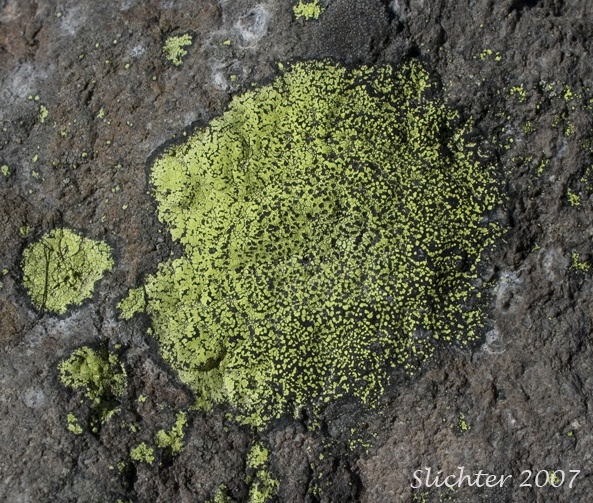
What is the name given to lichen or algae after a primary succession?
a)
pioneer species
b)
volunteer species
c)
founder species
d)
conqueror species
162.
A species that is NOT indigenous (native) to an area is called a/an: 
a)
native species
b)
natural species
c)
invasive species
d)
symbiotic species
163.
The term biodiversity means:
a)
a wide variety of plants and animals in an ecosystem
b)
only a few types of plants and animals in an ecosystem
c)
an ecosystem composed mostly of plants
d)
an ecosystem composed mostly of animals
164.
How do invasive plants damage the environment?
a)
by competing with native species
b)
by changing plant communities
c)
by decreasing diversity
d)
all of these damage an ecosystem
165.
A species that maintain biodiversity by keeping prey populations controlled are called...
a)
Introduced Species
b)
Apex Predators
c)
Invasive Species
d)
Keystone Species
166.
A keystone species has...
a)
big impact on ecosystem, big population
b)
small impact on ecosystem, small population
c)
big impact on ecosystem, small population
d)
None of these
167.
Which biome receives between 0 to 25 centimeters of rain per year, has a temperature range of 0 to 50 degrees Celsius, has poor soil, and is home to lizards, scorpions, and snakes?
a)
desert
b)
mountain
c)
taiga
d)
tundra
168.
Areas defined by their geographical location and ecological similarity are called?
a)
ecozones
b)
biotopes
c)
biomes
d)
biodomes
169.
Which of the following is the best definition for estuary?
a)
Narrow band of coastline that exists between high and low tide.
b)
Areas along the coast where fresh water from rivers mixes with salt water from the ocean.
c)
Flowing fresh water containing rapids.
d)
Freshwater aquatic areas that are saturated by water for at least part of the year.
170.
The  number of individuals a habitat can sustain with the resources it has available
a)
Carrying capacity
b)
Limiting factors
c)
Resources
d)
Population
171.
An endangered species is
a)
One whose numbers are so small that it is at risk of extinction
b)
One whose not been spotted after many years.
c)
One whose numbers are abundant.
172.
An endangered species is in danger of becoming...
a)
Extinct
b)
Threatened
c)
vulnerable
d)
none of the above
173.
What does extinction mean?
a)
shooting animals as a sport
b)
all animals of that kind die and are gone forever
c)
few animals of that kind are left on Earth
174.
What is evaporation?
a)
The part of the water cycle when the sun heats up water, turning it from a liquid into water vapor or steam. It rises from the ground into the air.
b)
The part of the water cycle when the water vapor in the air gets cold. The water turns back into a liquid and forms clouds.
c)
The part of the water cycle when clouds get heavy and can no longer hold the liquid water. This causes the water to fall from the sky to the earth as rain, snow, sleet, or hail.
175.
The efficiency of energy transfer from a lower trophic level to the next highest level is roughly
a)
1%
b)
10%
c)
100%
d)
1000%
176.
Organisms that create their own energy from sunlight or chemicals
a)
Herbivore
b)
Omnivore
c)
Autotroph
d)
Heterotroph 
177.
Tigers, Jellyfish, Gorillas and Sponges are all part of kingdom _______.
a)
Animalia
b)
Plantae
c)
Fungi
d)
Bacteria
178.

Which kingdom is autotrophic AND has a cell wall?

a)

Bacteria

b)

Fungi

c)

Plantae (Plants)

d)

Protista

179.
 You would find mushrooms in which kingdom?
a)
Plantae
b)
Protists
c)
Fungi
d)
Animalia
180.
Which kingdom do humans belong to?
a)
Plantae
b)
Fungi
c)
Animalia
d)
Protista
181.
The scientific name for an organism is made from the:
a)
class and family name
b)
genus and species name
c)
domain and kingdom name
d)
kingdom and phylum name
182.
Term given to describe the 2 name naming system is:
a)
dichotmous key
b)
binomial nomenclature
c)
2 scientific names
d)
binomial key
183.
The 8 levels of classification, most broad to most specific.
a)
Domain, Genus, Family, Order, Class, Phylum, Kingdom, Species
b)
Domain, Species, Kingdom, Genus, Phylum, Family, Class, Order
c)
Domain, Kingdom, Phylum, Class, Order, Family, Genus, Species
d)
Order, Kingdom, Species, Domain, Phylum, Family, Class, Genus
184.
Which of the following organisms are MOST closely related?
a)
organisms that share a domain
b)
organisms that share a family 
c)
organisms that share a genus 
d)
organisms that share an order  
185.
Cladograms are constructed by grouping organisms together based on their____________ characteristics.
a)
shared
b)
different
c)
similar
d)
opposite
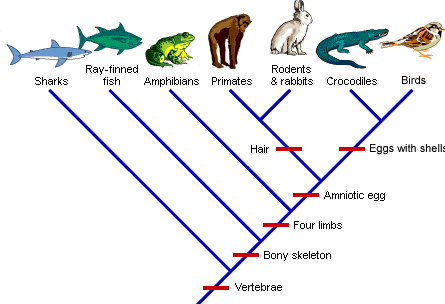
186.
Which two orgainsms have hair? 
a)
Sharks & Ray Finned Fish
b)
Primates & Rodents
c)
Birds & Crocodiles
d)
Rabbits & Birds
187.
What is the most specific level of classification?
a)
Family
b)
Domain
c)
Species
d)
Carolus Linnaeus
188.
Which domain is capable of living in extreme environments like hot springs, geysers, or very salty waters?
a)
Bacteria
b)
Archaea
c)
Eukarya
189.
Which domain includes all animals and plants?
a)
Archaea
b)
Eukarya
c)
Bacteria
190.
To which phylum do birds and cats belong?
a)
Arthropoda
b)
Chordata
c)
Echinodermata
d)
Cnidaria
191.
Organisms whose cells have NO nucleus are classified as...
a)
Eukaryotic
b)
Prokaryotic
c)
Dead
192.
True or False: All living things are made of one or more cells.
a)
True
b)
False
193.

The species name for Modern Human is what?

a)

Homo sapiens

b)

Homo erectus

c)

Homo habilis

d)

Neanderthal

194.

Members of the kingdom plantae...

a)

eukaryotic and autotrophic

b)

eukaryoticand heterotrophic only

c)

prokaryotic and autotrophic

d)

prokaryotic and heterotrophic only

195.
Gymnosperms reproduce using 
a)
spores
b)
seeds in cones
c)
seeds in fruit
196.
Angiosperms reproduce using
a)
spores
b)
seeds in cones
c)
seeds in fruit
197.
Which one is a NONVASCULAR plant?
a)
moss
b)
fern
c)
gymnosperm
d)
angiosperm
198.

A process of the food industry that that is used to kill harmful bacteria is _________________.

a)

fission

b)

pasteurization

c)

botulism

d)

vaccination

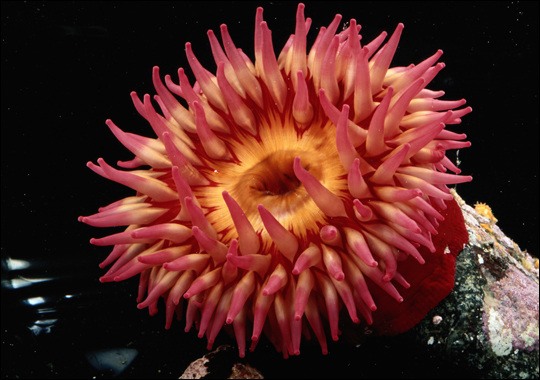
199.

What type of symmetry does this animal (sea anemone) exhibit?

a)

Asymmetry

b)

Bilateral symmetry

c)

Radial symmetry

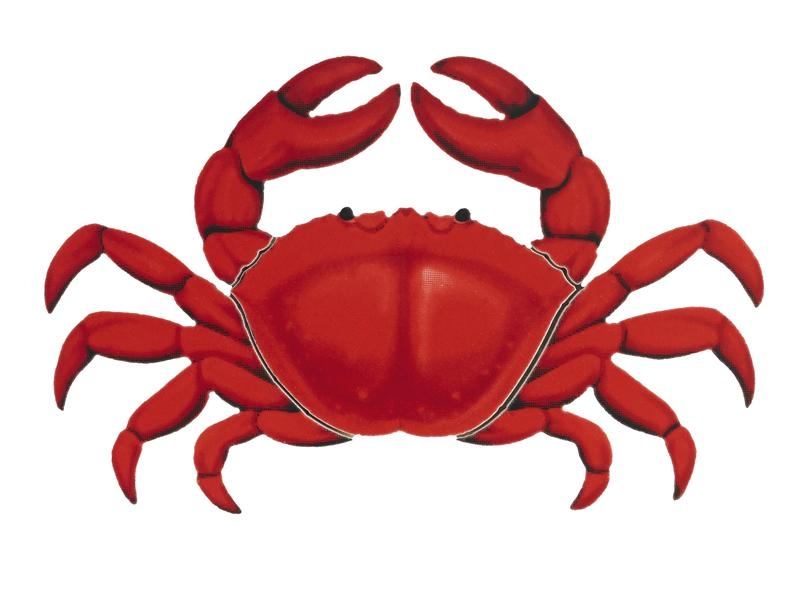
200.

What type of symmetry does this animal (a crab) exhibit?

a)

Asymmetry

b)

Bilateral symmetry

c)

Radial symmetry