
 Worksheets
Grade 8 Science MegaQuiz
Total questions: 201
Worksheet time: 3hrs 46mins
Name
Class
Date
1.
An organism that produces its own food from inorganic compounds is called a(an)
a)
heterotroph
b)
consumer
c)
detritivore
d)
autotroph
2.
What is the source of energy in all ecosystems (except some deep ocean ones)?
a)
carbohydrates
b)
sunlight
c)
water
d)
carbon
3.
What is the term for each step in the transfer of energy and matter within a community of plants and animals?
a)
energy path
b)
food web
c)
trophic level
d)
food pyramid
4.
Autotrophs make up the _______ trophic (feeding) level in all ecosystems.
a)
First
b)
Second
c)
Third
d)
Fourth
5.

A living relationship between two species in which one organism is harmed is called...
a)
mutualism
b)
commensalism
c)
parasitism
d)
niche
6.

What does a food web represent?
a)
All connections of energy flow throughout all organisms in a habitat.
b)
The specific ways that mutualism is carried out.
c)
A single pathway or energy flow between organisms.
d)
How carnivores get their food.
7.

The image provided is an example of a(n):
a)
Carnivore
b)
Herbivore
c)
Producer
d)
Autotroph
8.

The image provided is an example of a(n):
a)
Producer
b)
Autotroph
c)
Consumer
d)
Insect
9.
The amount of energy that usually transfers from one trophic level to the next...
a)
10%
b)
20%
c)
80%
d)
50%
10.
An illustration that uses arrows to show the many possible directions in which matter and energy can pass through the organisms in an ecosystem.
a)
Food chain
b)
Food web
c)
Energy Pyramid
d)
Succession Map
11.
The nonliving aspects of an ecosystem.
a)
Abiotic factors
b)
Biotic factors
12.
The living portions of the ecosystem.
a)
Biotic factors
b)
Abiotic factors
13.
Water temperature would be an example of ...
a)
A biotic factor
b)
An abiotic factor
14.
A collection of organisms that belong to different populations but all live in the same area and interact with one another.
a)
Population
b)
Ecosystem
c)
Community
d)
Ecosphere
15.
A place where an organism lives.
a)
Terrain
b)
Habitat
c)
Community
d)
Population
16.
A collection of organisms that make up a community as well as all of the nonliving aspects of the environment.
a)
Population
b)
Community
c)
Habitat
d)
Ecosystem
17.
Organisms that can capture energy from inorganic, nonliving sources.
a)
Producers
b)
Consumers
c)
Detritivores
d)
Carnivores
18.
Organisms that feed on both living producers and other consumers.
a)
Carnivores
b)
Omnivores
c)
Herbivores
d)
Detritivores
19.
An organism at the second trophic level would be considered a...
a)
Top carnivore
b)
Producer
c)
Herbivore
d)
Carnivore
20.
A graphic illustration that shows each trophic level and the amount of useable energy contained within.
a)
Food chain
b)
Food web
c)
Energy Pyramid
d)
All of these
21.
True or False: It is possible for a carnivore to be a producer.
a)
False
b)
True
22.
Which particles are in the nucleus?
a)
Protons
b)
Neutrons
c)
protons and electrons
d)
protons and neutrons
23.

What element is this?
a)
Helium
b)
Hydrogen
c)
Argon
d)
Silver
24.
what is Ionic bonds made out of?
a)
Two metals
b)
1 metal and 1 nonmetal
c)
Two nonmetals
25.
What are Covalent bonds made of?
a)
Two metals
b)
2 nonmetals
c)
3 nonmetals
26.
Name this compound:
NaBr
NaBr
a)
Bromide sodide
b)
Sodium bromide
c)
Sodium bromate
d)
Sodium bromite
27.
Balance this equation, Al2O3 ---> Al + O2
a)
Cannot be balanced
b)
2Al2O3 ---> 2Al + 3O2
c)
2Al2O3 ---> 4Al + 3O2
d)
3Al2O3 ---> 2Al + O2
28.
Name this reaction, Cl2 + 2KI --> I2 + 2KCl
a)
Synthesis
b)
Single Replacement
c)
Double Replacement
d)
Decomposition
29.
Balance this equation: H2 + N2 → NH3
a)
H2 + 4N2 → NH3
b)
H2 + 3N2 → 2NH3
c)
3H2 + N2 → 2NH3
d)
2H2 + 2N2 → 2NH3
30.
What is a PUSH or PULL of an object?
a)
Motion
b)
Force
c)
Friction
d)
Gravity
31.
What is a force that works AGAINST MOTION?
a)
Force
b)
Motion
c)
Gravity
d)
Friction
32.
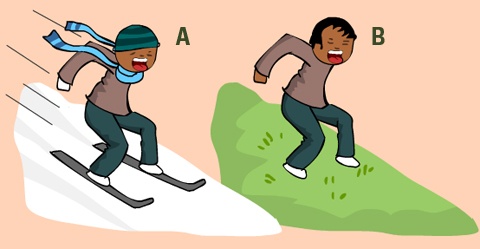
Why is it harder for the boy in Image B to get down the hill?
a)
Motion
b)
Friction
c)
Work
d)
Displacement
33.
Which force produces a change in motion?
a)
unbalanced force
b)
balanced force
c)
gravitational force
d)
frictional force
34.
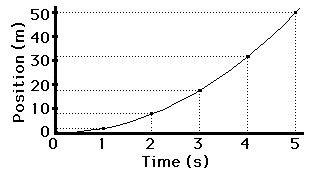
The picture of the position vs. time graph shows an object that is...
a)
accelerating/speeding up
b)
moving at a constant speed
c)
not moving
d)
accelerating/slowing down.
35.
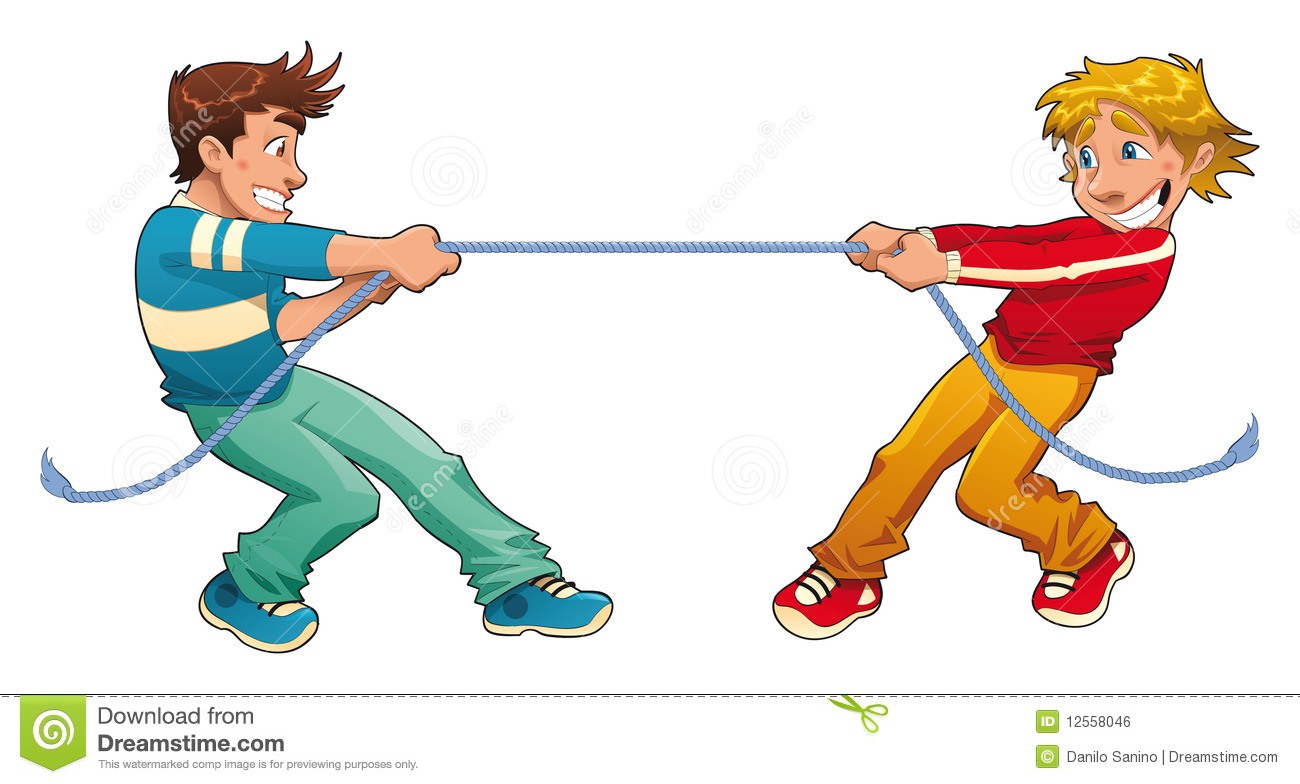
If these boys are pulling with the same amount of force. What will happen?
a)
The boy in blue will win.
b)
They will not move at all.
c)
The boy in red will win.
d)
Both will fall down.
36.
What pulls a ball back to earth?
a)
Gas
b)
Gravity
c)
Friction
d)
Molecules
37.
What is the standard unit force is measured in?
a)
Newtons
b)
pounds
c)
grams
d)
meters
38.
What happens when one object moves an object over a distance?
a)
Inertia
b)
Work
c)
Displacement
d)
Magnetism
39.
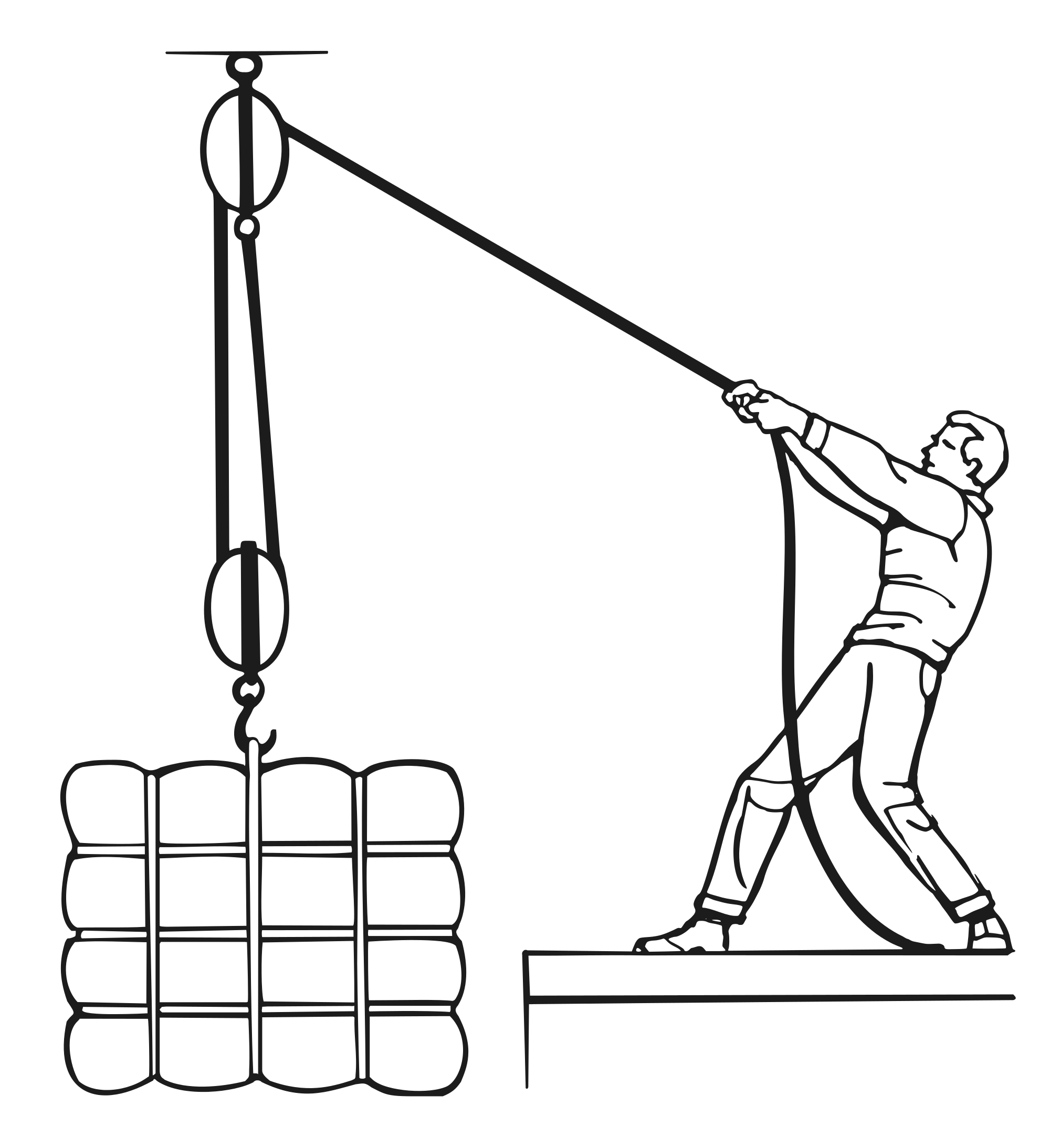
If you pull the cord, what direction will the box move?
a)
Up
b)
Down
c)
Left
d)
Right
40.
When an atom has an equal number of protons and electrons, the charge of the atom is
a)
Positive
b)
No Charge
c)
Negative
41.
In a series circuit, if more light bulbs are added, the bulbs become
a)
Hotter
b)
Brighter
c)
Dimmer
42.
The unit for current is the
a)
Volt
b)
Ohm
c)
Electron
d)
Amp
43.
The buildup of charges on an object is called
a)
Static Electricity
b)
Static Discharge
c)
Power
d)
Volts
44.
In a ________ circuit there are multiple paths for the current to take.
a)
Series
b)
Parallel
45.
A material through which charges cannot easily flow...
a)
Insulator
b)
Conductor
c)
Resistor
46.
The continuous flow of electric charges through a material is called...
a)
Electric Field
b)
Electric Force
c)
Electric Current
d)
Electric Circuit
47.
A complete, unbroken path through which electric charges can flow is called...
a)
Electric Force
b)
Electric Field
c)
Electric Current
d)
Electric Circuit
48.
The measure of how difficult it is for charges to flow through a material.
a)
Static Discharge
b)
Resistance
c)
Voltage
d)
Power
49.
A combination of two or more electrochemical cells in a series is called a...
a)
Volt
b)
Battery
c)
Generator
d)
Wire
50.
Electrical charges that are the same _______ each other, and electrical charges that are different _______ each other.
a)
Attract, Repel
b)
Repel, Attract
c)
Attract, Attract
d)
Repel, Repel
51.
What is the unit for resistance?
a)
Volts
b)
Amperes
c)
Ohms
52.
What is a closed path for electrons to flow through?
a)
static electricity
b)
circuit
c)
amperes
53.
Identify the insulator below.
a)
aluminum foil
b)
paperclip
c)
rubber eraser
54.
Thicker wires have _______ resistance than thinner wires.
a)
more
b)
less
c)
the same
55.
How many volts are in a circuit with a battery that has a resistance of 10 Ohms and a current of 2 Amps?
a)
.5 Volts
b)
5 Volts
c)
20 Volts
56.
Electricity is the flow of _________.
a)
protons
b)
neutrons
c)
electrons
57.

What type of circuit is pictured?
a)
series
b)
Parallel
58.
All Offspring of Asexual reproduction are identical
a)
True
b)
False
59.
How many parent(s) are needed for sexual reproduction?
a)
1
b)
9
c)
4
d)
2
60.
What is needed for sexual reproduction?
a)
peanut butter & jelly
b)
regeneration & budding
c)
fertilizer & pollen
d)
sperm & egg
61.
What is an advantage of sexual reproduction?
a)
Allows genetic variation
b)
Only needs one parent
c)
Happens very quickly
d)
Offspring are exact copies of parent
62.
What is one disadvantage of sexual reproduction?
a)
Only one parent needed
b)
Off spring are exact copies of parents
c)
Happens very quickly
d)
Needs two parents
63.
What number of chromosomes are handed down by a egg cell?
a)
46
b)
12
c)
23
d)
96
64.
In the male reproduction system, the testes produces sperm.
a)
True
b)
False
65.
A male shark has 40 chromosomes in each of its sex cells. How many would be present in its BODY cells?
a)
20
b)
40
c)
80
d)
160
66.

The diagram below shows a cellular process that occurs in organisms.
What is the name of this process?
What is the name of this process?
a)
meiosis
b)
mitosis
c)
endocytosis
d)
phagocytosis
67.

Meiosis makes sperm and egg cells. In humans, sperm and egg cells each have _____ chromosomes. Therefore a fertilized human egg cell (sperm and egg cell combined) would create a cell with _____ chromosomes.
a)
23, 46
b)
46, 23
c)
2, 4
d)
50, 100
68.
When the egg and sperm cells unite, this is called...
a)
Fertilization
b)
Zygote
c)
Embryo
d)
Cell Differentiation
69.
The skin sac that holds the testes outside the body cavity is called the
a)
scrotum
b)
epididymis
c)
vas deferens
70.
The correct term for the release of sperm from the penis is
a)
ejaculation
b)
sploosh
c)
orgasm
d)
ovulation
71.
The tube pathway that leads sperm to the urethra is the
a)
vas deferens
b)
fallopian tubes
c)
sperm tunnel
d)
highway of fast and furious
72.
Energy of motion is which type of energy?
a)
Potential
b)
Kinetic
c)
Sound
d)
Gravitational
73.
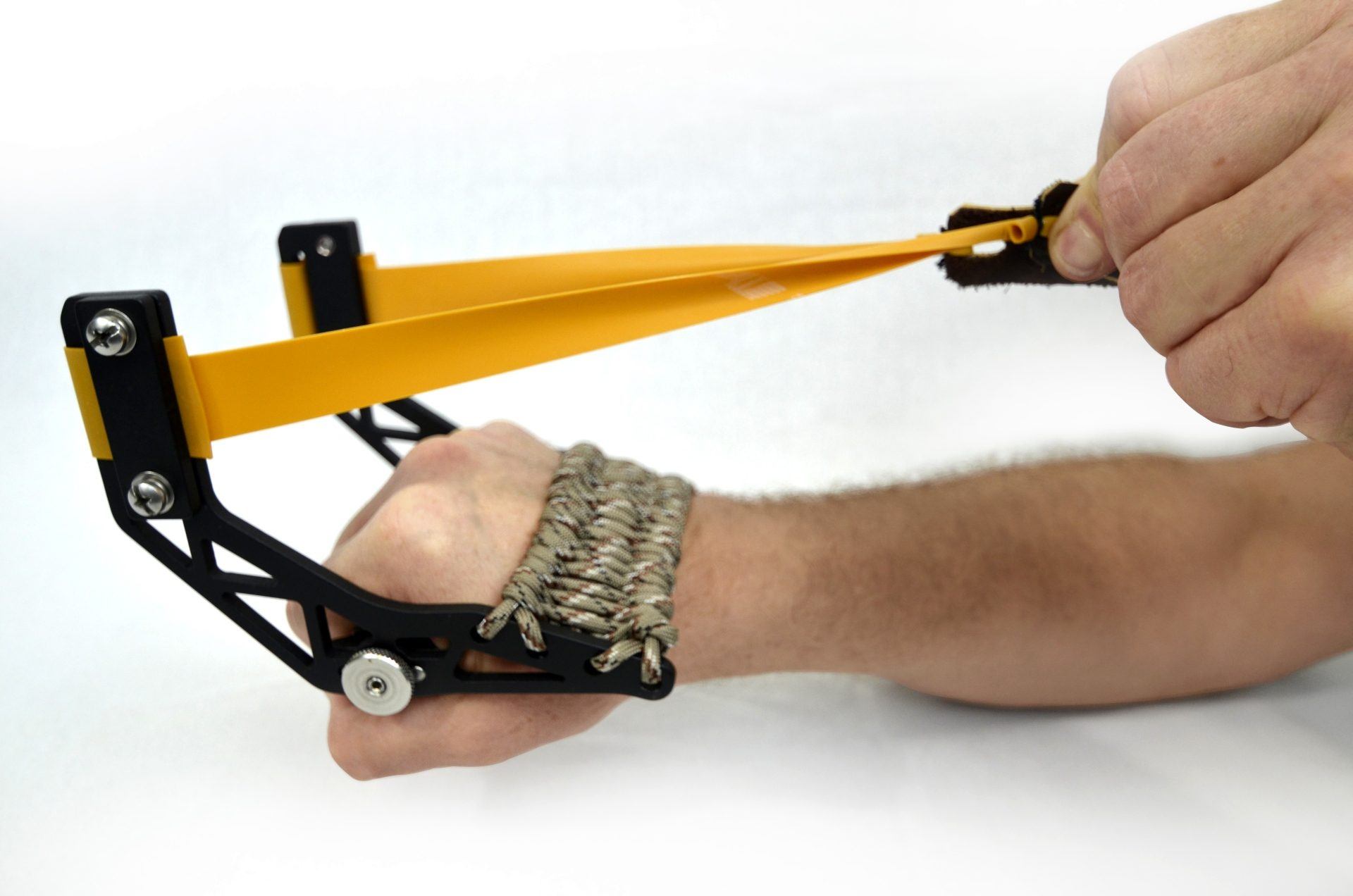
What type of energy is in this picture?
a)
Kinetic
b)
Potential
c)
Chemical
d)
Sound
74.

What kind of energy is represented in this picture?
a)
Thermal
b)
Potential
c)
Nuclear
d)
Mechanical
75.
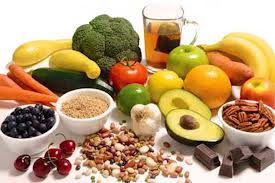
What kind of energy is represented in the picture?
a)
Thermal
b)
Chemical
c)
Sound
d)
Nuclear
76.
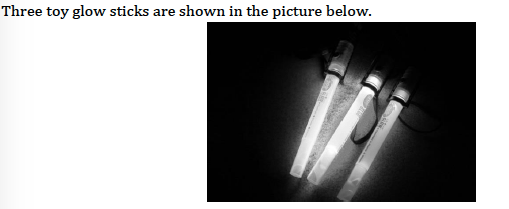
The glow sticks produce light for a short amount of time. The light from the glow stick is a conversion from what to what?
a)
thermal to light
b)
gravitational to potential
c)
radiant to electrical
d)
chemical to light
77.
Wind turbines and windmills convert what energy to another?
a)
Kinetic to electric
b)
Gravitational potential to electric
c)
Mechanical to potential
d)
Thermal to sound
78.
What determines an element's atomic mass?
a)
The total number of electrons
b)
The total number of protons and electrons
c)
The total number of protons and neutrons
d)
The total number of protons
79.
A neutral atom has the same
a)
number of protons and neutrons
b)
number of protons and electrons
c)
number of electrons and neutrons
d)
number of atoms as Adam
80.
A molecule is
a)
two or more atoms bonded together
b)
one type of atom
c)
smaller than an atom
d)
an element
81.
A compound is
a)
a pure substance made out of two or more elements bonded together
b)
a pure substance made out of only one element
c)
an impure substance
d)
not a real thing
82.

Name this compound: H2O
a)
Water
b)
Carbon dioxide
c)
Hydrogen peroxide
d)
Sulfuric acid
83.
What atoms make up a water molecule
a)
1 hydrogen, 1 oxygen
b)
1 hydrogen, 2 oxygen
c)
2 hydrogen, 1 oxygen
d)
1 water
84.
What atoms make up a carbon dioxide molecule?
a)
2 carbon, 1 oxygen
b)
1 carbon dioxide
c)
1 carbon, 2 oxygen
d)
1 carbon, 1 dioxide
85.
How are elements organized in the periodic table?
a)
Alphabetically
b)
With other elements with similar physical and chemical properties
c)
With other elements with the same atomic number
d)
Reverse alphabetical order
86.
A substance with a pH of 4 would be:
a)
Acidic
b)
Basic
87.
A substance with a pH of 12 would be:
a)
Acidic
b)
Basic
88.
A substance that is able to burn is:
a)
Flammable
b)
Basic
c)
A liquid
d)
Water
89.
The ability to rust is a:
a)
Physical property
b)
Chemical Property
90.
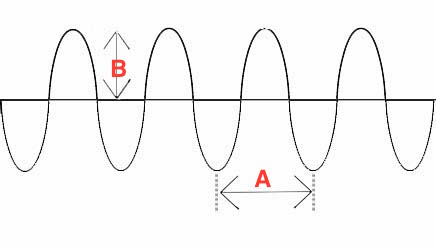
What property of the wave is represented by the letter "B"?
a)
amplitude
b)
crest
c)
trough
d)
wavelength
91.
What property of the wave is represented by the letter "B"?
a)
amplitude
b)
crest
c)
trough
d)
wavelength
92.
The highest point on a wave is:
a)
the crest
b)
the trough
c)
the top
d)
the coast
93.
The lowest point on a wave is the:
a)
Amplitude
b)
Crest
c)
Trough
d)
Wavelength
94.
The number of wavelengths that pass a point each per second is:
a)
frequency
b)
period
c)
longitudinal
d)
transverse wave
95.
The type of waves that require medium to pass:
a)
Mechanical Waves
b)
Electromagnetic Waves
96.
When the frequency of a wave increases, what happens to the wavelength?
a)
The wavelength is not directly affected by the frequency of a wave.
b)
The wavelength increases.
c)
The wavelength decreases.
d)
More specific information is needed to form a conclusion about the wavelength.
97.
A mechanical wave cannot travel through...
a)
a vacuum(empty space).
b)
water.
c)
air.
d)
glass.
98.
Which of the following can sound travel through?
a)
solid
b)
liquid
c)
gas
d)
all of the above
99.
regular disturbances that carry energy through matter or space
a)
crest
b)
energy
c)
wave
d)
trough
100.
which material does sound travel the fastest?
a)
solid
b)
liquid
c)
gases
101.
When a wave strikes and object and bounces off. (example echo)
a)
medium
b)
refraction
c)
reflection
d)
interference
102.
When a wave bends as it passes through at an angle from one medium to another.(example: pencil in a glass of water-)
a)
medium
b)
refraction
c)
reflection
d)
interference
103.
In the modern periodic table elements are arranged by:
a)
atomic mass
b)
atomic number
c)
valence electrons
d)
number of isotopes
104.
The alkali metals have how many valence electrons?
a)
1
b)
2
c)
7
d)
8
105.
The noble gases have how many valence electrons?
a)
1
b)
2
c)
7
d)
8
106.
Elements which are shiny, conduct electricity and heat are called
a)
metal
b)
nonmetal
c)
metalloid
d)
nonexistent
107.
Elements which are considered semiconductors are
a)
metal
b)
nonmetal
c)
metalloid
d)
nonexistent
108.

The blue atoms are called
a)
metals
b)
nonmetals
c)
metalloids
d)
noble gases
109.

The atoms along the staircase are called
a)
metals
b)
nonmetals
c)
metalloids
d)
noble gases
110.
Which of the following is not a property of metals?
a)
brittle
b)
malleable
c)
lustrous
d)
conductive
111.
If a material can easily be drawn into the shape of a wire, it is
a)
Ductile
b)
Magnetic
c)
Malleable
d)
Reactive
112.
All the elements on the right side of the periodic table are called..
a)
Metals
b)
Metalloid
c)
Nonmetals
113.
Which element is not in the Alkali metal family?
a)
Li
b)
H
c)
Fr
d)
Cs
114.

Beryllium is in group number______.
a)
Group 2
b)
Group 3
c)
Group 4
d)
Group 7
115.

The period for Bromine is ___________.
a)
3
b)
2
c)
4
116.
What is the name of the group that never reacts--ever ever they are stable with a full outermost ring!!!
a)
noble gases
b)
transition
c)
halogens
d)
borons
117.

The chewing and grinding of food into smaller pieces is an example of...
a)
Mechanical Digestion
b)
Chemical Digestion
118.

Bile is made by which digestive organ?
a)
Gallbladder
b)
Stomach
c)
Rectum
d)
Liver
119.

Which digestive organ makes digestive juices to help the small intestine absorb nutrients?
a)
Liver
b)
Gallbladder
c)
Pancreas
d)
Esophagus
120.

Nutrients from digested food are absorbed in which digestive organ?
a)
Small Intestine
b)
Stomach
c)
Large Intestine
d)
Gallbladder
121.
Which of the following is NOT part of the digestive tract? (Hint: Identify the secondary organ.)
a)
Mouth
b)
Esophagus
c)
Small Intestine
d)
Liver
122.

Number 4 is pointing to the....
a)
Anus
b)
Rectum
c)
Large Intestine
d)
Small intestine
123.

Number 5 is pointing to the...
a)
Liver
b)
Gallbladder
c)
Pancreas
d)
Stomach
124.

Number 3 is pointing to the...
a)
Small intestine
b)
Rectum
c)
Large intestine
d)
Stomach
125.

Number 2 is pointing to the...
a)
Esophagus
b)
Stomach
c)
Small intestine
d)
Anus
126.

Which organ pushes food down to the stomach?
a)
Mouth
b)
Esophagus
c)
Rectum
d)
Large intestine
127.
Which body system gets ride of solid waste?
a)
Excretory (Urinary)
b)
Digestive
c)
Circulatory
d)
Respiratory
128.

As waste moves through the digestive system, the ______ absorbs water before storing waste in the rectum.
a)
Small intestine
b)
Stomach
c)
Esophagus
d)
Large intestine
129.
A short tube at the end of the large intestine that stores solid waste is the...
a)
Anus
b)
Rectum
130.

Bile is stored in which secondary digestive organ?
a)
Stomach
b)
Liver
c)
Gallbladder
d)
Pancreas
131.
Which is NOT a function of the Digestive System?
a)
To rid the body of solid waste
b)
Absorb nutrients for energy & growth
c)
Break down nutrients from food
d)
Pump blood around the body
132.

The opening at the end of the digestive system where solid waste comes out is the...
a)
rectum
b)
anus
c)
mouth
d)
large intestine
133.
Enzymes (chemicals) in your saliva help break down food while chewing. This is...
a)
Mechanical digestion
b)
Chemical digestion
134.
Most chemical digestion takes place in which organ?
a)
Stomach
b)
Small intestine
c)
Rectum
d)
Esophagus
135.

Number 7 is pointing to...
a)
Mouth
b)
Esophagus
c)
Small intestine
d)
rectum
136.

Number 8 is pointing to the...
a)
small intestine
b)
stomach
c)
anus
d)
rectum
137.
Which component of blood is 90% water?
a)
plasma
b)
platelets
c)
red blood cells
d)
white blood cells
138.
Which component of blood carries oxygen to the body cells?
a)
Plasma
b)
platelets
c)
Red blood cells (RBC)
d)
white blood cells (WBC)
139.
The function of the white blood cells is to:
a)
carry carbon dioxide
b)
maintain water balance in the blood
c)
carry waste away from body cells
d)
fight disease
140.
Blood returns to the heart from the body through blood vessels called:
a)
arteries
b)
veins
c)
ligaments
d)
capillary
141.
The lower (bottom) chambers of the heart are called:
a)
atrium
b)
veins
c)
ventricles
d)
valve
142.
The upper chambers of the heart are called:
a)
atrium
b)
veins
c)
ventricles
d)
valve
143.
The tiny blood vessels where substances are exchanged between the blood and body cells are called:
a)
arteries
b)
veins
c)
capillaries
d)
aorta
144.
What is haemoglobin?
a)
The body's drainage system
b)
Cell fragments that help form blood clots
c)
a protein that binds chemically to oxygen molecules
d)
the liquid part of blood
145.

What is the name of structure 2?
a)
Right Atrium
b)
Right Ventricle
c)
Left Atrium
d)
Left Ventricle
146.

What is the name of structure 3?
a)
Superior Vena Cava
b)
Right Pulmonary Vein
c)
Right Ventricle
d)
Right Atrium
147.

What is the name of structure 7?
a)
Left Atrum
b)
Left Ventricle
c)
Mitrial Valve
d)
Aortic Valve
148.

What is the name of structure 9?
a)
Left Ventricle
b)
Left Atrium
c)
Left Pulmonary Vein
d)
Left Pulmonary Artery
149.

What is the name of structure 5?
a)
Aorta
b)
Pulmonary Valve
c)
Atrium
d)
Ventricle
150.
What function (job) does the heart do?
a)
Protects organs and produces red blood cells.
b)
Generates heat.
c)
Breaks down food into nutrients.
d)
The heart is a pump, which moves the blood. The arteries and veins are the pipes where the blood flows.
151.
Magnetism is generated by moving
a)
protons.
b)
electrons.
c)
neutrons.
d)
elements.
152.

What do the lines around this magnet represent?
a)
North Pole
b)
South Pole
c)
Magnetic Declination
d)
Magnetic Field
153.

If you place the North pole of a magnet next to the South pole of another magnet, they will:
a)
Attract
b)
Repel
c)
Do nothing
d)
Shatter
154.
If you cut a magnet in half, what happens to the poles?
a)
One half gets the North Pole, the other half gets the South Pole
b)
Both halves get only a North Pole
c)
Both halves get only a South Pole
d)
Both halves get a North pole and a South Pole
155.
A refrigerator magnet is an example of a:
a)
magnetic material
b)
permanent magnet
c)
horseshoe magnet
d)
temporary magnet
156.
A paper clip is an example of a:
a)
magnetic material
b)
permanent magnet
c)
bar magnet
d)
insulator
157.
Magnetic force can pass through many materials (paper, plastic, etc.)
a)
True
b)
False
158.
An electromagnet's poles may be reversed by:
a)
decreasing the voltage of the coil
b)
increasing the number of coils
c)
changing the direction of current flow
d)
altering the material used to make the coils
159.

This rock formed when bits of other rocks became pressed into a solid. What type of rock is it?
a)
Sedimentary Rock
b)
Metamorphic Rock
c)
Igneous Rock
160.

This rock formed when lava cooled very quickly on Earth's surface. What specific type of rock is it?
a)
Extrusive Igneous Rock
b)
Intrusive Igneous Rock
c)
Non-Foliated Metamorphic Rock
d)
Biochemical Sedimentary Rock
161.

This rock was formed when magma cooled very slowly inside the Earth. What specific type of rock is it?
a)
Intrusive Igneous Rock
b)
Extrusive Igneous Rock
c)
Foliated Metamorphic Rock
d)
Clastic Sedimentary Rock
162.
When you watch a volcano erupt molten rock, you are seeing _____
a)
Lava
b)
Magma
c)
Mineral Crystals
d)
Igneous Rocks
163.
What are the 3 major types of rocks?
a)
Igneous, Metamorphic, Sedimentary
b)
Metamorphic, Igneous, Cementation
c)
Brown, Red, Gray
d)
Streak, Hardness, Breakage
164.
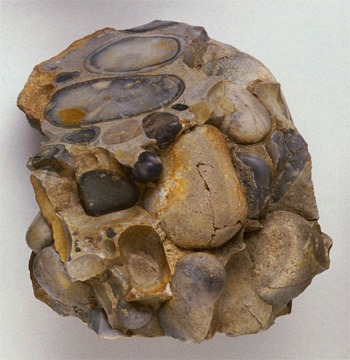
This rock was formed by smaller pieces of rock that settled at the bottom of a lake millions of years ago. What type of rock is this?
a)
Sedimentary
b)
Igneous
c)
Metamorphic
165.
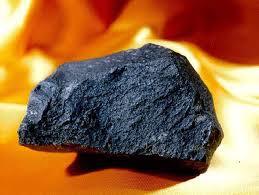
This rock was found near the mouth of a volcano. What type of rock is this?
a)
Sedimentary
b)
Igneous
c)
Metamorphic
166.

The process when rocks break into smaller pieces due to exposure to natural elements is called
a)
erosion
b)
weathering
c)
sediments
167.
The movement of weathered material (sediment) is called?
a)
weathering
b)
erosion
c)
deposition
168.
What is deposition?
a)
Dropping off sediment
b)
Movement of sediment
c)
Breaking down of sediment
169.
Why is coal not a mineral?
a)
It's not a solid
b)
It is man-made
c)
It is not inorganic
d)
It is made of carbon
170.

By definition, a mineral has which of the following characteristic(s)?
a)
definite chemical composition
b)
crystal structure
c)
naturally occuring
d)
all of the above
171.
How do you test the hardness of a mineral?
a)
Throw it against a wall
b)
Step on it
c)
Scratch Test
d)
Kick it until it breaks
172.

What mineral is used for pencils?
a)
Graphite
b)
Galena
c)
Magnetite
d)
Quartz
173.
The solid, geometric form of a mineral produced by a repeating pattern of atoms
a)
crystal
b)
density
c)
element
d)
fracture
174.
Which mineral smells like rotten eggs?
a)
talc
b)
sulfer
c)
mica
d)
pyrite
175.
Choose the word that belongs in the sentence. A sound wave is a type of ______________ wave.
a)
parallel
b)
transverse
c)
longitudinal
d)
perpendicular
176.
Where would you be traveling in complete silence?
a)
outer space
b)
under the ocean
c)
in a solid wood room
d)
at the top of a mountain
177.
A guitarist strums two strings on a guitar. The first string vibrates more quickly than the second string. What is true about the pitch of the string?
a)
The first string has a higher pitch than the second string
b)
The second string has a higher pitch that the first string.
c)
The first string and the second string have the same pitch.
d)
The pitch of the second string depends on the pitch of the first string.
178.
Which part of the ear is filled with liquid that vibrates, causing little hairs to move?
a)
cochlea
b)
eardrum
c)
middle ear
d)
outer ear
179.
How are light waves and sound waves similar?
a)
The both are invisible.
b)
They both carry energy.
c)
They both travel in vacuums.
d)
They both are harmful to cells.
180.
When does light refract?
a)
When light travels in a vacuum.
b)
When light moves through cold air.
c)
When light travels in only one medium.
d)
When light moves from one medium to another.
181.
Sound travels fastest through what type of mediums?
a)
pond water
b)
cold air
c)
iced tea
d)
wooden desk
182.
Which type of energy is formed by vibrating objects?
a)
light
b)
sound
c)
chemical
d)
mechanical
183.
During inhalation, air flows into the lungs because ___
a)
air pressure is greater outside the body than in the lungs and naturally flows inside once the chest has expanded.
b)
the strong chest muscles are sucking in air.
c)
air moves passively in and out of the lungs through time
d)
the surfactant in the lungs "draws" in air because of its adhesive properties.
184.
Which is NOT one of the four main functions of the respiratory system?
a)
exchange of gases
b)
produce vocal sounds
c)
smell
d)
taste
185.
Where does cellular respiration take place?
a)
ribosomes
b)
nucleus
c)
mitochondria
d)
cell membrane
186.
Nose hair
a)
has no purpose
b)
blocks large particles from entering the airway
c)
is necessary to keep your nose warm
d)
can be woven into scarves
187.
What connects the bronchi to the bloodstream?
a)
cartilage
b)
tiny bridges
c)
alveoli
d)
inflammation
188.
Which produce sound?
a)
true vocal cords
b)
false vocal cords
c)
sinuses
d)
students doing what they're supposed to during a test
189.
What keeps the trachea from collapsing?
a)
epiglottis
b)
hope
c)
windpipe
d)
cartilage
190.

A
a)
trachea
b)
bronchus
c)
alveoli
d)
bronchioles
191.
C
a)
trachea
b)
bronchi
c)
alveoli
d)
bronchioles
192.
E
a)
trachea
b)
bronchi
c)
alveoli
d)
bronchioles
193.
Most plants appear green because chlorophyll
a)
absorbs green light.
b)
absorbs violet light.
c)
reflects green light.
d)
does not absorb violet light.
194.
The reactants of photosynthesis are
a)
sugar and water.
b)
sugar and oxygen.
c)
carbon dioxide and water.
d)
carbon dioxide and oxygen.
195.
Which statement about photosynthesis is correct?
a)
Plants get the energy they need for photosynthesis from water.
b)
Plants get the energy they need for photosynthesis from soil.
c)
Plants get the energy they need for photosynthesis from sunlight.
d)
Plants do not require energy to perform photosynthesis.
196.
What are the products of photosynthesis?
a)
Carbon dioxide and water
b)
Carbon dioxide and oxygen
c)
Glucose and oxygen
d)
Glucose and water
197.

What process is the diagram representing?
a)
Photosynthesis
b)
Soil development
c)
Plant reproduction
d)
Nitrogen Cycle
Nitrogen cycle
Nitrogen cycle
198.
What can you infer form the fact that babies have more bones than adults?
a)
adults suffer from bone loss
b)
teenagers also have more bones than adults
c)
babies shed bones as they grow
d)
some of babies' bones fuse together as they grow
199.
What do tendons do?
a)
attach skin to bones
b)
attach muscles to bones
c)
provide support for organs
d)
attach bones to other bones
200.

Which explains why the fork looks different under water?
a)
light can't pass through the glass
b)
the wavelength of light lengthens
c)
the amount of light increases when going through water
d)
light is refracted at an angle
201.

The Law of Reflection:
The angle of incidence is _________ the angle of reflection
The angle of incidence is _________ the angle of reflection
a)
bigger than
b)
the same as
c)
smaller than
100 %

