
NEW
Font size
S
M
L
XL
 Worksheets
CFA Review
Total questions: 74
Worksheet time: 1hrs 7mins
Name
Class
Date
1.
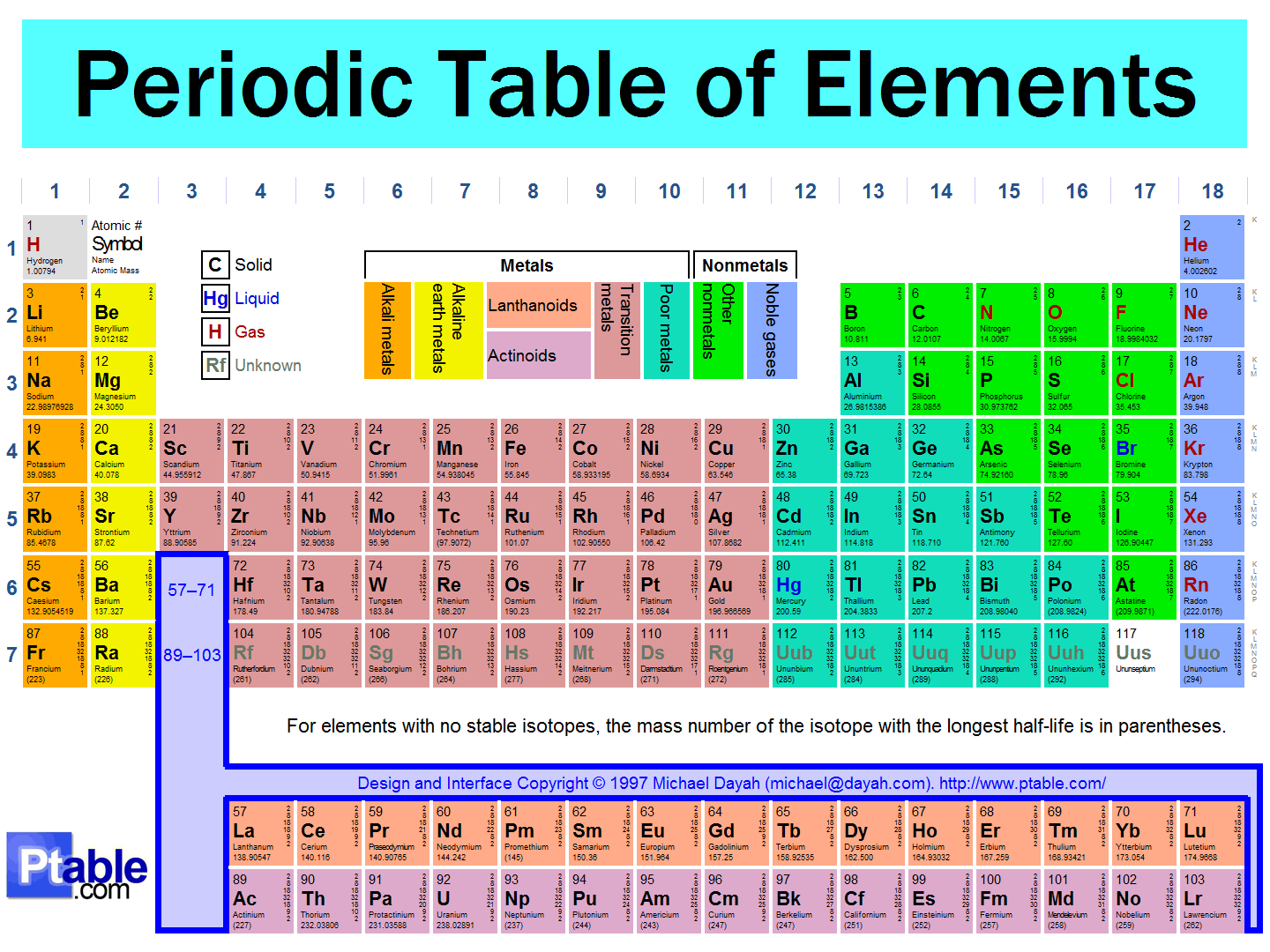
The horizontal row on the periodic table is called a
a)
group
b)
family
c)
period
d)
atomic number
2.

A vertical column is called...
a)
group
b)
tower
c)
period
d)
crew
3.
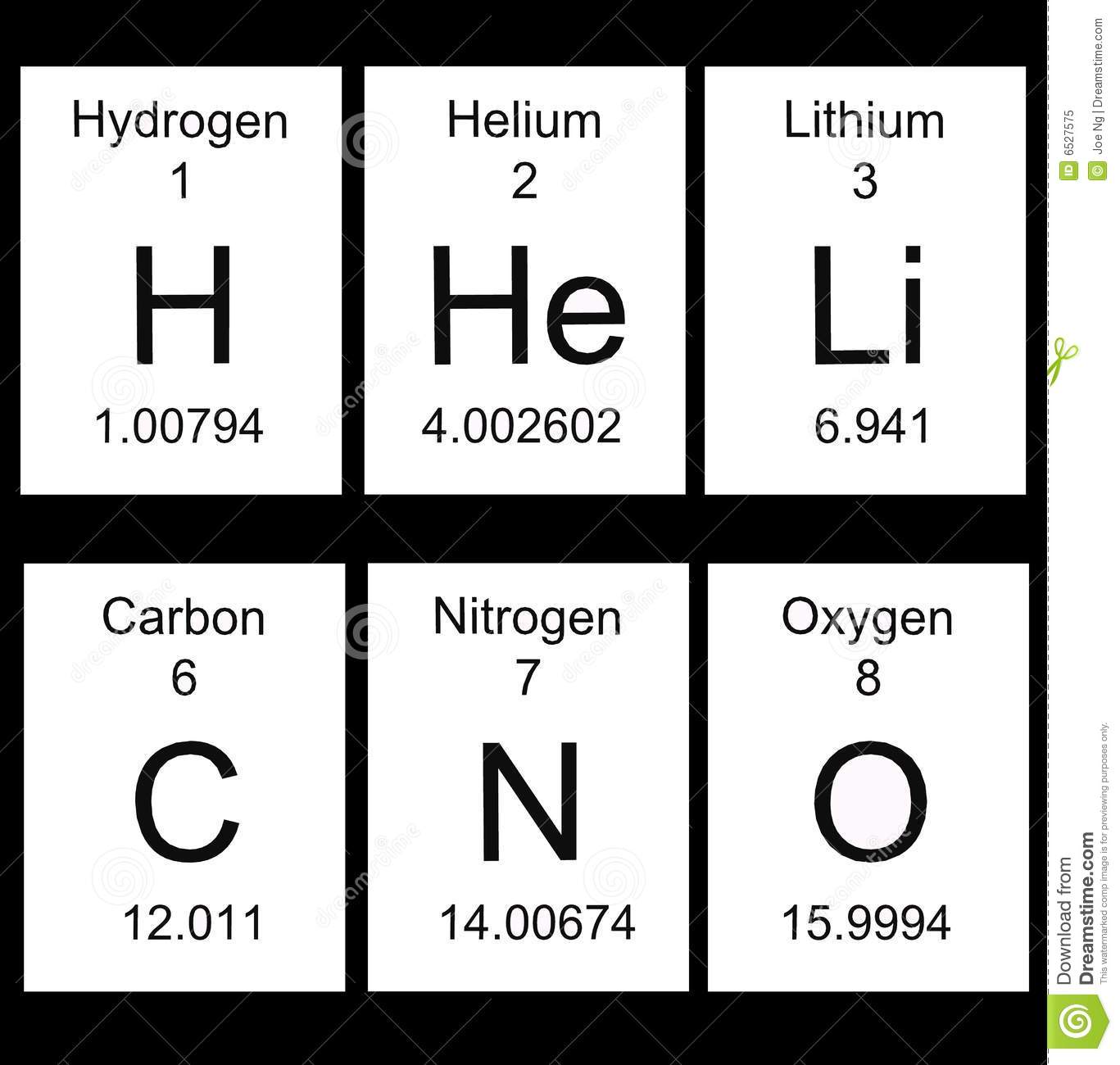
The number at the bottom of each square on the periodic table is the ...
a)
atomic number
b)
atomic mass
c)
chemical symbol
d)
element name
4.
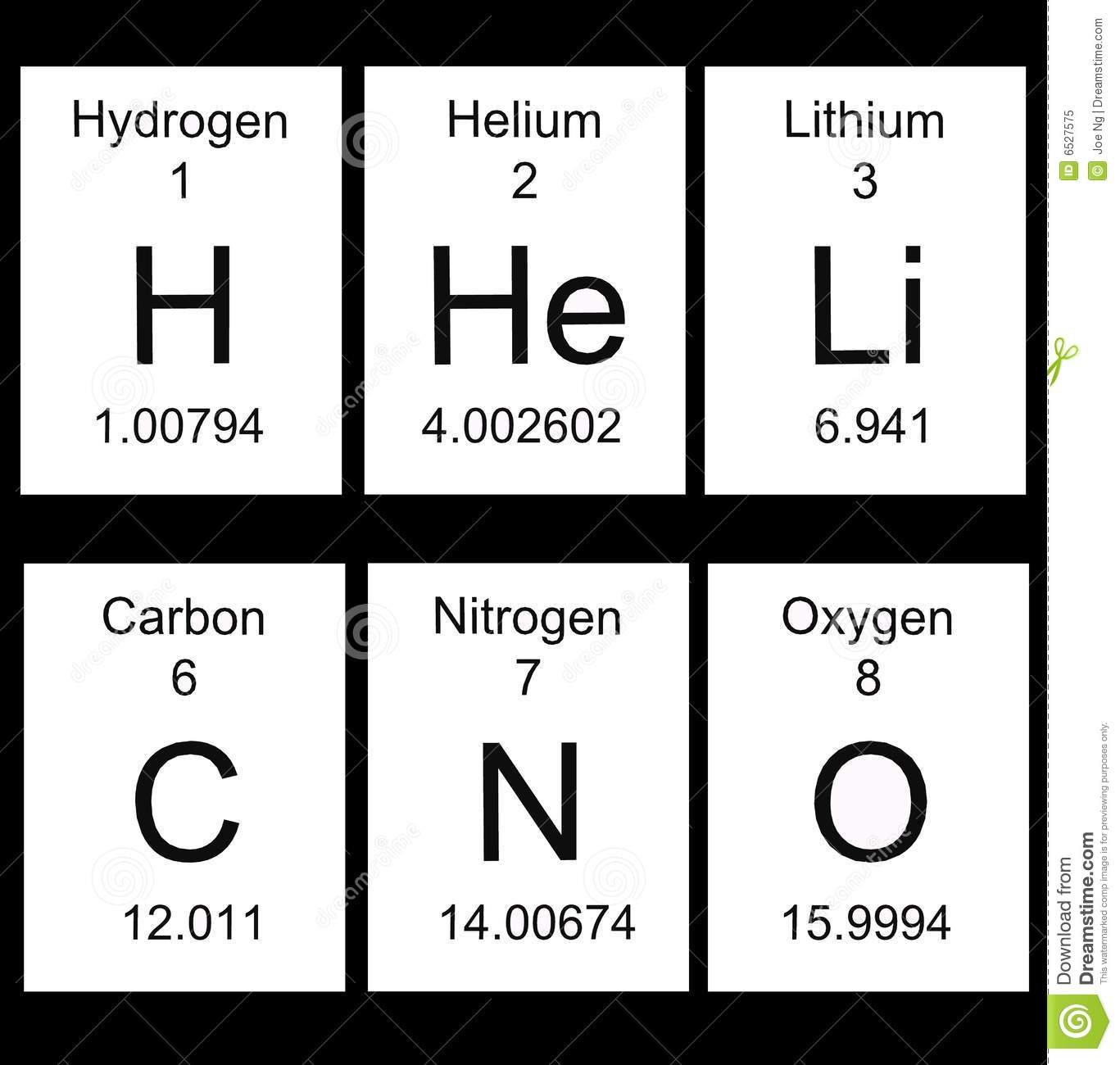
The number at the top of each square on the periodic table is the ...
a)
atomic number
b)
atomic mass
c)
Chemical Symbol
d)
Element Name
5.
Nonmetals are good conductors of heat and electricity.
a)
TRUE
b)
FALSE
6.
Which of the following properties refers to the ability of metals to be drawn into wires?
a)
A. malleability
b)
B. compressibility
c)
C. ductility
d)
D. luster
7.
Which of the following property of metal can reflect light
a)
A. malleability
b)
B. compressibility
c)
C. ductility
d)
D. luster
8.
If a substance breaks easily, it is said to be ________________.
a)
A. Magnetic
b)
B. Brittle
c)
C. Conductive
d)
D. Ductile
9.
Metals appear to the _______ of the dark ziz-zag line on the periodic table.
a)
A. right
b)
B. middle
c)
C. left
10.
Nonmetals occur to the ________of the dark zig-zag on the periodic table.
a)
A. right
b)
B. middle
c)
C. left
11.
What element in Group 1 is not a metal but a nonmetal?
a)
Helium
b)
Lithium
c)
Hydrogen
d)
Oxygen
12.
If you are not sure what to do during a lab activity:
a)
guess
b)
change lab partners
c)
ask a teacher
d)
just sit quietly and do nothing
13.
You should never ______ chemicals in the lab.
a)
taste
b)
touch
c)
smell
d)
all of the above
14.
Disrupting other students in the laboratory with horseplay in the lab is:
a)
helpful.
b)
allowed
c)
dangerous.
d)
the quickest way to do a job.
15.
You should report accidents to the teacher __.
a)
after the class is over
b)
immediately
c)
the following day
d)
never
16.
Long hair in the laboratory must be
a)
tied back or kept entirely out of the way with a hair band, hairpins, or other confining device
b)
always neatly groomed
c)
held away from the experiment with one hand
d)
cut short
17.
Approved eye protection devices (such as goggles) are worn in the laboratory
a)
to avoid eye strain
b)
to improve your vision
c)
only if you don’t have corrective glasses
d)
any time chemicals, heat or glassware are used
18.
How many different elements are in this chemical formula: C2H2ClK3
a)
6
b)
8
c)
2
d)
4
19.
Which of the following atomic symbols is written correctly?
a)
ee
b)
hE
c)
C
d)
CL
20.
Which of the following chemical formulas represents a compound?
a)
C3
b)
O2
c)
CH3CHO
d)
H2
21.
Can be found on the periodic table
a)
Element
b)
Compound
c)
MIxture
22.

Which item on this element square is the chemical symbol?
a)
Copper
b)
29
c)
Cu
d)
63.546
23.
Which of the following tells you that a chemical change may have occurred?
a)
Change Shape
b)
Melting
c)
Vaporizing
d)
Change in color
24.
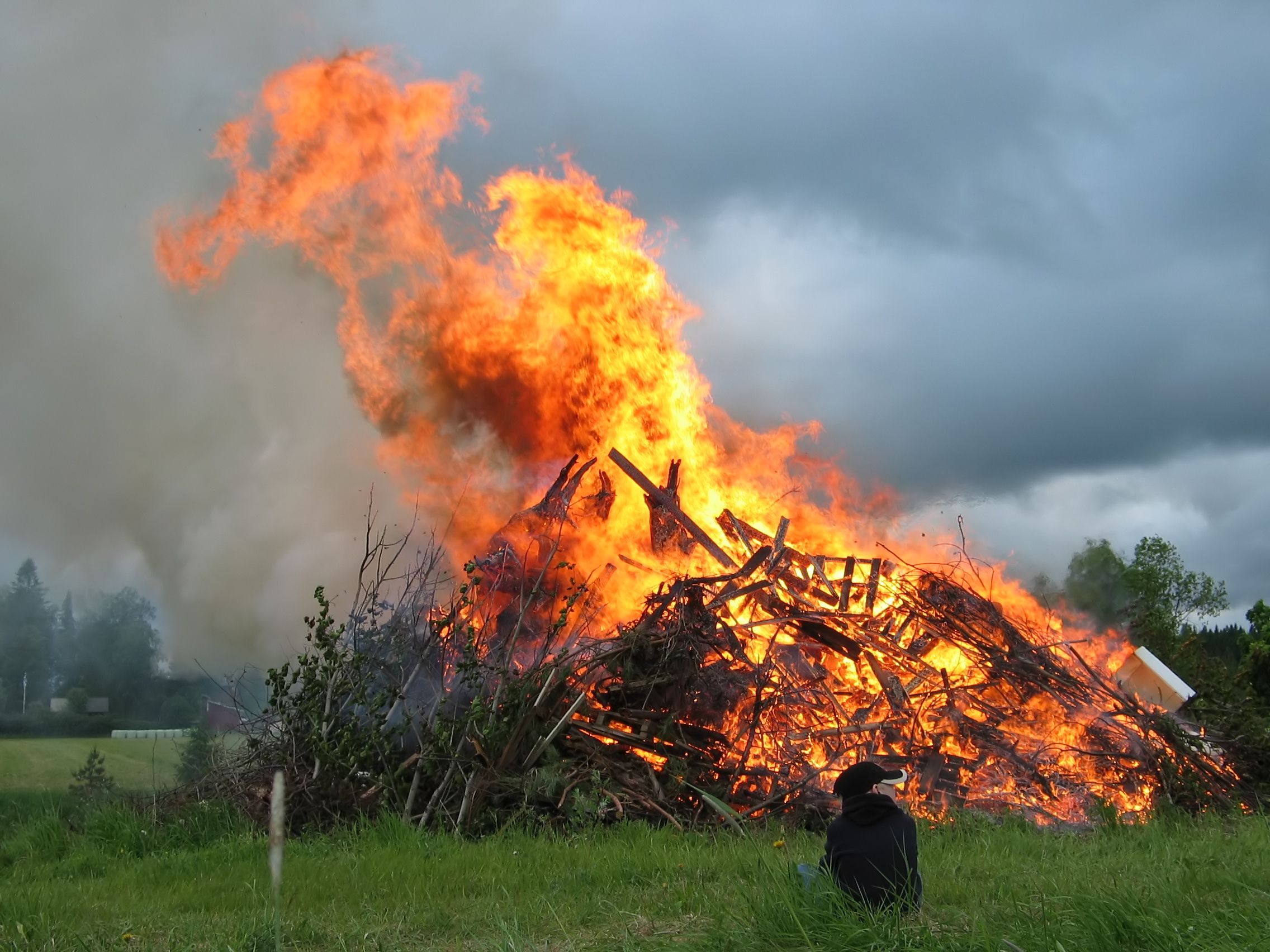
Is wood burning a physical or chemical change?
a)
Physical
b)
Chemical
25.
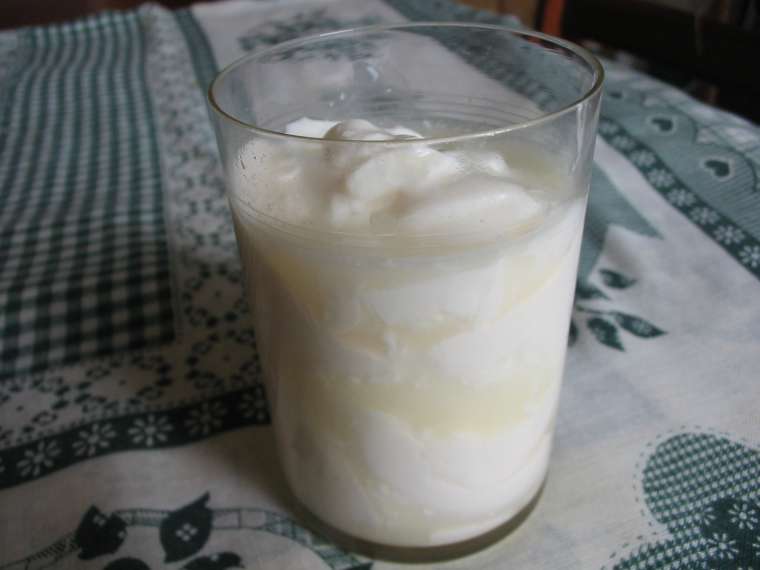
Is milk going sour a physical or chemical change?
a)
Physical
b)
Chemical
26.

Is mold growing on cheese a physical or chemical change?
a)
Physical
b)
Chemical
27.

Is sharpening a pencil a physical or chemical change?
a)
Physical
b)
Chemical
28.

Is copper tarnishing a physical or chemical change?
a)
Physical
b)
Chemical
29.

Is the formation of the grand canyon a physical or chemical change?
a)
Physical
b)
Chemical
30.
The tool used to measure the mass of a substance or object is a ______________.
a)
balance
b)
graduated cylinder
c)
ruler
d)
thermometer
31.
Jack has a rock. The rock has a mass of 14g and a volume of 2cm3. What is the density of the rock?
a)
7 mL
b)
7 g/cm3
c)
28 g/cm3
d)
1/7 g/cm3
32.
Which units of measurement are used for volume?
a)
grams
b)
centimeters
c)
grams/milliliter
d)
milliliter
33.
Which lab tool might you use to measure the volume of a liquid?
a)
electric scale
b)
bunsen burner
c)
test tube
d)
graduated cylinder
34.

What is the volume of Object X?
a)
10.0 cm3
b)
15.0 cm3
c)
20.0 cm3
d)
25.0 cm3
35.
What is the formula for density?
a)
density = mass x volume
b)
density = mass / volume
c)
density = mass + volume
d)
density = mass - volume
36.
Frank has an eraser. It has a mass of 4g, and a volume of 2cm3. What is its density?
a)
8 g/cm3
b)
2 g/cm3
c)
1/2 g/cm3
d)
24 g/cm3
37.

Which box has a higher density?
a)
Box A
b)
Box B
c)
cannot be determined
d)
they are the same
38.
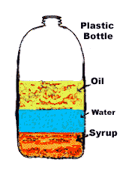
Which liquid is the least dense?
a)
oil
b)
water
c)
syrup
d)
plastic bottle
39.
What is a PUSH or PULL of an object?
a)
Motion
b)
Force
c)
Friction
d)
Gravity
40.
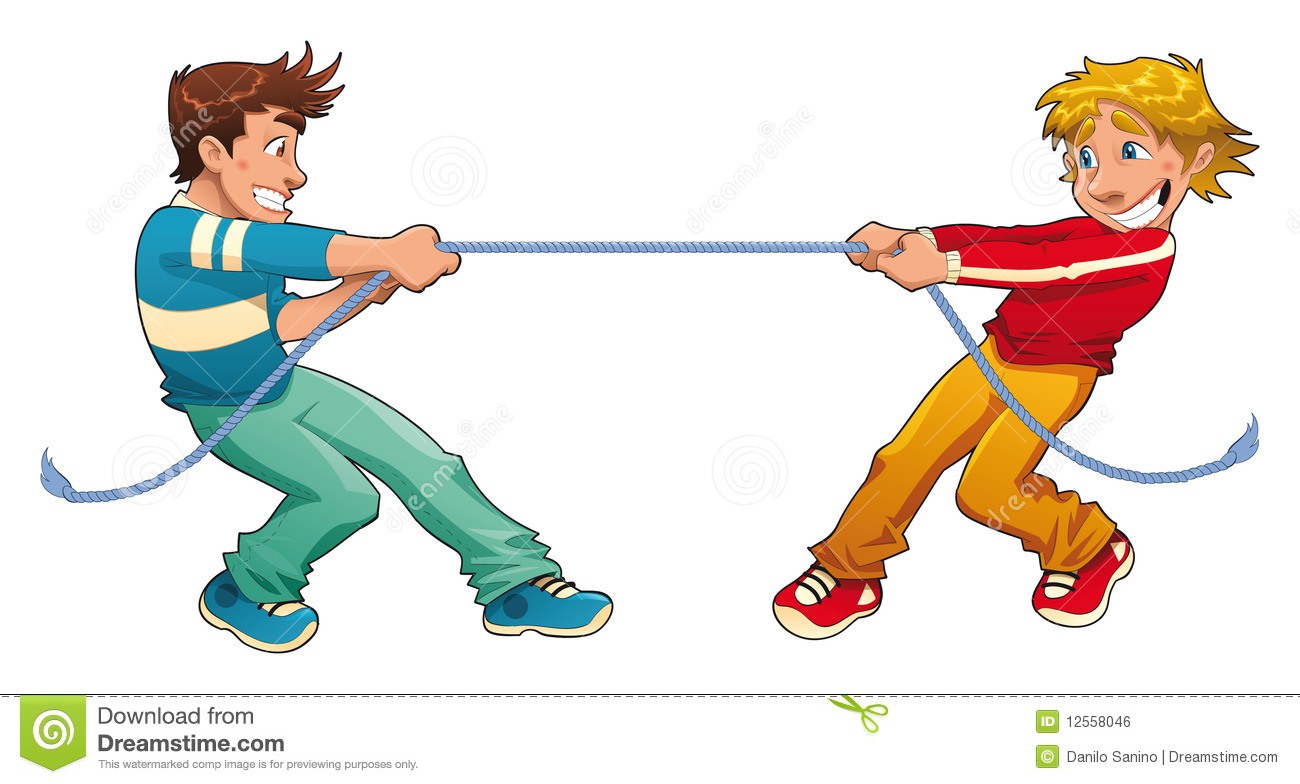
If these boys are pulling with the same amount of force. What will happen?
a)
The boy in blue will win.
b)
They will not move at all.
c)
The boy in red will win.
d)
Both will fall down.
41.
_______________ is how fast an object changes over time.
a)
speed
b)
velocity
c)
momentum
d)
acceleration
42.
What is the formula for force?
a)
F=M/A
b)
F=A/M
c)
F=M*A
d)
F=M*F
43.
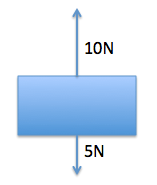
What is the net force on the block? (click on the words to view the picture)
a)
5 Newtons up
b)
5 Newtons down
c)
15 Newtons up
d)
15 Newtons down
44.
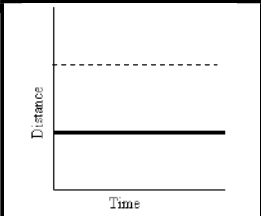
What does this graph represent?
a)
Constant speed
b)
Acceleration
c)
Not moving
45.
If a 10 kilogram object accelerates suddenly at 15 m/s2, how much force was applied to the object?
a)
150 Newtons
b)
15 Newtons
c)
150 kilograms
d)
100 kilograms
46.
A baseball is thrown a distance of 50 meters. What is the speed if it takes 2 seconds to cover that distance?
a)
100 m/s2
b)
25 m/s2
c)
52 m/s2
d)
100 seconds
47.
Speed is equal to
a)
Distance/Time
b)
Time/Distance
c)
Time x Distance
d)
Acceleration
48.
Speed is different from velocity because
a)
Velocity has a direction
b)
Speed uses Distance /Time
c)
Velocity doesn't include time
d)
Velocity doesn't include distance
49.

During which interval is the object speeding up?
a)
A to B
b)
B to C
c)
D to E
d)
E to F
50.

What is this graph showing?
a)
Constant Speed
b)
Acceleration (speeding up)
c)
Deceleration (slowing down)
d)
No motion
51.
When you type on the keys of your Chromebook you are using a
a)
pull
b)
push
c)
gravity
d)
friction
52.
_____ is the force that slows and stops motion between touching objects.
a)
Friction
b)
Gravity
c)
Pull
d)
Push
53.
The force that causes a ball to fall to the ground is ____________________________
a)
gravity
b)
lubricant
c)
friction
d)
motion
54.
Energy due to motion is ____________ energy.
a)
Potential
b)
Energy
c)
Kinetic
d)
Friction
55.
The faster an object moves, the ________ kinetic energy it has.
a)
more
b)
less
c)
none of the above
d)
all of the above
56.
__________ is stored energy.
a)
Potential
b)
Kinetic
c)
None of the above
d)
All of the above
57.
When you stretch a rubber band, you are storing __________ energy.
a)
kinetic
b)
potential
c)
none of the above
d)
all of the above
58.

At which point is potential energy greatest?
a)
W
b)
X
c)
Y
d)
Z
59.

What kind of energy is in a rock at the edge of a cliff?
a)
Potential
b)
Kinetic
c)
Both potential and kinetic energy
d)
none of the above
60.

What kind of energy is in a moving skateboard?
a)
Potential
b)
Kinetic
c)
Both potential and kinetic energy
d)
none of the above
61.

What kind of energy is in a person climbing a ladder?
a)
Potential
b)
Kinetic
c)
Both
62.
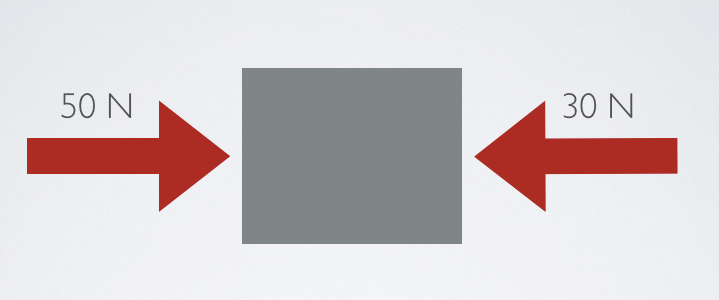
How will this object move?
a)
It won't move.
b)
It will move to the right.
c)
It will move to the left.
d)
It will move up.
63.

How will this object move?
a)
It won't move.
b)
It will move to the right.
c)
It will move to the left.
d)
It will move in both directions.
64.

What is the net force?
a)
40 N left
b)
0 N Balalnced
c)
400 N right
d)
40 N right
65.
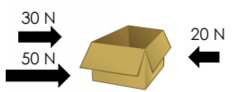
Calculate the Net Force.
a)
60N, Left
b)
40N, Right
c)
0N
d)
60N, Right
66.

What is the net force?
a)
10 N
b)
0 N
c)
25 N
d)
1 N
67.
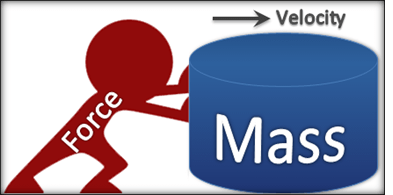
a)
1st
b)
2nd
c)
3rd
68.
What law is best described by inertia?
a)
1st
b)
2nd
c)
3rd
69.

a)
1st
b)
2nd
c)
3rd
70.

a)
1st
b)
2nd
c)
3rd
71.

a)
1st
b)
2nd
c)
3rd
72.
Equal and Opposite
a)
1st
b)
2nd
c)
3rd
73.
What two measurements are necessary for calculating speed?
a)
Mass and time
b)
Temperature and mass
c)
Mass and distance
d)
Distance and time
74.

What is happening in this graph from point A to B?
a)
The object is accelerating.
b)
The object is not moving.
c)
The object is decelerating.
d)
The object is moving at a constant speed.
Reset

