wayground logo

Free Printable Worksheets

NEW

Font size

S
M
L
XL
Worksheets

IPC Final Review

Total questions: 60

Worksheet time: 46mins

Name
Class
Date
1.

The ability to do work is ...

a)

energy

b)

Matter

c)

photons

d)

potential energy

2.
Energy of motion is which type of energy?
a)
Potential
b)
Kinetic
c)
Sound
d)
Gravitational
3.
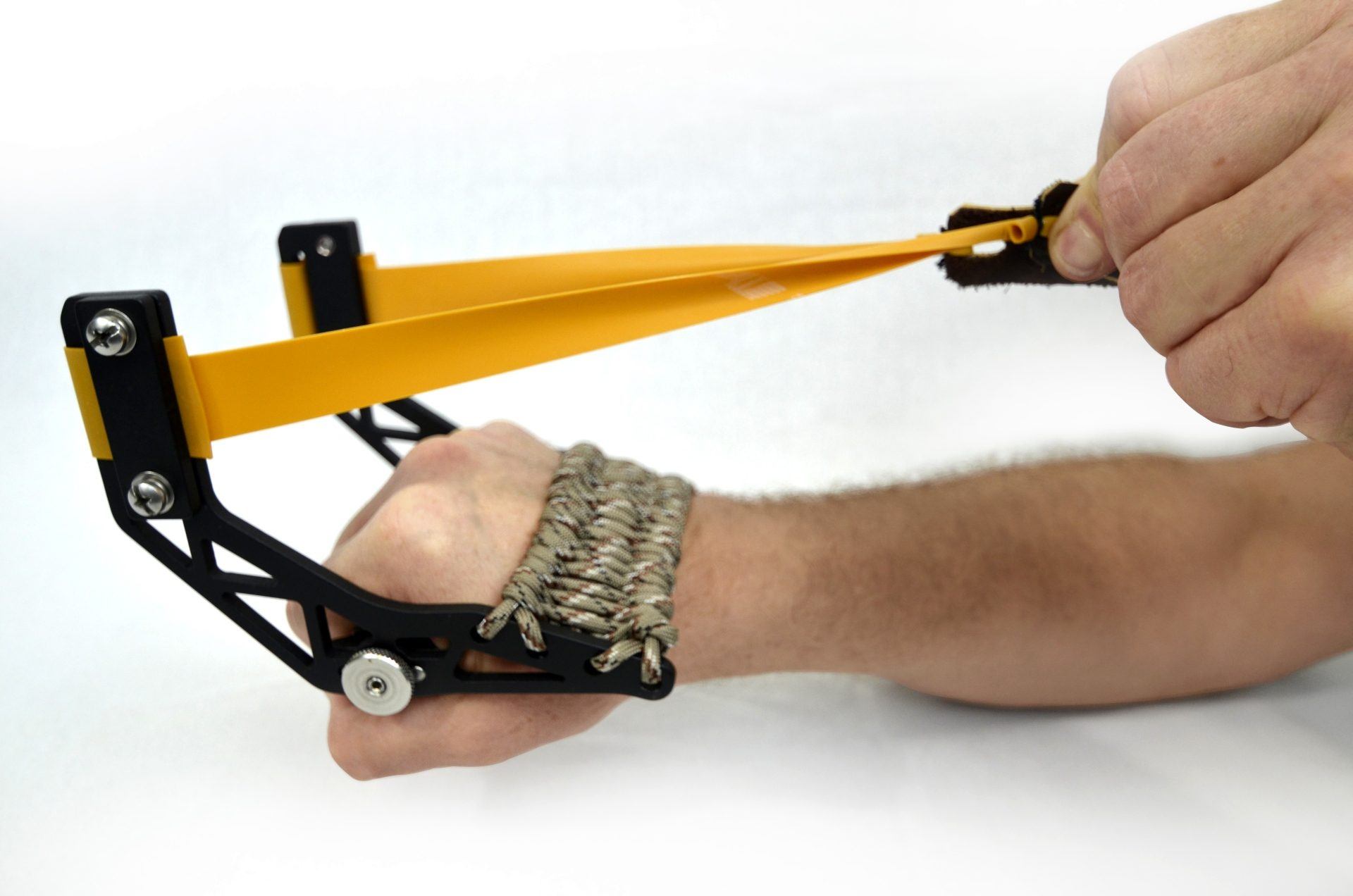
What type of energy is in this picture?
a)
Kinetic
b)
Potential
c)
Chemical
d)
Sound
4.
When plants convert the sun's energy into food, which type of energy is it?
a)
kinetic
b)
chemical
c)
thermal
d)
radiant
5.
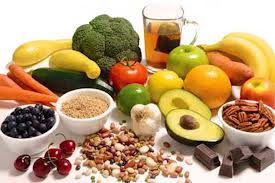
What kind of energy is represented in this picture?
a)
Thermal
b)
Potential
c)
Nuclear
d)
Mechanical
6.
What kind of energy does this device use?
a)
Chemical
b)
Electrical
c)
Thermal
d)
Chemical
7.
What kind of energy is represented in the picture?
a)
Thermal
b)
Chemical
c)
Sound
d)
Nuclear
8.
A battery converts what type of energy to another?
a)
sound to kinetic
b)
light to heat
c)
mechanical to electrical
d)
chemical to electrical
9.
Wind turbines and windmills convert what energy to another?
a)
Kinetic to electric
b)
Gravitational potential to electric
c)
Mechanical to potential
d)
Thermal to sound
10.
Work is:
a)
A transfer of energy by a force to move and object
b)
Something you get paid for
c)
Something you take home
d)
Makes you sweat
11.
On a roller coaster, where is maximum potential energy?
a)
At the bottom of a big hill
b)
When going around a corner
c)
When going upside down
d)
At the top of a big hill
12.
On a roller coaster, where is maximum kinetic energy?
a)
At the bottom of a big hill
b)
When going around a corner
c)
When going upside down
d)
At the top of a big hill
13.
The formula for work is:
a)
d = r x t
b)
p = m x v
c)
f = m x a
d)
w = d x f
14.
Energy that is stored in bonds between atoms is:
a)
Mechanical energy
b)
Chemical energy
c)
Kinetic energy
d)
Nuclear energy
15.
According to which law of energy, energy can't be created or destroyed?
a)
First law of motion
b)
The law of tacos
c)
Laws of Energy
d)
law of conservation of energy
16.
Energy that comes from the nucleus of an atom. A form of potential energy.
a)
chemical energy
b)
Nuclear energy
c)
Sound energy
d)
Electrical energy
17.
Which of the following shows an energy transformation from chemical energy to electrical to light energy?
a)
A bolt of lightning lights the night sky.
b)
A candle glows brightly in the dark.
c)
A fire in a fireplace lights up a room.
d)
A battery causes a flashlight to shine.
18.
Which of the following shows the correct order of the energy transformations that occur when green plants produce their food from the Sun’s energy?
a)
chemical to thermal
b)
light to chemical
c)
thermal to light
d)
chemical to electrical
19.
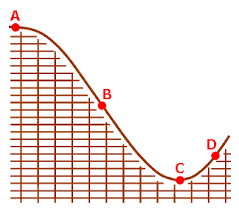
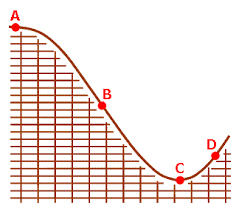
At which point(s) on the roller coaster is the gravitational potential energy at its maximum?
a)
A
b)
B
c)
C
d)
D
20.
At which point(s) on the roller coaster is the kinetic energy at its maximum?
a)
A
b)
B
c)
C
d)
D
21.
According to the Law of Conservation of energy, the amount of energy before and after a reaction must be the same. Which statement below is true?
a)
The total amount of energy is conserved
b)
The total amount of energy is less after a reaction
c)
The total amount of energy is more after a reaction
22.

Work = force x distance. How much work is done when a force of 30 N moves an object a distance of 3m?

a)

90 N

b)

10 J

c)

10 N

d)

90 J

23.

Power = work/time. How much power is extended when 600 J of work are done in 10 s?

a)

60 W

b)

60 J

c)

6000 W

d)

6000 J

24.

Power could be defined as

a)

How much work is done

b)

Where the work is done

c)

How quickly the work is done

d)

How hard the work is

25.

The energy an object has while it is moving is

a)

its potential energy

b)

its amount of work

c)

its power rating

d)

its kinetic energy

26.

Work

a)

is how far the object travels after the force stops

b)

is greater the longer the force is applied in the same direction

c)

is not related to power

d)

is force applied over some distance in the same direction as the force

27.

Power

a)

is work done over time

b)

is greater the longer a job takes

c)

is less the faster the work is done

d)

does not depend on time

28.
 Energy from the sun is known as......... 
a)
hydroelectric energy
b)
geothermal energy
c)
solar energy
d)
wind energy
29.
Which of the following is a nonrenewable resource?
a)
milk
b)
coal
c)
biomass
d)
water
30.
Water is renewable because it.......
a)
can be frozen
b)
important to all life
c)
can be replaced constantly
d)
can evaporate
31.
Fossil fuels are classified as nonrenewable because they.......
a)
require expensive equipment
b)
take millions of years to replace
c)
can be found all over 
d)
provide all the energy we use
32.
What is biomass? 
a)
energy from the sun
b)
energy from water
c)
energy from wind
d)
energy from plant and animal waste
33.
What are two advantages of geothermal energy?
a)
cheap and a lot pollution
b)
expensive and a lot of pollution
c)
cheap and little pollution
d)
expensive and little pollution
34.
What type of fossil fuel is mined from the ground?
a)
wind
b)
coal
c)
biomass
d)
air
35.
The type of energy that cattle create is ________? 
a)
biomass
b)
solar
c)
natural gas
d)
nuclear
36.
What characteristic do all renewable resources share?
a)
Produced by waste products
b)
Form underground from dead organisms.
c)
Replaced in a short period of time
d)
Allow energy to pass through them easily
37.
Petroleum and natural gas form from...
a)
strong winds
b)
cooled magma
c)
radioactive materials
d)
remains of plants and animals 
38.
The law of _____ of energy states that energy cannot be created or destroyed, only transformed or changed. 
a)
renewal
b)
refreshing
c)
battery storage
d)
conservation
39.
Energy is transferred as heat between two objects of ___________ temperatures. 
a)
differing
b)
same
40.
As the kinetic energy of the molecules in a substance increases, the temperature of the substance __________.
a)
increases
b)
decreases
41.
The measure of average kinetic energy of all the particles within an object is called ____________. 
a)
temperature
b)
conduction
c)
radiation
d)
heat 
42.
The energy transferred between the particles of two objects because of the temperature difference between the two objects is called ________________.
a)
heat
b)
insulator 
c)
conductor 
43.
In which state of matter are molecules moving the slowest?
a)
solid
b)
liquid
c)
gas
d)
all of the above
44.
High temperature is connected to:
a)
Low kinetic energy.
b)
High kinetic energy.
c)
Zero net energy.
d)
Equal kinetic energies.
45.
heat always travels from _____ to ______ objects
a)
hot to cold
b)
cold to hot
c)
cold to cold
d)
hot to hot
46.
Convert 35⁰F to Celsius
a)
1.6⁰
b)
1.7⁰C
c)
2.0⁰
d)
16.6⁰C
47.
Convert 72⁰F to Celsius
a)
2.2⁰C
b)
222⁰C
c)
22.2⁰C
d)
161.6⁰C
48.
Convert 30°C to Fahrenheit
a)
860°F
b)
86°F
c)
63.8°F
d)
56°F
49.
Which of the follow represents a normal body temperature of 98.6°F in °Celsius?
a)
37°C
b)
370°C
c)
72.5°C
d)
72.6°C
50.
Convert 0°C to Fahrenheit
a)
0°F
b)
1.8°F
c)
32°F
d)
3.2°F
51.
Convert 273 K to oC
a)
0oC
b)
100oC
c)
-273oC
d)
50oC
52.
Convert 5900 K to oC
a)
6173 oC
b)
5627 oC
53.
Convert 180oC to K
a)
453 K
b)
-93 K
c)
93 K
d)
453 K
54.
The way the heat is moving from the hot coffee is called...
a)
convection
b)
radiation
c)
insulation
d)
conduction
55.
What is the definition of CONDUCTION?
a)
When heat is transferred from objects like rays of light or electromagnetically.
b)
a  hot liquid or air that  expands, becomes less dense, and rises or becomes more dense, and sinks.
c)
When heat transfers from objects that are touching.
d)
When heat transfers through the heater or AC in your house.
56.
Which of the following is an example of convection?
a)
A hair dryer is drying up your hair.
b)
When the AC or heater changes the temperature.
c)
When a car engine turns hot after being turned on.
d)
When you are making soup and the water is rising and lowering.
57.
The way the heat is moving from the hot coffee is called...
a)
convection
b)
radiation
c)
insulation
d)
conduction
58.
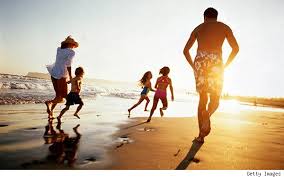
The sun shines down on this family as the play on the beach.
a)
conduction
b)
convection
c)
radiation
59.
Which direction will the heat flow while this person holds a hot cup of tea?
a)
from the cup to her hand
b)
from her hand to the cup
c)
no heat is transferred
60.
Which direction will the heat flow while this ice cap melts?
a)
there is no heat transfer
b)
from the icecap to the water
c)
from the water to the icecap