
 Worksheets
Anatomy Semester Ex Study Guide
Total questions: 97
Worksheet time: 1hrs 11mins
Muscle originates from
ectoderm
myoderm
mesoderm
endoderm
the muscle action that decreases the angle of a joint is called
rotator
extensor
abductor
flexor
Which of the following best explains the striations in a striated muscle?
striations are a form of gross anatomy; their cause is under investigation
patterns of cytoskeleton proteins make the striations
striations are marks that appear in muscles that have contracted
regularly arranged nuclei cause the striations
a group of muscles that move a bone toward the midline
extensor
adductor
supinator
sphincter
largest muscle in a muscle group
minimus
brevis
maximus
longus
smallest muscle in a muscle group
minimus
brevis
maximus
longus

biceps brachi
Q
R
S
T

Orbicularis oculi
K
L
M
N

rectus abdominus
C
D
E
F
adductor longus
T
U
F
G
Deltoid
P
Q
R
B
Sartorius
F
G
H
I
Pectoralis major
C
D
Q
R
Trapezius
B
C
D
E

triceps brachi
B
C
D
E
Sartorius
O
P
G
H
Gluteus maximus
M
N
O
G
hamstring group
C
K
G
H
sternocleido mastoid
A
B
C
D
Achilles tendon
G
H
I
Q
latissimus dorsi
L
M
N
O
extensor digitorum
F
H
J
K

The right kidney is ____ to the spine
medial
lateral
superior
deep
The tip of the nose is ____ to the eyes
superior and posterior
lateral and inferior
medial and superior
medial and inferior
What is the difference between anatomy and physiology
anatomy is the study of body function while physiology is the study of body structure
anatomy is the study of body structure, while physiology is the study of how structures look when they are diseased
anatomy is the study of body structure, while physiology is the study of body function
Anatomy is the study of body function while physiology is the study of how structures form from birth
Anatomy is the study of disease, while physiology is the study of embryonic development
Which of the following is not a type of tissue?
epithelial
epidermal
muscle
nerve
The ribs are part of the
appendicular skeleton
axial skeleton
cartilage system
none of these
A ____ joint does not permit movement
diarthrosis
amphiarthrosis
synarthrosis
____ builds bone tissue:
osteoblasts
osteoclasts
fibroblasts
a type of fracture in which one or more areas of bone are displaced or shattered is known as a _____ fracture.
greenstick
comminuted
spiral
transverse
What portion of the skeleton do the shoulder and pelvic girdle belong to
appendicular skeleton
axial skeleton
endoskeleton
extremities
The longest and strongest bone in the body is the
patella
femur
tibia
pelvis
Which of the following is not a type of muscle?
smooth
skeletal
facial
cardiac
muscle originates from
endoderm
mesoderm
ectoderm
myoderm
A muscle action whereby the palms are turned upward is
rotation
pronation
supination
elevation
A muscle action that decreases the angle of a joint is termed
extensor
flexor
rotator
abductor
a ductless gland is a(n) ____ gland
paracrine
autocrine
endocrine
exocrine
A sweat gland is an example of a(n) ___ gland
paracrine
autocrine
endocrine
exocrine
A hormone travels long distances through the bloodstream and only affects cells that
have secondary messengers
have nucleus receptors
produce androgens
have receptors for the hormone
A hormone working against another hormone is called a(n)
agonist
antagonist
synergist
none of these
the major mechanism of control for hormone levels and interactinos is
positive feedback
negative feedback
cyclical feedback
parallel feedback
_____ is produced by the pancreas and elevates the blood glucose level
glucagon
insulin
cortisol
somatostatin
All of the following hormones are secreted by the anterior pituitary except
follicle stimulating hormone
melatonin
growth hormone
prolactin
What is the function of hormones?
to convey information from the environment to cells
to carry information between cells
to serve as a chmical message within the body
both carry information and serve as chemical message within the body
What is the role of aldosterone in the body?
to control blood sugar
to regulate balance of water and electrolytes in the body
to develop secondary sexual characteristics
to maintain pregnancy
Too much calcium in the bloodstream triggers the release of which hormone?
parathyroid hormone
calcitonin
thyroid hormone
adrenalin
Pertaining to the buttocks.
abdominal
gluteal
manual
ventral


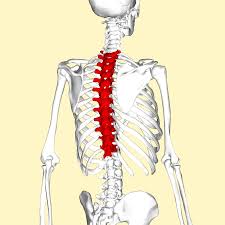
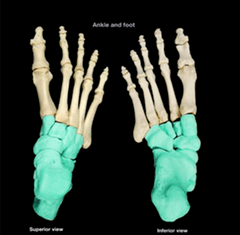


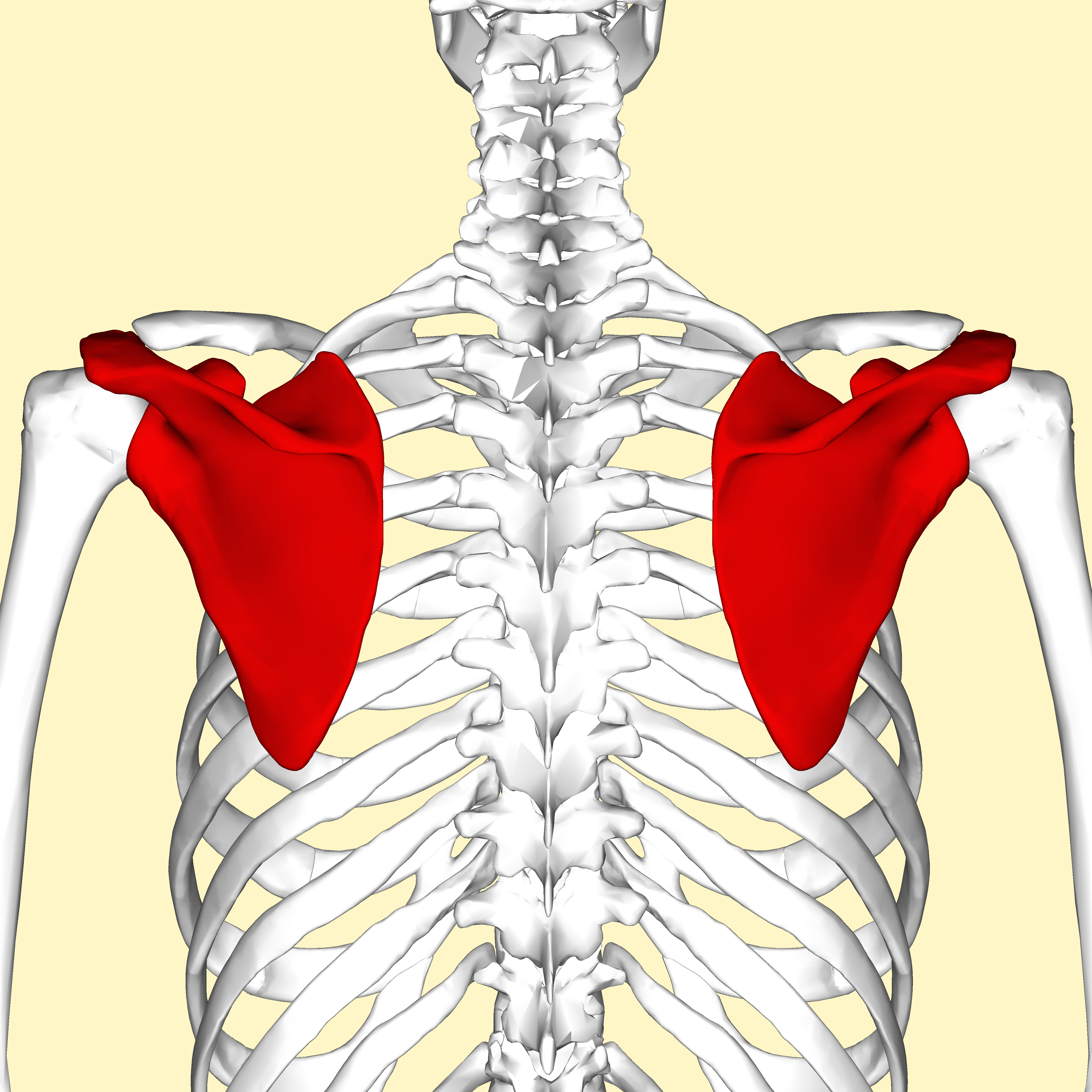


Parathyroid glands
A
B
C
D
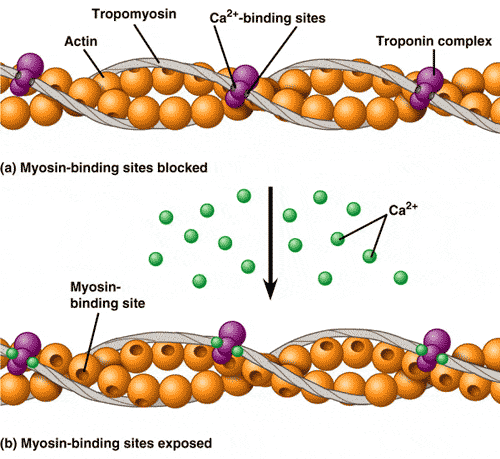
What is the role of calcium in contraction?
Calcium binds to the myosin heads to allow myosin heads to bind to the myosin binding sites.
Calcium binds to the tropomyosin to allow myosin heads to bind to the myosin binding sites.
Calcium binds to the troponin to allow myosin heads to bind to the myosin binding sites.
Calcium binds to the tropomyosin to allow actin to bind to the M line.
What is the role of ATP in contraction?
ATP binds to the myosin heads to allow myosin heads to bind to the myosin binding sites.
ATP binds to the tropomyosin to allow myosin heads to bind to the myosin binding sites.
ATP binds to the troponin to allow myosin heads to bind to the myosin binding sites.
ATP binds to the tropomyosin to allow actin to bind to the M line.
Sliding
A neuron sends a message to the muscle fiber to contract.
Calcium binds to troponin. Troponin signals tropomyosin to move out of the way freeing the myosin binding sites.
ATP binds to the myosin heads. Myosin heads bind to myosin binding sites and move actin towards the M line.
Calcium binds to tropomyosin. Tropomyosin signals troponin to move out of the way freeing the myosin binding sites.
ATP binds to the myosin heads. Myosin heads bind to myosin binding sites and move myosin towards the M line.
In order to move, myosin needs....
1 ATP per stroke (one for up and one for down)
2 ATP per stroke (two for up and two for down)
1 Calcium (one for up and one for down)
2 Calcium (two for up and two for down)
In order to move tropomyosin, troponin needs....
1 ATP per stroke
2 ATP per stroke
1 Calcium per troponin
2 Calcium per troponin

