
 Worksheets
PSH: Final Review: section 2
Total questions: 56
Worksheet time: 55mins
Name
Class
Date
1.
The chemical formula for diphosphorous pentoxide is
a)
P5O2
b)
2P 5O
c)
5P 2O
d)
P2O5
2.

How many oxygen atoms are in this chemical formula?
a)
6 oxygen atoms
b)
2 oxygen atoms
c)
3 oxygen atoms
d)
4 oxygen atoms
3.
How many atoms are there TOTAL in:
H2SO4
H2SO4
a)
6
b)
5
c)
7
d)
3
4.
Which of the following shows the correct way to balance the chemical equation?
Fe + O2 -> Fe2O3
Fe + O2 -> Fe2O3
a)
4Fe + 3O2 -> 2Fe2O3
b)
2 Fe + 3O2 -> Fe2O6
c)
4 Fe + O6 -> 2Fe2O3
d)
None of the options are correctly balanced.
5.
Which of the following reactions is balanced?
a)
2CH4 + O2 -> CO2 + H2O
b)
CH4 + 2O2 -> CO2 + H2O
c)
CH4 + 2O2 -> CO2 + 2H2O
d)
None of the chemical equations are balanced.
6.
Balance this equation...
HgO --> Hg + O2
HgO --> Hg + O2
a)
It is balanced
b)
2HgO --> Hg + O2
c)
2HgO --> 2Hg + O2
d)
I don't know...Oh well!
7.
Balance this equation.
_CH4 + _O2 --> _CO2 + _H2O
_CH4 + _O2 --> _CO2 + _H2O
a)
1,2,1,1
b)
2,1,2,1
c)
1,2,1,2
d)
0,2,0,2
8.

How did Mendeleev arrange the elements?
a)
alphabetical
b)
density
c)
melting point
d)
atomic mass
9.
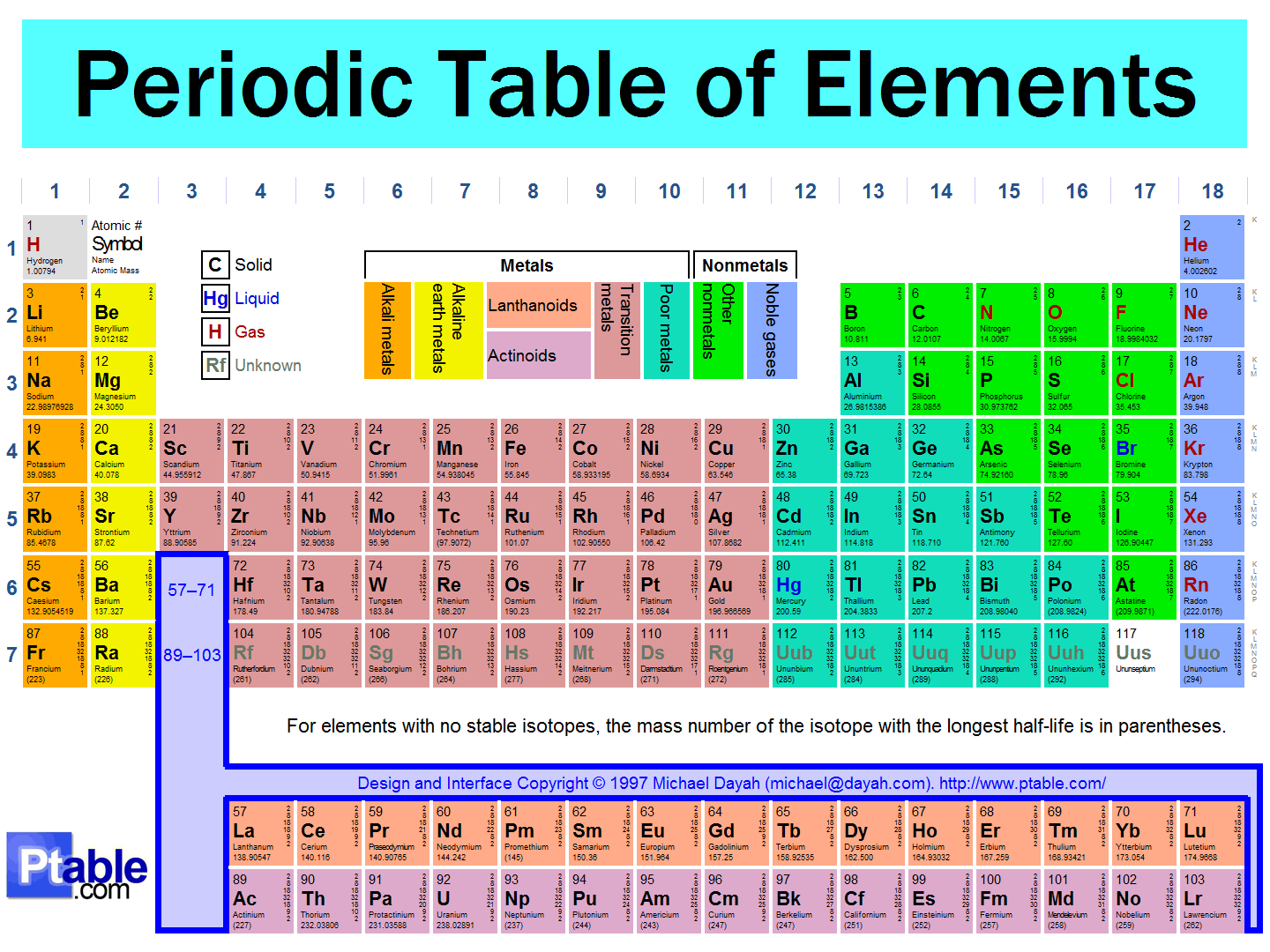
The horizontal row on the periodic table is called a
a)
group
b)
family
c)
period
d)
atomic number
10.

A vertical column is called...
a)
group
b)
tower
c)
period
d)
crew
11.
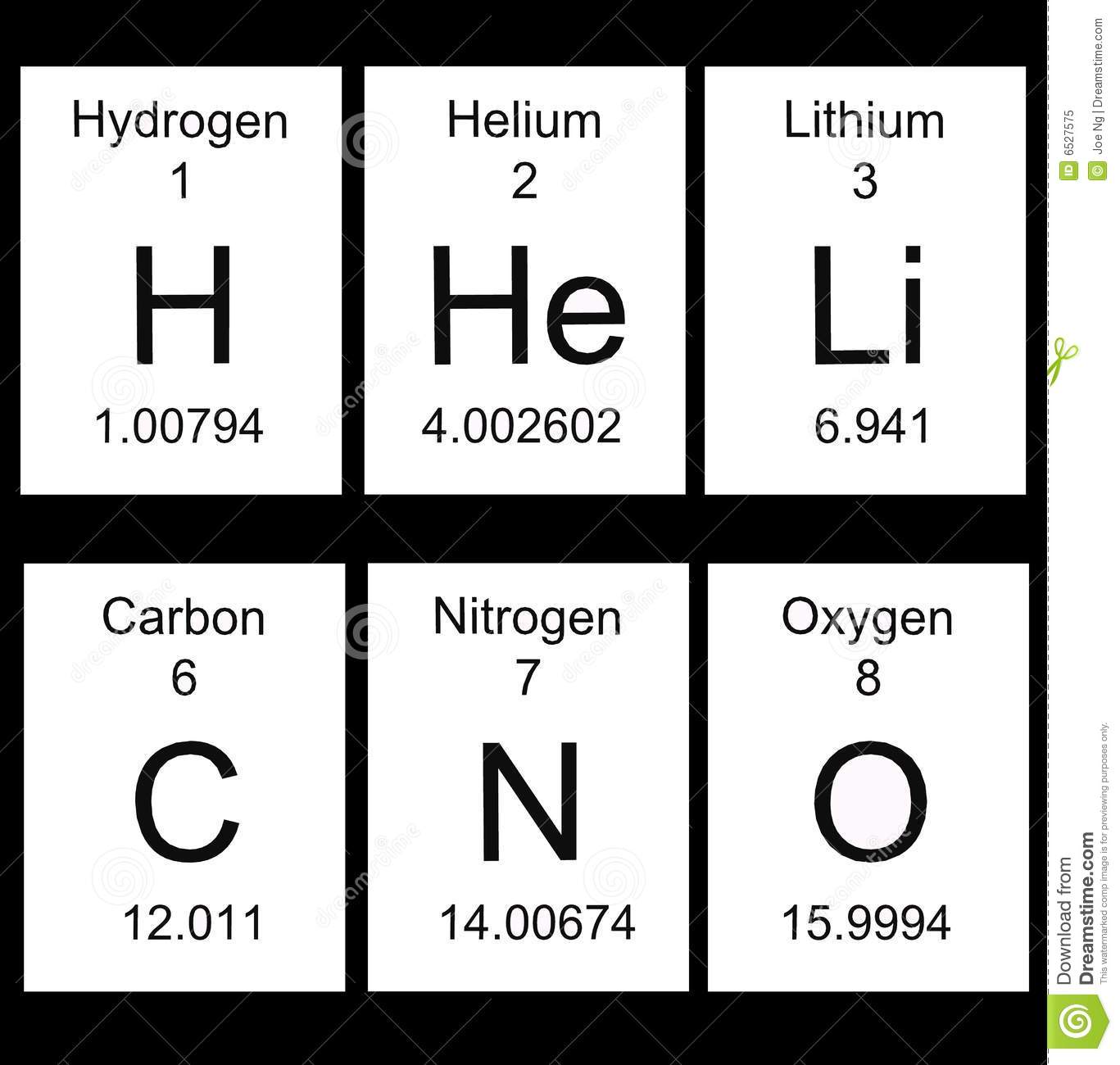
The number at the bottom of each square on the periodic table is the ...
a)
atomic number
b)
atomic mass
c)
chemical symbol
d)
element name
12.
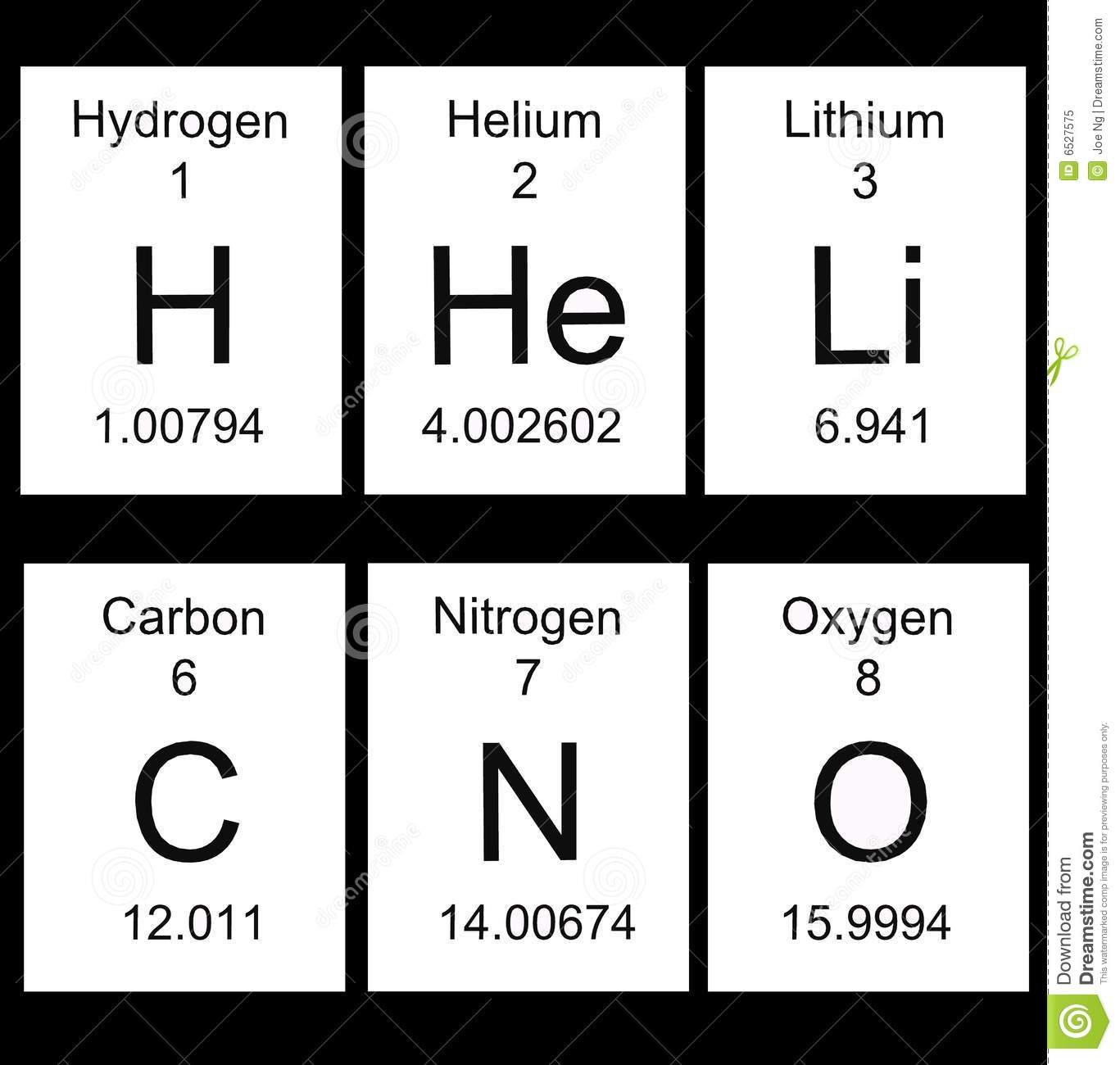
The number at the top of each square on the periodic table is the ...
a)
atomic number
b)
atomic mass
c)
Chemical Symbol
d)
Element Name
13.
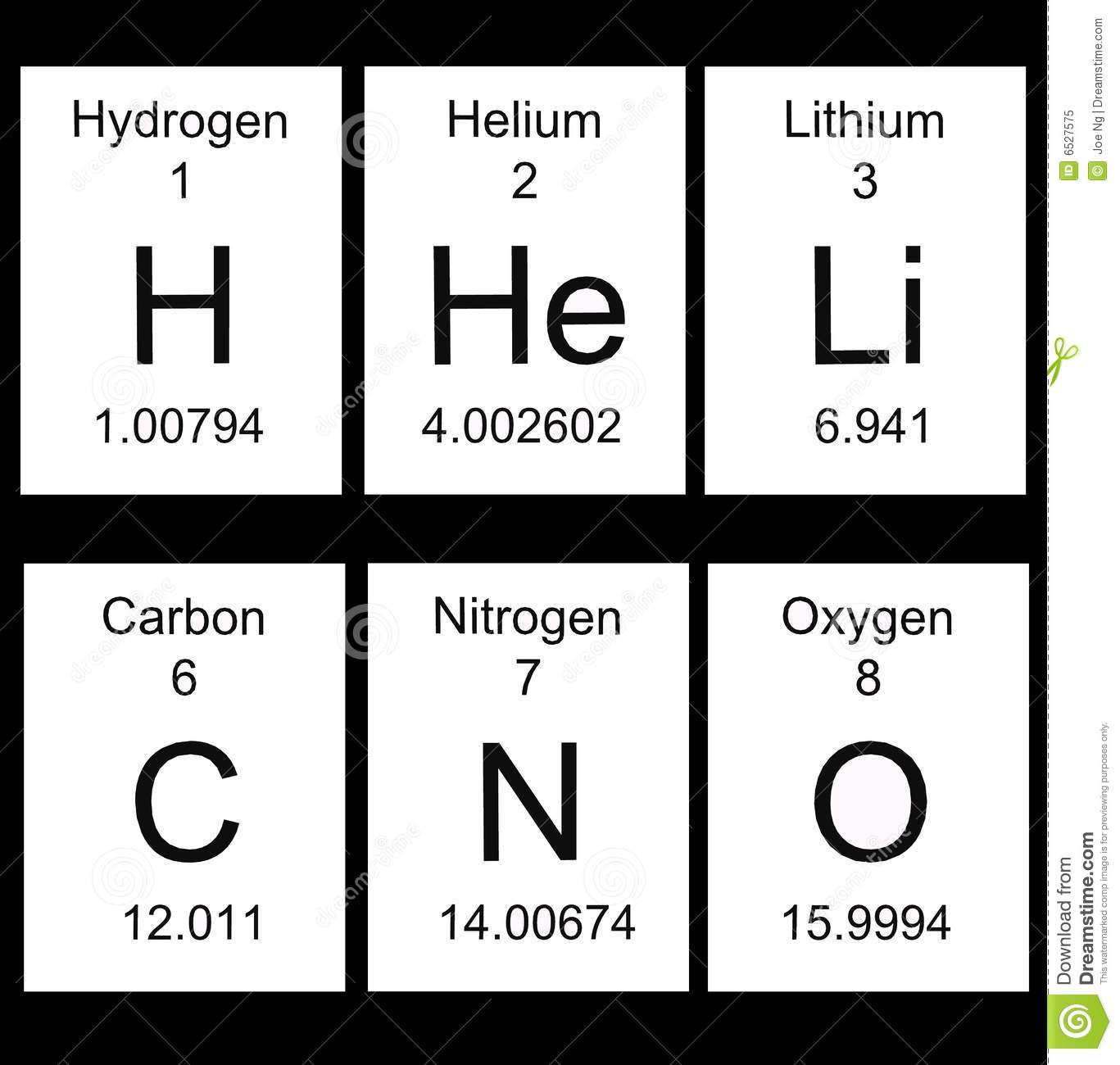
What is the chemical symbol for Lithium?
a)
H
b)
He
c)
Li
d)
N
14.

The months of the year are __________ because they repeat in the same order every 12 months.
a)
periodic
b)
group
c)
period
d)
halogens
15.

Pure forms of these elements are stored in oil so they won't react with oxygen and water in the air.
a)
Alkali Metals
b)
Alkaline-earth metals
c)
Halogens
d)
Noble Gases
16.

What group of elements don't have individual names?
a)
Alkaline-earth Metals
b)
Transition Metals
c)
Alkali Metals
d)
Halogens
17.

Most of the elements on the periodic table are classified as _____.
a)
Metals
b)
Nonmetals
c)
Metalloids
d)
Periods
18.
The atomic number tells you what?
a)
number of electrons
b)
number of protons
c)
number of neutrons
d)
both electrons and protons in an atom.
19.
Which group of the periodic table is composed of inert (not reactive) gases?
a)
alkali metals
b)
alkaline earth metals
c)
halogens
d)
noble gases
20.

The atoms along the staircase are called
a)
metals
b)
nonmetals
c)
metalloids
d)
noble gases
21.
Which is a halogen?
a)
Helium
b)
Chlorine
c)
Oxygen
d)
Neptune
22.
Which is an alkali metal?
a)
Magnesium
b)
Iron
c)
Sodium
d)
Europium
23.
Elements in a ..................have similar chemical properties.
a)
period
b)
group
c)
row
24.
A proton is....
a)
A negatively charged subatomic particle
b)
A positively charged subatomic particle
c)
A neutrally charged subatomic particle
d)
The only subatomic particle located in the nucleus
25.
A neutron has a charge of
a)
+2
b)
No charge
c)
-1
d)
+1
26.
Which of these grouping of elements could have the characteristic of brittle?
a)
Metal
b)
Nonmetal
27.
Which of the following is a good conductor of heat?
a)
Metal
b)
Nonmetal
c)
Metalloid
28.
Which of these is a property of metals?
a)
It's malleable
b)
It can't conduct electricity
c)
They are used in food
d)
It's very brittle
29.
All of the following would classify an element as a metal except?
a)
Dull
b)
Luster
c)
Malleable
d)
Hard
30.
Nonmetals are good conductors of heat and electricity.
a)
TRUE
b)
FALSE
31.
Nonmetals occur to the ________of the dark zig-zag on the periodic table.
a)
A. right
b)
B. middle
c)
C. left
32.
What element in Group 1 is not a metal but a nonmetal?
a)
Helium
b)
Lithium
c)
Hydrogen
d)
Oxygen
33.

How would this element be classified?
a)
Metal
b)
Nonmetal
c)
Metalloid
d)
Metamorphic
34.
Blue Color: Chemical or Physical Property
a)
Chemical Property
b)
Physical Property
35.
Density: Chemical or Physical Property
a)
Chemical Property
b)
Physical Property
36.
Flammability (burns): Chemical or Physical Property
a)
Chemical Property
b)
Physical Property
37.
Reacts with Water: Chemical or Physical Property
a)
Chemical Property
b)
Physical Property
38.
Boiling Point: Chemical or Physical Property
a)
Chemical Property
b)
Physical Property
39.
Reacts with Air: Chemical or Physical Property
a)
Chemical Property
b)
Physical Property
40.
Ba+2, Br-1
a)
BrBa
b)
Br2Ba2
c)
BaBr2
d)
Br2Ba
41.
Ca+2, O-2
a)
CaO
b)
OCa
c)
Ca-2O+2
d)
Ca2O2
42.
Ca+2P-3
a)
PCa
b)
P2Ca3
c)
CaP
d)
Ca3P2
43.
4Si + S8 --> 2Si2S4
a)
Synthesis
b)
Decomposition
c)
Single displacement
d)
Double displacement
44.
3Ca + 2AlCl3 --> 3CaCl2 + 2Al
a)
Synthesis
b)
Decomposition
c)
Single diplacement
d)
Double displacement
45.
3KOH + H3PO4 --> K3PO4 + 3H2O
a)
Synthesis
b)
Decomposition
c)
Single displacement
d)
Double displacement
46.
2Pb(NO3)2 --> 2PbO + 4NO2 + O2
a)
Synthesis
b)
Decomposition
c)
Single displacement
d)
Combustion
47.
C4H12 + O2 --> CO2 + H2O
a)
Synthesis
b)
Combustion
c)
Single Replacement
d)
Double Replacement
48.
What is the left part of a chemical equation called?
H2 + O → H2O
H2 + O → H2O
a)
Reactants
b)
Products
c)
Yields
d)
Chemical Equation
49.
What is the right part of a chemical equation called?
H2 + O → H2O
H2 + O → H2O
a)
Reactants
b)
Products
c)
Yields
d)
Chemical Equation
50.
When forming an ionic bond, a metal atom
a)
Gains electrons to form a cation
b)
Loses electrons to form a cation
c)
Gains electrons to form an anion
d)
Loses electrons to form an anion
51.
Which two substances are covalent compounds?
a)
C6H12O6 (s) and KI (s)
b)
KI (s) and NaCl (s)
c)
C6H12O6 (s) and HCl (g)
d)
NaCl (s) and HCl (g)
52.
Which substance contains bonds that involve a transfer of electrons from one atom to another?
a)
CO2
b)
NH3
c)
KBr
d)
Cl2
53.
Which compound contains only covalent bonds?
a)
NaOH
b)
Ba(OH)2
c)
Ca(OH)2
d)
CH3OH
54.
What is the charge of an electron?
a)
Variable
b)
Positive
c)
Negative
d)
Neutral
55.
Which element is a liquid at room temperature?
a)
Mercury
b)
Iron
c)
Oxygen
d)
Carbon
56.
What is the chemical symbol for Sodium?
a)
So
b)
N
c)
S
d)
Na
100 %

