wayground logo

Free Printable Worksheets

NEW

Font size

S
M
L
XL
Worksheets

Ecosystems

Total questions: 48

Worksheet time: 32mins

Name
Class
Date
1.
A __________ includes all living and non-living things in an environment. 
a)
population
b)
niche
c)
abitotic
d)
ecosystem
2.
_______ are consumers that eat only meat.
a)
Herbivore
b)
Omnivore
c)
Carnivore
3.
________ are consumers that eat plants and meat.
a)
Herbivore
b)
Omnivore
c)
Carnivore
4.
Which organism make their own food through the process of photosynthesis? 
a)
decomposer
b)
consumer
c)
herbivore
d)
producer 
5.
Field mice eat corn. Which would most likely happen if the field mouse population grew?
a)
There would be more corn to feed the field mice.
b)
There would be less corn due to the mice eating it.
c)
The habitat would get overpopulated because the mice woudl eat too much.
6.
Which describes a decomposer?
a)
an organism that eats only plants
b)
an organism that makes its own food
c)
an organism that breaks down dead matter
d)
an organism that recieves energy from the sun
7.
If the population of prey increases, the population of predators will ________because of the availability of food.
a)
decrease
b)
stay the same
c)
increase
8.
What are interconnected food chains called?
a)
consumers
b)
predators
c)
food web
9.
What would most likely happen if an ecosystem no longer received sunlight?
a)
The number of herbivores would increase
b)
The number of plants would increase
c)
all organisms would adapt
d)
All living organisms would eventually die
10.
How does energy enter an ecosystem? 
a)
sunlight
b)
soil 
c)
animals 
d)
invasive species 
11.
A lion, captures and eats other animals. What is he considered? 
a)
prey
b)
predator
c)
producer 
d)
healthy 
12.
How do consumers get their energy? 
a)
laying in the sun
b)
eating other organisms 
c)
providing food for other organisms
d)
surviving in an ecosystem 
13.

All the members of one species that live within an area of an ecosystem

a)

population

b)

community

c)

niche

14.
Nonliving things found in an ecosystem.
a)
factories
b)
factor trees
c)
biotic factors
d)
abiotic factors
15.

All of the populations that live in one area together

a)

limiting factors

b)

populations

c)

community

d)

speed limit

16.
Which is a biotic factor?
a)
sunlight
b)
air 
c)
bacteria
d)
all of the above
17.
Which is a biotic factor?
a)
Fox
b)
Mountain
c)
Air
d)
Sunlight
18.
The place where an organism lives is its _________.
a)
habitat
b)
abiotic
c)
ecosystem
d)
community
19.
What is a example of a abiotic factor?
a)
Panda
b)
Turtle
c)
Butterfly
d)
weather
20.
What is an example of a biotic factor?
a)
skunk
b)
rocks
c)
soil
d)
water
21.
Temperature, light, air, water, and soil are all  _____  parts of the environment
a)
alive
b)
biotic 
c)
abiotic
d)
living
22.
A connection of food chains with many food energy paths in an ecosystem is a ____________
a)
ecosystem
b)
food web
c)
environment
d)
population
23.
The shrew provides energy for the _______?
a)
cricket
b)
grasshopper
c)
frog
d)
snake
24.
What is the role of decomposers in a food chain?
a)
Use sunlight to make food
b)
Eat other organisms to gain energy
c)
Make the food for the whole food chain
d)
Break down dead organisms and add nutrients to the soil
25.
Which organism do the owl and the weasel compete for in the food web?
a)
Hawk
b)
Spider
c)
Grasshopper
d)
Shrew
26.
Choose the complete and logical food chain.
a)
sun-plant-rabbit- eagle
b)
deer - squirrel- plant-sun
c)
sun -deer-plant- eagle
d)
eagle- squirrel-rabbit- plant- eagle
27.
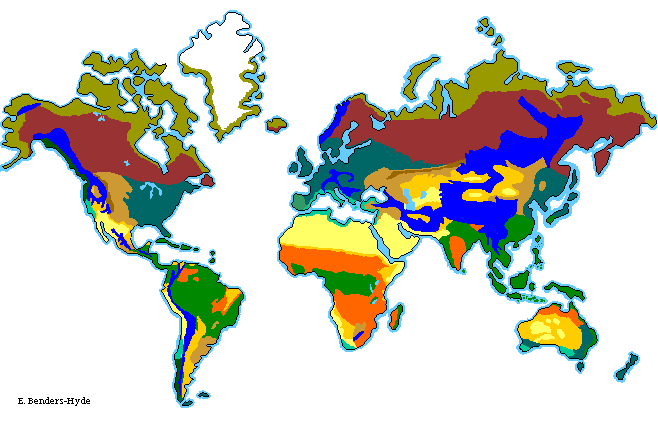
A large ecosystem is called a ______
a)
Ecosystem
b)
Habitat
c)
Biome
d)
Niche
28.
What is the main factor that separates the biomes?
a)
Land
b)
Water
c)
Climate
d)
Longitude
29.
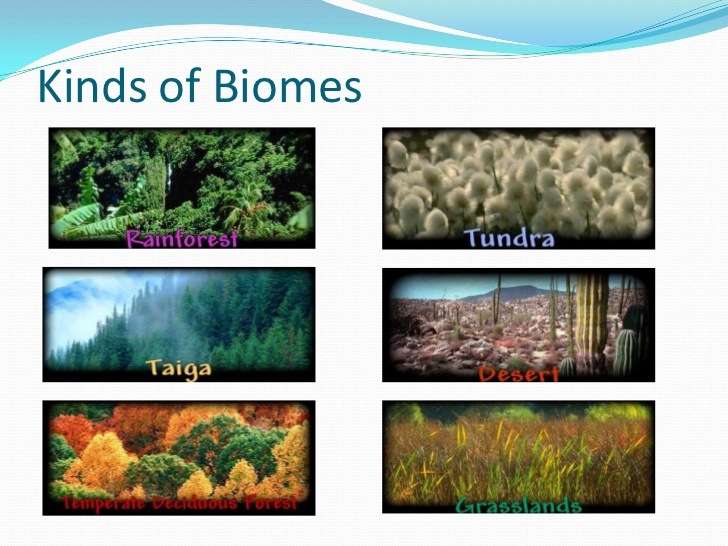
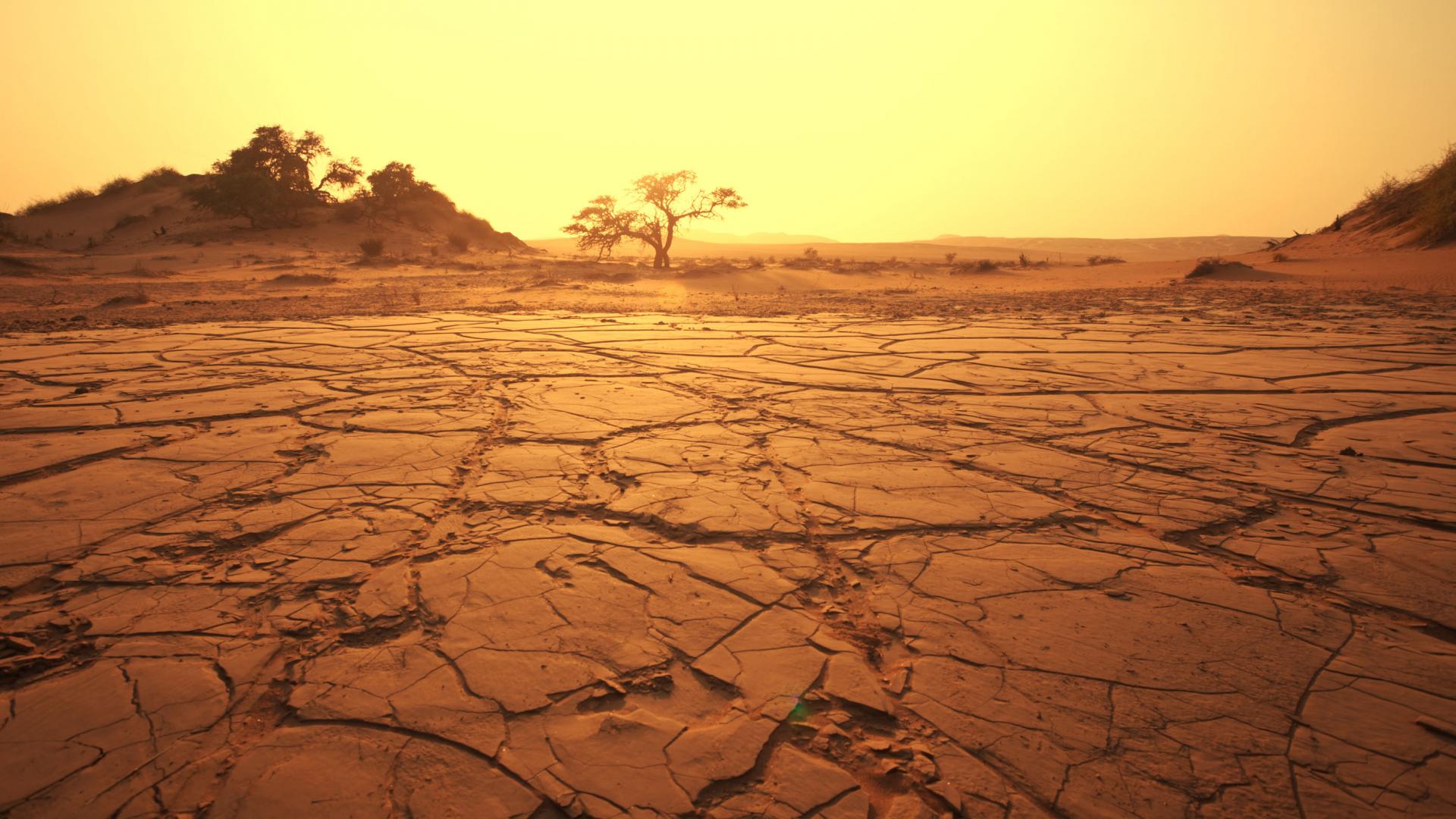
Which biome is the driest?
a)
Desert
b)
Tundra
c)
Taiga
d)
Rainforest
30.
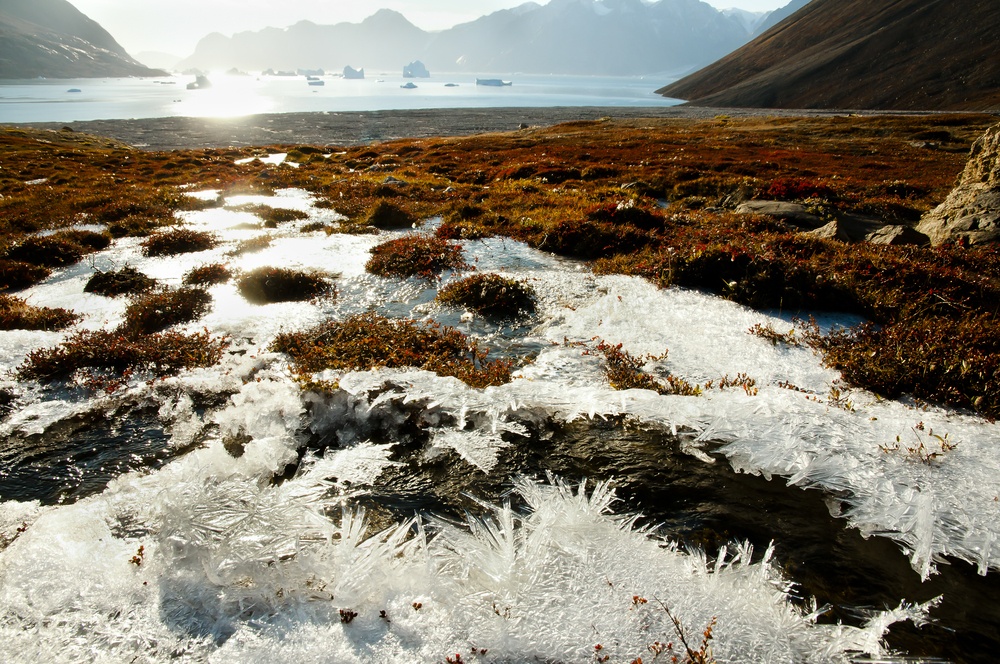
Which Biome has permafrost?
a)
Temperate Forest
b)
Rainforest
c)
Taiga
d)
Tundra
31.
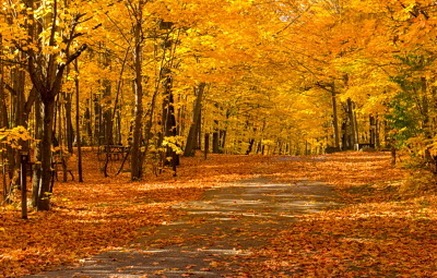
Which biome has deciduous trees (which lose their leaves)?
a)
Temperate Forest
b)
Rainforest
c)
Grasslands
d)
Taiga
32.
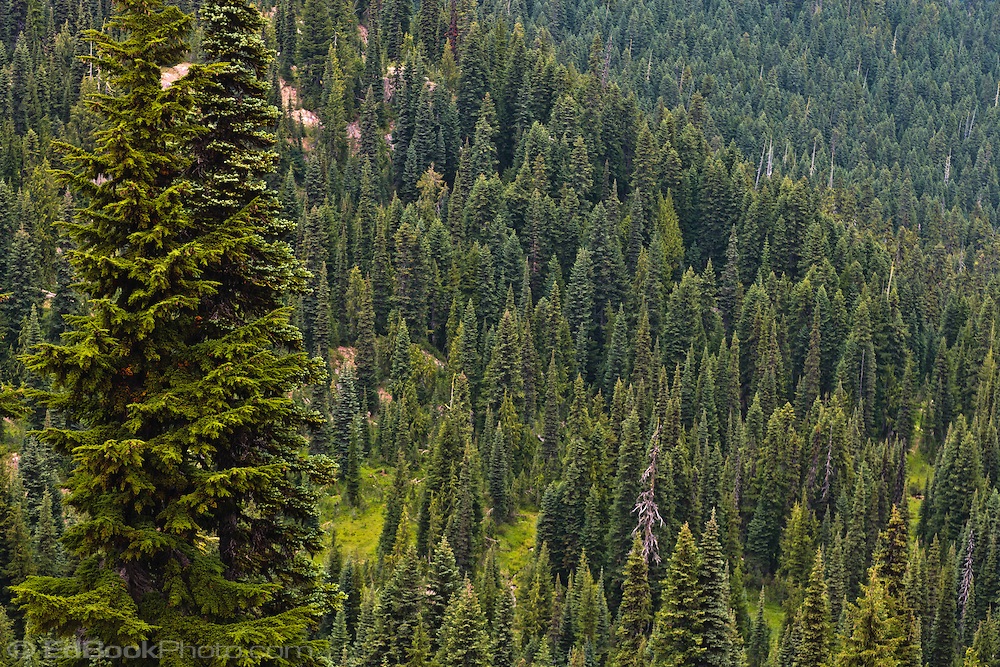
Which biome has coniferous trees (which don't lose their leaves)?
a)
Taiga
b)
Temperate Forest
c)
Tundra
d)
Grasslands
33.
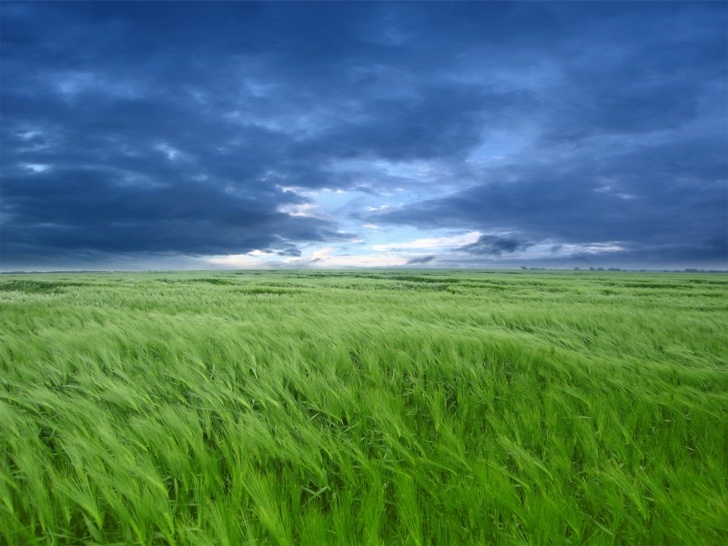
Which biome has wide-open fields of grass?
a)
Taiga
b)
Grasslands
c)
Temperate Forest
d)
Rainforest
34.
Which biome has the most variety of plants and animals?
a)
Temperate Forest
b)
Rainforest
c)
Tundra
d)
Grasslands
35.
Which biome has 4 seasons?
a)
Taiga
b)
Tundra
c)
Grasslands
d)
Temperate Forest
36.
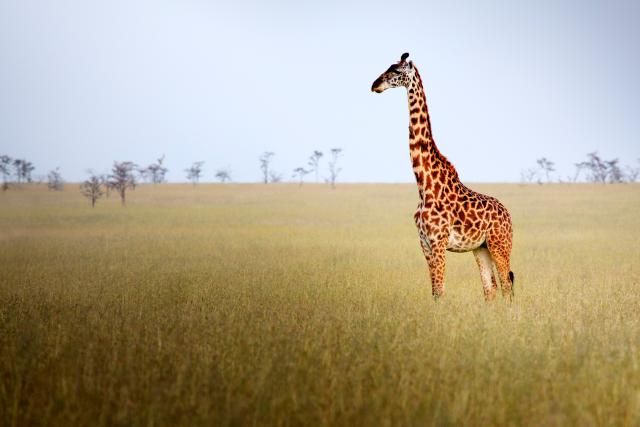
Which biome is home to lions, zebras, wildebeests, giraffes, and elephants?
a)
Grasslands
b)
Tundra
c)
Rainforest
d)
Temperate Forest
37.
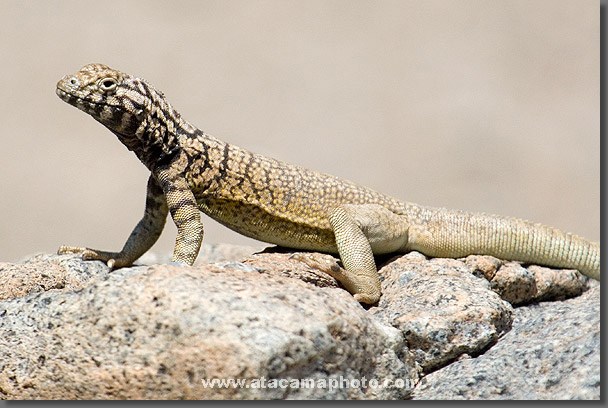
Which biome is home to cacti, scorpions, coyotes, kangaroo rats, and lizards?
a)
Desert
b)
Grasslands
c)
Temperate Forest
d)
Taiga
38.
Which biome is home to jaguars, anacondas, leopards, gorillas, and poisonous tree frogs?
a)
Grasslands
b)
Temperate Forest
c)
Rainforest
d)
Tundra
39.
In which biome does an organism have to be able to conserve water to survive?
a)
Rainforest
b)
Taiga
c)
Desert
d)
Temperate Forest
40.
This biome gets the highest percentage of rain yearly
a)
Taiga
b)
Temperate Deciduous Forest
c)
Tropical Rainforest
d)
Grasslands
41.
Which biome covers most of the land mass near the Earth's equator?
a)
tundra
b)
desert
c)
grassland
d)
tropical rainforest
42.

If a dolphin eats a fish would the dolphin be considered the predator or the prey?

a)

Predator

b)

Prey

43.

Explain how the behavior of the elk changed in response to the wolves.

a)

They did not change their behavior and therefore most elk died.

b)

The elk stayed away from the areas the wolves were. As a result, the trees were able to grow again.

c)

All the elk left the park and did not return.

d)

The wolves were not able to capture the elk.

44.

Why did the height of trees grow dramatically?

a)

The weather had been much better and the trees grew taller.

b)

The trees did not grow dramatically. Everything stayed the same.

c)

The elk was not there to eat it, and now it can grow.

45.

Song birds & migratory birds returned because...

a)

They come back in the spring every year as normal.

b)

They came to find shelter in trees, as there were more and taller trees.

c)

They liked to follow the wolves and eat their left overs.

d)

As the weather was much better, they enjoyed the park more.

46.

Beavers returned because...

a)

There were more trees. They like to build dams and eat trees. They build many habitats and niches for other animals

b)

They liked the warmer temperatures in the park because of climate change.

c)

They are carnivores and will eat the wolves.

d)

They are carnivores and will eat the elk.

47.

What is one way the rivers changed because of the wolves?

a)

forest stabilized as there was less erosion

b)

the rivers became bigger as more water flowed

c)

less water flowed as the wolves caused a change in the climate

48.

How would Yellowstone change if the wolves were removed again?

a)

Everything would stay the same as the wolves had no effect.

b)

Deer would come back to the areas they now avoid and overgraze on the vegetation.

c)

The weather would change back to normal and it would be very cold.

d)

More bears would populate the park