wayground logo

Free Printable Worksheets

Font size

S
M
L
XL
Worksheets

Asexual and Sexual Reproduction

Total questions: 55

Worksheet time: 41mins
Name
Class
Date
1.
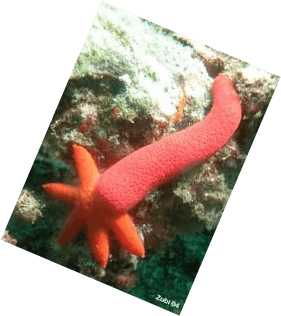
When a starfish grows a new body off a broken arm, what kind of reproduction is this?
a)
Sexual
b)
Differentiation
c)
Asexual 
d)
Specialization
2.
Where does an off spring get its traits in asexual reproduction?
a)
From both parents
b)
From only one parent
c)
From neither parent
d)
There are no traits handed down
3.
Sexual reproduction requires _____ parents and asexual reproduction requires ___ parents
a)
1,1
b)
2,2
c)
2,1
d)
1,2 
4.
What is an advantage of sexual reproduction?
a)
Allows genetic variation
b)
Only needs one parent
c)
Happens very quickly
d)
Offspring are exact copies of parent
5.
What is one disadvantage of sexual reproduction?
a)
Only one parent needed
b)
Off spring are exact copies of parents
c)
Happens very quickly
d)
Needs two parents
6.
Which is a type of Asexual Reproduction
a)
Sexual 
b)
Binary fission
c)
Cells 
d)
organism 
7.
When comparing the offspring of sexually and asexually reproducing organisms, we would expect the genetic material (DNA) of the sexually reproducing organism to -
a)
contain fewer mutations
b)
be lesser in quantity
c)
be simpler overall
d)
show more variation
8.
What are some of the facts about sexual reproduction?
a)
Takes two mates to reproduce and takes a longer time to reproduce
b)
Takes one mate to reproduce and takes a shorter amount of time to reproduce
c)
Takes two mates to reproduce and takes a shorter amount of time to reproduce
d)
Takes one mate to reproduce and takes a shorter amount of time to reproduce
9.
What are some of the facts about asexual reproduction?
a)
Takes only one mate to reproduce and takes a longer time to reproduce
b)
Takes a shorter amount of time to reproduce and it takes two mates to reproduce
c)
Reproduces diverse offspring and takes a longer time to reproduce
d)
Takes only one mate to reproduce and takes a shorter time to reproduce
10.
Prokaryotes (bacteria) reproduce asexually via -
a)
spore formation
b)
bud creation
c)
vegetative propagation
d)
binary fission
11.
If an environment suddenly changes, which type of reproduction would be most beneficial? Why?
a)
Asexual, because asexual organisms always have variation within species.
b)
Sexual, because sexual organisms have variation within species.
c)
Both Asexual and Sexual reproduction would be beneficial, because they both have variation within species.
d)
Asexual, because asexual organisms have no variation, so they can adapt to a changing environment.
12.
What is NOT a characteristic of sexual reproduction? 
a)
Gametes from two parents unite to form a zygote.
b)
Offspring are genetically identical with the parent. 
c)
Offspring are different from their parents and sibling.
d)
Genetic variability of offspring help to ensure survival in changing environmental conditions.
13.
Why does sexual reproduction result in more genetic diversity than asexual reproduction? 
a)
Traits from two parents are combined. 
b)
More organisms reproduce this way. 
c)
Offspring grow in different environments. 
d)
Offspring come from identical parents. 
14.
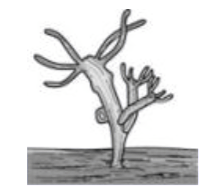
Many invertebrate animals, such as the hydra, reproduce asexually. What form of reproduction in this stage of the life cycle of the hydra is shown in the diagram? 
a)
binary fission
b)
budding
c)
fragmentation 
d)
vegetation propagation
15.
Daffodils are plants that can perform both asexual and sexual reproduction. How does a daffodil population benefit more by reproducing sexually? 
a)
It can reproduce more rapidly. 
b)
It can adapt faster to its environment. 
c)
It can increase the diversity of inherited traits. 
d)
It can eliminate unfavorable traits from the gene pool. 
16.
What types of cells are found only in organisms that reproduce sexually?
a)
blood cells 
b)
neurons 
c)
skin cells 
d)
gametes 
17.
Which of the following is a part of the process of sexual reproduction? 
a)
budding
b)
regeneration 
c)
pollination 
d)
fragmentation 
18.
When an egg and sperm form an embryo, the offspring that is formed will have genetic traits that are 
a)
inherited from only one parent. 
b)
created by the environment. 
c)
passed on from two parents. 
d)
learned from siblings. 
19.

Why is genetic variation considered strongly beneficial to a species?

a)

Differences among individuals allows the species to adapt to change

b)

A world without differences would be boring

c)

Genetic variation prevents harmful mutations

d)

Genetic variation actually harms a species

20.

How would you describe offspring created by asexual reproduction?

a)

Unlike the parents in any way

b)

A blending of both parent, sharing traits from both

c)

Only sharing traits with the mother

d)

Exact copies of the parent

21.

How would you describe offspring created by sexual reproduction?

a)

Exact copies of the parents

b)

Unlike the parents in any way

c)

A blending of both parent, sharing traits from both

d)

Only sharing traits with the mother

22.

How many parents are needed for asexual reproduction?

a)

1

b)

2

c)

3

d)

4

23.

How many parents are needed for sexual reproduction?

a)

1

b)

2

c)

3

d)

4

24.

Explain budding, is it a form of sexual or asexual reproduction?

a)

Asexual, Budding is when a new offspring grow off of the body of the parent

b)

Sexual, Budding is when a new offspring grow off of the body of the parent

c)

Asexual, Budding is when single celled organisms form lasting bonds with other cells for survival

d)

Sexual, Budding is when offspring prepare to transfer to adulthood

25.

What type of cells go through fission?

a)

Prokaryotic

b)

Eukaryotic

c)

Only plant cells

d)

Only animal cells

26.

Which best describes one disadvantage of asexual reproduction?

a)

It increases biodiversity

b)

It decreases biodiversity

c)

It decreases population size

d)

It increases combination of traits

e)

It produces diverse offspring

27.

Budding is a process in which a new individual is formed that is a clone of the parent. This type of reproduction is _____.

a)

Sexual

b)

Sporulation

c)

Asexual

d)

Binary Fission

e)

Fragmentation

28.

What would be a possible disadvantage of asexual reproduction.

a)

Ability to reproduce in the absence of a mate

b)

Results in low genetic variation of the species

c)

Allows for more genetic variation in the offspring

d)

Takes less time to produce offspring

e)

Ability to reproduce rapidly

29.

Sexual Reproduction _____

a)

results in genetic variation in the offspring

b)

produces offspring that are identical to the parent

c)

decreases the chances of survival of the species

d)

results in genetic material being donated to offspring by only one parent

e)

produces uniform offspring

30.

Which is an example of sexual reproduction?

a)

An egg cell joining a sperm cell in fertilization.

b)

A hydra formed by budding

c)

An amoeba formed by binary fission

d)

A starfish formed by fragmentation

e)

A mushroom formed from a spore

31.

A plant produces a new plant using a runner. What type of reproduction is shown?

a)

Asexual

b)

Regeneration

c)

Sexual

d)

Sporulation

e)

Fragmentation

32.

What advantage would a plant have when it reproduces using vegetative propagation?

a)

The plant can adapt easily to environmental changes.

b)

The plant will produce plants with genetic variability

c)

The plant will produce plants well adapted to its environment

d)

The plant will develop genetic diversity due to its parents DNA.

e)

The plant will be able to reproduce quickly.

33.

Which is not related to asexual reproduction

a)

only requires 1 parent

b)

Genetically identical to the parent/uniform offspring

c)

less variation or biodiversity

d)

easily adapts to changes in the environment

e)

fast population growth and requires less energy and time

34.

Which is not related to sexual reproduction

a)

requires 2 parent

b)

Offspring not genetically identical but similar to the parent/diverse offspring

c)

less variation and less biodiversity

d)

easily adapts to changes in the environment

e)

slow population growth and requires more energy and time

35.

An animal’s female reproductive cell

a)

Egg

b)

Amoeba

c)

Gamete

d)

Offspring

36.

Reproductive cells: Egg is female. Sperm is male.

a)

Gametes

b)

Offspring

c)

Prokaryotic

d)

Embryo

37.

Boundary that surrounds a cell and controls which substances can enter or leave the cell

a)

Cone

b)

Cell membrane

c)

Conifer

d)

Chromosome

38.
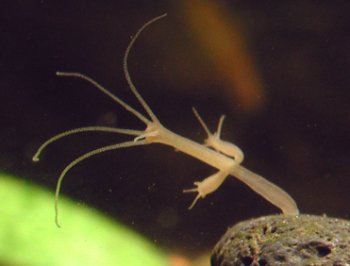
What type of asexual reproduction is taking place?
Fishermen work hard to catch and remove all the starfish that get into their favorite shell fishing beds and the “underwater farms” where they raise clams and oysters. In the past, they put the starfish into their boats, cut them up with knives, and then throw the pieces of starfish overboard. They thought this would kill the starfish. What they did not know was that each piece of starfish will grow into a whole new animal.
a)
Regeneration
b)
Vegetative propagation
c)
Budding
d)
Fission
39.
This is when a new organism grows by cell division on the body of its parent. The bud, or offspring is identical to the parent. The bud, when large enough, can break off of the parent and live on its own.  Examples of this include yeast, hydra and potatoes.
 
a)
Regeneration
b)
Vegetative propagation
c)
Fission
d)
Budding
40.
If an environment suddenly changes, which type of reproduction would be most beneficial? Why?
a)
Asexual, because asexual organisms always have variation within species.
b)
Sexual, because sexual organisms have variation within species.
c)
Both Asexual and Sexual reproduction would be beneficial, because they both have variation within species.
d)
Asexual, because asexual organisms have no variation, so they can adapt to a changing environment.
41.
The offspring from asexually reproduced organisms are?
a)
Different than their parents
b)
Identical to parents
c)
Like a combination from both parents
d)
A different species
42.
Organism produces offspring without fertilization 
a)
Sexual Reproduction 
b)
Asexual Reproduction 
43.

California blackworms, also known as mudworms, are able to break apart. Each body section that broke apart is able to become an identical new worm. What type of reproduction does this example represent?

a)

Sexual reproduction

b)

Asexual reproduction

44.

___________________ is a type of asexual reproduction in which a piece of a parent organism breaks off to form an new organism (ex. starfish).

a)

fission

b)

budding

c)

fragmentation

d)

fertiliztion

45.

When a single-celled organism splits into 2 new organisms it is called _________________.

a)

fragmentation

b)

fission

c)

budding

d)

sporulation

46.

Some advantages of sexual reproduction include: (select all that apply)

a)

genetic variation

b)

improves chances of adapting to the environment

c)

helps species survive catastrophes

d)

it doesn't take as much energy as asexual reproduction

47.

What are some disadvantages to sexual reproduction? (select all that apply)

a)

it takes a lot of energy to find a mate

b)

you don't need another mate

c)

it requires a male and a female

d)

more genetic errors can occur

48.

What are some advantages of asexual reproduction are: (select all that apply)

a)

it only requires one organism

b)

it takes less energy than sexual reproduction

c)

offspring are already well-adapted for the environment

d)

there is a lot of genetic variety

49.

Which organisms reproduce by budding? Click all that apply.

a)

hydra

b)

earthworm

c)

bacteria

d)

yeast cells

50.

What is an advantage of sexual reproduction?

a)

it is a faster process

b)

negative traits of parents may not always be passed to offspring

c)

it takes more energy and time

d)

finding a mate is necessary

51.

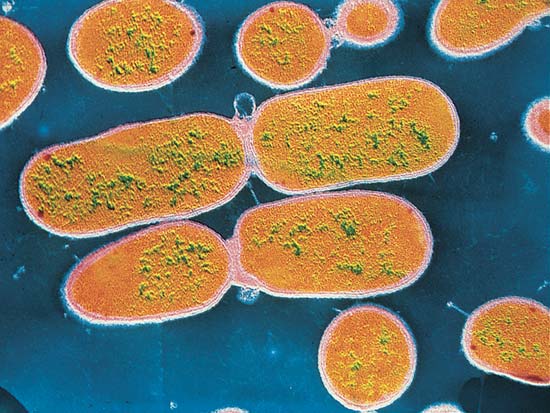
What type of asexual reproduction is taking place?

a)

Binary Fission

b)

Budding

c)

Fragmentation

d)

Regeneration

e)

Vegetative Reproduction

52.

What type of asexual reproduction is taking place?

a)

Binary Fission

b)

Budding

c)

Fragmentation

d)

Regeneration

e)

Vegetative Reproduction

53.
The offspring from asexually reproduced organisms are?
a)
Different than their parents
b)
Identical to parents
c)
Like a combination from both parents
d)
A different species
54.

How did your planarian reproduce?

a)

Asexual reproduction

b)

Sexual reproduction

55.

What team will win the Superbowl?

a)

LA Rams

b)

Patriots