
 Worksheets
Kingdom classification
Total questions: 50
Worksheet time: 50mins
This organism spends its day attached a hard underwater surface. Water currents flowing through it provide the organism with food and oxygen and remove its wastes. It has no organs, but some of its cells have specialized jobs.
Eubacteria
Animalia
Protista
Fungi
This organism spends its day roaming through the forest in search of food. Its hunting techniques require use of its keen sense of smell and hearing.
Plantae
Archaebacteria
Fungi
Anmialia
This tiny organism spends its day reproducing rapidly (about once every 20 minutes), often inside the bodies of other organisms. Its genetic material is not contained inside a nucleus.
Eubacteria
Protista
Fungi
Plantae
This rather soft, low-lying organism spends its day taking nutrients from a rotten log through its hyphae. It continues to undergo cell division and grow larger.
Plantae
Fungi
Archaebacteria
Animalia
This very small, thin organism spends its day using its flagellum to propel itself through pond water. If sunlight is available, it can make its own food.
Eubacteria
Protista
Archaebacteria
Plantae
This organism spends its day in hot gases and molten rock deep within the earth. This type of tiny organism existed billions of years ago.
Fungi
Eubacteria
Archaebacteria
Animalia
This organism spends its day taking in carbon dioxide and releasing oxygen through its stomata. It never eats but can grow many meters tall.
Fungi
Plantae
Protista
Animalia


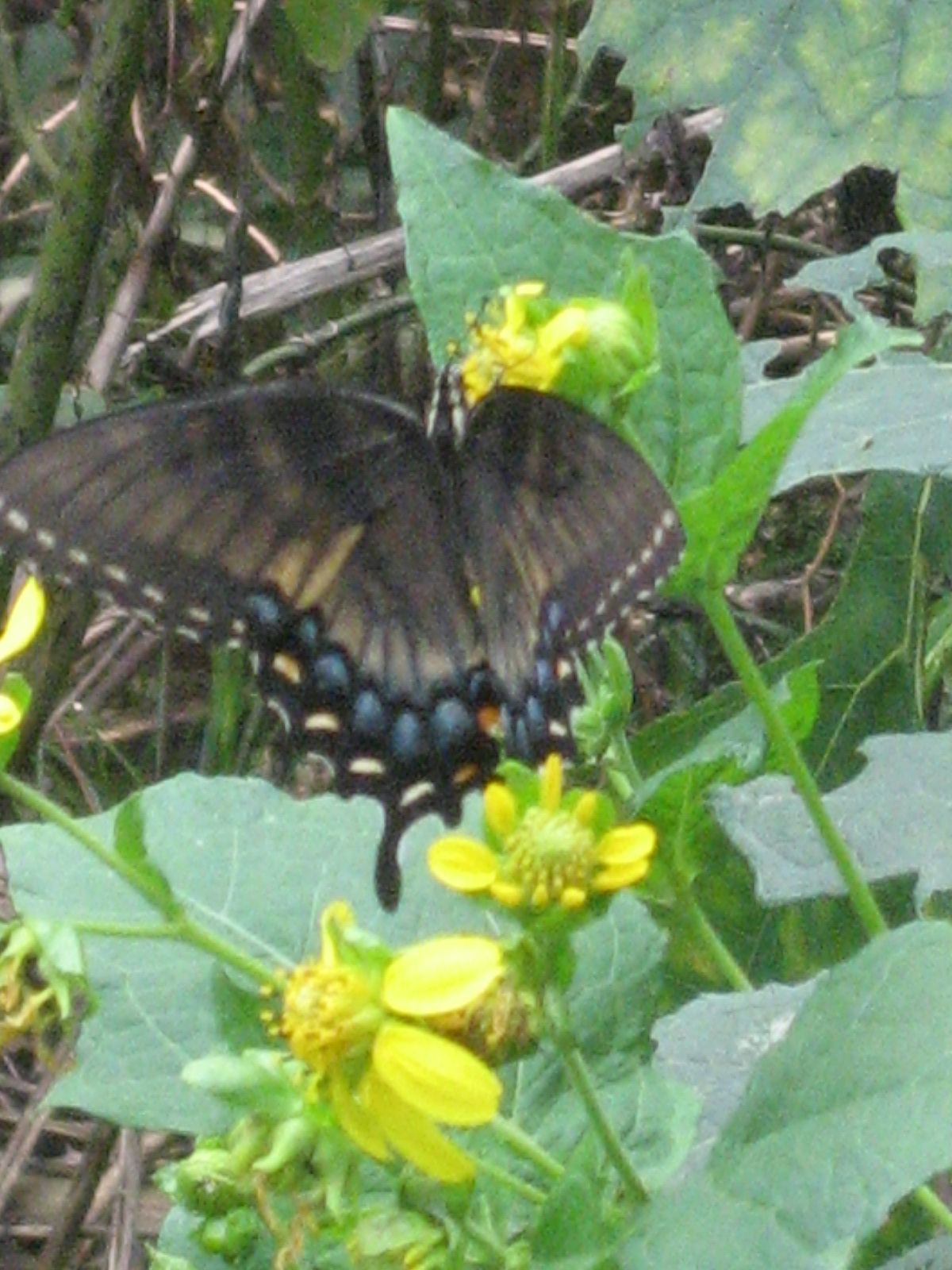


I am an autotroph
I am multicellular
What am I?
I am eukaryotic
I reproduce sexually
I am multicellular
What kingdom do I belong to?
I can be either multicellular or unicellular-
I can have cell walls or not-
The only thing for sure about me is that I have a nucleus in my cells...
I am Kingdom ____________ .
Protists

Why do scientists classify animals?
to organize information
to show relationships
to learn more about animals
all of the above
Which is NOT a way scientists classify animals into groups?
by how much they weigh
by their body covering
by whether they are cold-blooded or warm-blooded
by whether they are vertebrates of invertebrates
How do some warm-blooded animals keep their body temperatures constant when their surroundings are cold?
basking on a rock
going into the shade
burrowing in the mud
migrating
Which animal is NOT cold-blooded?
a fish
a mammal
a reptile
an amphibian
How are animals that have backbones classified?
as vertebrates
as invertebrates
as insects
as jellyfish
There are more cold-blooded than warm-blooded animals in the five groups of animals we learned about.
True
False
Cold-blooded animals body temperature fluctuates, whereas warm-blooded animals body temperature stays constant.
True
False

