
 Worksheets
Global 9 Midterm Review
Total questions: 73
Worksheet time: 2hrs 4mins
What is a primary source?
An original, firsthand account of an event or time period
A account of an event or time period that was written after that time
An account that is written in first person
An account that is written by two authors
What is a secondary source?
An original, firsthand account of an event or time period
A account of an event or time period that was written after that time
An account that is written in first person
An account that is written by two authors

In the map above, which continent is labeled number 1?
North America
South America
Europe
Africa

In the map above, which continent is labeled number 2?
North America
South America
Europe
Africa

What continent is India on?
Asia
Africa
North America
South America

What continent is Egypt on?
Europe
North America
Africa
Asia

In the map above, by which number could you find the Pacific Ocean?
1
2
3
4
Did the year 1054 AD happen before the year 0 or after?
Before
After
Did the year 800 BCE happen before the year 0 or after?
Before
After
How did Han dynasty emperors select officials to run the government?
A voting system similar to the Voice where contestants sing for their desired position.
The appointed people from Noble families.
They chose the best-educated priests and scribes.
They allowed villages to appoint their own officials.
They set up a system of civil service exams that were open to anyone.
According to Legalism, the way to achieve order was
to appeal to a man's natural goodness.
to provide a ruler who set a good moral example.
to pass strict laws and enforce them with harsh punishments.
to live by the natural balance of yin and yang.
to hire a judge who can oversee legal cases.
Confucius believed the best ruler was
a philosopher, teacher, politician, editor.
a virtuous man who led by example.
was one who brought order to human affairs
a great military hero
someone who would pass strict laws.
The Guptas were responsible for creating
the alphabet
numbers
the first education system
religion
the game of checkers
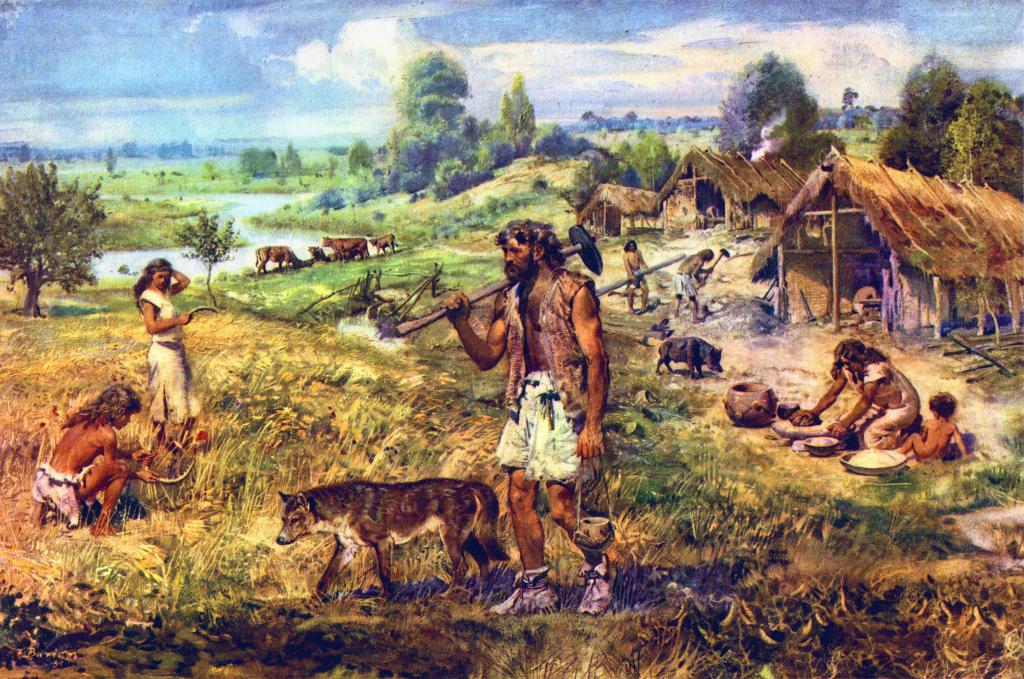
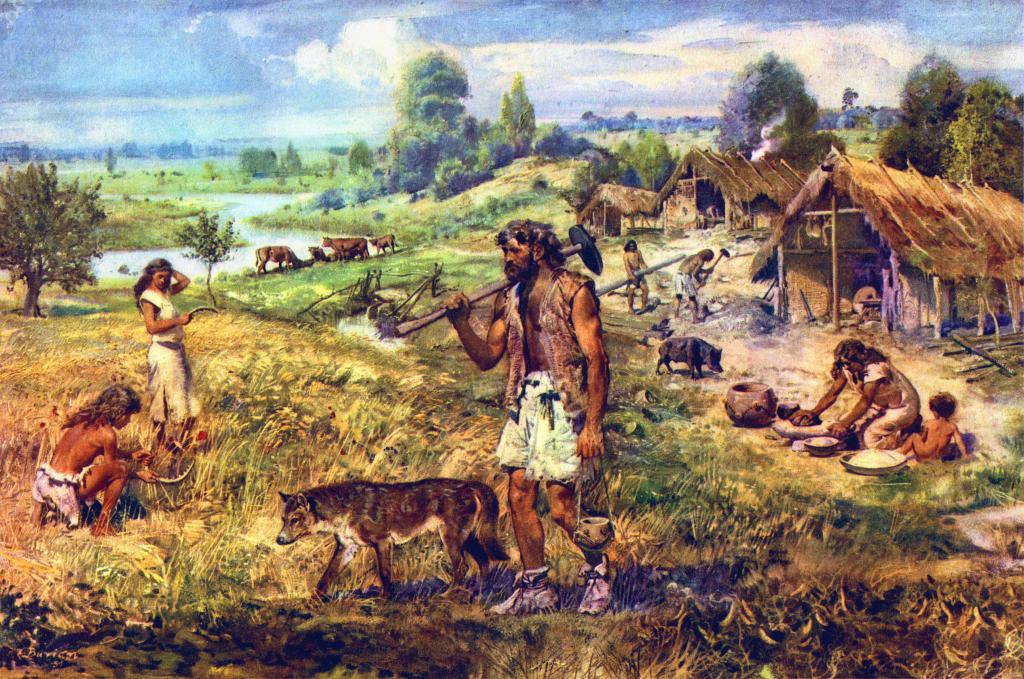
One effect of the Neolithic Revolution was to
introduce commercial investment in joint stock companies
expand the use of realism in portraits and landscape paintings
develop surplus food production and permanent settlements
prove that the Sun, not Earth, was the center of the solar system
Which statement best describes the benefit of studying past events from multiple points of view?
Using primary sources allows historians access to official records.
Viewing history chronologically shows how eras overlap from one time period to the next.
Examining different perspectives gives a more complete picture of historical circumstances.
Evaluating the roles of specific individuals in history helps determine personal contributions.
Hammurabi's Code is a famous system of laws because it
is thought to be one of the earliest written sets of laws
led directly to the development of democracy
had such lenient punishments,which allowed for personal freedom
was considered unfair, causing people to rebel in the world's first insurrection
The Tigris and Euphrates are
ancient civilizations from Mesopotamia
ancient structures used as templates
rivers that were important to ancient civilizations in Mesopotamia
two economic levels in the Sumerian class-based society
What continent is the fertile crescent located?
Asia
The middle east
Egypt
Africa
North America
To be considered a civilization, it must have all but...
Public libraries
Religion
Job Specialization
Government
Social Class
China's two major river systems
Huange He, Ganges
Yangtze, Indus
Gantes, Tigris
Huang He, Yangtze


The culture that Alexander the Great created
Hellenistic
Rebuplic
Mediterranean Sea
Golden Age
Athens had this type of government
Direct Democracy
Theocracy
Dictatorship
Oligarchy
Ancient Greece was located on this body of water
Mediterranean Sea
Dead Sea
Atlantic Ocean
Indian Sea
The Golden Age of Greece was where?
Athens
Sparta
India
Egypt
Type of government Sparta had
Oligarchy
Democracy
Dictatorship
Theocracy
For Buddhists, understanding the Four Noble Truths and 8 Fold Path will help someone
understand algebra
move up in the caste pyramid
achieve Nirvana
score tickets for a 90s grunge band concert
Which type of social scientist is most likely to study artifacts and fossils?
Geologist
Archealogist
Economist
Sociologist
Ancient Greece's political structure was characterized by city- states because
the Romans would not allow Greece to become an empire
different locations within Greece practiced different religions and spoke different languages
Sparta and Athens failed to fight off the Persians
of Greece's numerous mountains and islands
The Silk Road was important because it allowed for
exploration of China by Roman Army
development of agriculture by the nomadic people of Central Asia
movement of Chinese armies through Southeast Asia
exchange of goods between Asia and Middle East
Which statement was true of the caste system in traditional India
Members of different castes often intermarried
Caste membership determined a person"s occupation
The highest caste was composed of untouchables
contributing to greater social moblity
Which culture is credited with the development of gunpowder, the abacus, and the compass
Chinese
Persian
Indian
Japanese
The development of the concept of zero, the use of the decimal system, and the Buddhist cave paintings at Ajanta are all achievements of the
Inca Empire
Gupta Empire
Roman Empire
Kingdom of Songhai
Which statement represents a characteristic of democracy?
Religious leaders control government policy
Citizens are the source of power in government
The government limits the thoughts and action of the people
The laws of the government are made by influential military officers
Which description accurately identifies Socrates, Plato, and Aristotle?
rulers of the Roman Republic
artists of the Italian Renaissance
religious leaders of the Protestant Reformation
philosophers of ancient Greece
One way in which the Yellow River, the Indus and the Nile civilizations were similar is that they each
flourished by trading salt and gold
developed monotheistic religions
suffered repeated invasions
originated in river valleys
India's earliest civilizations were located in
mountainous areas
river valleys
coastal regions
dry steppes
As a result of the Diaspora...
The Jews gained new rights
Jews moved to other parts of the world
The Jews had to pay more taxes
The Jewish tribes came together
Which of the following prompted (caused) the pharaoh to free the Hebrews?
The Hebrews received the Ten Commandments
Moses demanded freedom for the Hebrews
A series of plagues struck Egypt
The Hebrews population grew in Egypt
The most sacred text in Judaism is the...
The Koran
Torah
Kosher
Dead Sea Scrolls
People who receive messages from God are called...
Orthodox Jews
Reform Jews
Prophets
Psalms
How are Judaism, Islam, and Christianity related?
Early followers of Islam honored the Sabbath
The people who follow Islam are required to follow the Mosaic laws
They believed they descended from Abraham
The teachings of Jesus reflect Jewish ideas
What is the main religious text of Christianity?
The Torah
The Quran
The Bible
The Dictionary
What are the stories called that Jesus used to teach his followers?
Proverbs
Verses
Sayings
Parables

