
 Worksheets
Catalysis & Protein Structure
Total questions: 32
Worksheet time: 28mins
In general, what is a substance called if it speeds up a chemical reaction (biologically, like in the body, OR inorganically, like in a car)?
Protein
Catalyst
ATP
Substrate

Which of the following conclusions can be drawn from this graph?
The optimal pH of the enzyme is 6.6.
The optimal pH of the enzyme is 5.8
The enzyme’s activity increases as pH increases 5.0 to 9.0
The enzyme’s activity is greater around pH of 8.0 .
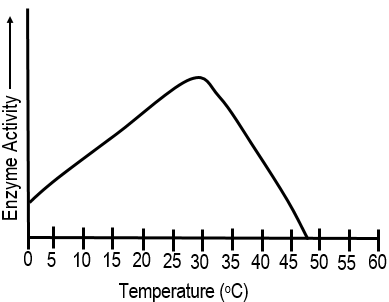
The pH at which an enzyme is most efficient is called the _________ pH of an enzyme.
neutral
optimal
minimum
experimental
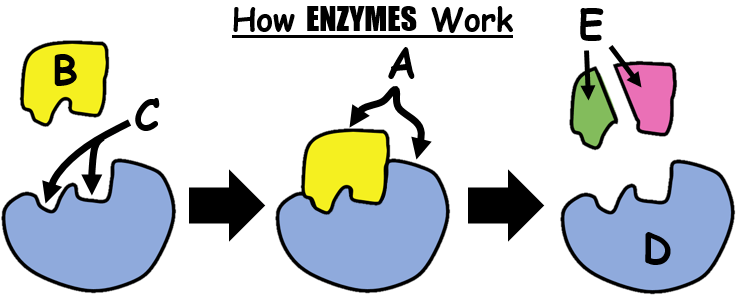
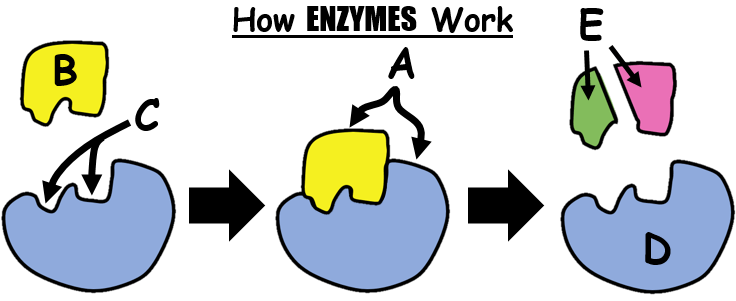
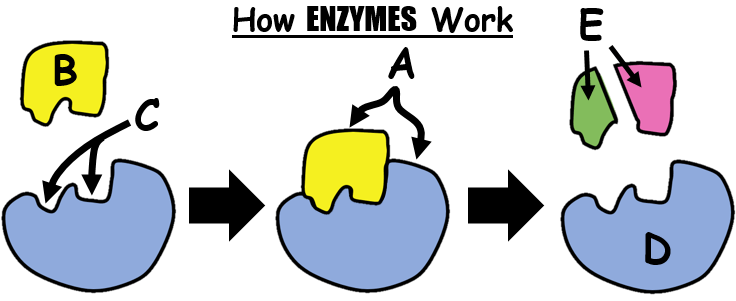
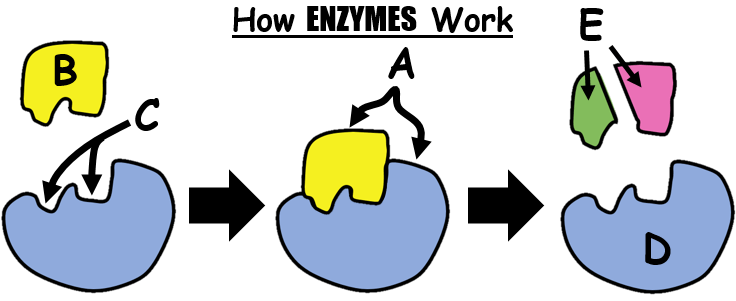
Which of the following is true regarding enzymes? (Select all that apply...)
Enzymes are made out of proteins.
Enzymes are biological catalysts.
The shape of an enzyme's active site is specific to the shape of the corresponding substrate.
Most chemical reactions in the body do NOT require enzymes.
Only break down substrates
People who are lactose intolerant have difficulty digesting dairy products because their bodies do not produce enough...
Lactose
Lactase
Amylase
DNA Ligase

In what part of the body would the enzyme in this graph work best?
Stomach
Intestine
Saliva
Esophagus
Starchy foods will taste sweeter if you let them sit in your mouth for a bit of time before swallowing because your saliva contains...
Amylase
Starchase
Polysaccharidase
Lactase
Which of the following statements is/are true regarding DNA ligase? (Select all that apply...)
DNA ligase is a biological catalyst.
DNA ligase is an enzyme.
DNA ligase breaks down DNA molecules.
DNA ligase builds DNA molecules by "gluing" or linking together smaller pieces of DNA.
DNA ligase is a protein.


Which of the following factors affect enzyme activity? (Select all that apply...)
catalyst
pH
carbohydrates
temperature
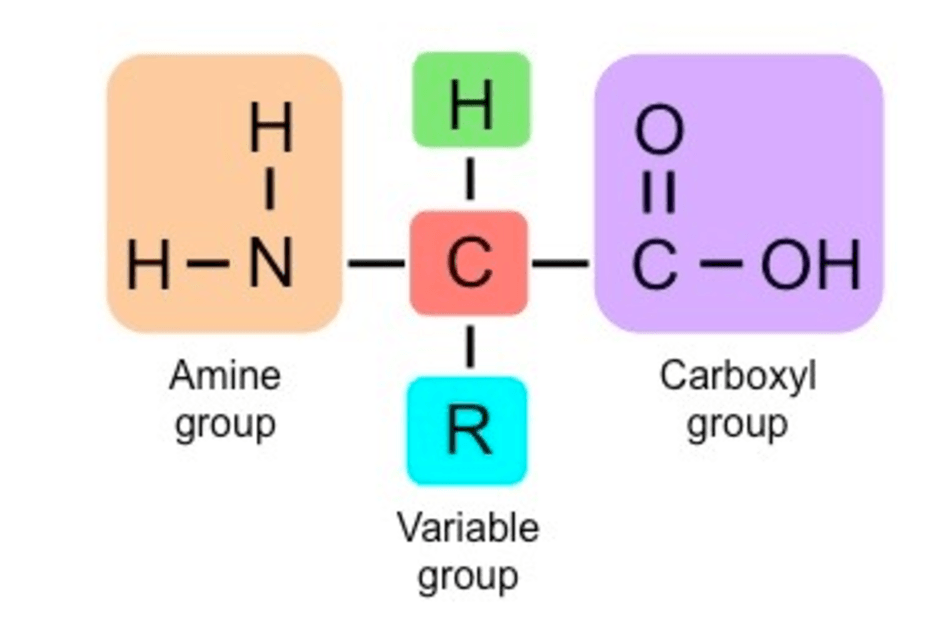
Amino Acids that humans can only obtain through their diet (our bodies cannot produce them) are called...
Essential Amino Acids
Dietary Amino Acids
Gastrointestinal Amino Acids
Non-Essential Amino Acids
How many essential amino acids are there?
3
9
12
20
True or False. Humans can synthesize essential amino acids.
TRUE
FALSE
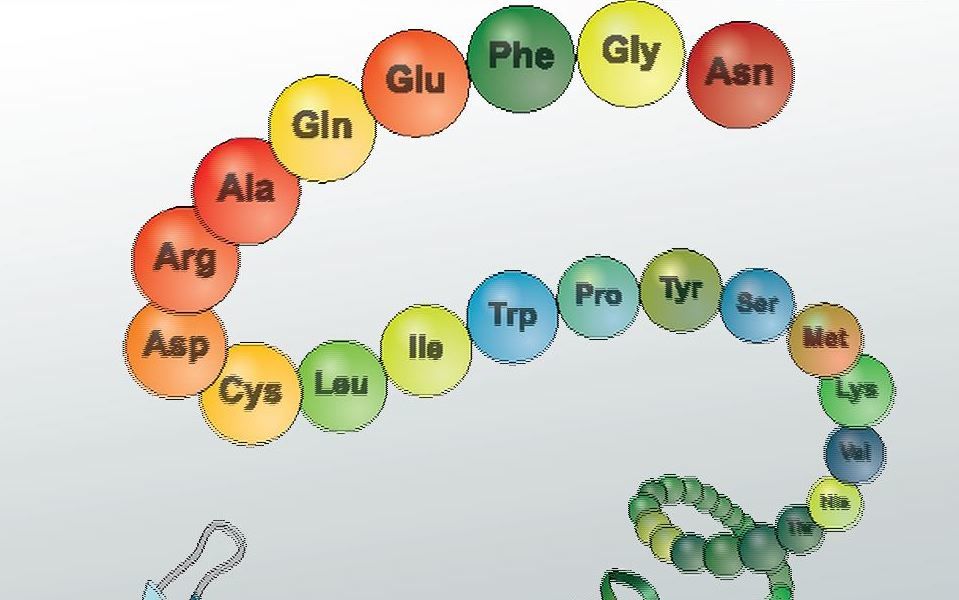
Polypeptide chains will _____________ to form a specific protein.
fold & twist
break down
catalyze
speed up the rate of a reaction

One day, Brooke will have a pug and she will name him...
THIS IS THE CORRECT ANSWER: Richie!
Schmookins Pie
Mooncake
My best friend
The monomers of proteins are called...
Proteins
Nucleic Acids
Amino Acids
Enzymes

