wayground logo

Free Printable Worksheets

NEW

Font size

S
M
L
XL
Worksheets

2019 Ancient Greece

Total questions: 65

Worksheet time: 48mins

Name
Class
Date
1.

Based on the map which describes the effect of geography on the city states of Greece?

a)

the geography caused the city-states to be isolated and independent

b)

the geography gave the city states similar political and economic interests

c)

the geography led to peaceful cooperation among the city states

d)

the geography kept the city states from any trade with each other

2.

What aspect of Athen's gov't influenced modern Democracies?

a)

only lower class citizens could vote

b)

use of debates and participation of citizens

c)

the use of war to expand a nation's territory

d)

the restriction of citizenship rights to men

3.

What type of government was found in Ancient Athens?

a)

oligarchy

b)

direct democracy

c)

representative democracy

d)

monarchy

4.

What type of government is found in the United States today?

a)

oligarchy

b)

direct democracy

c)

representative democracy

d)

monarchy

5.

What type of government was developed in Sparta in which power rested with a few citizens?

a)

oligarchy

b)

monarchy

c)

direct democracy

d)

representative democracy

6.

In what type of government do citizens get to debate and vote on every issue?

a)

monarchy

b)

oligarchy

c)

direct democracy

d)

representative democracy

7.

In what type of government do citizens elect people to debate and vote for them?

a)

monarchy

b)

oligarchy

c)

direct democracy

d)

representative democracy

8.

Ancient Greece most impacted the world in which areas?

a)

government and philosophy

b)

law and architecture

c)

arts and crafts

d)

sports and medicine

9.

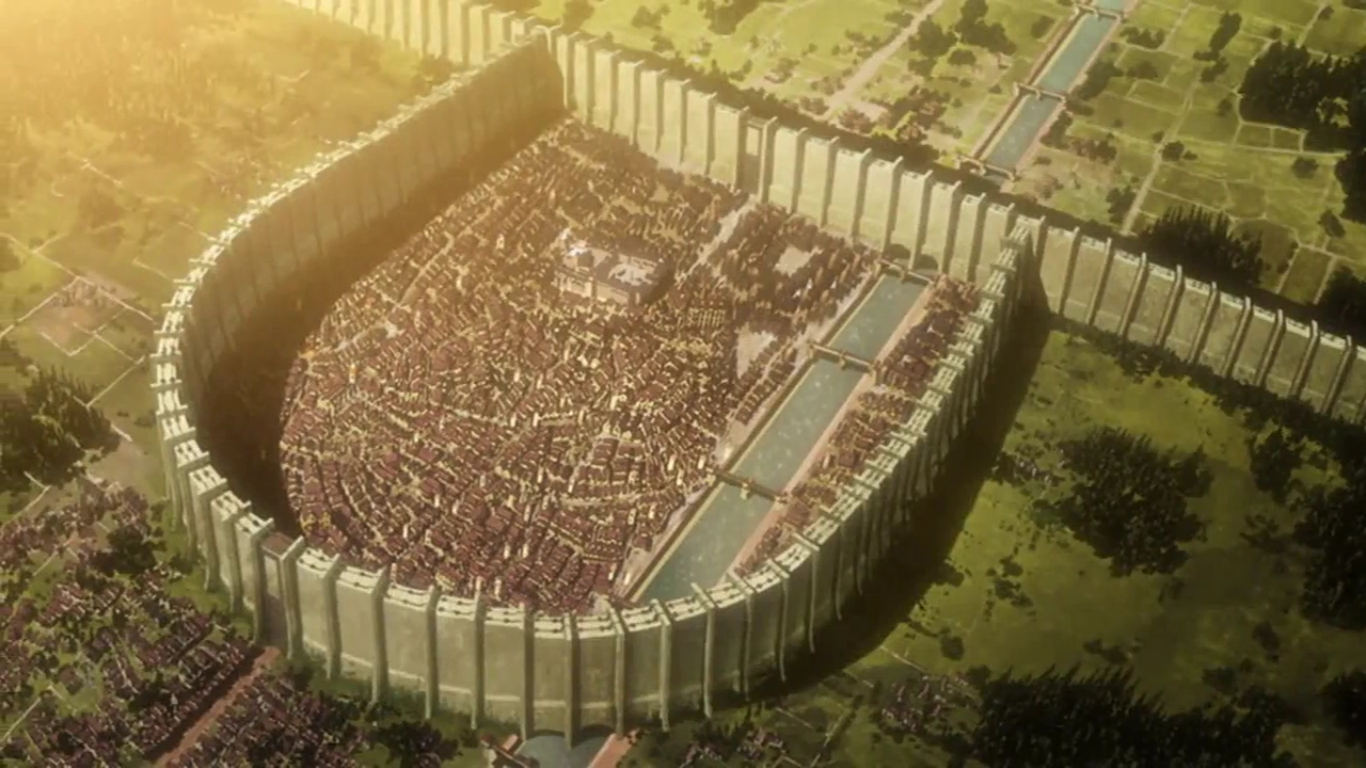
What important feature of most Greek city states is pictured?

a)

an acropolis

b)

a moat

c)

a church

d)

a city wall

10.

What helped in the development of Greek architecture?

a)

admiration of the people

b)

war - like attitudes

c)

pride in the city state

d)

poor farmland

11.
What word best describes the land of the Greek peninsula?
a)
rocky and mountainous
b)
flat
c)
desert
d)
rolling plains
12.
Why was communication difficult between communities in Ancient Greece?
a)
They did not have telephones
b)
Mountains and Water
c)
communication was easy
d)
most people had horses
13.
The ancient Greeks were  
a)
Monotheistic  
b)
Polytheistic
c)
Atheist
d)
Scientologist
14.
Who was NOT a Greek philosopher?
a)
Pythagoras
b)
Aristotle
c)
Socrates
d)
Plato
15.
Which term describes the blending of Greek culture with Persian, Indian, & Egyptian influences?
a)
Classical
b)
Arabesque
c)
Hellenism
d)
Gothic
16.
The ruler of all the Greek gods was... 
a)
Poseidon.
b)
Ares.  
c)
Zeus.
d)
Athena.  
17.
What does the word "Democracy" mean?
a)
"rule by the government"
b)
"rule by the many"
c)
"rule by the wealthy"
d)
"rule by the people"
18.
Greek has many _________that are like mini countries.
a)
counties
b)
city-states
c)
provinces
d)
parishes
19.
The games held every four years at a festival to honor Zeus were called
a)
Goodwill Games
b)
Marathons
c)
Olympics
d)
Triathlons 
20.
A militaristic city-state where boys were trained from an early age to fight.
a)
Athens
b)
Delphi
c)
Corinth
d)
Sparta
21.
Who was the leader of Athens after the defeat of the Persians and took Athens into a "Golden Age" of prosperity and achievement?
a)
Pericles
b)
Leonidas
c)
Themistocles
d)
Socrates
22.
A city-state which favored democracy and a well-rounded education. 
(Also, the largest city-state by a wide margin)
a)
Sparta
b)
Athens
c)
Delphi
d)
Corinth
23.
What kingdom led the Hellenistic civilization?
a)
Athens
b)
Sparta
c)
Thebes
d)
 Macedonia
24.
What does Hellenistic mean?
a)
To act like Helen
b)
To create a large Empire
c)
To mix with Roman culture
d)
To mix with Greek culture
25.
Who was the mentor of Alexander?
a)
Epicurus
b)
Socrates 
c)
Plato
d)
Aristotle
26.
Hellenistic civilization refers to the fusion of Greek civilization with other civilization due to the conquests made by Alexander the Great.
a)
True
b)
False
27.
Who first led the Macedonians in conquering territories?
a)
Ptolomey
b)
Philip II
c)
Darius III
d)
Alexander the Great
28.
This famous building showing Greek architecture is _________________.
a)
The US Supreme Court
b)
The Parthenon
c)
The Temple of Zeus
29.
What did Alexander do to cities that resisted being conquered?
a)
He recruited the people into his army
b)
He let the people go
c)
He burned the city to the ground and sold the people into slavery
d)
His soldiers adopted the children of the conquered people
30.
Hellenistic culture was a blend of all of the following EXCEPT
a)
Chinese
b)
Persian
c)
Egyptian
d)
Greek
31.
Why was Alexandria, Egypt, important to the Hellenistic period?
a)
As a center of scholarship, Alexandria became second only to Sparta.
b)
While working in Alexandria, Ptolemy correctly placed earth at the center of the solar system.
c)
It became the foremost center of commerce and Hellenistic culture.
d)
It became the foremost center of the Greek army and weapons production.
32.
a massive tactical formation of heavily armed foot soldiers
a)
acropolis
b)
polis
c)
phalanx
d)
citizen
33.
What happened to Alexander's empire following his death at 32 years old?
a)
It split apart
b)
It thrived
c)
It became the Roman Empire
d)
It was conquered by India
34.
What is a city-state?
a)
Multiple cities working with outside forces
b)
A state with a city
c)
A region controlled by one city, part of a larger area
d)
A region for people to live
35.
The Greek Myths were an attempt by the ancient Greeks to
a)
explain their world
b)
tell ghost stories
c)
help you sleep at night 
d)
to make people laugh
36.
What did the city states have in common?
a)
Same type of governement
b)
Same laws
c)
Same Gods
d)
Same size
37.
What modern day athletic event is based on a similar events in Greece? 
a)
Super Bowl
b)
Olympics
c)
Kentucky Derby
d)
World Series
38.
In Athens, who could vote?
a)
Foreigners
b)
Citizen Adult Females
c)
Citizen Adult Males
d)
Everybody
39.
Who was Socrates student that recorded much of his teachings? He also started a school called the Academy in Athens.
a)
Plato
b)
Aristotle
c)
Eratosthenes
d)
Archimedes
40.
Alexander the Great can be described in all of the following ways except:
a)
ambitious
b)
intelligent
c)
lazy
d)
brave
41.
Who was the philosopher that taught by asking questions?
a)
Plato
b)
Socrates
c)
Aristotle
d)
Alexander
42.
Which philosopher did not write any books based on the belief that debating was better than writing?
a)
Socrates
b)
Plato
c)
Aristotle
d)
Pluto
43.
What did Socrates do that got him into trouble?
a)
 He tried to overthrow the Athenian government by starting a revolution.
b)
He abandoned his belief in the gods and goddesses and became a Christian.
c)
He accused Athenian leaders of leading young people into error and disloyalty.
d)
He encouraged people to question the very things they thought they knew.
44.
What type of democracy did they have in Ancient Athens?
a)
direct
b)
representative
45.
What type of democracy do we have in America?
a)
direct
b)
representative
46.
What did Plato create?
a)
lever
b)
equation to find the missing side of a triangle
c)
The Academy
d)
democracy
47.
What is Aristotle known for?
a)
lever and value of pi
b)
Alexander the Great's teacher and political philosophy
c)
equation to find the missing side of a triangle
d)
The Academy
48.
Alexander's conquests spread Greek culture and ideas.  This is called
a)
polytheistic
b)
hellenistic
c)
monotheistic
d)
socratic
49.
Under the Greek definition of "citizen" who qualified for citizenship?
a)
everyone who lived in Greece
b)
free, native-born men who owned land
c)
wealthy women who owned land
d)
foreign-born men with land
50.
In direct democracy, how do citizens run the government?
a)
by citizens running the government at mass meetings
b)
by choosing a smaller group to govern them
51.
What was a unified formation of Greek soldiers called?
a)
Phalanx
b)
Phylange
c)
Assembly
d)
Ephor
52.
What is another name for a Greek city-state?
a)
Polling Place
b)
Acropolis
c)
Polis
d)
Oligarchy
53.
what is a hilltop in a Greek city state called? 

(It housed a fort and a temple to the city-state's local god or goddess)
a)
Agriculture
b)
Thermopylae
c)
Acropolis
d)
Ephor
54.
What is the name for thinkers who reflect on the meaning of life?
a)
Soldiers
b)
Philosophers
c)
Ephors
d)
Helots
55.
Athenian society DID NOT consider educated women as equal to men. 

For instance, women COULD NOT participate in political activities or own property, and they were always under the care of a male family member.
a)
True
b)
False
56.

People believe Gods did what when they were angry?

a)

Praised them

b)

Punished them

c)

Sent them to the Underworld

57.
Greece is in which continent?
a)
Europe
b)
Africa
c)
North America
d)
Asia
58.
Why did the Greeks think that myths, epics, and fables were important?
a)
They often provided money for the rich.
b)
They had nothing else to do.
c)
They often taught lessons and values.
d)
They often taught people how to read.
59.

What was the agora?

a)

The marketplace

b)

The movie theater

c)

The church

60.
What sporting event founded in Ancient Greece, does the United States compete in every 4 years...
a)
Super Bowl
b)
Olympics
c)
World Series
d)
Rose Bowl
61.

Based on the map what effect did geography have on the Greek city-states?

a)

the geography caused the city states to be isolated and independent

b)

the geography gave the city states similar economies and governments

c)

the geography led to peaceful trade and cooperation among city states

d)

the geography kept the city-states from ANY trade with each other

62.

The picture shows Ancient Greek's accomplishments in what areas?

a)

architecture and drama

b)

medicine and astronomy

c)

monotheism and metalworking

d)

science and civics

63.

What statement can be made based on the map of the Middle East and Africa?

a)

Greek culture spread to the Middle East and parts of Africa

b)

Cities in the MIddle East had no interaction with Greek city states

c)

Greece did not engage in international trade

d)

African cultures were not influenced by the Greeks

64.

What does this urn tell archaeologists about Greek culture?

a)

Ancient Greeks enjoyed carrying water

b)

Ancient Greeks appreciated art and design

c)

Ancient Greeks did not use metals

d)

Ancient Greeks did not honor their dead

65.

Who is most responsible for the concept shown in this diagram?

a)

Alexander the Great

b)

Aristotle

c)

Plato

d)

Socrates