Worksheets
Newton's Laws of Motion
Total questions: 80
Worksheet time: 1hrs 9mins
1st
Law of Motion
2nd
Law of Motion
3rd
Law of Motion
1st
Law of Motion
2nd
Law of Motion
3rd
Law of Motion
1st
Law of Motion
2nd
Law of Motion
3rd
Law of Motion
1st
Law of Motion
2nd
Law of Motion
3rd
Law of Motion
1st
Law of Motion
2nd
Law of Motion
3rd
Law of Motion
1st
Law of Motion
2nd
Law of Motion
3rd
Law of Motion
1st
Law of Motion
2nd
Law of Motion
3rd
Law of Motion
1st
Law of Motion
2nd
Law of Motion
3rd
Law of Motion
1st
Law of Motion
2nd
Law of Motion
3rd
Law of Motion
1st
Law of Motion
2nd
Law of Motion
3rd
Law of Motion
1st
Law of Motion
2nd
Law of Motion
3rd
Law of Motion
1st
Law of Motion
2nd
Law of Motion
3rd
Law of Motion
1st
Law of Motion
2nd
Law of Motion
3rd
Law of Motion
1st
Law of Motion
2nd
Law of Motion
3rd
Law of Motion
1st
Law of Motion
2nd
Law of Motion
3rd
Law of Motion
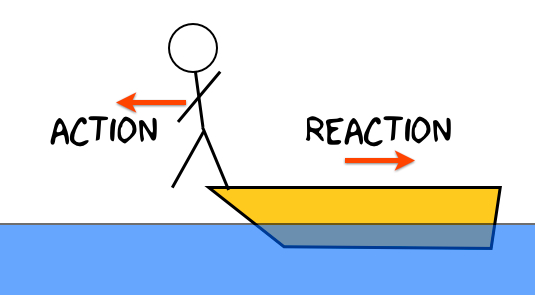
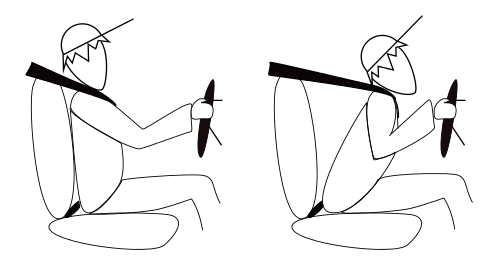

1st
Law of Motion
2nd
Law of Motion
3rd
Law of Motion
What is inertia?
The resistance of any physical object to any change in its state of motion
The amount of mass an object has
A reaction in an object
No one knows
Which of the following has more inertia?
Bowling ball
Tennis ball
Which of the following has less inertia?
Feather
Hammer
Which law of motion is also known as the Law of Acceleration?
First Law
Second Law
Third Law
Newton's Second Law says that an unbalanced force is applied to an object, it causes it to _____.
accelerate
slow down
stay at rest
have more mass
Newton's Third Law says that forces must always occur in _____.
pairs
groups of 20 or more
individual circumstances
friction
In Newton's Second Law equation, what does the F stand for?
force
friction
french fries
friends
In Newton's Second Law equation, what does the m stand for?
mass
minutes
measurement
mountain
In Newton's Second Law equation, what does the a stand for?
acceleration
animals
atom
ant