wayground logo

Free Printable Worksheets

NEW

Font size

S
M
L
XL
Worksheets

Classification and Geologic Timeline

Total questions: 48

Worksheet time: 36mins

Name
Class
Date
1.
An animal with three tissue layers is...
a)

a diploblast

b)

a coelomate

c)

a triploblast

d)

an endoderm

2.
An animal with no body cavity is ...
a)
a coelomate.
b)
a pseudocoelomate.
c)
an acoelomate.
3.
Where is the endoderm?
a)
Inner layer
b)
Middle layer
c)
Outer layer
4.
Where is the ectoderm?
a)
Inner layer
b)
Middle layer
c)
Outer layer
5.
Where is the mesoderm?
a)
Inner layer
b)
Middle layer
c)
Outer layer
6.
What does the mesoderm become?
a)
Skin
b)
Digestive system
c)
Muscle
d)
Brain
7.
What does the endoderm become?
a)
Skin
b)
Muscle
c)
Digestive system
d)
Bones
8.
What does the ectoderm become?
a)
Muscle
b)
Skin
c)
Bones
d)
Digestive system
9.
Which of the following is NOT an embryonic germ layer
a)
endoderm
b)
ectoderm 
c)
mesoderm
d)
epiderm
10.
Which term refers to a true body cavity?
a)
Exoskeleton
b)
Endoskeleton
c)
Cephalization
d)
Coelom
11.
How many tissue layers are in a diploblastic organism?
a)
One
b)
Two
c)
Three
d)
Four
12.

Has true tissues, bilateral symmetry, triploblastic and pseudocoelomate. This animal is classified under which phylum?

a)

Nematoda

b)

Annelida

c)

Mollusca

d)

Arthropoda

13.

These organisms are mollusks EXCEPT

a)

squid

b)

snail

c)

oyster

d)

prawn

14.

Which of the following traits is NOT shared by Nematoda, Platyhelminthes and Annelida?

a)

Bilateral symmetry

b)

Triploblastic

c)

Coelomate

d)

Multicellular

15.

What are the three animal phyla that dominate animal life on land?

a)

Cnidaria, Mollusca, Platyhelminthes

b)

Porifera, Arthropoda, Nematoda

c)

Nematoda, Chordata, Cnidaria

d)

Mollusca, Arthropoda, Chordata

16.
Which one of the following terms applies to the phylum Arthropoda?
a)
coelomate
b)
diploblastic
c)
radial symmetry
d)
deuterostome
17.
Cnidarians (hydra) have two germ layers so they are
a)
triploblastic
b)
diploblastic
c)
digerminal
d)
pseudocoelomate
18.
The specialization of a head region
a)
cephalization
b)
cephalopod
c)
celiac
d)
triploblastic
19.
An organism with radial symmetry
a)
cnidarian
b)
spone
c)
human
d)
butterfly
20.
Platyhelminthes (flatworms) have which type of body plan?
a)
acoelomate
b)
pseduocoelomate
c)
coelomate
21.
Earthworms (annelids) have which type of body plan?
a)
acoelomate
b)
pseudocoelomate
c)
coelomate
22.

Which event below happened EARLIEST?

a)

First birds

b)

First reptiles

c)

First amphibians

d)

First dinosaurs

23.

How ago long did the Cenozoic Era start?

a)
45 million years ago
b)
65 million years ago
c)
34 million years ago
d)
75 million years ago
24.
Which of the following correctly lists the geologic time  periods in order from OLDEST to MOST RECENT?
a)
Precambrian, Mesozoic, Paleozoic, Cenozoic
b)
Cenozoic, Mesozoic, Paleozoic, Precambrian
c)
Precambrian, Paleozoic, Mesozoic, Cenozoic
d)
Mesozoic, Paleozoic, Precambrian, Cenozoic
25.

The earliest forms of life (microscopic organisms) appeared during the

a)

Paleozoic Era

b)

Cenozoic Era

c)

Precambrian Time

d)

Mesozoic Era

26.
Cenozoic, Mesozoic, and Paleozoic are huge sections of time called ____ 
a)
era
b)
epoch
c)
period
d)
geologic time
27.
The era after the Precambrian characterized by the growth of multicellular organisms like plants.
a)
mesozoic
b)
cenozoic
c)
paleozoic
d)
precambrian
28.

What is the longest unit of time?

a)

Eon

b)

Era

c)

Period

29.

Humans are a part of this era

a)

Paleozoic

b)

Mesozoic

c)

Cenozoic

30.
Which rock layer in the diagram seems to be the oldest?
a)
F
b)
E
c)
B
d)
A
31.
Scientists chose where units of geologic time began and ended based on major changes in life forms at certain times.
a)
true
b)
false
32.
What was probably the first organism on Earth?
a)
Plants
b)

Archaea

c)
Bacteria
d)
Fish
33.
The ______________ era covers almost 90% of earth's history.
a)
Paleozoic 
b)
Mesozoic 
c)
Cenozoic
d)
Precambrian 
34.

Which is these is not an advantage of a body cavity?

a)

Increase in size

b)

area for storage

c)

hydrostatic skeleton

d)

smaller area for diffusion

35.

A parenchymal cell can become...

a)

skin

b)

digestive organs

c)

all of these

d)

nerve tissue

36.

Another term for cytoplasmic is...

a)

unicellular

b)

multicellular

c)

colony

d)

mesenchyme

37.
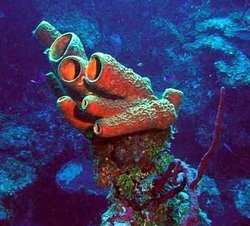
What type of symmetry does this animal exhibit?
a)
Asymmetry
b)
Bilateral symmetry
c)
Radial symmetry
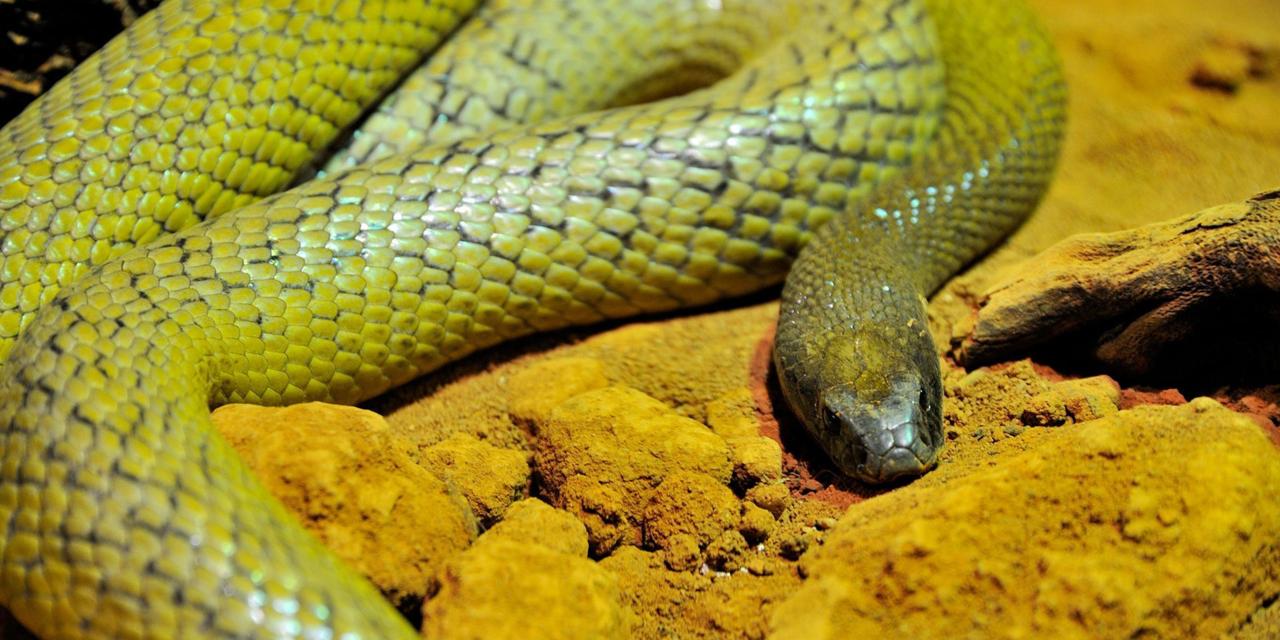
38.
What type of symmetry does this animal exhibit?
a)
Asymmetry
b)
Bilateral symmetry
c)
Radial Symmetry
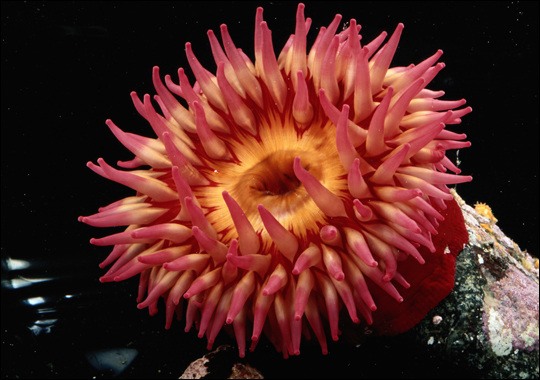
39.
What type of symmetry does this animal exhibit?
a)
Asymmetry
b)
Bilateral symmetry
c)
Radial symmetry
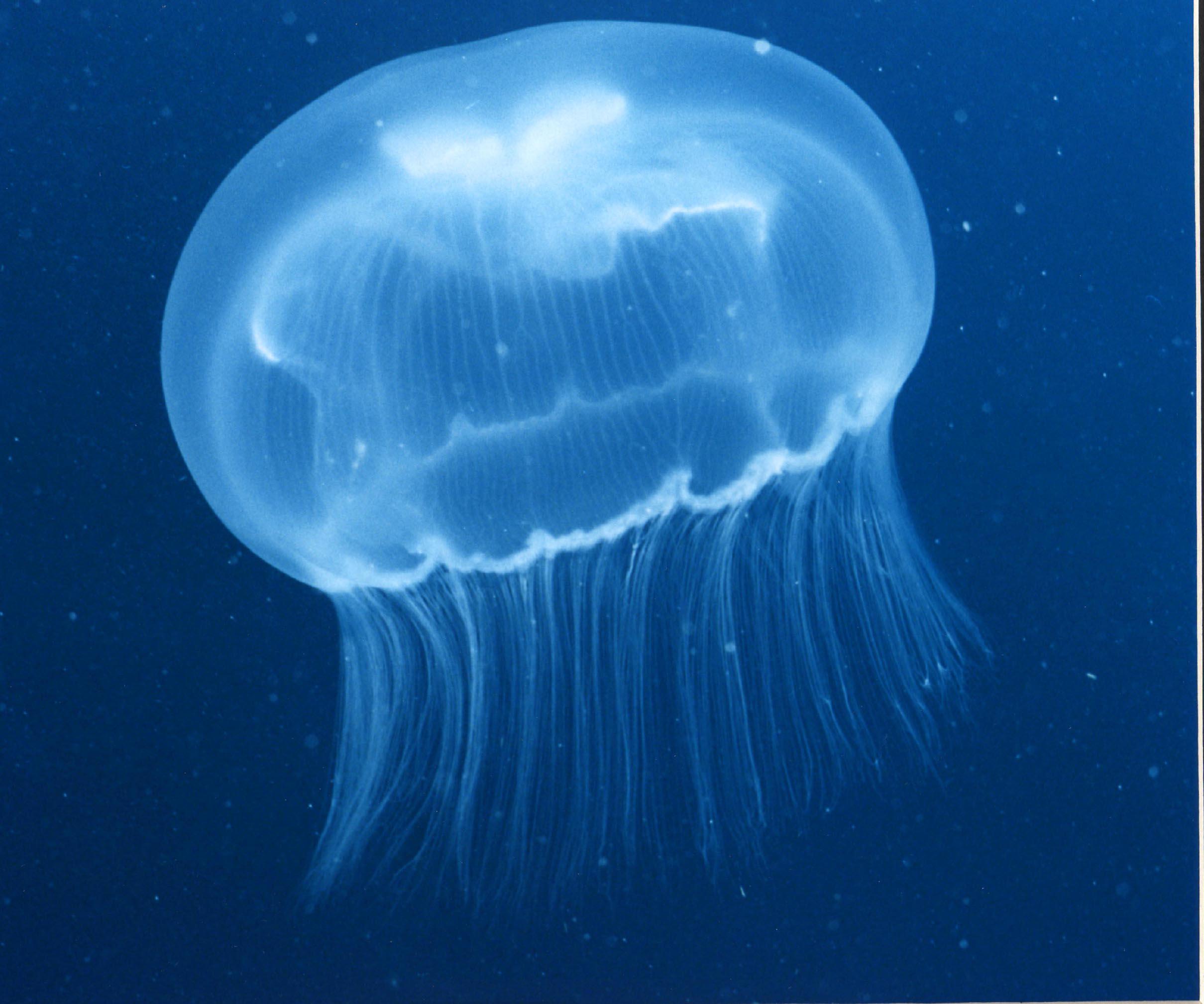
40.
What type of symmetry does this animal exhibit?
a)
Asymmetry
b)
Bilateral symmetry
c)
Radial symmetry
41.
What type of symmetry does this animal exhibit?
a)
Asymmetry
b)
Bilateral symmetry
c)
Radial symmetry
42.

During which era did life form?

a)

Paleozoic

b)

Mesozoic

c)

Precambrian

d)

Cenozoic

43.

Which organisms formed during the Mesozoic Era?

a)

Invertebrates

b)

Fish

c)

Birds

d)

Humans

44.

Which of these types of animals were not present during the Paleozoic Era?

a)

Birds

b)

Worms

c)

Reptiles

d)

Amphibians

45.

Which era means middle life?

a)

Mesozoic

b)

Paleozoic

c)

Precambrian

d)

Cenozoic

46.

Which structure holds body organs in place within their respective cavity?

a)

Mesoglea

b)

Mesoderm

c)

Mesentery

d)

Mesenchyme

47.

Which phylum includes insects, crabs, and spiders?

a)

Arthropoda

b)

Echinodermata

c)

Cnidaria

d)

Mollusca

48.

Which phylum includes salamanders, elephants, and manta rays?

a)

Arthropoda

b)

Chordata

c)

Pisces

d)

Mammalia