
 Worksheets
#throwbackThursday Feb 6th
Total questions: 32
Worksheet time: 25mins
Name
Class
Date
1.

Which domain is capable of living in extreme environments like hot springs, geysers, or very salty waters?
a)
Bacteria
b)
Archaea
c)
Eukarya
2.

Which domain includes all animals and plants?
a)
Archaea
b)
Eukarya
c)
Bacteria
3.

Which two kingdoms are entirely multicellular?
a)
Animalia and Plantae
b)
Animalia and Protista
c)
Protista and Plantae
4.
the science of identifying and naming organisms
a)
classification
b)
nomenclature
c)
dichotomous
d)
taxonomy
5.
which scientific name is written correctly
a)
Canis familiaris
b)
Canis familiaris
c)
Canis Familiaris
d)
canis familiaris
6.
An organism identified with binomial nomenclature includes which two taxa?
a)
class and order
b)
family and genus
c)
genus and species
d)
kingdom and phylum
7.
Which two organisms are least closely related?
a)
two organisms from the same kingdom
b)
two organisms from the same order
c)
two organisms from the same family
d)
two organisms from the same genus
8.
Which of the following shows the taxa in the correct order?
a)
kingdom-phylum-order-class-family-genus-species
b)
kingdom-class-order-family-phylum-genus-species
c)
kingdom-phylum-class-order-family-genus-species
d)
kingdom-phylum-family-order-class-genus-species
9.
The Law of Conservation of Energy states:
a)
Energy can created or destroyed but not transformed
b)
Energy cannot be created or destroyed, it can only transformed
c)
Energy can't be created, destroyed or transformed
10.
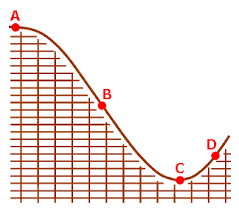
At which point(s) on the roller coaster is the gravitational potential energy at its maximum?
a)
A
b)
B
c)
C
d)
D
11.
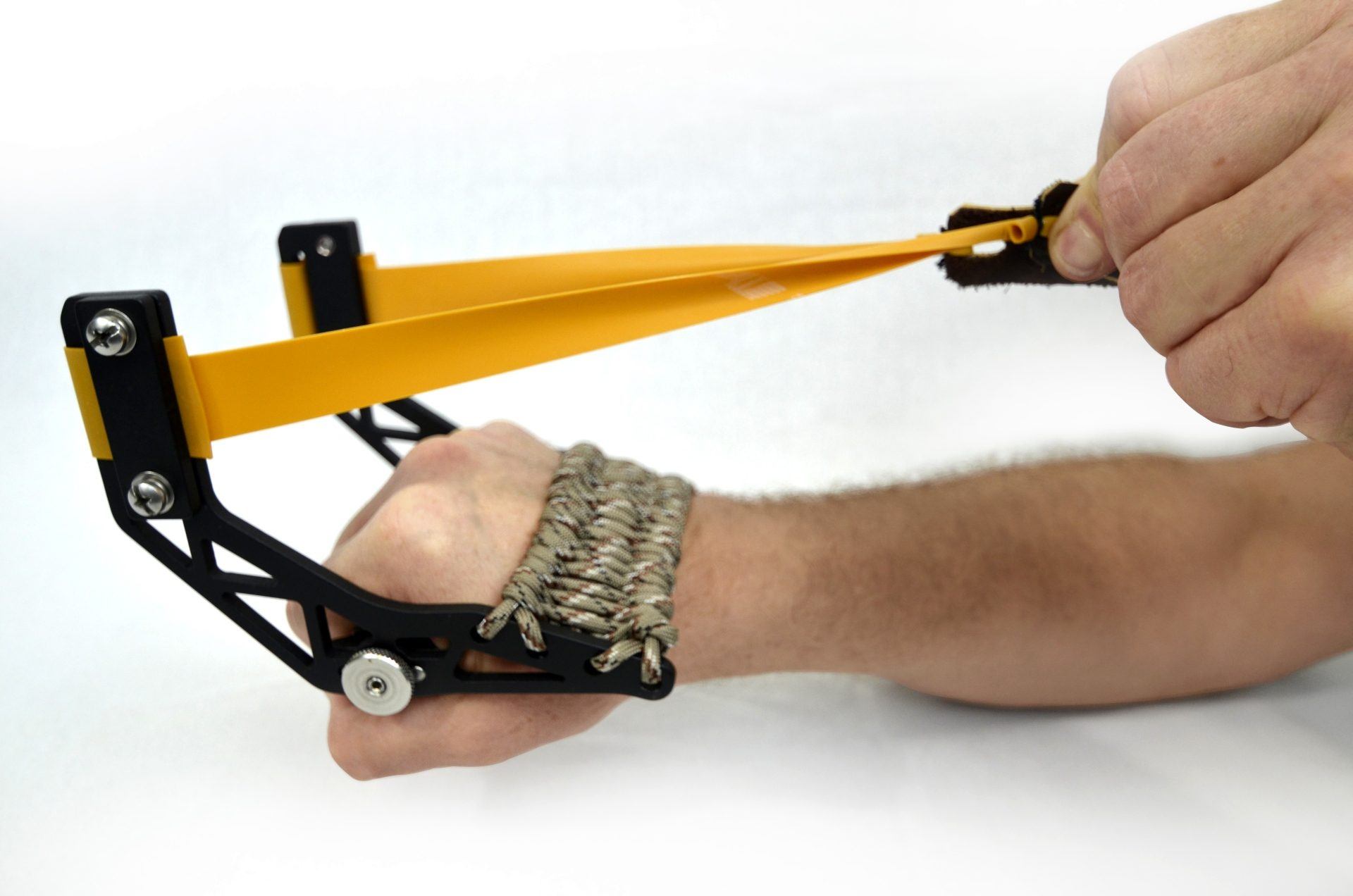
What type of energy is in this picture?
a)
Kinetic
b)
Potential
c)
Chemical
d)
Sound
12.

What force ultimately slows the roller coaster to a stop?
a)
Applied
b)
Normal
c)
Friction
d)
Magnetic
13.
The formula for work is:
a)
d = r x t
b)
p = m x v
c)
f = m x a
d)
w = d x f
14.
On a roller coaster, where is maximum potential energy?
a)
At the bottom of a big hill
b)
When going around a corner
c)
When going upside down
d)
At the top of a big hill
15.

Walking on the warm sand sand with your bare feet.
a)
conduction
b)
convection
c)
radiation
16.

Which direction will the heat flow while this person holds a hot cup of tea?
a)
from the cup to her hand
b)
from her hand to the cup
c)
no heat is transferred
17.
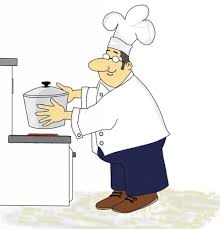
The man goes to take the hot pot off the stove with his bare hands.
a)
conduction
b)
convection
c)
radiation
18.

Heat transfers from an area of ____temperature to an area of ___ temperature.
a)
high to low
b)
low to high
c)
high to high
19.

What symbol is this?
a)
warm front
b)
cold front
c)
stationary front
d)
occluded front
20.

What does this symbol indicate on a weather map?
a)
High pressure system
b)
Low pressure system
c)
Cold front
d)
Warm front
21.

What part of the illustration shows Evaporation?
a)
1
b)
2
c)
3
d)
4
22.

A student needs approximately 250 mL of water for an experiment. Which letter in the illustration bestrepresents this estimate?
a)
W
b)
X
c)
Y
d)
Z
23.

What kind of breeze is this and when would it form?
a)
Land breeze - daytime
b)
Land breeze - nighttime
c)
Sea breeze - daytime
d)
Sea breeze - nighttime
24.

Why does warm air rise?
a)
Warm air is more dense than cooler air.
b)
Warm air has more pressure than cooler air.
c)
Warm air is less dense than cooler air.
d)
Warm air has a higher dew point than cooler air.
25.
The Coriolis effect causes ___________.
a)
the Earth to rotate on its axis
b)
continental deflection
c)
global winds and surface currents to move in a curved path instead of a straight line
d)
global winds and deep ocean currents to move in a curved path instead of a straight line.
26.
The temperature of the stratosphere increases (goes up) with altitude because of the presence of
a)
nitrogen
b)
water vapor
c)
ozone
d)
carbon monoxide
27.

The diagram below shows a student’s model of the water cycle. In which layer of the atmosphere does the process shown occur (take place)?
a)
mesosphere
b)
stratosphere
c)
troposphere
d)
thermosphere
28.

The layers of Earth's atmosphere are determined by changes in _________.
a)
temperature
b)
density
c)
pressure
d)
color
29.

Within the stratosphere is the ozone layer. What does the ozone layer do?
a)
It protects us from meteors
b)
It protects us from violent solar flares
c)
It protects us from ultra violet radiation
d)
It helps us breathe
30.
Directly above the stratosphere is the _________.
a)
mesosphere
b)
troposphere
c)
thermosphere
d)
exosphere
31.

In which two layers does temperature decrease with altitude?
a)
mesosphere and troposphere
b)
troposphere and stratosphere
c)
stratosphere and thermosphere
d)
thermosphere and exosphere
32.

In which layer do virtually all weather phenomena take place?
a)
troposphere
b)
mesosphere
c)
stratosphere
d)
thermosphere
100 %

