Worksheets
Biology Study Guide
Total questions: 246
Worksheet time: 3hrs 55mins


Plants use the following reactants for the light reaction
Water and CO2
Water and NADPH
Water and NADP+
NADPH and ATP
Photosynthesis goal is to
convert light energy into glucose energy
use light energy to make oxygen gas
convert sugar energy into ATP
convert sugar energy into oxygen gas
Rubisco is important in which step of photosynthesis
energizing the electrons in chlorophyll
carbon fixation when CO2 is connected to RUBP during calvin cycle
regeneration phase as RUBP is made during calvin cycle
reduction of the carbon chain during the calvin cycle
If the proton (H+) pump in the thylakoid was not working which molecule could not be made during the light reaction?
NADPH
ATP
Water
Oxygen gas
The NADP+ is
oxidized during the light reaction
reduced during the light reaction
oxidized during the Calvin cycle
reduced during the Calvin cycle
Which of the following would have the least affect on photosynthetic rate?
increase the temp from 20 C to 30 C
increasing the CO2 from 400 ppm to 600ppm
increasing the light intesity from 40 Watts to 60 Watts
increasing the amount of O2 from 20% to 30% in the air
Plants obtain CO2 into the chloroplast by
active transport
diffusion
facilitated diffusion
endocytosis
Photosystems are made of
chloroplasts
chromosomes
chlorophyll
cytoplasm
Photorespiration involves
the production of oxygen gas during the break down of sugar
the breakdown of sugar when CO2 levels are low.
the production of massive amounts of ATP in the thylakoid
water being pulled out of the plant
Why does photorespiration occur?
stomata are closed and CO2 levels are too low.
stomata are closed and O2 levels are too low.
stomata are open and too much water is leaving the plant
stomata are open and the plant receives too much CO2
What does a C4 plant do?
stores CO2 in a separate cell from its photosynthetic cell during the day
stores CO2 in a vacuole during the night.
can't store CO2 so it sufferes photorespiration
can't store CO2 so it speeds up cellular respiration in order to make more CO2
Plants that store CO2 at night are called
C3 plants
C4 plants
CAM plants
Which plant LACKS CO2 storage method
C3
C4
CAM


The H+ concentration gradient used in chemiosmosis is used to
make NADPH
split a water molecule
generate ATP
form water

The enzyme is this picture is primarily responsible for
making ADP
making ATP
making FADH2
making NADPH
What source of energy powers the proton pumps in the electron transport chain?
NADPH
FADH2
O2
electrons from the H in water (e-)
What is reduced in the electron transport chain of photosynthesis?
FADH+
NAD+
NADP+
H2O
What are the products of the electron transport chain in photosynthesis?
NADH, ATP
NAD+, ADP
NADPH, ATP
H2O, NADP+, ADP
Chemiosmosis is a process of building a difference in charge on each side of the membrane to power which enzyme?
ATP synthase
RuBisCo
Hydrolase
Chlorophyll
In photosynthesis, ___________ starts the light reactions (aka. electron transport chain) of photosynthesis. Choose all that apply.
oxidation of water
light energy
oxygen
carbon dioxide
The products of the light reactions (electron transport chain) of photosynthesis are ___________. (Check all that apply.)
ATP
NADPH
NADH
O2
What reactants are needed to start the light independent reactions (Calvin Cycle) of photosynthesis? Check all that apply.
RuBP
RuBisCo
CO2
ATP
NADPH
What are the products of the light independent reactions (Calvin Cycle) of photosynthesis? Check all that apply.
ADP
NADP+
C6H12O6
NAD+
CAM plants typically live in what type of environment?
mild to moderate temperature
hot, arid (dry) environments
hot and humid environments
extremely cold, dry environments
Which plant has evolved to keep its stoma closed during the day and stores CO2 so that it can complete photosynthesis at night?
CAM plants
C3 plants
C4 plants
corn
Which plant has evolved to do less photorespiration by having less stoma on the underside of its leaves and lives in hot humid environments? Check all that apply.
C4 plants
CAM plants
C3 plants
Sugar cane
Enzymes that make or break down ATP are called____________.
isomerases
polymerases
kinases
chimases
In glycolysis, how many molecules of NADH are formed?
1
2
3
4
Which pathway is common to both fermentation and cellular respiration?
Krebs cycle
electron transport chain
glycolysis
formation of Acetyl CoA
Where does the Krebs Cycle takes place?
Cytoplasm of the cell
Matrix of the mitochondrion
Inner membrane of the mitochondrion
Outer membrane of the mitochondrion
Where does the electron transport chain take place?
Cytoplasm of the cell
Matrix of the mitochondrion
Inner membrane of the mitochondrion
Outer membrane of the mitochondrion
What is produced during glycolysis? Check all that apply.
2 NET ATP
4 TOTAL ATP
2 NADH
2 pyruvate molecules
What do the energy carrying molecules made in the Kreb's cycle do? Choose all that apply.
Go to the inner membrane to power the electron transport chain.
Go to the inner membrane to be oxidized.
Recycle back to the Kreb's cycle when they have been oxidized.
Go to the inner membrane to be reduced.
The reduced form of NAD+ is
NADH
NADPH
FADH2
ATP
Which molecules are oxidized to release electrons to power the pumping of H+ in the electron transport chain? Check all that apply.
NADH
FADH2
ATP
ADP
What must happen to ADP to form ATP? Check all that apply.
ADP must be reduced.
ADP must be oxidized.
Energy is used to form a bond.
ADP must be phosphorylated.


The outer membrane of the mitochondrion on the photo
A
B
C
D

Matrix of the mitochondrion
A
B
C
D

The inner membrane of the mitochondrion
A
B
C
D

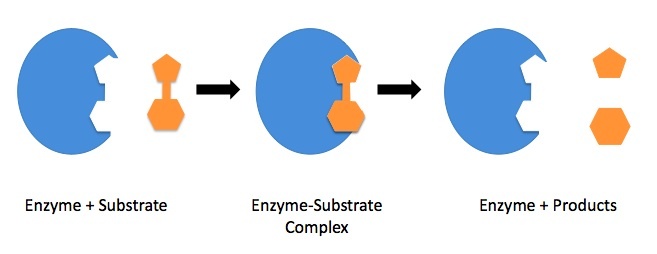
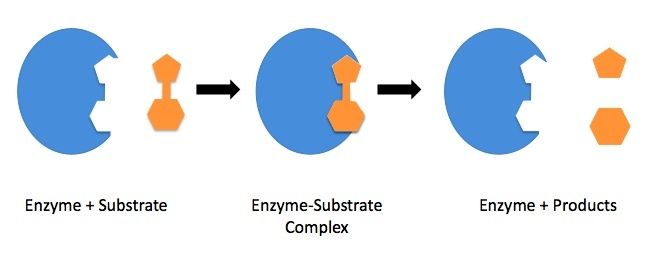
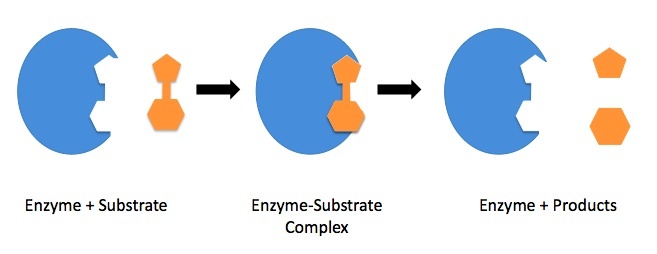
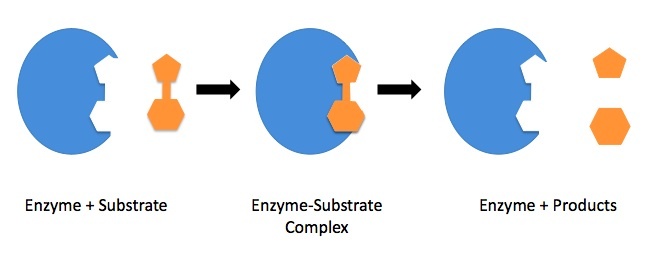
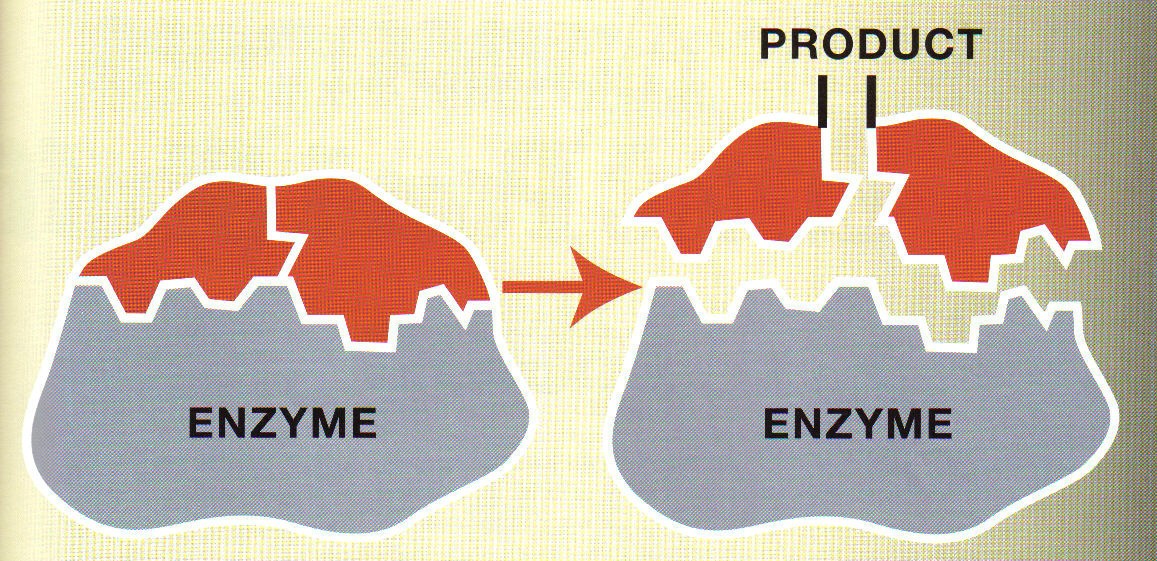
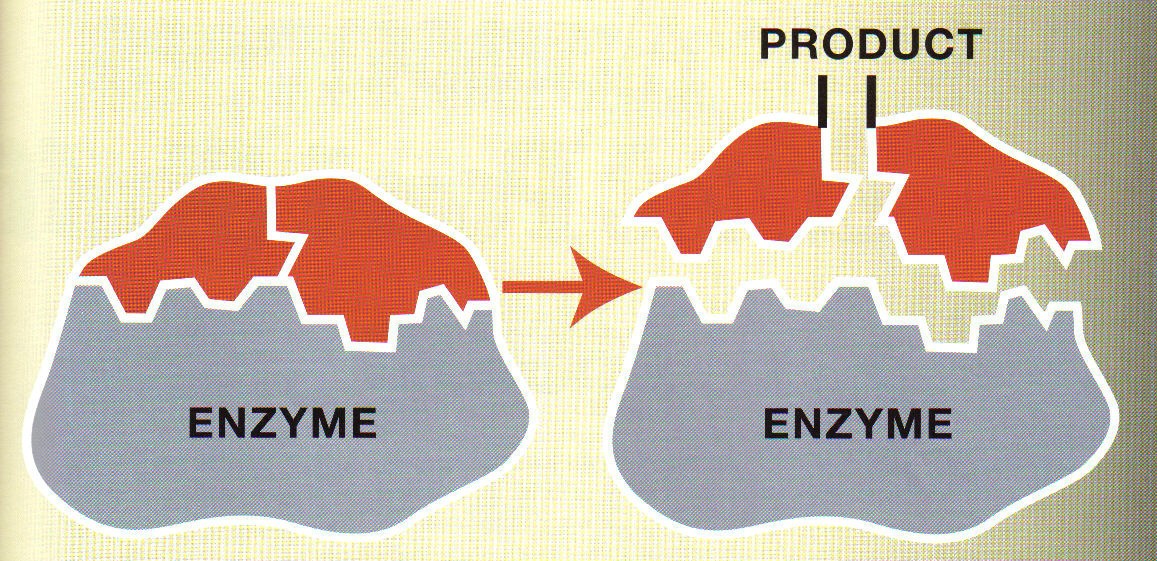
A type of protein that speeds up a chemical reaction in a living thing; a biological catalyst
enzyme
enzyme-substrate complex
substrate
active site

A temporary complex formed when an enzyme binds to its substrate molecule(s).
enzyme-substrate complex
enzyme
substrate
active site

The reactant on which an enzyme works; binds to the active site
enzyme
substrate
enzyme-substrate complex
coenzymes

The part of an enzyme or antibody where the chemical reaction occurs
active site
coenzymes
competitive inhibitor
noncompetitive inhibitor

An organic molecule that is a necessary participant in some enzymatic reactions; helps catalysis by donating or accepting electrons or functional groups; e.g., a vitamin, ATP, NAD+.
enzyme
coenzymes
active site
competitive inhibitor

A substance that reduces the activity of an enzyme by entering the active site in place of the substrate whose structure it mimics.
competitive inhibitor
noncompetitive inhibitor

A substance that reduces the activity of an enzyme by binding to a location remote from the active site, changing its conformation so that it no longer binds to the substrate.
noncompetitive inhibitor
competitive inhibitor

A site on an enzyme other than the active site, to which a specific substance binds, thereby changing the shape and activity of the enzyme.
allosteric site
active site
endothermic site
catabolic site

Energy needed to get a reaction started
activation energy
reaction energy
ATP
catabolic energy
Metabolic pathways that break down molecules, releasing energy.
catabolism
anabolism
Metabolic pathways that requires energy to build larger molecules
catabolism
anabolism
A reaction that ABSORBS energy in the form of heat
endothermic reaction
exothermic reaction
A reaction that RELEASES energy in the form of heat
endothermic reaction
exothermic reaction
All of the chemical reactions that occur within an organism to support or sustain its life
metabolism
pH
denaturation
feedback inhibition
Hydrogen ion concentration in a solution; lower than 7 is acidic, 7 is neutral, and greater than 7 is basic
pH
metabolism
ATP
ADP

Loss of normal shape of a protein due to heat or other factor that typically results in a loss of function
denaturation
renaturation
feedback inhibition
endothermic reaction

A metabolic pathway is switched off by the inhibitory binding of its end product to an enzyme that acts early in the pathway.
feedback inhibition
thylakoid
catabolic reaction
anabolic reaction
A flattened membrane sac inside the chloroplast that is used to convert light energy into chemical energy
thylakoid
granum
stroma
chlorophyll
A stack of thylakoids in a chloroplast
granum
thylakoid
stroma
metabolism
The fluid-filled space of the chloroplast surrounding the thylakoid membrane that is involved in the synthesis of organic molecules from carbon dioxide and water.
granum
thylakoid
stroma
chlorophyll
Reactions of photosynthesis that use energy from light to produce ATP and NADPH and O2; also called the electron transport chain
light-dependent reactions
light-independent reactions
A sequence of electron carrier molecules (membrane proteins) that shuttle electrons during the redox reactions that release energy used to make ATP
Electron Transport Chain (ETC)
Chemiosmosis
ATP
ADP
A process for synthesizing ATP using the energy of an electrochemical gradient, or battery, to power the ATP synthase enzyme
chemiosmosis
photosynthesis
ATP synthase
ADP
Reactions of photosynthesis in which energy from ATP and NADPH is used to build high-energy compounds such as glucose
calvin cycle
photosynthesis
ATP synthase
metabolism
Large protein enzymes that uses energy from H+ ions to bind ADP and a phosphate group together to produce ATP
ATP synthase
metabolism
ATP
catobolic molecules
Plants use the sun's energy to convert water and carbon dioxide into glucose and oxygen
photosynthesis
metabolism
ATP
endothermic reaction
The source of oxygen produced during photosynthesis
ATP
ADP
water
glucose
Source of carbon used to make glucose in the Calvin cycle
carbon dioxide
oxygen
sugar
water
Process where oxygen and glucose are used to make ATP
cellular respiration
metabolism
photosynthesis
carbon breakdown
An organelle found in plant and algae cells where photosynthesis occurs
chloroplast
chlorophyll
mitochondrion
nucleus
Cell organelle that converts the chemical energy stored in the glucose in food into compounds like ATP that are more convenient for the cell to use
mitochondrion
chlorophyll
chloroplast
nucleus
6CO2 (carbon dioxide) + 6H2O (water) +energy-------> C6H12O6 (glucose) + 6O2 (oxygen)
equation for photosynthesis
equation for cellular respiration
equation for endothermic reactions
equation for glycolysis
C6H12O6 (glucose) + 6O2 (oxygen) ---------> 6CO2 (carbon dioxide) + 6H2O (water) + energy (ATP)
equation for cellular respiration
equation for photosynthesis
equation for glycolysis
equation for ATP
A metabolic process that breaks down glucose through a series of reactions to either pyruvic acid or lactic acid and releases energy for the body in the form of ATP
Glycolysis
Krebs Cycle (Citric Acid Cycle)
Second stage of cellular respiration, in which pyruvic acid is broken down into carbon dioxide in a series of energy-extracting reactions; takes place in the matrix of the mitochondrion
Krebs Cycle (Citric Acid Cycle)
Glycolysis
2 pyruvate, 2 ATP, 2 NADH
Products of glycolysis
Products of Krebs Cycle
Products of Calvin Cycle
Products of ETC in cellular respiration
6 NADH, 2 FADH2, 4 CO2, 2 ATP
Products of Krebs Cycle
Products of Calvin Cycle
Products of ETC in cellular respiration
Products of light dependent reactions
glucose, ADP, NADP+
Products of Calvin Cycle
Products of ETC in cellular respiration
Products of light dependent reactions
aerobic respiration
water, 34 ATP
Products of ETC in cellular respiration
Products of light dependent reactions
aerobic respiration
anaerobic respiration
ATP, NADPH, O2
Products of light dependent reactions
Products of ETC in cellular respiration
Products of Calvin Cycle
Products of Krebs Cycle
Respiration that requires oxygen
aerobic respiration
anaerobic respiration
Respiration that does not require oxygen
aerobic respiration
anaerobic respiration
A catabolic process that makes a limited amount of ATP from glucose without an electron transport chain and that produces a characteristic end product, such as ethyl alcohol or lactic acid.
Fermentation
Metabolism
Photosynthesis
Catabolism
Oxidation of one molecule is always accompanied by the reduction of another; oxidation is the loss of electrons while reduction is the gain of electrons (OIL RIG);Electrons are often transferred as hydrogen atoms
oxidation-reduction (redox) reactions
Electron Transport Chain (ETC)
light-dependent reactions
Stroma
Starts light dependent reactions
H204 light energy
RuBP & Co2
Starts light independent reactions
H202 light energy
RuBP & CO2
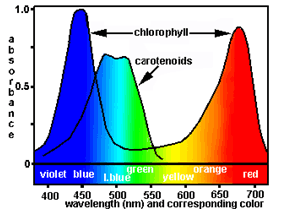
Chlorophyll appears to be green because chlorophyll absorbs __________
all wavelengths of light
green wavelengths of light
yellow wavelengths of light
red and blue wavelengths of lught
A black object absorbs ___________.
all wavelengths of light
green wavelengths of light
black wavelengths of light
red and blue wavelengths of light
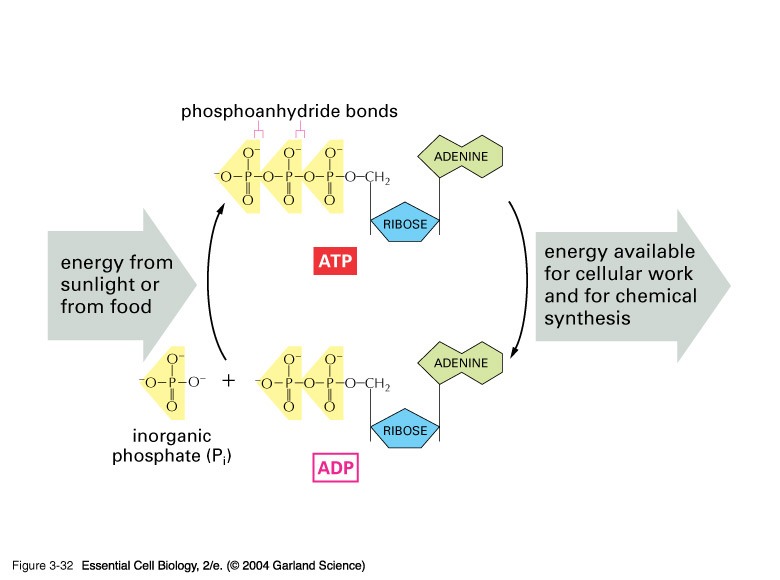
What is the energy molecule for all living cells?
ADP
ATP
Protein
Sugars

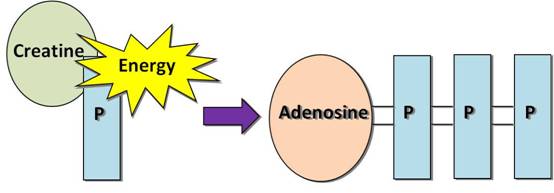
What will ATP become when it loses a phosphate?
Adenosine Monophosphate
Adenosine Triphosphate
Adenosine Diphosphate
Complete this sentence. Metabolism is ...
the sum of all reactions that take place in the body.
covers some of the reactions that take place in the body.
the total amount of energy used subtracted from the total amount consumed.
2H2O ----- 2H2 + O2
Fe2O3 + 3SO3 → Fe2(SO4)3
Degradative process
catabolism
anabolism
Build complicated molecules
catabolism
anabolism
Cellular respiration
catabolism
anabolism
Downhill reaction
catabolism
anabolism
Synthesis of proteins from amino acids
catabolism
anabolism
Uphill reaction
catabolsim
anabolism
Molecules such as glucose are high in ________ energy.
chemical
thermal
The measure of disorder, or randomness is ___________.
entropy
energy
thermodynamics
bioenergetics
Does not require an input of energy
spontaneous process
nonspontaneous process
Leads to a decrease in entropy
spontaneous process
nonspontaneous process
Which reactions release energy? Check all that apply.
catabolic
anabolic
cellular respiration
digestion
Which reactions require an input of energy in order to take place? Check all that apply.
Phosphorylation of ADP to make ATP
The formation of glucose in photosynthesis
Joining amino acids together to form proteins
cellular respiration

Net intake of energy
endergonic
exergonic
Net release of energy
endergonic
exergonic

What number represents the activation energy?
1
2
3
What number represents the change in free energy of the reactions?
1
2
3
This reaction is
endergonic
exergonic
Endergonic reactions are _____________; exergonic reactions are ____________
non-spontaneous; spontaneous
spontaneous; non-spontaneous
spontaneous; spontaneous
non-spontaneous; non-spontaneous
A + B --> C
Anabolic
Catabolic
A --> B + C
Anabolic
Catabolic