
NEW
Font size
S
M
L
XL
 Worksheets
Physical and Chemical Properties and Changes of Matter
Total questions: 50
Worksheet time: 37mins
Name
Class
Date
1.
Blue Color: Chemical or Physical Property
a)
Chemical Property
b)
Physical Property
2.
Density: Chemical or Physical Property
a)
Chemical Property
b)
Physical Property
3.
Flammability (burns): Chemical or Physical Property
a)
Chemical Property
b)
Physical Property
4.
Solubility (dissolves): Chemical or Physical Property
a)
Chemical Property
b)
Physical Property
5.
Reacts with Acid: Chemical or Physical Property
a)
Chemical Property
b)
Physical Property
6.
Brittleness: Chemical or Physical Property
a)
Chemical Property
b)
Physical Property
7.
Sour Taste: Chemical or Physical Property
a)
Chemical Property
b)
Physical Property
8.
Melting Point: Chemical or Physical Property
a)
Chemical Property
b)
Physical Property
9.
Reacts with Water: Chemical or Physical Property
a)
Chemical Property
b)
Physical Property
10.
Hardness: Chemical or Physical Property
a)
Chemical Property
b)
Physical Property
11.
Boiling Point: Chemical or Physical Property
a)
Chemical Property
b)
Physical Property
12.
Luster: Chemical or Physical Property
a)
Chemical Property
b)
Physical Property
13.
Odor: Chemical or Physical Property
a)
Chemical Property
b)
Physical Property
14.
Reacts with Air: Chemical or Physical Property
a)
Chemical Property
b)
Physical Property
15.
what is the definition of chemical change?
a)
any change that results in the formation of new chemical substances.
b)
changing clothes
c)
matter cannot be created or destroyed, only change form
d)
changes affecting the form of a chemical substance, but not its chemical composition.
16.
which one is the definition of chemical property?
a)
a property or characteristic of a substance that is observed during a reaction where the chemical composition of a substance is changed
b)
any change that results in the formation of new chemical substances
c)
combustibility
17.
what is the definition of physical change?
a)
any change that results in the formation of new chemical substances.
b)
rusting
c)
changes affecting the form of a chemical substance, but not its chemical composition.
d)
any property that is measurable, whose value describes a state of a physical system
18.
which one is a chemical property?
a)
odor
b)
combustibility
c)
solubility
d)
all of the above
19.
which one is a physical change?
a)
evaporation
b)
energy
c)
sublimation
d)
evaporation and sublimation
20.
One cup of water is left outside for two days when it was checked there was only half a cup left. What happened?
a)
evaporation; chemical change
b)
condensation; physical change
c)
evaporation; physical change
d)
condensation; chemical change
21.
what happens when water freezes?
a)
ice is formed; chemical property
b)
cold water is formed; physical change
c)
ice is formed; physical change
d)
cold water is formed; chemical change
22.
what stays the same when there is a physical change?
a)
density
b)
volume
c)
neither
23.
Which of the following tells you that a chemical change may have occurred?
a)
Change Shape
b)
Melting
c)
Vaporizing
d)
Change in color
24.
What happens in ALL chemical changes?
a)
Change in state of matter
b)
A new substance is formed
c)
Bubbles are produced
d)
An explosion
25.
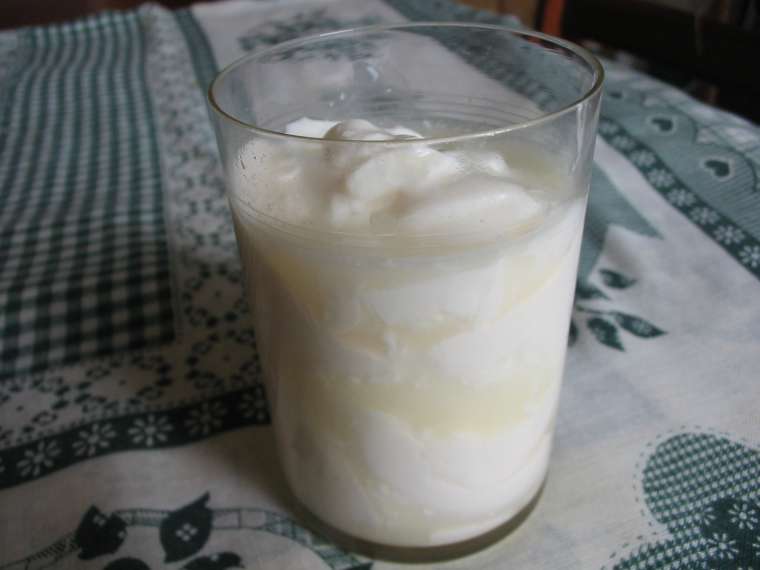
Is milk going sour a physical or chemical change?
a)
Physical
b)
Chemical
26.

Is mold growing on cheese a physical or chemical change?
a)
Physical
b)
Chemical
27.
Which of the following is a sign that a chemical reaction has occurred?
a)
change in shape
b)
melting
c)
formation of a gas
d)
dissolving
28.
A solid piece of chocolate is melted and changed to liquid form. Which property of the piece of chocolate will remain the same?
a)
Texture
b)
Temperature
c)
Shape
d)
Mass
29.
Which of the following is NOT an example of a physical change?
a)
crumpled paper
b)
pencil sharpening
c)
shrunken clothing
d)
rust
30.
Fizzing, foaming, and burning are all examples of
a)
Chemical change
b)
Physical change
31.
Rust on an iron bar is an example of chemical change.
a)
True
b)
False
32.
What kind of properties can only be observed when a substance changes into a different substance?
a)
physical properties
b)
chemical properties
33.
A mixture is the result of a physical change because...
a)
The parts can be separated
b)
A new substance is made
c)
There is a chemical reaction
d)
One part of the mixture disappears
34.
Which of these does NOT happen during a chemical change?
a)
Atomic bonds are formed or break apart
b)
New substance(s) are formed with different chemical properties
c)
The number of atoms in the reaction stays the same
d)
The chemical properties of the beginning substance(s) are the same as those of the end product(s)
35.
What causes a chemical reaction when you prepare scrambled eggs?
a)
cracking the eggs in a pan
b)
heating the eggs in a pan
c)
putting pepper on the eggs
d)
putting the eggs on a plate
36.
Which of the following describes a precipitate?
a)
a liquid forms when a block of metal is heated
b)
a solid forms when one liquid is poured into another
c)
a gas forms when a solid is placed in a liquid
d)
bubbles form when an acid is poured on a rock
37.
Which is an example of a chemical reaction?
a)
paper cut into small pieces
b)
chocolate melting in a pan
c)
flour and sugar mixed in a bowl
d)
cookies baking in an oven
38.
KMnO4
How many atoms of oxygen are in this molecule?
How many atoms of oxygen are in this molecule?
a)
1
b)
2
c)
4
d)
6
39.
KMnO4
How many atoms of manganese (Mn) are in this compound?
How many atoms of manganese (Mn) are in this compound?
a)
1
b)
2
c)
5
d)
6
40.
If enough heat is taken away from a container of water, what will happen to the water?
a)
It will begin to boil.
b)
It will become a solid.
c)
It will turn into a gas.
d)
It will increase in weight.
41.
Which action would cause the weight of an object or substance to decrease?
a)
stirring it
b)
burning it
c)
freezing it
d)
dissolving it
42.
Which property of a substance depends on how much of the substance there is?
a)
mass
b)
density
c)
boiling point
d)
melting point
43.
A teacher is demonstrating physical and chemical changes to her class. Which action should she use to demonstrate a chemical change?
a)
cutting a piece of paper
b)
folding a piece of paper
c)
tearing a piece of paper
d)
burning a piece of paper
44.
Define a Chemical Property
a)
A property which depends on the objects size or matter.
b)
A property of matter not involving in its manifestation a chemical change
c)
A property or behavior of a substance which undergoes a chemical change or reaction.
d)
A property which makes the object smell or taste different.
45.

Is making a cake physical or chemical
a)
physical
b)
chemical
c)
ducktile
d)
maluable
46.
Which of the following does the discoloration of a coin describe?
a)
Chemical Change
b)
Physical Change
c)
None of the above
d)
Both
47.

Green bananas turning yellow on their own as they ripen.
a)
Chemical Change
b)
Physical Change
48.
Is Ductility a physical or chemical property?
a)
Physical
b)
Chemical
c)
None
d)
No such thing
49.

Is copper tarnishing a physical or chemical change?
a)
Physical
b)
Chemical
50.
Is bleaching your hair a physical or chemical change?
a)
physical
b)
chemical
Reset

