
 Worksheets
review challange
Total questions: 178
Worksheet time: 2hrs 1mins
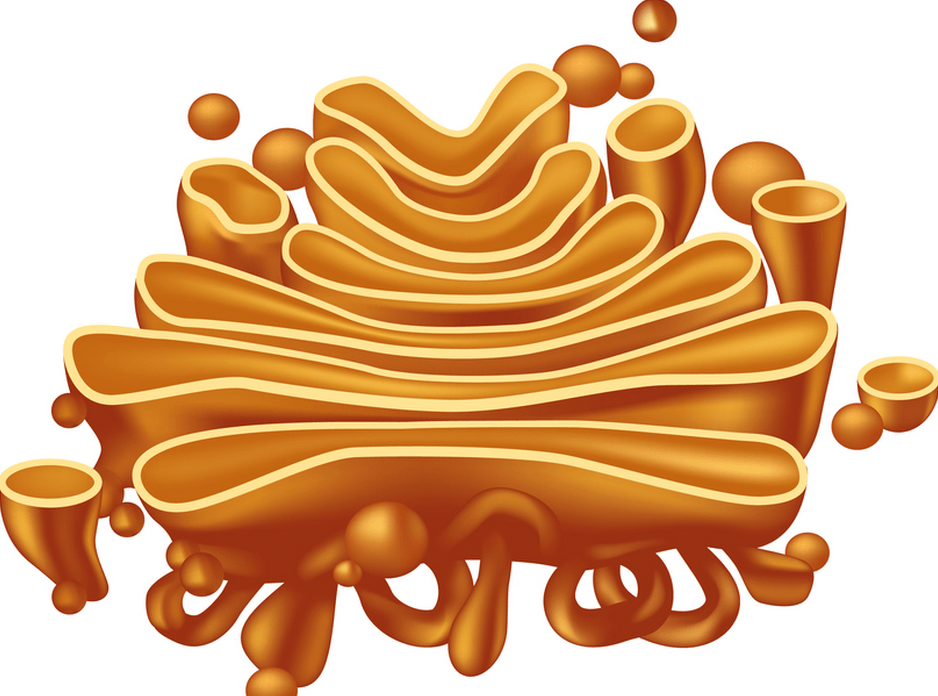
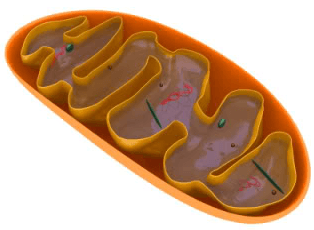


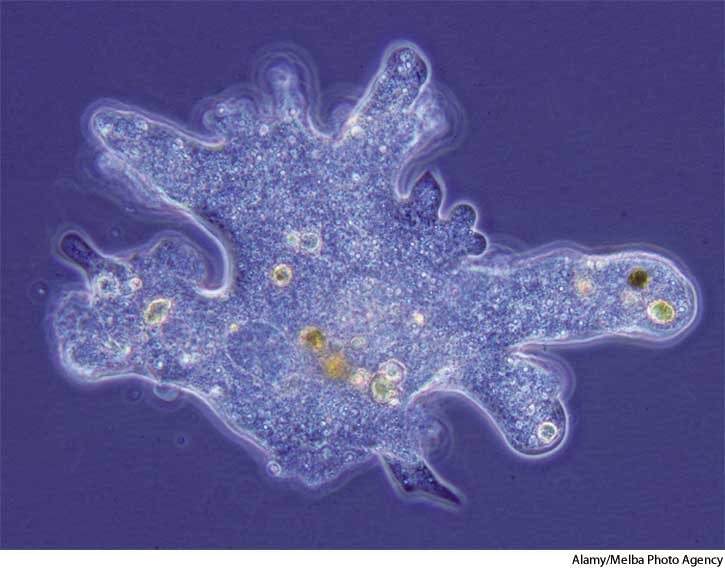


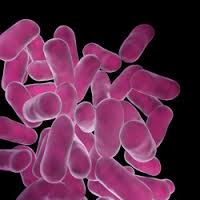
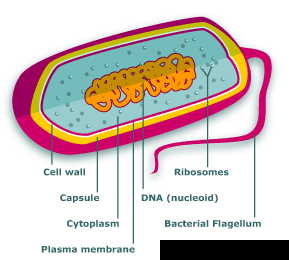
Prokaryotic cells
are single celled organisms that do not have a nucleus or membrane bound organelles
have a protective layer that covers the the cells surface and acts as a barrier
are the smallest unit that can preform all he processes necessary for life
The oldest type of cells are
Prokaryotes
Eukaryotes
both
Multicellular organisims are called
Prokaryotes
Eukaryotes
both

What is the correct equation for cellular respiration?
6O2 + C6H12O6 -> 6CO2 + 6H2O + ATP
6O2 + C6H12O6 + ATP-> 6CO2 + 6H2O
6CO2 + 6H2O -> 6O2 + C6H12O6 + ATP
6CO2 + 6H2O + ATP-> 6O2 + C6H12O6
This consists of the hair, nails, sweat & oil glands and it covers and protects the body.
lymphatic system
urinary system
integumentary system
digestive system
This is the body’s largest sensory organ;
pancreas
skin
liver
colon

This is the outermost layer of the skin and consists of several sub-layers;
dermis
subcuticular
subcutaneous
epidermis
These are areas of tissue that are altered because of disease or disorder.
lesions
tinea capitis
tinea pedis
impetigo
This grows out of the epidermis in tiny tubes and covers various parts of the body.
nails
sweat glands
hair
oil glands
The first layer of the epidermis; it consists of a flat layer of dead cells.
stratum basale
stratum corneum
stratum germinativum
stratum granulosum
This layer of the epidermis is where new cells are produced.
stratum corneum
stratum basale
stratum lucidum
stratum granulosum
These are specialized cells in the skin that determine your skin and hair color.
mylanta
membranous
melanin
melatonin
This is the whitish half-moon shape at the base of most nails.
lunula
follicle
cuticle
keratin
The innermost layer of skin; this is where blood vessels, nerves, & hair roots lie.
dermis layer
epidermis layer
subcutaneous layer
stratum layer
This is a narrow band of epidermis that surrounds the nail on three sides.
hard keratin
lunula
follicle
cuticle
The hair grows out of this tiny tube in the epidermis
hard keratin
lunula
cuticle
follicle
This is what the nails are made from;
hard keratin
cuticle
lunula
stratum
The hair has 2 parts; this is the part that protrudes from the skin.
follicle
hair shaft
root
lunula
The hair is made up of 2 parts; this is the part that is beneath the surface of the skin.
hair shaft
root
follicle
cuticle
German measles.
gangrene
tinea capitis
carbuncle
rubella
lesions that appear on normal skin.
primary lesions
chickenpox
tinea pedis
secondary lesions
death of tissue due to loss of blood.
impetigo
furuncle
gangrene
carbuncle
pus-producing infection that originates in the subcutaneous tissue.
furuncle
gangrene
carbuncle
tinea capitis
scalp ringworm
tinea pedis
tinea impetigo
tinea capitis
tinea lucidum
These lesions are caused by abnormalities that result from changes in primary lesions.
primary lesions
chickenpox
tinea pedis
secondary lesions
This is caused by bacteria; streptococci and staphylococci; it forms a blistery rash.
impetigo
rubella
gangrene
chicken pox
common childhood disease; caused by varicella-zoster virus
rubella
chicken pox
impetigo
psoriasis
athlete’s feet
tinea capitis
tinea stratum
tinea pedis
tinea lucidum
This is a boil; it is pus-producing
carbuncle
furuncle
psoriasis
scabies
This is an oily substance secreted by the sebaceous glands.
stratum
cebam
sebum
sebim
This is a skin condition that cause eruptions on the face and upper back.
psoriasis
acne
carbuncle
furuncle
This is an infestation of lice.
scabies
gangrene
impetigo
pediculosis
This Is A Recurrent Skin Condition That Causes Scaly Lesions On The Trunk, Arms, Hands, Legs, And Scalp.
gangrene
scabies
psoriasis
pediculosis
This is a contagious skin eruption caused by mites.
rubella
scabies
psoriasis
pediculosis
This organ removes water from undigested food.
stomach
small intestine
liver
large intestine
A flap of tissue that covers the trachea when swallowing
pharynx
esophagus
epiglottis
peristalsis
The organ that produces bile
stomach
pancreas
gall bladder
liver
The wavelike contractions that push food through the digestive system
peristalsis
smooth muscle
epiglottis
pancreas

The structure indicated by the arrow
mouth
stomach
esophagus
epiglottis

The structure indicated by the arrow
stomach
small intestine
large intestine
anus

The structure indicated by the arrow
small intestine
large intestine
stomach
pancreas

The structure indicated by the arrow
esophagus
pancreas
stomach
small intestine

The structure indicated by the arrow
mouth
pharynx
epiglottis
esohpagus

The structure indicated by the arrow
kidney
ureter
urinary bladder
urethra

The structure indicated by the arrow
kidney
ureter
urinary bladder
urethra

The structure indicated by the arrow
kidney
ureter
urinary bladder
urethra

The structure indicated by the arrow
kidney
ureter
urinary bladder
urethra
These structures absorb nutrients in the small intestine.
epiglottis
villi
arteries
enyzmes
The teeth grinding and mashing food is an example of
mechanical digestion
chemical digestion
absorption
diffusion
Amylase is an example of what type of chemical?
bile
acid
enzyme
gastric juice
Gum being broken down by saliva is an example of
mechanical digestion
chemical digestion
enzymes
diffusion
The pancreas helps with digestion by producing
bile
amylase
enzymes
acid
Bile is a chemical that helps break down
fats
proteins
carbohydrates
glucose
Urine is produced in which of the following organs?
gall bladder
urinary bladder
kidney
ureter
What role does mucus have in the stomach?
protects it from acid
digests proteins
absorbs nutrients
breaks down fats
What waste product does the skin help remove?
carbon dioxide
feces
heat
urine
The tube that carries urine from the kidney to the bladder
urethra
ureter
aorta
vena cava
The type of muscle lining the digestive system
skeletal
smooth
cardiac
voluntary
The kidneys are an example of what two systems working together?
circulatory and respiratory
circulatory and digestive
circulatory and excretory
digestive and excretory

warm ocean water







This power plant produces electricity most likely by using-



