
 Worksheets
States of Matter, Chapter 13 Test Review
Total questions: 97
Worksheet time: 1hrs 21mins
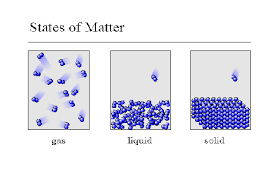
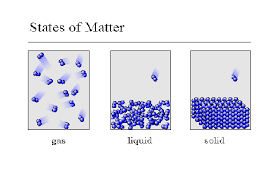


Condensation
liquid to gas
liquid to solid
gas to liquid
gas to solid
Evaporation
gas to liquid
liquid to gas
solid to gas
gas to solid
Boiling
liquid to gas
solid to liquid
gas to liquid
liquid to solid
Freezing
liquid to solid
liquid to gas
solid to gas
solid to liquid
Melting
solid to liquid
solid to gas
liquid to solid
gas to liquid
Deposition
gas to solid
solid to gas
solid to liquid
liquid to gas
Vaporization
liquid to gas
gas to solid
gas to liquid
solid to gas
a chemical reaction that releases energy to its surroundings
solid
phase change
exothermic
vaporization
What does the kinetic theory of matter say?
states that matter is composed of a large number of small particles individual atoms or molecules that are in constant motion.
says that kinetic molecules are solids.
kinetic molecules Gases consist of large numbers of tiny particles that are far apart relative to their size.
Collisions between gas particles and between particles and container walls are elastic collisions
What happens when an ice cube is placed in a glass of water lowering the temperature of the water?
The ice cube melts because cold flows out of the ice cube to the water.
The ice cube melts because thermal energy (heat) transfers to the ice cube from the water.
In which state of matter is the force of attraction between the molecules the strongest?
A gas
A liquid
A solid
A glass of ice water is placed on a table. After 10 minutes, there are drops on the outside surface of the glass. Which change in phase caused the drops of water?
Water vapor from the air evaporated into a liquid.
Water vapor from the air condensed into a liquid.
Liquid water in the air evaporated into a gas.
When a solid is heated above its _______________, it becomes liquid.
Boiling point
Freezing point
Melting point
Cooking point
Liquid may be converted to a gas by heating at constant pressure to the _____________.
Boiling point
Freezing point
Melting point
No idea


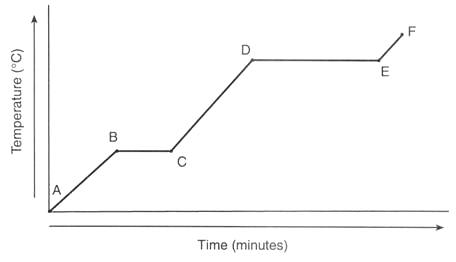


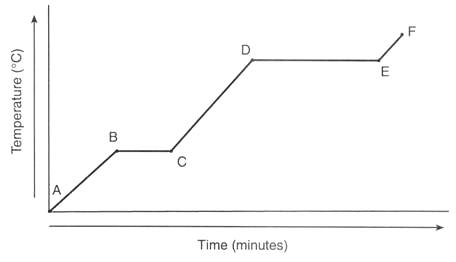

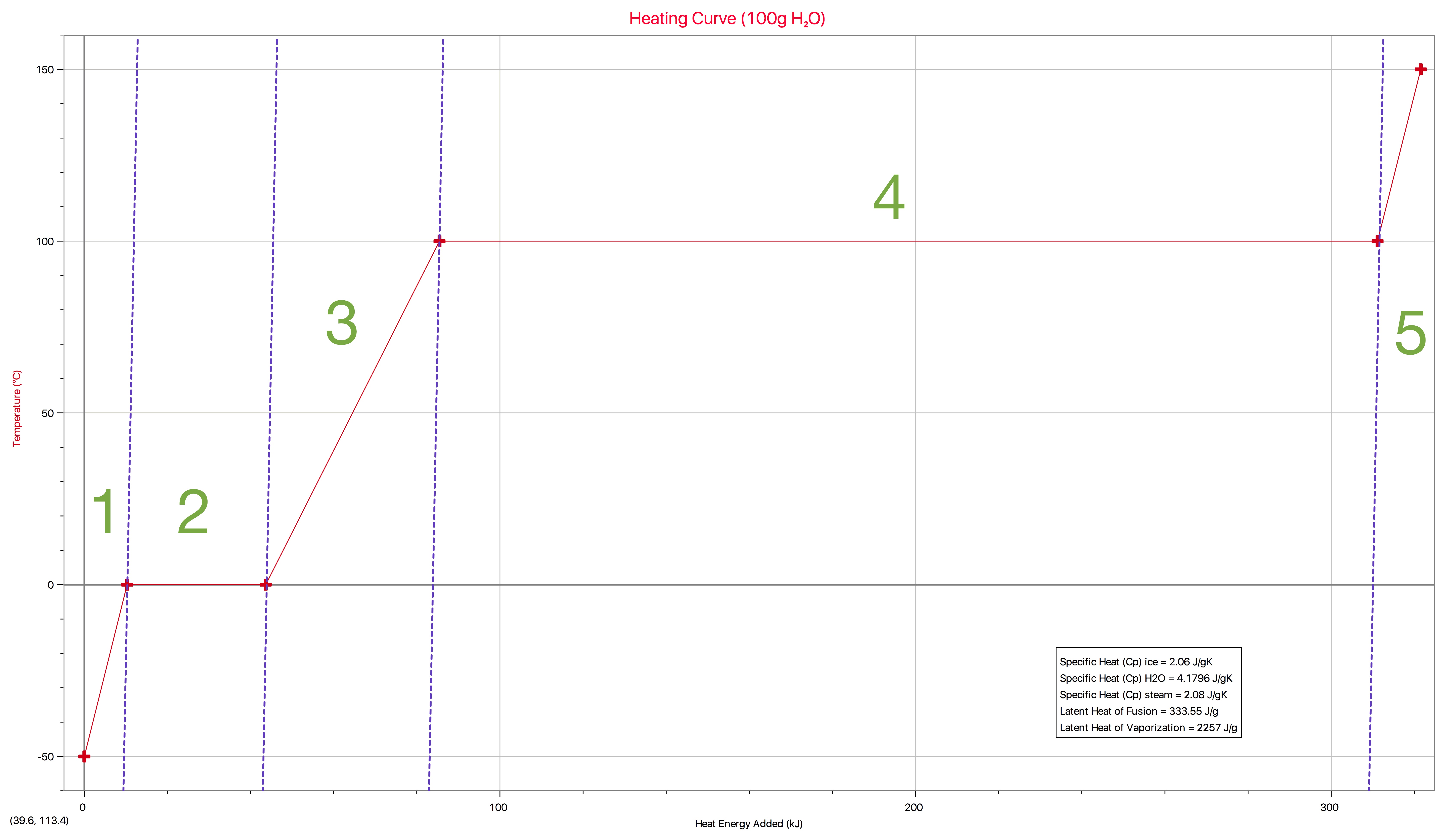
Between which points is the kinetic energy of the substance remaining constant?
A-B only.
A-B, C-D, E-F
B-C only.
B-C, D-E
Which of these conditions is always true for an endothermic process?
They leave the surroundings feeling hot
They release energy into the surroundings.
They absorb energy from the surroundings
The reactants lose energy
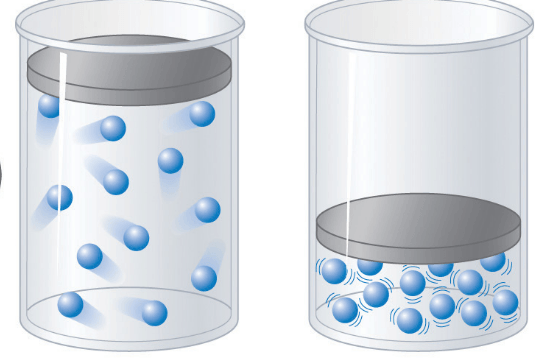
Which container will have a lower pressure?
left
right
they both have the same pressure



