wayground logo

Free Printable Worksheets

Font size

S
M
L
XL
Worksheets

Animal Kingdom

Total questions: 260

Worksheet time: 3hrs 32mins

Name
Class
Date
1.
Bilateral Symmetry can be defined as
a)
1 line that divides a shape into 2 equal parts
b)
1 line that divides a shape into distinct right and left halves that are mirror images
c)
shape that can be divided into mirror images using any of several lines
d)
a shape that cannot be divided into mirror images
2.
Which characteristic is NOT true of organisms in the animal kingdom?
a)
The are multicellular.
b)
They are producers.
c)
They are consumers.
d)
They usually reproduce sexually.
3.
Bilateral Symmetry can be defined as
a)
1 line that divides a shape into 2 equal parts
b)
1 line that divides a shape into distinct right and left halves that are mirror images
c)
shape that can be divided into mirror images using any of several lines
d)
a shape that cannot be divided into mirror images
4.
What is the special structure of an arthropod that provides structure and protection from the outside?
a)
An endoskeleton
b)
Spicules
c)
An exoskeleton
d)
A shell
5.
A characteristic the organisms in the phylum Porifera possess:
a)
Stinging cells.
b)
The ability to photosynthesize.
c)
Have asymmetrical symmetry.
d)
Have radial symmetry.
6.
This picture is an example of which group of invertebrates?
a)
Segmented worms
b)
Fish
c)
Sponges
d)
Arthropods
7.
This organism is best described as...
a)
Vertebrate
b)
Vascular
c)
Invertebrate
d)
Nonvascula
8.
To which phylum does the leech, earthworm, and sandworm belong?
a)
Porifera
b)
Cnidaria
c)
Annelida
d)
Molluska
9.
The tarantula belongs to which phylum?
a)
Echinodermata
b)
Arthropoda
c)
Molluska
d)
Annelida
10.
What is the meaning of Cephalopods?
a)
Stomach-foot
b)
Head-footed
c)
Two-shelled
d)
Soft-bodied
11.
Echinoderms have an internal skeleton and a system of fluid-filled tubes called a(n)...
a)
water vascular system
b)
nervous system
c)
notochord
d)
ampulla
12.
Lobster, shrimp, and crabs are examples of what group of Arthropods?
a)
Chilopoda
b)
Diplopoda
c)
Crustaceans
d)
Arachnida
13.
True or False: 
Vertebrates have an exoskeleton.
a)
True
b)
False
14.
Is the picture a vertebrate or invertebrate?
a)
Vertebrate
b)
Invertebrate
15.
Which group of invertebrates does a clam belong to?
a)
Sponge
b)
Fish
c)
Echinoderm
d)
Mollusk
16.
True or False:
Sponges are the most simple animals with pores.
a)
True
b)
False
17.
Butterflies, bumble bees, and spiders are examples of which group?
a)
Arthropods
b)
Segmented worms
c)
Sponges
d)
Echinoderms
18.
Symmetry around an axis (many lines through a single point) creating many mirror images is considered
a)
asymmetry
b)
circular symmetry
c)
bilateral symmetry
d)
radial symmetry 
19.
a hermaphrodite
a)
is both female and male
b)
is either female or male
c)
is female
d)
is male
20.
The water-vascular system is responsible for movement in 
a)
Echinoderms
b)
Arthropods
c)
Mollusks
d)
Nematodes
21.
cold blooded, body temperature changes with environment. 
a)
ectothermic  
b)
endothermic 
22.
segmented worms
a)

have tube like body in segments; simplest organism with a true nervous system and blood in vesselsbreathe through wet skinlong digestive tract that runs the entire length of body
b)

have tube like body with no segments; simplest organism with a true nervous system and blood in vesselsbreathe through wet skinlong digestive tract that runs the entire length of body
c)

soft bodies with a thick muscular footmore developed than worms and spongessome have shellsbreathe with gills or lungs
d)

jointed legs, segmented bodies, some have wingsHard outer covering called exoskeletonget oxygen through gills or air tubes
23.
echinoderms
a)

have arms that extend outward from middle of bodyspiny skinget oxygen from tube feet
b)

soft bodies with a thick muscular footmore developed than worms and spongessome have shellsbreathe with gills or lungs
c)

jointed legs, segmented bodies, some have wingsHard outer covering called exoskeletonget oxygen through gills or air tubes
d)

segmented worms
24.
mollusks
a)

soft bodies with a thick muscular footmore developed than worms and spongessome have shellsbreathe with gills or lungs
b)

jointed legs, segmented bodies, some have wingsHard outer covering called exoskeletonget oxygen through gills or air tubes
c)

segmented worms
d)

segmented worms
25.
arthropods
a)

jointed legs, segmented bodies, some have wingsHard outer covering called exoskeletonget oxygen through gills or air tubes
b)

segmented worms
c)

echinoderms
d)

mollusks
26.

The large opening at the top of the sponge is called the

a)

Osculum

b)

Porocyte

c)

Spicule

d)

Spongocoel

27.

Which of the following is NOT what a sponge skeleton can be made of?

a)

Spongin

b)

Calcium carbonate

c)

Sodium chloride

d)

Silica

28.

Sponges can only reproduce asexually through fragmentation.

a)

True

b)

False

29.

Describe the water flow through the sponge.

a)

In osculum out porocytes

b)

Out osculum in porocytes

c)

In porocytes out osculum

d)

Out porocytes in osculum

30.
Because sponges cannot move around they are considered ______. 
a)
sessile
b)
senile
c)
sedementary
d)
spongin
31.
Sponges feed by ______ particles out of the water column as it passes through their pores. 
a)
filtering
b)
suspending
c)
consuming
d)
eating
32.
cells have sticky, funnel-shaped collar to collect food particles and a flagellum that creates a water current
a)
amoebocyte
b)
ostiocyte
c)
pinacocyte
d)
choanocyte
33.
large opening at the top of a sponge where water exits.
a)
ostia
b)
osculum
c)
orifice
d)
opening
34.
skeleton structures made of silica or calcium carbonate 
a)
spicules
b)
spongin
c)
sessile
d)
something
35.
Asexual sponge reproduction where a piece of the adult sponge breaks off and settles in a new area growing to adulthood.
a)
broadcast spawning
b)
branching
c)
budding
d)
forcast spawning
36.
The cilia of a choanocyte    
a)
regulates the diameter of the osculum
b)
filters food from the water
c)
creates currents in the water 
d)
secretes digestive enzymes
37.
Which of the following is the correct description of how Porifera get food?
a)
They hunt and capture prey using tetacles
b)
They surround food particles using cytoplasmic extensions
c)
They secrete digestive enzymes and absorb the nutrients
d)
They are suspension feeder that filter food particles out of the water
38.
Which of the following is not found in sponges?
a)
Choanocytes
b)
Tissues
c)
Pinacocytes
d)
Mesohyl
39.
What type of symmetry do Porifera have?
a)
asymmetrical
b)
bilateral
c)
radial
d)
exoskeleton
40.
Water enters through the ____________ and exits through the ___________. 
a)
ostium, osculum
b)
osculum, ostium
41.
What is the part of the sponge that allows water to enter?
a)
Ostia
b)
Mesenchyme
c)
spongocoel
d)
osculum
42.

What cells extend to the body wall of a sponge that forms the ostia?

a)

pinacocyte

b)

porocyte

c)

choanocyte

d)

archeocyte

43.

how many tissue layers are in a sponge body?

a)

1

b)

2

c)

3

d)

None. Cells are not organized into tissues

44.

Their bodies are supported by calcium carbonate spicules that may have two to four points and lack a hollow axial canal. What class of sponge is this?

a)

Calcarea

b)

Hexactinellida

c)

Demospongiae

d)

Leucon

45.

Which among the following best describes the sponges?

a)

All sponges thrive in the marine habitat.

b)

The immobility of sponges account for their low success rate.

c)

They usually have shorter lifespan due to the lack of specialized organs.

d)

The body of sponges is an aggregation of several types of cells but these cells do not organize into tissues

46.

The coexistence of two or more distinct forms in the same population (polyp and medusa)

a)

Photoreceptors

b)

Chemoreceptors

c)

Nematocyst

d)

Polymorphism

47.

The sessile, tubular form of a cnidarian with a mouth and tentacles at one end and a basal disk at the other

a)

Monoecious

b)

Sexual Reproduction

c)

Polyp

d)

Nematocyst

48.

having male and female reproductive organs in the same plant or animal

a)

Monoecious

b)

Neurotoxin

c)

Dioecious

d)

Nematocyst

49.

separate sexes

a)

Dioecious

b)

Monoecious

c)

Statocysts

d)

Symbiosis

50.

What are explosive cells containing one giant secretory organelle found in the tentacles which are used to capture prey or defense against predators?

a)

cnidocytes

b)

nematocytes

c)

archeocytes

d)

pinacocytes

51.

what is the free swimming form of cnidaria?

a)

polyp

b)

medusa

c)

planula

52.

What is the jelly-like layer found at the middle of a cnidarian’s body?

a)

umbrella

b)

mesoderm

c)

mesoglea

d)

gastrodermis

53.

What is the cnidarian body cavity that is used for digestion, gas exchange and discharge of gametes?

a)

manubrium

b)

spongocoel

c)

gastric cavity

d)

gastrovascular cavity

54.

Diploblasts are organisms that:

a)

exhibit alternaiton of generation

b)

exhibit two life forms

c)

develop from two germ layers

d)

develop tentacles

55.
What type of symmetry do cnidarians have
a)
asymmetrical
b)
bilateral
c)
radial
d)
medial
56.
Members of the Cnidarian Class _______ include sea anemones and coral.
a)
Anthozoa
b)
Cubozoa
c)
Hydrozoa
d)
Scyphozoa
57.
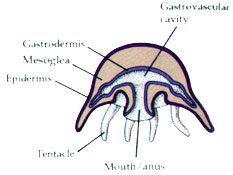
Which body form is represented by this diagram?
a)
Mesoglea
b)
Medusa
c)
Moses
d)
Nematocyst
58.
What is this organism? What Class does it belong to?
a)
jellyfish:scyphozoa
b)
Portuguese man-of-war:hydrozoa
c)
hydra:hydrozoa
d)
coral:anthozoa
59.
Polyps are ______, while medusa are ______. 
a)
sessile, motile
b)
motile, sessile
c)
both motile and sessile, just motile
60.
What kingdom do jellyfish belong to?
a)
Cnidaria
b)
Animalia 
c)
Scyphozoa
d)
Porifera
61.
Cnidarians have two body layers: epidermis and ________________. 
a)
Vascodermis
b)
Gastrodermis
c)
Microdermis
d)
Innerdermis 
62.
All Cnidarians have _____, but no _____.
a)
stinging cells, tissue cells
b)
organs, tissue
c)
tissues, organs
d)
tissue, stinging cells
63.
The outer layer of the Cnidarian is called...
a)
gastrodermis
b)
epidermis
c)
mesoglea
d)
nematocyst
64.
Members of the Cnidarian Class _______ include sea anemones and coral.
a)
Anthozoa
b)
Cubozoa
c)
Hydrozoa
d)
Scyphozoa
65.
What are the organelles inside the cnidocyte stinging cells that inject paralyzing toxins into their prey?
a)
pinacocytes
b)
lysomatocyts
c)
choanocytes
d)
nematocysts
66.
What level of organization cnidarians have is...
a)
Cellular
b)
two tissue layers: endoderm and ectoderm
c)
Three tissue layers: Endoderm Ectoderm and Mesoderm
d)
Complete organ systems
67.
Which of the following is a correct description of the Cnidarian digestive tract?
a)
A complete digestive tract consisting of two openings.
b)
A complete digestive tract consisting of one opening
c)
An incomplete digestive tract consisting of two openings.
d)
An incomplete digestive tract consisting of one opening.
68.
Which of the following is a correct description of the polyp body form?
a)
It is sessile and the tentacles and mouth point downward.
b)
It is sessile and the mouth and tentacles point upward.
c)
It is mobile and the tentacles and mouth point downward.
d)
It is mobile and the tentacles and mouth point upward.
69.

What class are tapeworms in?

a)

Turbellaria

b)

Cestoda

c)

Trematoda

70.

What class are flukes in?

a)

Turbellaria

b)

Cestoda

c)

Trematoda

71.

What class are planarians in?

a)

Turbellaria

b)

Cestoda

c)

Trematoda

72.

All tapeworms have bodies with many segments

a)

True

b)

False

73.

What is the common name for all Platyhelminthes?

a)

roundworms

b)

flatworms

c)

segmented worms

d)

parasitic worms

74.

Class Trematoda includes which animals?

a)

earthworms

b)

flukes

c)

tapeworms

d)

planarians

75.

Class Cestoda includes which animals?

a)

earthworms

b)

flukes

c)

tapeworms

d)

planarians

76.

Class Turbellaria includes which animals?

a)

earthworms

b)

flukes

c)

tapeworms

d)

planarians

77.

Which of the following best describes the body cavity of a flatworm?

a)

acoelomate

b)

pseudocoelomate

c)

true coelomate

d)

diploblastic

78.

Which of the following would be the least likely habitat of a flatworm?

a)

desert

b)

wetland

c)

ocean

d)

inside a host

79.

This phylum consists of radially symmetrical diploblastic organisms.

a)

Porifera

b)

Cnidaria

c)

Platyhelminthes

d)

Nematoda

80.

Organisms in this phylum have specialized cells known as cnidocytes, which are stinging cells that are typically concentrated around the mouth and tentacles of the animal.

a)

Porifera

b)

Cnidaria

c)

Platyhelminthes

d)

Nematoda

81.

This body plan in phylum Cnidaria is typically sessile as adults, like in this picture.

a)

polyp

b)

medusa

c)

bilaterally symmetrical

d)

asymmetrical

82.

This body plan in phylum Cnidaria is typically motile as adults, with a mouth and tentacles hanging from their bell-shaped bodies, like in this picture.

a)

polyp

b)

medusa

c)

bilaterally symmetrical

d)

asymmetrical

83.

The animals in this phylum are bilaterally symmetrical acoelomate triploblasts.

a)

Cnidaria

b)

Porifera

c)

Platyhelminthes

d)

Nematoda

84.

This phylum includes flatworms such as flukes and tapeworms.

a)

Porifera

b)

Cnidaria

c)

Platyhelminthes

d)

Nematoda

85.

This phylum includes animals that are bilaterally symmetrical pseudocoelomate triploblasts.

a)

Porifera

b)

Cnidaria

c)

Platyhelminthes

d)

Nematoda

86.

The animals in this phylum are all classified as roundworms.

a)

Porifera

b)

Cnidaria

c)

Nematoda

d)

Platyhelminthes

87.

The animals in this phylum have an internal body cavity which is not completely lined with mesoderm tissue, and so it is not a true coelom.

a)

Porifera

b)

Cnidaria

c)

Platyhelminthes

d)

Nematoda

88.
How would an individual acquire a tapeworm?
a)
You are born with it
b)
Eating a tapeworm's remains
c)
Eating raw meat
d)
Pure luck
89.
Flatworms have no true body cavity. This means they are ____________________. 
a)
Symmetrical
b)
Sessile
c)
Coelomates
d)
Acoelomates
90.
Name a parasitic roundworm 
a)
leach 
b)
hookworm
c)
tapeworm
d)
fluke
91.
Which, of the phyla we have studied, was the first to develop an internal body cavity?
a)
Phylum Cnidaria
b)
Phylum Platyhelminthes
c)
Phylum Porifera
d)
Phylum Nematoda
92.
Which class of Mollusks includes snails, slugs, or whelks?
a)
Cephalapods
b)
Bivalves
c)
Gastropods
93.
Which class of Mollusks include organisms that all have two shells?
a)
Gastropods
b)
Bivalves
c)
Cephalopods
94.
Which part of the Mollusk body is the tissue covering the body and secretes the shell?
a)
Mantle
b)
Trochophore
c)
Foot
d)
Visceral Mass
95.
Which part of the Mollusk body contains organs?
a)
Foot
b)
Visceral Mass
c)
Trochophore
d)
Mantle
96.
Which class of Mollusks all have tentacles?
a)
Gastropods
b)
Bivalves
c)
Cephalopods
97.
Which class of Mollusks include clams, oysters, and mussels?
a)
Gastropods
b)
Bivalves
c)
Cephalopods
98.
Which class of Mollusks include squid, cuttlefish and octopus?
a)
Gastropods
b)
Bivalves
c)
Caphalopods
99.
Which is not an example of mollusks?
a)
snail
b)
clam
c)
lobster
d)
octopus
100.
All segmented worms belong to which animal phylum?
a)
Nematoda
b)
Platyhelminthes
c)
Annelida
d)
Nemertea
101.
All arthropods have segmented bodies, jointed appendages, and ________________. 
a)
tails
b)
lungs
c)
wings
d)
an exoskelton
102.
Which class of Mollusks include clams, oysters, and mussels?
a)
Gastropods
b)
Bivalves
c)
Cephalopods
103.

Name the animal

a)

cuttlefish

b)

octopus

c)

squid

d)

nautilus

104.

Name the animal

a)

oyster

b)

mussel

c)

scallop

d)

clam

105.

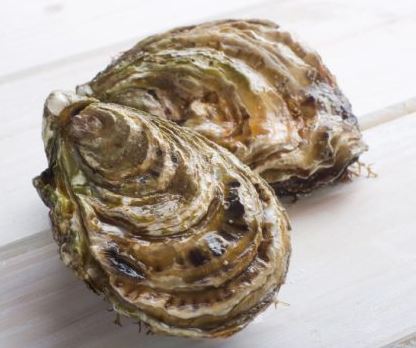
Name the animal

a)

oyster

b)

mussel

c)

scallop

d)

clam

106.

Name the animal

a)

oyster

b)

mussel

c)

scallop

d)

clam

107.

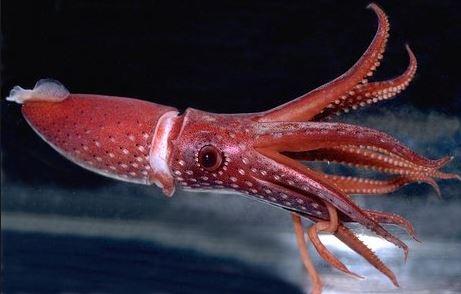
Name the animal

a)

cuttlefish

b)

squid

c)

octopus

d)

nautilus

108.

Name the animal

a)

cuttlefish

b)

squid

c)

octopus

d)

chambered nautilus

109.

Name the class

a)

Gastropod

b)

Bivalve

c)

Cephalopod

110.

Name the class

a)

Gastropod

b)

Bivalve

c)

Cephalopod

111.

Name the class

a)

Gastropod

b)

Bivalve

c)

Cephalopod

112.

Name the class

a)

Gastropod

b)

Bivalve

c)

Cephalopod

113.

Name the class

a)

Gastropod

b)

Bivalve

c)

Cephalopod

114.

Name the class

a)

Gastropod

b)

Bivalve

c)

Cephalopod

115.

Name the class

a)

Gastropod

b)

Bivalve

c)

Cephalopod

116.
I have a soft-body, a hard shell, and live on land and water.  What am I?
a)
Mollusk
b)
Arthropod
c)
Echinoderm
d)
Cnidarian
117.
Which of the following is an example of a arthropod?
a)
squid
b)
crab
c)
earth worm
d)
sea star
118.

Segmented worms have bilateral symmetry, a true coelom, and 3 tissue layers.

a)

True

b)

False

119.
Earthworm
a)
Phylum Platyhelminthes
b)
Phylum Nematoda
c)
Phylum Annelida
120.
Known as "Segmented Worms"
a)
Phylum Platyhelminthes
b)
Phylum Nematoda
c)
Phylum Annelida
121.
Leech
a)
Phylum Platyhelminthes
b)
Phylum Nematoda
c)
Phylum Annelida
122.
Most complex worm
a)
Phylum Platyhelminthes
b)
Phylum Nematoda
c)
Phylum Annelida
123.
Which of the following is a correct description of setae?
a)
bristle-like structures help earthworms move
b)
thickened segment of the earthworm’s body is used in reproduction
c)
dividing wall or membrane
d)
organ for excretion
124.
What class / subclass?
a)
Oligochaeta 
b)
Polychaeta
c)
Hirudinea
125.
What class / subclass?
a)
Oligochaeta 
b)
Polychaeta
c)
Hirudinea
126.
A stiff hair, bristle or bristle like process or part on an organism
a)
Ganglia
b)
Setae
c)
Parapodia
d)
Nephridia
127.
Which group of arthropods have 3 body segments: head, thorax, and abdomen?
a)
Diplopoda
b)
Chilopoda
c)
Arachnids
d)
Insecta
128.
What two characteristics do all Arthropods have?
a)
two legs per body segment
b)
jointed legs and a cephalothorax
c)
three body segments and metamorphosis
d)
jointed legs and segmented bodies
129.
Beetles, grasshoppers and moths are all examples of...
a)
Arachnids
b)
Crustaceans
c)
Insecta
d)
Diplopoda
130.
What type of circulatory system do Arthropods have?
a)
closed
b)
open
131.
What type of symmetry do Arthropods have?
a)
Radial
b)
Bilateral
c)
Asymmetrical
132.
Lobster, shrimp, and crabs are examples of what group of Arthropods?
a)
Chilopoda
b)
Diplopoda
c)
Crustaceans
d)
Arachnida
133.
All arthropods have segmented bodies, jointed appendages, and ________________. 
a)
tails
b)
lungs
c)
wings
d)
an exoskelton
134.

Which arthropod is this?

a)

Grasshopper

b)

Praying mantis

c)

Cockroach

d)

Bird

135.

Which arthropod is this?

a)

Millipede

b)

Crayfish

c)

Ants

d)

Worms

136.

Which arthropod is this?

a)

Cockroach

b)

Cicada

c)

Spider

d)

Ant

137.

Which arthropod Is this?

a)

Fly

b)

Ant

c)

Spider

d)

Bee

138.

The exoskeleton of an arthropod is made of which of the following?

a)

chitin

b)

dentin

c)

protin

d)

chlorotin

139.

Which of the following is NOT a characteristic of arthropods?

a)

Exoskeleton

b)

Jointed appendages

c)

Segmented body

d)

Endoskeleton

140.

Which of the following does not belong in subphylum Crustacea?

a)

Crayfish

b)

Crabs

c)

Shrimp

d)

Millipedes

141.

Which of the following correctly describes a crayfish's body regions?

a)

head, thorax, abdomen

b)

head, abdomen

c)

cephalothorax, abdomen

d)

head, cephalothorax

142.
What type of skeleton do Arthropods have?
a)
Endoskeleton made of chitin
b)
Hydrostatic skeleton
c)
Exoskeleton made of calcium carbonate
d)
Exoskeleton made of chitin
143.

Fused head/thorax

a)

Head

b)

Thorax

c)

Abdomen

d)

Cephalothorax

144.

What are the mouthparts that are adapted to function as fangs or pincers (often connected to a poison gland)?

a)

Chelicerae

b)

Pedipalps

c)

Spinnerets

145.
The type of symmetry found in all adult echinoderms is _____
a)
horizontal
b)
radial 
c)
bilateral
d)
regional 
146.
The _________________________ regulates locomotion, gas exchange, food capture, and excretion for an echinoderm
a)
respiratory system
b)
water vascular system
c)
circulatory system
147.
Circular, flat skeleton that have a five petaled flower pattern on the surface 
a)
sea star
b)
brittle star
c)
sea urchin
d)
sand dollar 
148.

Most familiar echinoderm; most have 5 arms

a)

sea star

b)

brittle star

c)

sea urchin

d)

sand dollar

149.
Look like living pin cushions 
a)
sea star
b)
brittle star
c)
sea urchin
d)
sand dollar 
150.
Which is an example of a Holothuroidea?
a)
sea cucumber
b)
sea lily
c)
sea star
d)
sand dollar
151.
Which is an example of a Echinoidea?
a)
sand dollar
b)
sea cucumber
c)
sea star
d)
sea lilies
152.
Which is an example of a Ophiuroidea?
a)
sea lily
b)
sea cucumber
c)
sea star
d)
basket star
153.
Which is an example of a Asteroida?
a)
sea star
b)
sea cucumber
c)
sea urchin
d)
sand dollar
154.
What type of echinoderm is this?
a)
basket star
b)
sea lily
c)
sea star
d)
sea urchin
155.
What type of echinoderm is this?
a)
sea cucumber
b)
sea lily
c)
sand dollar
d)
brittle star
156.
The phylum Echinodermata includes all of the following except:
a)
starfish
b)
clams
c)
sand dollars
d)
basket stars
157.
Class Asteroidea includes the
a)
starfish
b)
basket stars
c)
brittlestars
d)
none of the above
158.
What does the term echinoderm mean?
a)
tube feet
b)
star shaped
c)
spiny skin
d)
stomach foot
159.
What internal system of canals and external tube feet help echinoderms move and feed?
a)
gastrovascular cavity
b)
water vascular system
c)
hydrostatic skeleton
d)
cardiovascular system
160.
Which of the following organisms is NOT an echinoderm?
a)
sea cucumber
b)
sand dollar
c)
nudibranch
d)
brittle starfish
161.
With regard to body cavities, how are echinoderms classified?
a)
Deuterostome coelomate
b)
Protostome coelomate
c)
Deuterostome acoelomate
d)
Protostome acoelomate
162.
By what process will starfish regrow an arm torn off by a predator?
a)
Reconstructive meiosis
b)
Regeneration
c)
Tissue regenesis
d)
Mitotic restoration
163.

Name of D (opening at top)

a)

Osculum

b)

Ostia

c)

Choanocytes

d)

Incurrent Pore

164.

Water exits the sponge here

a)

A

b)

B

c)

C

d)

D

165.

The sponge has no organs, tissues, and no nervous system.

a)

True

b)

False

166.
Sponges get their food by 
a)
going through photosynthesis
b)
decomposing it
c)
sponges do not eat
d)
filter feeding
167.
Most sponges are hermaphrodites.  What does this mean?
a)
sponges can produce their own food
b)
sponges can produce both eggs and sperm
c)
sponges cannot reproduce
d)
sponges can swim around
168.
What is the name of the phylum sponges belong to?
a)
mammals
b)
chordate
c)
cnidarians
d)
Porifera
169.
___________ are tiny hard particles that give a sponge support and can provide protection when they stick out of a sponge.
a)
spongin
b)
bones
c)
buds
d)
spicules
170.
cells have sticky, funnel-shaped collar to collect food particles and a flagellum that creates a water current
a)
amoebocyte
b)
ostiocyte
c)
pinacocyte
d)
choanocyte
171.

How do sponges obtain food?

a)

filter it from the water

b)

grasp it with tentacles

c)

pry it apart with tube feet

d)

put it in their mouth with jointed legs

172.
What is true about sponges?
a)
They have organs
b)
They have bilateral symmetry
c)
They have a true coelom
d)
They are animals
173.

Sponges are primarily sessile organisms. What does this mean?

a)

They live permanently in one palce

b)

They move around their whole life

174.
Which part of the sponge body is the central cavity that leads to the osculum?
a)
Ostia
b)
Mesenchyme
c)
Spongocoel
d)
Osculum
175.
Because sponges cannot move around they are considered ______. 
a)
sessile
b)
senile
c)
sedementary
d)
spongin
176.
The protein that makes up a squishy sponge skeleton is called _____. 
a)
silica
b)
spongin
c)
spicules
d)
sessile
177.
large opening at the top of a sponge where water exits.
a)
ostia
b)
osculum
c)
orifice
d)
opening
178.
skeleton structures made of silica or calcium carbonate 
a)
spicules
b)
spongin
c)
sessile
d)
something
179.
What is the outer most layer of Porifera?
a)
epidermis
b)
gastrodermis
c)
endodermis
d)
mesoglea
180.

What does the term Porifera mean?

a)

pore-bearing

b)

sponge-bearing

c)

cell-bearing

d)

bud-bearing

181.

What are the microscopic needle like spikes which serves as a scaffolding of a sponge body?

a)

skeleton

b)

choanocytes

c)

spicules

d)

chidocytes

182.

What is the central internal cavity in a sponge body?

a)

mesohyl

b)

spongocoel

c)

osculum

d)

chamber

183.

how many tissue layers are in a sponge body?

a)

1

b)

2

c)

3

d)

None. Cells are not organized into tissues

184.

Which among the following best describes the sponges?

a)

All sponges thrive in the marine habitat.

b)

The immobility of sponges account for their low success rate.

c)

They usually have shorter lifespan due to the lack of specialized organs.

d)

The body of sponges is an aggregation of several types of cells but these cells do not organize into tissues

185.

Which class of Cnidarians contains anemones and most corals?

a)

Scyphozoa

b)

Hydrozoa

c)

Anthozoa

d)

Cubozoa

186.

Cnidarians have...

a)

No symmetry

b)

Radial symmetry

c)

Bilateral symmetry

187.

What is the most deadly cnidarian?

a)

Anemone

b)

Box jellyfish

c)

Hydra

d)

Portuguese Man-of-War

188.

The layer that lines the inner surface of the gastrovascular cavity is called the

a)

mesoglea

b)

gastrodermis

c)

epidermis

d)

cnidodermis

189.
A large stinging cell that is found in all cnidarians is
a)
cnidoblast
b)
enteron
c)
colloblast 
d)
statocyst
190.
Which is not a class of Cnidaria 
a)
anthozoa 
b)
monozoa
c)
scyphozoa
d)
hydrozoa
191.
The "jello" layer of the cnidaria which is between the epidermis and the gastro tissues. 
a)
ectoderm
b)
enteron
c)
endoderm
d)
mesoglea
192.
All Cnidarians have _____, but no _____.
a)
stinging cells, tissue cells
b)
organs, tissue
c)
tissues, organs
d)
tissue, stinging cells
193.
The venom that is stored in the cnidoblasts is delivered through the
a)
operculum
b)
enteron
c)
mesogea
d)
nematocysts
194.
Polyps are ______, while medusa are ______. 
a)
sessile, motile
b)
motile, sessile
c)
both motile and sessile, just motile
195.
What type of symmetry do cnidarians have
a)
asymmetrical
b)
bilateral
c)
radial
196.
Which of the following is a correct description of the polyp body form?
a)
It is sessile and the tentacles and mouth point downward.
b)
It is sessile and the mouth and tentacles point upward.
c)
It is mobile and the tentacles and mouth point downward.
d)
It is mobile and the tentacles and mouth point upward.
197.
What are the organelles inside the stinging cells that inject paralyzing toxins into their prey?
a)
pinacocytes
b)
lysomatocyts
c)
choanocytes
d)
nematocysts
198.
Instead of a brain or central nervous system, jelly fish have what in place to help them respond to the environment.
a)
Stinging Cells
b)
Nerve Net
c)
Internet
d)
Chloroplast
199.
What form is this organism? (Image 1)
a)
Polyp
b)
Medusa
200.

In Cnidarians, digestion occurs in the ______.

a)

epidermis

b)

manubrium

c)

Gastrovascular cavity

d)

tentacles

201.
What is this organism? What Class does it belong to?
a)
jellyfish:scyphozoa
b)
Portuguese man-of-war:hydrozoa
c)
hydra:hydrozoa
d)
coral:anthozoa
202.
Stinging cells of a Cnidarian are called:
a)
Collar cells
b)
Choanocytes
c)
Cnidocytes
d)
Gonads
203.

Which body form is represented by this diagram?

a)

Mesoglea

b)

Medusa

c)

Porifera

d)

Choanocyte

204.

How many cell layers do cnidarians have?

a)

0

b)

1

c)

2

d)

3

205.

How do cnidarians absorb oxygen from the water and expel carbon dioxide?

a)

Through their tentacles

b)

Through diffusion

c)

By using their nematocysts

d)

By using their respiratory organs

206.

What part of a cnidarian's body allows them to capture/kill their prey?

a)

The epidermis

b)

The polyp

c)

The nematocysts

d)

The nerve net

207.

What type of symmetry do cnidarians demonstrate?

a)

Bilateral symmetry

b)

Radial symmetry

208.

What body type does this cnidarian posses?

a)

Polyp

b)

Medusa

209.

What kind of worm is a platyhelminthes?

a)

Flat worm

b)

Round worm

c)

Special ed worm

d)

School worm

210.

What type of symmetry do Platyhelminthes have?

a)

Bilateral

b)

Asymmetrical

c)

Round

d)

Small

211.

Which Class has Tapeworms

a)

Cestoda

b)

Monogenea

c)

Trematoda

d)

Nematoda

212.

Do Platyhelminthes Have Flat Bodies Or Cylindrical Bodies?

a)

Flat Body

b)

Cylindrical Body

213.

True or False: Platyhelminthes are acoelomate

a)

True

b)

False

214.
Flatworms are unsegmented, bilaterial worms that lack a coelom.  Animals that lack a coelom are called ___________________.
a)
acoelomates
b)
coelomates
c)
noelomates
d)
innoelomates
215.

What is the common name of Phylum Nematoda?

a)

Earthworm

b)

Roundworm

c)

Flatworm

216.

In most nematodes

a)

the sexes are separate

b)

male and female organs are found in the same organism.

c)

they are monecious

d)

none of these.

217.

What type of body cavity nematodes have?

a)

Acoelomate

b)

Pseudocoelomate

c)

Acoelomate

218.

What type of body symmetry does nematodes have?

a)

Bilateral

b)

Asymmetry

c)

Radial

219.

Nematodes posses one way digestive system consist of

a)

mouth only

b)

anus only

c)

mouth and anus

220.
Which of the following is an pseudocoelomate?
a)
an organism such as Planaria (flatworms) that have no body cavity
b)
an organism such as a jellyfish with a central digestive cavity
c)
an organism such as a mammal with a body cavity lined with 2 layers of mesoderm
d)
an organism such as a Nematode (roundworm) that has a "false" body cavity
221.
Which of the following phyla contains the first organisms with complete digestive systems?
a)
Annelida
b)
Cnidaria
c)
Nematoda
d)
Platyhelminthes
222.
Which phylum of worms has a bilateral symmetry, one-way digestive system, respiration through skin, hydrostatic skeleton and segmented body?
a)
Annelida
b)
Platyhelminthes
c)
Nemotoda
d)
Nemertea
223.
Most complex worm Phylum
a)
Phylum Platyhelminthes
b)
Phylum Nematoda
c)
Phylum Annelida
224.
What type of circulatory system do annelids have?
a)
Open Circulatory System
b)
Closed Circulatory System
c)
They don't need a circulatory system
d)
They have both types
225.

Annelids are hermaphrodites. Define this term.

a)

They have three tissue layers.

b)

They have a body cavity.

c)

They produce both egg and sperm.

d)

They can regenerate lost body parts.

226.

Segmented worms are known as

a)

Nematodes

b)

Annelids

c)

Planarians

d)

Cnidarians

227.
Earthworms breath with their ___.
a)
lungs
b)
skin
c)
gills
228.
Circulatory system of annelids is
a)
full
b)
complete
c)
incomplete
d)
closed
229.

Which annelid has developed the ability to suck blood from other organisms?

a)

Earthworms

b)

Bristle worms

c)

Leeches

d)

Roundworms

230.

Why must an earthworm’s skin be kept moist?

a)

for reproduction

b)

as defense against predators

c)

so it can excrete wastes

d)

so it can absorb oxygen

231.

As the mouth is the entrance of the digestive system of an annelid, this structure is the exit.

a)

intestine

b)

parapodia

c)

nephridium

d)

anus

232.
A stiff hair, bristle or bristle like process or part on an organism
a)
Ganglia
b)
Setae
c)
Parapodia
d)
Nephridia
233.

Which of these is the correct path of an earthworm's digestive tract?

a)

pharynx, esophagus, gizzard, crop, intestine

b)

esophagus, pharynx, gizzard, crop, intestine

c)

pharynx, esophagus, crop, gizzard, intestine

d)

pharynx, esophagus, intestine, crop, gizzard

234.

What is the organ of excretion for annelids?

a)

kidneys

b)

nephridia

c)

liver

d)

anus

235.

The clitellum of an earthworm is used for...

a)

circulation

b)

respiration

c)

movement

d)

reproduction

236.

Earthworms belong to the class..

a)

Oligochaeta

b)

Hirudinea

c)

Polychaeta

237.

Marine worms belong to the class....

a)

Hirudinea

b)

Polychaeta

c)

Oligochaeta

238.
Which part of the Mollusk body is specialized for burrowing, feeding, and movement?
a)
trochophores
b)
visceral mass
c)
mantle
d)
foot
239.
What type of symmetry do MOST mollusks have?
a)
Bilateral
b)
Radial
c)
Circular
d)
Asymmetrical
240.
Which class of Mollusks include clams, oysters, and mussels?
a)
Gastropods
b)
Bivalves
c)
Cephalopods
241.
Which part of the Mollusk body is the tissue covering the body and secretes the shell?
a)
Mantle
b)
Trochophore
c)
Foot
d)
Visceral Mass
242.
Which class of Mollusks all have tentacles?
a)
Gastropods
b)
Bivalves
c)
Cephalopods
243.
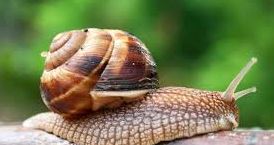
Which group of Mollusks does the picture belong to?
a)
Gastropod
b)
Bivalve
c)
Cephalopod
244.
What Mollusk group does the picture belong to?
a)
Gastropod
b)
Bivalve
c)
Cephalopod
245.
What Mollusk group does the picture belong to?
a)
Gastropod
b)
Bivalve
c)
Cephalopod
246.
What Mollusk group does this picture belong to?
a)
 Bivalves
b)
Gastropods
c)
Cephalopods
d)
Cnidarians
247.
# 16 Points to what feature?
a)
excurrent siphon
b)
incurrent siphon
c)
intestines
d)
foot
248.
# 8 Points to what feature?
a)
excurrent siphon
b)
incurrent siphon
c)
gill 
d)
mantle
249.
These animals do not have backbones
a)
vertebrates
b)
invertebrates
c)
exoskeleton
d)
pores
250.
clams, squids, and octopuses
a)
Sponges
b)
Echnioderms
c)
Mollusks
d)
Segmented Worms
251.

Cephalopods grab prey using their __________.

a)

legs

b)

tentacles

c)

foot

d)

siphon

252.
Which class of Mollusks include organisms that all have two shells?
a)
Gastropods
b)
Bivalves
c)
Cephalopods
253.
Which class of Mollusks includes snails, slugs, or nudibranches?
a)
Cephalapods
b)
Bivalves
c)
Gastropods
254.
Which part of the Mollusk body is the tissue covering the body and secretes the shell?
a)
Mantle
b)
Trochophore
c)
Foot
d)
Visceral Mass
255.
Which part of the Mollusk body contains organs?
a)
Foot
b)
Visceral Mass
c)
Trochophore
d)
Mantle
256.
Which class of Mollusks all have tentacles?
a)
Gastropods
b)
Bivalves
c)
Cephalopods
257.
a)
Class Gastropoda
b)
Class Bivalvia
c)
Class Cephalopoda
d)
Class Polyplacophora
258.
a)
Class Gastropoda
b)
Class Bivalvia
c)
Class Cephalopoda
d)
Class Polyplacophora
259.
a)
Class Gastropoda
b)
Class Bivalvia
c)
Class Cephalopoda
d)
Class Polyplacophora
260.

The exoskeleton of an arthropod is made of which of the following?

a)

chitin

b)

dentin

c)

protin

d)

chlorotin