
 Worksheets
Respiratory System Review
Total questions: 50
Worksheet time: 50mins
Which of the following is part of the conductive zone?
Nasal cavity
Lung
Bronchiole
Alveoli
Which of the following is part of the respiratory zone?
Lungs
Nose
Nasal cavity
Pharynx
Location of gas exchange in the lungs
Alveoli
Bronchioles
Bronchi
Pharynx
What is the correct order of organs for the passage of air into the body?
pharynx > larynx > trachea > bronchioles > alveoli > bronchi
pharynx > larynx > trachea > bronchi > bronchioles > alveoli
larynx > pharynx > trachea > bronchioles > alveoli > bronchi
pharynx > larynx > bronchi > trachea > bronchioles > alveoli
trachea > pharynx > larynx > bronchi > bronchioles > alveoli
Which of the following is a genetic disease causing excess dehydrated mucus secretions?
Cystic fibrosis
Emphysema
Pneumonia
COPD
Pneumothorax
The vocal cords are found in the _____.
Pharynx
Larynx
Trachea
Bronchi
Exchange of both oxygen and carbon dioxide through the respiratory membrane occurs by ________.
simple diffusion
osmosis
failitated diffusion
active transport

These apply to inhalation
Diaphragm moves up
Ribs move in
Ribs move out
Diaphragm contracts
Creates larger pressure in thoracic cavity

Which number is pointing to the nasal conchae?
1
2
7
3
These apply to exhalation
Diaphragm relaxes
Pressure increases in thoracic cavity
Pressure is less outside the body
Diaphragm moves down
The membrane that lies closest to the lungs
visceral pleura
parietal pleura
visceral peritoneum
parietal peritoneum

Name the structure labeled 8
lungs
trachea
diaphragm
alveoli
Why do you need mucous membranes in the bronchioles?
to help the food go down smoothly
to stop the air irritating them
to help air pass through
to trap and remove foreign particles
The exchange of oxygen and carbon dioxide in the alveoli is through a process called
active transport
conduction
convection
diffusion
This structure is also known as the voice box?
Trachea
Larynx
Pharynx
Nasal conchae

Which part of the pharynx is most superior?
laryngopharynx
nasopharynx
oropharynx
alveolarpharynx
Which of the following structures closes off the larynx during swallowing
glottis
epiglottis
esophagus
palate
The main function of surfactant in the alveoli is
to reduce surface tension of the avleolar fluid
gas exchange
close off the larynx during swallowing
separate the oral and nasal cavities

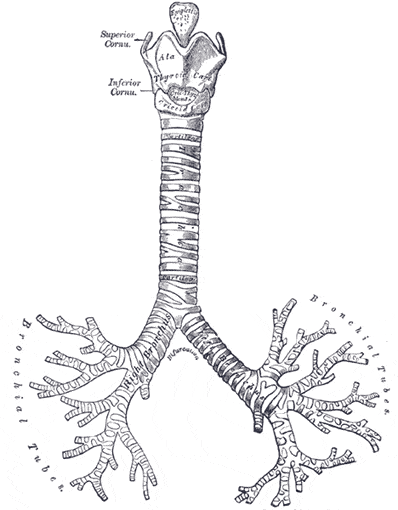
Structure A represents
the epiglottis
the hyoid bone
thyroid cartilage
circoid cartilage

Structure B represents
the epiglottis
the hyoid bone
thyroid cartilage
circoid cartilage
1. larynx
2. nasal cavity
3. pharynx
4. trachea
Which of the following is the correct order that air would flow during inhalation.
6. During ___________________ , muscular contraction causes the walls of the chest cavity to expand so that the rib cage moves outward and upward.
A. Excretion
B. Exhalation
C. Inhalation
D. Respiration
7.During ____________, the ribs and diaphragm return to their original resting position.
A. Excretion
B. Exhalation
C. inhalation
D. Respiration
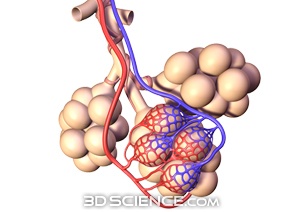
Which structures filter and moisten air as it passes through the human respiratory system?
cilia and mucous membranes
alveoli and cartilage rings
diaphragm and bronchioles
epiglottis and bronchi
Which diagram best illustrates the function of an alveolus?


In humans, the thin, moist membranes of the alveoli are surrounded by
bronchi
the epiglottis
capillaries
lymph vessels
Smoking may damage the respiratory system because deposits from the smoke can
interfere with ciliary action in the trachea
trigger the release of antigens by the alveoli
block the transmission of impulses that regulate breathing
lower blood pressure in the mucous membranes of the bronchioles
Which structure(s) produces mucus?
palate
conchae
sinuses
pharynx
larynx
Which structure divides the oral cavity?
palate
conchae
sinuses
pharynx
larynx

