
 Worksheets
Skeletal and Muscular System review 2019
Total questions: 40
Worksheet time: 37mins


What bone is highlighted?
Skull (Cranium)
Scapula
Clavicle
Mandible

What bone is highlighted?
Radius
Ulna
Humerus
Carpals

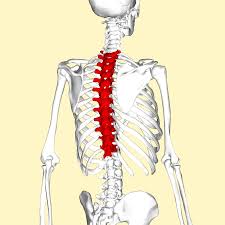
What bone is highlighted?
Femur
Tibia
Fibula
Humerus

What bone is highlighted?
Patella
Pelvis
Clavicle
Mandible
Anatomy is the study of the:
skin
bones
body structures
body functions
Physiology is the study of the:
cells
world
body structures
body functions
What is the largest bone in the body?
scapula
humerus
femur
carilage
What is a flexible connective tissue that is found in your nose and ears?
cartilage
scapula
patella
cranium
What is the purpose of the rib cage?
Helps us to think
Carries blood throughout the body
Protects our brain
Protects our vital organs
About how many bones does an adult have?
399
1,290
14
206

Horses have _________ bones.
205
206
216
345
What system protects the bodys organs?
muscular
skeletal
nervous
endocrine
The skull, vertebrae, and ribs are part of the________ skeleton.
appendicular
axial
ulna
axis
The arm bones and leg bones are part of the __________ skeletal system.
axial
appendicular
tendon
adipose
An example of a long bone.
patella
rib
skull bone
vertebrae
The bones found in the hand and feet and somewhat square shaped are_________ bones.
tendons
short
joints
long
Flat bones protect the___________.
skull
tendons
brain
Pneumatic bones are found in the
knees
front of the skull
femur
vertebrae
These are irregular bones.
skull
patella
vertabrae
sesamoid
The patella is an example of a _______ bone.
sesamoid
tendon
ligament
flat
Bone tissue is made up of fat, water, protein and_________.
minerals
vitamins
white blood cells
marrow
Voluntary means___________.
you control it
you cannot control it.
What do we need muscles for?
protection, support, food
movement, life support, food
movement, life support and protection
protection, blood production and food
Smooth muscles are involuntary and found
in the heart.
lining veins, arteries and organs.
attached to bone
Cardiac muscles are
voluntary and found in the heart.
involuntary and found in the heart.
involuntary and found in the veins and arteries.
found attaching to bone.
Skeletal muscles are
voluntary and attach to bones to allow movement.
voluntary and found in the heart.
responsible for lining the bodies organs.
Flexors
push
pull
Extensors
push
pull
The muscle over the back of the neck and lower skull is called the
trapezius
latissimi dorsi
deltoid
ulna
The muscle that extends the front leg of the horse in upper bones is the
biceps
triceps
trapezius
deltoid
Largest muscle in animals is the
femur
serratus ventralis
pectoral
trapezius
Large muscles in the upper back are the
trapezius
latissimus dorsi
serratus ventralis
pectoral
Large muscles in the shoulder.
trapezius
deltoids
biceps
hamstrings
This type of beef accounts for over 29% of the carcass retail cuts.
tenderloin
chuck
miscellaneous
plate

