
 Worksheets
Cell Organelle Review #2
Total questions: 50
Worksheet time: 54mins
Name
Class
Date
1.
All cells have a:
a)
Nucleus
b)
Plasma membrane
c)
Cell wall
d)
Buddy
2.
The function of the plasma membrane is....
a)
to regulate what enters and leaves the cell.
b)
fight bacteria and viruses that enter the cell.
c)
provide rigid support and protection to the cell.
d)
make sure each cell can move
3.

Identify this structure.
a)
cell wall
b)
cell membrane
c)
sap vacuole
d)
cytoplasm
4.
ALL living cells have this in common
a)
Nucleus
b)
Cell Membrane
c)
Cell Wall
d)
Mitochondria
5.
This process happens inside chloroplasts
a)
Cellular Respiration
b)
Photosynthesis
c)
Protein Synthesis
d)
Osmosis
6.
What is something that prokaryotic and eukaryotic cells have in common?
a)
They have a nucleus.
b)
They are multi-cellular.
c)
They have DNA.
d)
They have organelles that are membrane-bound.
7.
All of the following statements are true about prokaryotic cells EXCEPT
a)
No nucleus
b)
They are simple and small
c)
Have a cell wall
d)
Have organelles
8.

What kind of cell is this?
a)
animal cell
b)
bell bell
c)
plant cell
d)
vacuole
9.
Fluid filled sac that contains water, nutrients (FOOD) and waste.
a)
mitochondria
b)
vacuoles
c)
membrane
d)
nucleus
10.
Animals cell do or do not have cell walls?
a)
do
b)
do not
11.
A thick cell wall helps support a plant cell.
a)
True
b)
False
12.
Animal and plant cells have structures that are present in both.
a)
True
b)
False
13.
This organelle takes food and turns it into ENERGY for plant and animal cells.
a)
Chloroplast
b)
Mitochondria
c)
Lysosome
d)
Ribosome
14.
When many organ systems work together it can form...
a)
organ
b)
cells
c)
organ system
d)
organism
15.

The ___________ is the basic unit of life
a)
organ
b)
cell
c)
atom
d)
tissue
16.
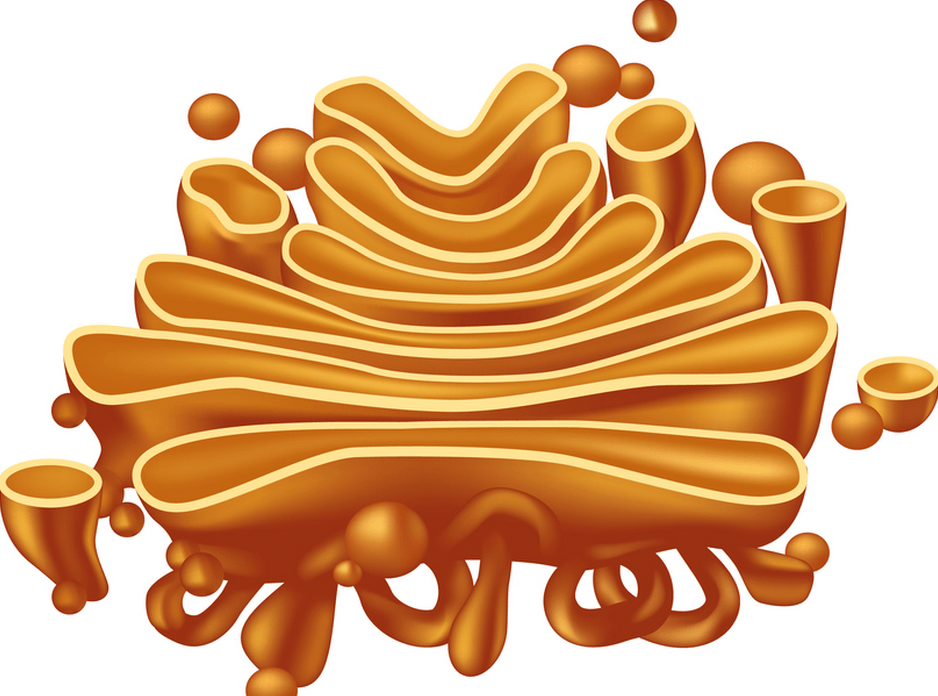
I am a protein packaging and shipping machine! Who am I?
a)
vacuole
b)
ribosome
c)
mitochondrion
d)
golgi apparatus
17.
Which type of cell is bigger?
a)
Prokaryotic
b)
Eukaryotic
18.
All eukaryotes and prokaryotes are surrounded by a _____.
a)
cell wall
b)
cell membrane
c)
cell envelope
d)
loving, supportive family
19.

Which type of cell?
a)
Prokaryote
b)
Eukaryote
20.

Which type of cell?
a)
Prokaryote
b)
Eukaryote
21.
Where is the DNA found in a prokaryotic cell?
a)
floating around in the cytoplasm
b)
in the nucleus
22.
What type of cell has a nucleus?
a)
eukaryotic
b)
prokaryotic
23.
One example of a prokaryote is a...
a)
fungus
b)
bacteria
c)
animal
d)
plant
24.
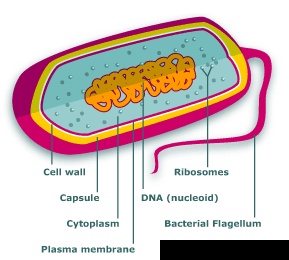
Which type of cell?
a)
Prokaryote
b)
Eukaryote
25.
Has membrane bound organelles
a)
Prokaryote
b)
Eukaryote
c)
both
26.
Which of the following is found inside a prokaryote?
a)
cytoplasm
b)
DNA
c)
ribosomes
d)
all of these
27.
Both prokaryotes and eukaryotes have a nucleus.
a)
True
b)
False
28.

What number is pointing to the ribosomes?
a)
3
b)
6
c)
5
d)
4
29.
Both prokaryotes and eukaryotes have a nucleus.
a)
True
b)
False
30.
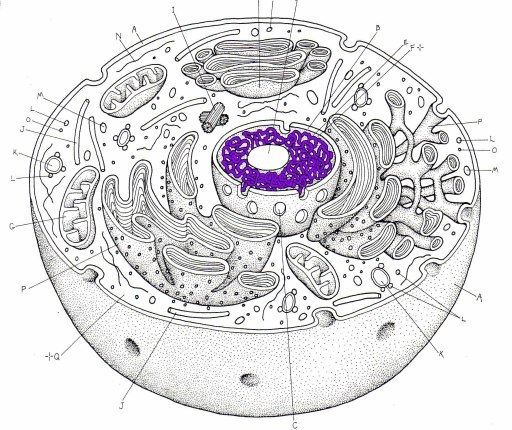
What kind of cell is this?
a)
Eukaryotic
b)
Prokaryotic
31.
Plants and animal cells are examples of ___ cells
a)
prokaryotic cells
b)
eukaryotic cells
32.
Animal, fungi, plant, and protista cells are all examples of which type of cell?
a)
Eukaryotic
b)
Prokaryotic
c)
Both prokaryotic and eukaryotic
33.
Which is true of prokaryotic and eukaryotic cells?
a)
Prokaryotic cells are larger than eukaryotic cells.
b)
Eukaryotic cells do not have nuclei, and prokaryotic cells do have nuclei.
c)
Prokaryotic cells lack membrane-bound organelles, and eukaryotic cells contain membrane-bound organelles.
d)
Eukaryotic cells are simpler than prokaryotic cells.
34.

Plant cells are the same as animal cells.
a)
True
b)
False
35.
Which type of cell has no nucleus?
a)
Eukaryote
b)
Prokaryote
c)
Animal
d)
Plant
36.
Are prokaryotes multicellular or unicellular?
a)
Multicellular
b)
Unicellular
37.

Which type of cell?
a)
Prokaryote
b)
Eukaryote
c)
Mixed
38.
Has cytoplasm
a)
Prokaryote
b)
Eukaryote
c)
both
d)
yes
39.
Has ribosomes
a)
Prokaryote
b)
Eukaryote
c)
both
d)
nihn
40.
Has Mitochondria
a)
Prokaryote
b)
Eukaryote
c)
both
d)
none
41.
Plants and animal cells are examples of ___ cells
a)
prokaryotic cells
b)
eukaryotic cells
42.
Typically are multicellular
a)
Eukaryote
b)
Prokaryote
43.
Cell membrane
a)
Eukaryote
b)
Prokaryote
c)
Both
44.
Oldest type of cell
a)
Prokaryote
b)
Eukaryote
c)
both
45.
Smaller
a)
Prokaryote
b)
Eukaryote
c)
both
46.
Animals cell do or do not have cell walls?
a)
do
b)
do not
47.
A thick cell wall helps support a plant cell.
a)
True
b)
False
48.
The cell wall lies on the inside of the cell membrane.
a)
True
b)
False
49.

Bacteria cell, more “simple” and smaller than other cells,
with no nucleus and no membrane-bound organelles, but still containing DNA.
a)
Eukaryotic Cell
b)
Prokaryotic Cell
c)
Virus
d)
Plant Cell
50.

Structures in a cell that have specialized jobs.
Similar concept to organs for the human body.
a)
Biomolecules
b)
Atoms
c)
Molecules
d)
Organelle
100 %

