wayground logo

Free Printable Worksheets

NEW

Font size

S
M
L
XL
Worksheets

Natural Selection

Total questions: 42

Worksheet time: 4hrs 30mins

Name
Class
Date
1.

Billions of years ago, some algae began to change, eventually becoming our modern day plants such as flowers, grass, and ferns. This is an example of…

a)

Extinction

b)

diversification

c)

Fossilization

d)

selective breeding

2.

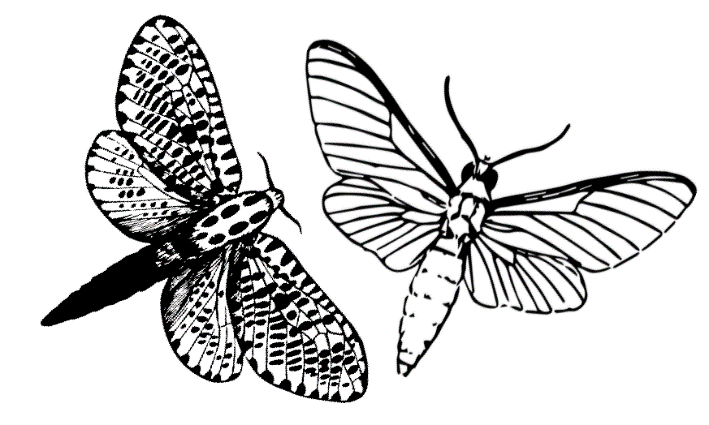
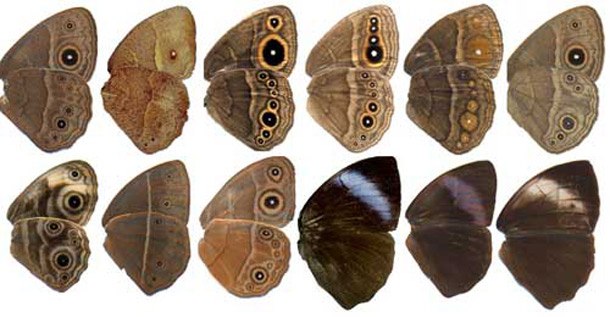
The butterflies above show…

a)

Extinction

b)

Variation

c)

Mimicry

d)

Analogous structure

3.

An adaptation is

a)

a feature that is common in a population because it helps the organism survive and reproduce.

b)

the process by which a single individual pass on their traits to offspring.

c)

the process in which populations change over time.

4.

Natural selection is:

a)

a feature that is common in a population because it helps the organism survive and reproduce.

b)

the process in which populations change over time.

c)

the process by which a single individual pass on their traits to offspring.

5.

What evidence do scientists have to support the idea that some species share a common ancestor?

a)

DNA comparison

b)

fossil records

c)

homologous structures

d)

All of the above

6.

Selective breeding of dogs, horses, and even types of apples, is an example of…

a)

speciation

b)

analogous structure

c)

natural selection

d)

artificial selection

7.

Darwin didn’t know how traits were passed on from generation to generation. Today we know one of the important aspects of evolution is that traits are passed on through

a)

denim pants

b)

genes

c)

adaptation

d)

fossils

8.
What is the connection between genetics and natural selection?
a)
Genes vary between individuals and that variation causes mutations
b)
Individuals vary in their appearance and that variation causes mutations.
c)
Mutations can lead to variation that may affect an individual’s survival.
9.
Why don’t we have a complete fossil record of all life that’s ever lived?
a)
Fossil formation requires a rare mix of physical and biological conditions.
b)
Fossils must be exposed at Earth’s surface to have a chance of being found.
c)
Fossils can be destroyed when rocks erode, melt, or change composition.
d)
All of the above
10.
Which layer is the oldest?
a)
1
b)
2
c)
3
d)
4
11.
The white feathers of a snowy owl allow it to blend in with its environment during the winter months (snow). This is an example of ________________
a)
Species
b)
Environmental Change
c)
Adaptation
d)
Variation
12.
A prey population consists of individuals with a variety of running speeds.
The adaptation that allows some of these animals to run fast would be an example of natural selection if it helps them —
a)
survive and undergo mutations in their DNA
b)
produce offspring that run at average speeds
c)
reproduce and increase the frequency of their genes in the population
d)
lower the mortality rates of the population
13.
A characteristic that improves an individual's ability to survive and reproduce in a particular environment.
a)
Ancestor
b)
Adaptation
c)
Descendant
d)
Fossil
14.

Preserved remains or traces of ancient organisms.

a)

Natural Selection

b)

Fossil

c)

Adaptation

d)

Derived trait

15.
Differences among individuals in the composition of their genes or other DNA segments.
a)
Natural Selection
b)
Derived traits
c)
Genetic Variation
d)
Adaptation
16.

Process by which individuals that are better suited to their environment survive and reproduce most successfully; also called survival of the fittest.

a)

Extinction

b)

Speciation

c)

Natural Selection

d)

Artificial Selection

17.
Formation of new species.
a)
Speciation
b)
Trait
c)
Fossil record
d)
Ancestor
18.

Why might it be helpful for a species to have a lot of variations?

a)

They can't be seen by predators

b)

If the environment changes, they might be better able to adapt

c)

It is helpful in asexual reproduction

d)

They don't recognize each other

19.

If a sick person takes an antibiotic but it doesn't kill all of the bacteria causing the sickness, what might explain this?

a)

Variations in the bacteria allowed some organisms to be less affected by the antibiotic?

b)

Bacteria cannot be killed by antibiotics

c)

You cannot cure a bacterial infection

d)

Bacteria do not cause sicknesses

20.

Evolution is a ____________ process.

a)

fast

b)

extinct

c)

new

d)

slow

21.

This illustration provides information on four variations in the size and shape of antlers in a population of moose. In order to grow antlers, a male moose must expend a great amount of the energy it gets from food. In an environment where food resources are limited, it would be predicted that there would be an increase in which kind of antlers?

a)

A

b)

B

c)

C

d)

D

22.
The rat snake is found in a wide array of environments. They are found in woods, along the coast, in cities, and in mountains. They eat rats, birds, mice, and squirrels. Rat snake populations in these different environments often have varied colors and markings. There are gray ones, yellow ones, black ones, and mixes of these colors, depending on where they live. Which of the following best explains the differences in colors and markings of the rat snake?
a)
Rat snakes can choose to change their coloring to match the environment theyare in to avoid predators and catch prey more easily.
b)
Rat snakes with coloring and markings that helped them blend into their uniqueenvironment avoided predators and survived to reproduce.
c)
Rat snakes began eating different types of food depending on where they live.This changed their appearance over time.
d)
The variation in the coloring and marking of rat snake populations is so that ratsnakes can recognize other rat snakes that live in the same area.
23.

A physical trait favored by an environmental change can be called an

a)

adaptation

b)

extinction

c)

possibility

d)

mutation

24.

Natural Selection is driven by a change in the environment and survival of the

a)

Earth

b)

Fastest

c)

Fittest

d)

Biggest

25.
Survival of the Fittest and Evolution were proposed by what scientist?
a)
Charles Darwin
b)
Albert Einstein
c)
Steven Hawking
d)
Isaac Newton
26.
When every organism of a species has died.
a)
Evolution
b)
Natural Selection
c)
Extinction
d)
Artificial Selection
27.
Where the better adapted organisms survive to pass traits along to offspring.
a)
Evolution
b)
Natural Selection
c)
Extinction
d)
Artifical Selection
28.

What word describes a trait that helps an organism survive in its environment?

a)

natural selection

b)

mutation

c)

camouflage

d)

adaptation

29.
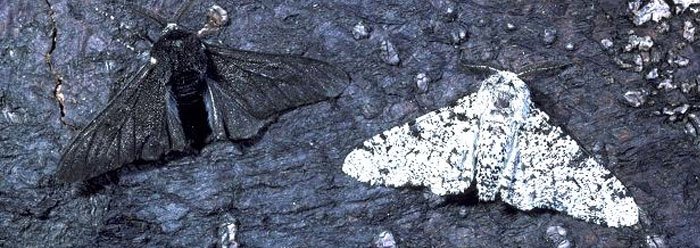
The trees these moths used to live on were white, but have been covered in soot from coal factories. Which moth will be more successful in this environment?
a)
Dark moth
b)
Light moth
c)
Both will be equally successful
d)
Neither will be successful
30.
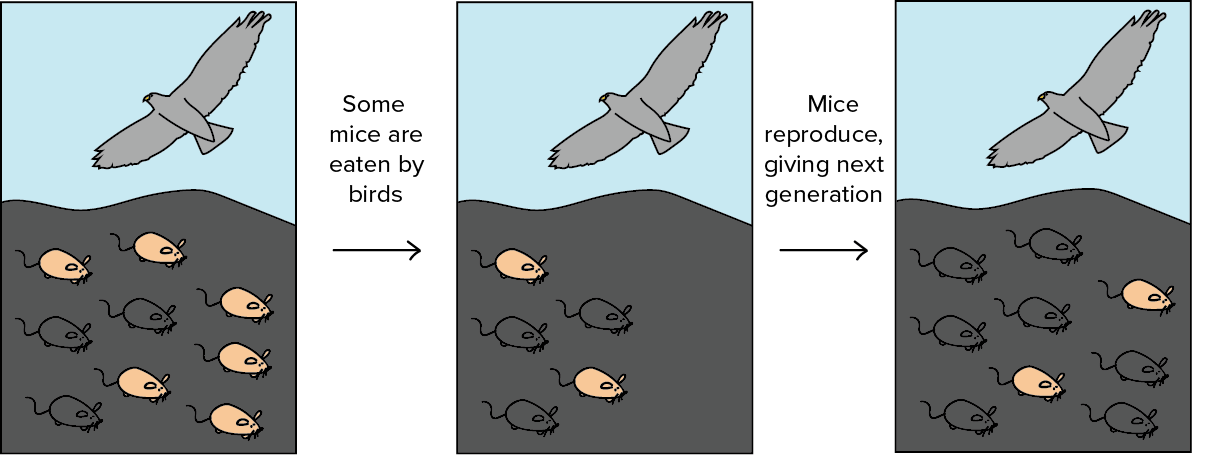
Why is the mouse population changing over time?
a)
The light mice can reproduce more successfully than the dark mice
b)
The hawks eat more dark mice than light mice because the dark mice taste better
c)
The hawks eat more light mice than dark mice because they can see the light mice more easily
d)
The hawks eat more dark mice than light mice because they can see the dark mice more easily
31.
These moths are all the same species. The differences between their wings is an example of ________________
a)
Natural Selection
b)
Variation
c)
Homeostasis
d)
Extinction
32.
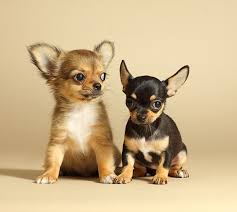
Dogs such as Chihuahuas are examples of....
a)
Artificial Selection 
b)
Natural Selection 
c)
Mutations 
33.
Body parts of organisms that are the same in structure and position but different in function.
a)
embryos
b)
homologous structures
c)
analogous structures
d)
vestigial structures
34.
Organisms with these are believed to be related to an organism who once used the body part.
a)
analogous structures
b)
homologous structures
c)
vestigial structures 
d)
gills
35.
When an organism of a species has an adaptation, it will compete for resources better, survive longer and pass that adaptation on to it's offspring. This process is called
a)
evolution by natural selection
b)
artificial selection
c)
inbreeding
d)
outbreeding
36.
What is it called when humans decide which traits of an organism are the most desirable and only allow those organisms with the specific, desired traits to breed.
a)
biological evolution
b)
evolution by natural selection
c)
artificial selection
d)
inbreeding
37.

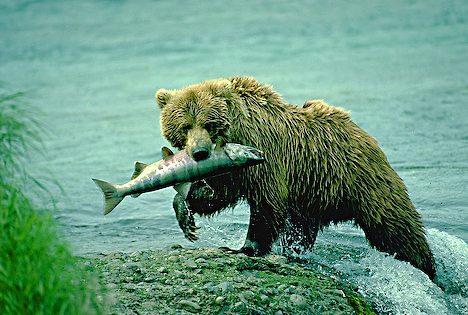
A grizzly bear survives because he is well-adapted to his environment. When he reproduces he passes on those traits to his offspring. this process is called

a)

Natural Selection

b)

Selective Breeding

c)

Random mutations

d)

Variations in a species

38.

A population of rabbits grows rapidly from one year to the next. Then one year, a disease strikes approximately one fourth of the adult rabbits. The disease remains with the population in the years that follow.

As explained by Darwin’s theory, which of these conditions allows the rabbit population to evolve by natural selection?

a)

The disease affects adult and juvenile rabbits equally.

b)

The disease reduces the ability of the rabbits to reproduce.

c)

Some rabbits are resistant to the disease, and they pass the resistance to their offspring.

d)

No rabbits are resistant to the disease, and all die when the disease strikes them.

39.

Before the invention of the light bulb, Americans burned oil in lamps for light. Whale oil was popular bio-fuel for these

lamps. Ship crews would hunt whales for their oil. They searched for the largest whales they could find so that they could obtain as much whale oil as possible. How mighty decades of whale hunting possibly affect the natural selection of the species?

a)

The whales lost their legs.

b)

The whales became slower.

c)

The whales became smaller.

d)

The whales changed their calls.

40.

Suppose a certain species of insect lives in the lush green canopy of the rain forest. Some of the insects are bright green in color, and some are bright yellow. Assume there is a natural predator of the insect in the area. What do you expect to happen to the populations of the green and the yellow insects over time?

a)

The green insect population will increase and the yellow insect population will decrease.

b)

The green insect population will decrease and the yellow insect population will increase.

c)

Both insect populations will remain constant over time.

d)

Both insect populations will increase over time.

41.
Blending in with surroundings
a)
hibernation
b)
Natural Selection
c)
camouflage
d)
variation
42.
any difference between organisms of the same species
a)
adaptation
b)
camouflage
c)
selective breeding
d)
variation