
 Worksheets
Biology Check Review
Total questions: 37
Worksheet time: 30mins

Two populations of mice living in the same forest are separated by a large water-filled ditch. After a rainstorm, flooding brings several mice from one population to the other population. When the mice from the first population reproduce with members of the second population, which of the following will likely occur?
All of the offspring will die as a result of reproductive mutations.
The offspring will be forced to leave the second population.
The offspring will be genetically identical to their parent from the first population.
The offspring in the second population will have greater genetic variety.

The picture shows bean-shaped glands called nodes. The clusters of cells in the nodes include macrophages that break down viruses and other potentially harmful materials. Nodes also contain cells that produce protein particles capable of capturing harmful materials that flow in tissue fluid through the nodes. Different parts of the body are drained by nodes in different regions of the body.
Which body systems are directly responsible for regulating these nodes and protecting the body from harmful materials in tissue fluid?
Immune and lymphatic systems
Digestive and nervous systems
Endocrine and digestive systems
Circulatory and nervous systems

Organisms are classified today using the Linnaean system, and the following table shows the taxonomic classification of two marine organisms living along the Pacific Coast.
Taxonomic classification is important to marine biologists because it provides a way to -
prove that marine evolution occurs
discover and name every marine organism on Earth
designate Latin as the universal language of marine biology
identify marine organisms and find evolutionary relationships between them


The mutated DNA segment is TTCGCAAG. This is an example of ___ mutation.
What mutation has occurred here?
T-G-A-C-C-A
T-G-A-G-C-A
Substitution/Point
Deletion
Insertion
Frameshift


Some female peacocks prefer males with large, colorful tales while other female peacocks prefer males with no tail at all. Females are now mating only with the tail they prefer. What type of reproductive barrier is this?
behavioral isolation
hybrid sterility
temporal isolation
mechanical isolation

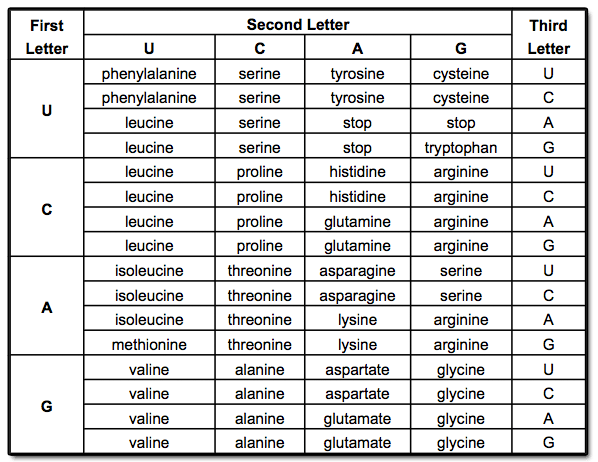
A segment of DNA produces methionine, threonine, histidine, aspartate, and glycine when translated. A substitution mutation occurs and causes the synthesis of the segment as shown. Which is the new peptide chain when the new DNA segment is translated?
Methionine, leucine, histidine, aspartate, glycine
Methionine, phenylalanine, histidine, aspartate, glycine
Methionine, proline, histidine, aspartate, glycine
Methionine, serine, histidine, aspartate, glycine

On March 24, 1989, an oil tanker ran aground on Bligh Reef in Prince William Sound, Alaska, and spilled millions of liters of crude oil. The graph shows pink salmon populations in Prince William Sound from 1970 to 1999. What do these data suggest about the effect the oil spill had on pink salmon?
Pink salmon were nearly eliminated after the oil spill.
Pink salmon populations steadily declined in the 10 years following the spill.
Pink salmon populations declined and never fully recovered.
Pink salmon populations seemed to be minimally affected.

A student preparing for a hike wants to pack a snack that has biomolecules that provide quickly available energy but few excess calories. Which nutrition label lists the best combination of biomolecules that provide quickly available energy while providing the fewest calories from other types of biomolecules?
A
B
C
D

Organisms can be classified based on homology, which is shared characteristics inherited from a common ancestor. In the past, homologies were based on studies of anatomical structures and patterns of embryonic development. In more recent years, the use of molecular biology techniques has allowed homologies to be compared at the level of nucleotide sequences. Nucleotide sequence comparisons are possible because all organisms share which of the following?
DNA bases
Cellular organelles
Division of the nuclear chromosomes
Types of proteins needed for cellular functions

The model represents the change in the DNA content of a cell during the cell cycle. Which part of the model represents the S phase?
I
II
III
IV

Diatoms are one of the most common types of phytoplankton in marine habitats. Like plants, diatoms contain chlorophyll and produce glucose from which of the following?
O2 and ATP
CO2 and O2
ATP and H2O
CO2 and H2O
Facial dimples and free earlobes are both considered dominant human traits. What are the expected phenotypes of the offspring of a female with dimples and free earlobes (DDFf) and a male with no dimples and attached earlobes (ddff)?
50% with dimples and free earlobes and 50% with dimples and attached earlobes
50% with dimples and free earlobes and 50% with no dimples and attached earlobes
75% with dimples and free earlobes and 25% with no dimples and attached earlobes
75% with dimples and attached earlobes and 25% with no dimples and free earlobes

At birth Himalayan rabbits are usually white over their entire bodies. But when parts of their bodies reach temperatures below 35°C, a pigment that causes these parts to turn black is produced. Which of the following is most likely the cause of this phenomenon?
Poor blood circulation
Infection caused by cold temperatures
Gene expression that is regulated by temperature
A trait that is both sex-linked and hormone-dependent

The differences between two molecules include the type of sugar that forms a section of the molecules and the identity of one of the four nitrogenous bases that make up another section of the molecules. These two molecules are —
proteins
lipids
nucleic acids
complex carbohydrates

Some students used vinegar to dissolve away the shells of three eggs and used these eggs as models of human red blood cells. The students observed the changes in the eggs when they were placed in different solutions.
The cell membrane is an impermeable barrier that prevents water from entering the cell.
The cell membrane allows solutes to enter the cell, which causes the cell to shrink.
The cell membrane allows water to enter and leave the cell.
The cell membrane removes solutes from the environment.

Three species of lizards of the genus Gallotia are found on the Canary Islands, a chain of seven volcanic islands off the west coast of Africa. The easternmost island, Lanzarote, is the oldest, while the westernmost island, El Hierro, is the youngest. The distribution of lizard species is shown on the map below. Which statement about the ancestry of the lizards from the genus Gallotia is best supported by this information?
The common ancestor of the lizards first colonized the island of El Hierro.
The ancestors of each species came from different continents at different times.
The common ancestor of the lizards probably came from Africa.
The ancestors of each species evolved in Spain and were brought to the islands at the same time.

Normal fruit flies have brownish-yellow bodies, and this body color is dominant. A mutation in the gene for body color can produce flies with an ebony body color. A homozygous normal fruit fly (e+e+) is crossed with a homozygous ebony fruit fly (ee). What is the predicted outcome of this genetic cross?
All the offspring will have ebony bodies.
Of the offspring, 75% will have brownish-yellow bodies, and 25% will have ebony bodies.
All the offspring will have brownish-yellow bodies.
Of the offspring, 75% will have ebony bodies, and 25% will have brownish-yellow bodies.

In the 1960s the molecular biologist George Streisinger developed the strand-slippage hypothesis. Streisinger noticed that mutations occurred in areas of DNA that contained many repeated sequences. When a strand-slippage error occurs, an insertion mutation can result. How does the insertion mutation affect the DNA?
Nitrogenous bases are added.
Nitrogenous bases are exchanged.
Nitrogenous bases are damaged.
Nitrogenous bases are deleted.

A cladogram is shown below. All the animals to the right of the hagfish would have the common characteristic of —
fur
claws or nails
lungs
jaws

An analysis of DNA and RNA sequences can be used to classify organisms. A dendrogram, such as the one shown below, is based on molecular data. It can be used to represent evolutionary relationships within a group of organisms that are hypothesized to have descended from a common ancestor. Which statement is best supported by the information in this dendrogram?
Lesser pandas are more genetically similar to giant pandas than they are to raccoons.
Brown bears are more genetically similar to giant pandas than they are to sun bears.
Lesser pandas are more genetically similar to raccoons than they are to giant pandas.
The bear species are all more genetically similar to dogs than they are to giant pandas.

Cells typically respond to DNA damage in three ways: by ceasing to grow and divide until the damage is repaired, by permanently ceasing to grow and divide, or by dying. In 2010 a group of scientists reported that a certain kind of immune reaction can cause DNA damage that leads to a fourth response. DNA damage can turn off genes involved in cell-signaling pathways. Turning off these genes can cause less-mature cells to divide too rapidly, often leading to the development of —
tumors
allergies
hemophilia
cardiovascular disease


