
 Worksheets
Human Skin
Total questions: 19
Worksheet time: 13mins
Name
Class
Date
1.
The largest organ of the human body is the:
a)
liver
b)
skin
c)
lungs
d)
heart
2.
The outermost and thinnest layer of the skin is the:
a)
surface
b)
epidermis
c)
subcutaneous
d)
dermis
3.

Outer layer of skin about as thick as a sheet of paper.
a)
epidermis
b)
dermis
c)
hyperdermis
4.

These structures are considered part of the DERMIS LAYER - the middle layer of your skin.
a)
nerves, fat, blood vessels
b)
sweat glands and hair follicles
c)
protein layers and melanocytes
5.
The major organ of the integumentary system is
a)
Skin
b)
Nails
c)
Hair
d)
Glands
6.
The coloring in the skin; found in the epidermis.
a)
Melanin
b)
Oil
c)
Perspiration
d)
Pores
7.
What is the integumentary system made up of?
a)
skin, nails, and hair
b)
ribs, lungs, and heart
c)
veins and arteries
d)
muscles
8.

What are the basic functions of the Integumentary system?
a)
protection, regulation of body temperature, communication, excretion of wastes, and vitamin D production
b)
serves no purpose
c)
to make you look good
d)
To absorb sunlight through your pours
9.
Skin protects the body by keeping harmful substances outside the body and keeping important substances inside the body.
a)
True
b)
False
10.
openings that allow sweat to reach the surface of
the skin
a)
vitamin D
b)
dermis
c)
pores
d)
disease
11.
the inner layer of the skin
a)
dermis
b)
melanin
c)
pores
d)
skin
12.
a pigment that colors the skin
a)
Epidermis
b)
Melanin
c)
Dermis
d)
Chloroplast
13.
a structure out of which strands of hair grow
a)
Follicles
b)
Pores
c)
Head
d)
Eyelashes
14.
What is the evaporation of a liquid to cool the body?
a)
Shivering
b)
Sweating
c)
Vasodilation
d)
Vasoconstriction
15.
Homeostasis in the human body is often maintained by a:
a)
neutral feedback loop
b)
solar feedback loop
c)
positive feedback loop
d)
negative feedback loop
16.
When you are cold, you shiver and your blood vessels contract, which warms you up. When you are hot, you sweat and your blood vessels expand, which cools you down.
a)
Positive Feedback Response
b)
Negative Feedback Loop
17.
When glucose levels in the blood rise, your brain sends a signal to your pancreas. The pancreas releases insulin, which opens channels in cell membranes to allow glucose to enter the cell, lowering blood sugar levels.
a)
Positive Feedback Response
b)
Negative Feedback Loop
18.
Homeostasis
a)
allows for a wildly fluctuating internal environment
b)
is impossible in vertebrates
c)
is the maintenance of a relatively stable internal environment and often incorporates a form of feedback regulation
d)
is the maintenance of a relatively stable external environment and often incorporates a form of feedback regulation
19.
Which of the following animals has a body temperature that doesn't change depending on the weather outside?
a)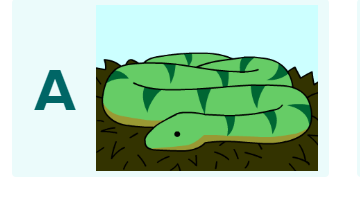
b)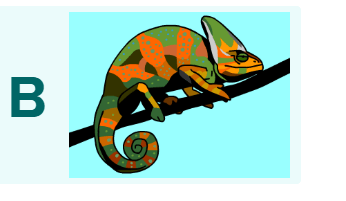
c)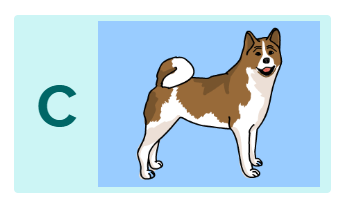
d)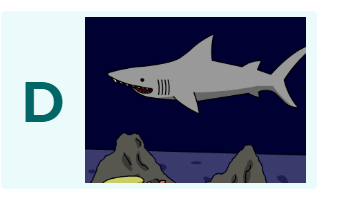
100 %

