wayground logo

Free Printable Worksheets

Font size

S
M
L
XL
Worksheets

Science Review

Total questions: 97

Worksheet time: 1hrs 18mins

Name
Class
Date
1.

What is the Livers main job?

a)

To filter the blood coming from the digestive tract, before passing it to the rest of the body.

b)

Detoxifies chemicals and metabolizes drugs.

c)

Secretes bile that ends up back in the intestines.

d)

Separates nutrients and fat from the body.

2.
How long does it take for light from a star to reach Earth?
a)
365 days
b)
300,000 kilometers per second
c)
light-year
d)
about 8 1/2 minutes
3.
What is the distance that light travels from the sun measured in ?
a)
seconds
b)
light-year
c)
kilometers
d)
months
4.
The sun is the closest star to Earth. Which is the next nearest star to Earth?
a)
Sun
b)
Alpha Centauri
c)
Spica
d)
Bessel
5.
What is the size of the sun?
a)
The sun is an average size star.
b)
The sun is the smallest size star?
c)
The sun is the largest size star.
d)
The sun is the size of a pea.
6.
What is a star?
a)
A star is giant ball of hot, glowing gases that releases energy. 
b)
A star is box of gases.
c)
A star is a pattern.
d)
A star is a big football game.
7.
The shape of our Milky Way galaxy can be classified as ____________.
a)
Spiral
b)
Elliptical
c)
Irregular
d)
French
8.
Space and all the matter and energy in it is...
a)
Universe
b)
Galaxy
c)
Solar System
d)
Ecosystem
9.
A huge collection of stars is a?
a)
Universe
b)
Galaxy
c)
Movie
d)
Nebulae
10.
I send and receive electrical signals from the brain
a)
Skeletal System
b)
Nervous System
c)
Muscular System
d)
Digestive System
11.
I  produce red blood cells for the body
a)
Nervous System
b)
Digestive System
c)
Respiratory System
d)
Musculoskeletal System
12.
I transport oxygen and nutrients through out the body
a)
Muscular System
b)
Nervous System
c)
Digestive System
d)
Circulatory System
13.
I receive oxygen and remove of carbon dioxide
a)
Heart
b)
Muscular System
c)
Veins 
d)
Respiratory System
14.
I break food down into energy for the body
a)
Stomach
b)
Digestive System
c)
Respiratory system
d)
Lungs
15.
How does the circulatory system and the skeletal system work together?
a)
the circulatory system makes cells while the musculoskeletal system transports the cells where the need to go
b)
the musculoskeletal system makes cells while the circulatory system transports them where the need to go
c)
The circulatory system produces energy for the body and the musculoskeletal system makes cells for the body
d)
The musculoskeletal system digests food and the circulatory system brings air into the body
16.
How does the digestive system work with all other systems?
a)
The digestvie system transports blood to all the other systems
b)
The digestive system puts oxygen into the body
c)
The digestive system gives the body energy and nutrients
d)
The digestive system allows the body to move
17.
Disposes of wastes and removes excess water.
a)
Digestive
b)
Circulatory
c)
Excretory
d)
Immune
18.
This system includes the spinal cord, brain and nerves
a)
Nervous System
b)
Digestive System
c)
Circulatory System
19.
Carbon dioxide is considered a _________________
a)
food
b)
waste
c)
energy
d)
fun party favor
20.

Your heart, liver and lungs are protected by what bones:

a)

sternum and ribs

b)

tendon and joint

c)

cartilage and vertebrae

d)

skull and mandible

21.

Involuntary muscles (you cannot control) that help your body digest your food are the:

a)

smooth muscles

b)

cardiac muscles

c)

skeletal muscles

22.
Which feature of a rose helps it grow without being eaten by large animals?
a)
flowers with bright colors
b)
sharp thorns
c)
small seeds
d)
deep roots
23.
Which feature helps an animal hide from other animals?
a)
looking like a dangerous animal
b)
being the same color as the place it lives (camoflauge)
c)
having sharp claws or a strong shel
d)
having only a few young and caring for them
24.
A giraffe has a long neck in order to better reach leaves to eat.  This is an example of _____. 
a)
an adaptation
b)
environment
c)
response
d)
stimulus
25.
Which adaptation (for the underlined animal) serves the function of defense?
a)
A walking stick looks like the twig on which it rests.
b)
A porcupine’s quills cause a predator to seek another meal.
c)
A whale filters plankton and krill from the water in which it swims.
d)
A penguin is dark on top and white below to blend in with the water.
26.
Which of the following is a physical adaptation for the underlined animal?
a)
A butterfly has bright colors to warn predators that it is poisonous.
b)
A hognose snake rolls over, slows its breathing, and hangs its tongue out to play dead.
c)
A herd of buffalo encircle their young to protect them from a pack of wolves.
d)
A dung beetle rolls a piece of dung across the desert.
27.
How do adaptations help animals?
a)
To escape animals
b)
to hunt for food
c)
to survive in their habitats
d)
All of these are correct
28.
Plants with spines and waxy leaves are well suited for life in which environment?
a)
Desert
b)
Temperate forest
c)
Grassland
d)
Tropical Rainfroest
29.
Dandelions have light furry seeds that allow them to spread easily. 
a)
True
b)
False
30.
Why do animals use camouflage?
a)
To look pretty
b)
To stay safe
c)
To play Hide and Go Seek
d)
To eat food
31.
How an animal protects itself Adaptation: Skunk and its spray
a)
Defense
b)
Hibernation
c)
Locomotion
d)
Migration
32.
A resting state through the winter. 
Adaptation: Bear sleeping in a cave during the winter months
a)
Locomotion
b)
Hibernation
c)
Migration
d)
Defense
33.
Traveling done by an animal to find food and water. 
Adaption: birds flying south for the winter
a)
Camouflage
b)
Migration
c)
Hibernation
d)
Locomotion
34.
How an animal gets food?
a)
Defense
b)
Camouflage
c)
Food Obtainment
d)
Life Cycle
35.
Being able to move around to find resources that animals need. Adaptation: A bunny hopping around looking for food.
a)
HIbernation
b)
Locomotion
c)
Migration
d)
Food Obtainment
36.
 A giraffe has a long neck.  Why would the giraffe need this adaptation?
a)
to keep warm
b)
to reach food high above the ground
c)
to have room to eat more
d)
to catch birds
37.
The raccoon has hands and feet.  Why would the raccoon need this adaptation?
a)
to fight
b)
to help them find and pick up food
c)
to hang from trees
d)
to dig a tunnel
38.
A Porcupine has sharp quills.  Why would a porcupine need this adaptation?
a)
to protect itself
b)
to keep warm
c)
to kill its prey
d)
to cover its skin
39.
Color or pattern that helps an animal blend in with its habitat
Adaptation: polar bears in the Artic
a)
Hibernation
b)
Locomotion
c)
Camouflage
d)
Migration
40.
A possible explanation to a problem that has not yet been tested. 
a)
data
b)
theory
c)
hypothesis
d)
fact
41.
This part of the experiment serves as a basis of comparison; the one variable being tested has been omitted. 
a)
experimental group
b)
control group
c)
data
d)
variables
42.
This variable in an experiment is the one being deliberately changed by the scientist. 
a)
dependent variable
b)
independent variable
c)
data
d)
control group
43.
What step does every scientific experiment begin with?
a)
hypothesis
b)
question/problem
c)
procedures
d)
conclusion
44.
An experiment is performed on plants to see how different liquids affect plant growth. Each plant in the experiment is given a different liquid; water, apple juice, or milk. Each plant has the same amount of soil, sunlight, and listens to the same music. In this investigation, the independent variable is ...
a)
The type of plant
b)
The amount of sunlight
c)
The type of music
d)
The type of liquid
45.
The summary at the end of an experiment that explains the results. 
a)
conclusion
b)
procedures
c)
materials
d)
responding variable
46.
Testing a hypothesis often involves a(n):
a)
answer
b)
experiment
c)
problem
d)
safety check
47.
A student wants to test the effects of type of exercise on heart rate.  What is the dependent variable?
a)
heart rate
b)
type of exercise
c)
amount of exercise
d)
time of day exercise occurs
48.
Observations made during an experiment are called:
a)
data
b)
problems
c)
conclusions
d)
questions
49.
On what axis should the independent variable always be?
a)
X
b)
Y
50.
An experiment is performed on plants to see how different liquids affect plant growth. Each plant in the experiment is given a different liquid; water, apple juice, or milk. Each plant has the same amount of soil, sunlight, and listens to the same music. In this investigation, what are the controlled variables?
a)
Type of plant, amount of music, and sunlight
b)
Water, apple juice, milk
c)
Plant growth
51.
An experiment is performed on plants to see how different liquids affect plant growth. Each plant in the experiment is given a different liquid; water, apple juice, or milk. Each plant has the same amount of soil, sunlight, and listens to the same music. In this investigation, the independent variable is ...
a)
The type of plant
b)
The amount of sunlight
c)
The type of music
d)
The type of liquid
52.
Which is NOT a step in the scientific method?
a)
Make observation
b)
Form a theory
c)
Collect data
d)
Form a hypothesis
53.
Squidward found new reeds to tryout for his clarinet.  He used an APPLAUSOMETER to measure applause after playing  Under the Sea with each reed.  The results were put in the table.
What was controlled?
a)
The Song
b)
The Reed
c)
The Applause
54.
Squidward found new reeds to tryout for his clarinet.  He used an APPLAUSOMETER to measure applause after playing  Under the Sea with each reed.  The results were put in the table.
What was the independent variable?
a)
The Song
b)
The Reed
c)
The Applause
55.
Squidward found new reeds to tryout for his clarinet.  He used an APPLAUSOMETER to measure applause after playing  Under the Sea with each reed.  The results were put in the table.
What was the dependent variable?
a)
The Song
b)
The Reed
c)
The Applause
56.
The data collected supports which of the following questions that Squidward could have tested?
a)
Which song does the audience prefer?
b)
Which instrument does the audience like best?
c)
Which reed length creates the best sound?
d)
How do applause affect performance?
57.
 What do tissues form?
a)
Blood 
b)
Organ Systems
c)
Organs
d)
Nails
58.
 What might the immune system protect our body from?
a)
sugars, fats, and carbs.
b)
viruses, bacteria, fungi, other parasites
c)
viruses, bacteria, fungi, other parasites, carbs, sugars
d)
Cold & Flu
59.
The Brain and the Spinal cord are what type of cavity?
a)
Cavity Cavity
b)
Tooth Cavity
c)
Ventral Cavity
d)
Dorsal Cavity
60.
What organs are being formed by tissues? 
a)
Nails
b)
Hair
c)
Stomach
d)
Everything above
61.

Which organ controls our senses?

a)

heart

b)

brain

c)

lungs

d)

stomach

62.

In which organ do you find gastric juices?

a)

heart

b)

lungs

c)

stomach

d)

liver

63.

Which organ helps break down food?

a)

heart

b)

stomach

c)

lungs

d)

brain

64.

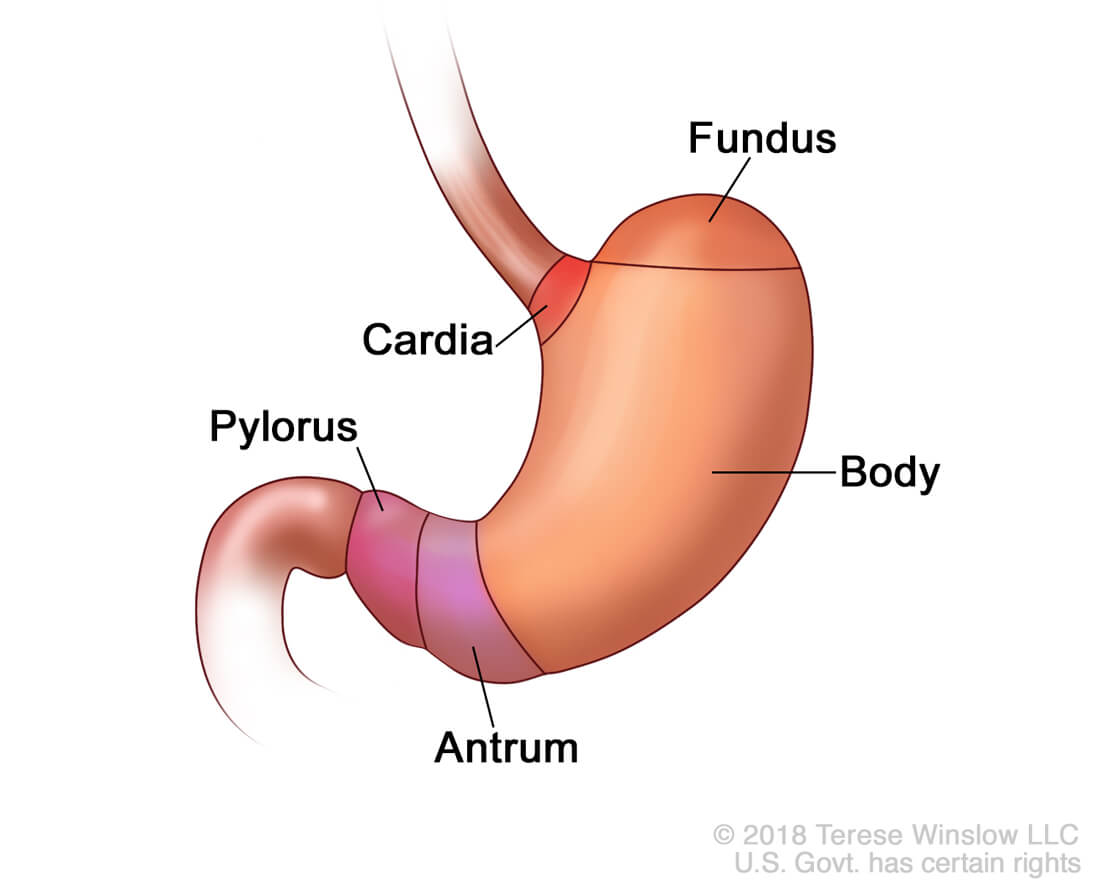
What organ is this?

a)

heart

b)

stomach

c)

lungs

d)

brain

65.

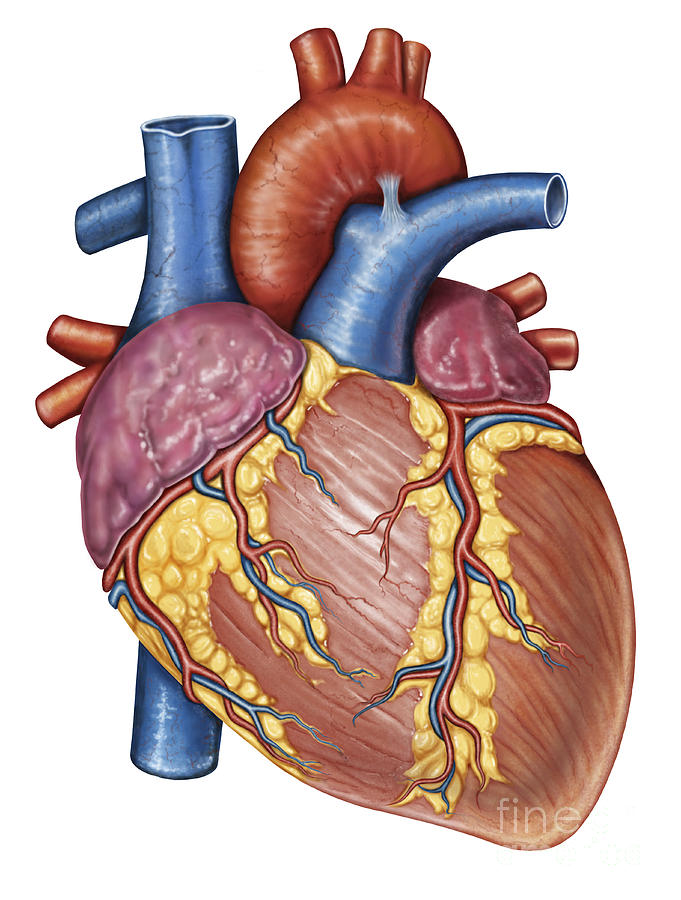
What organ is this?

a)

heart

b)

stomach

c)

liver

d)

lungs

66.

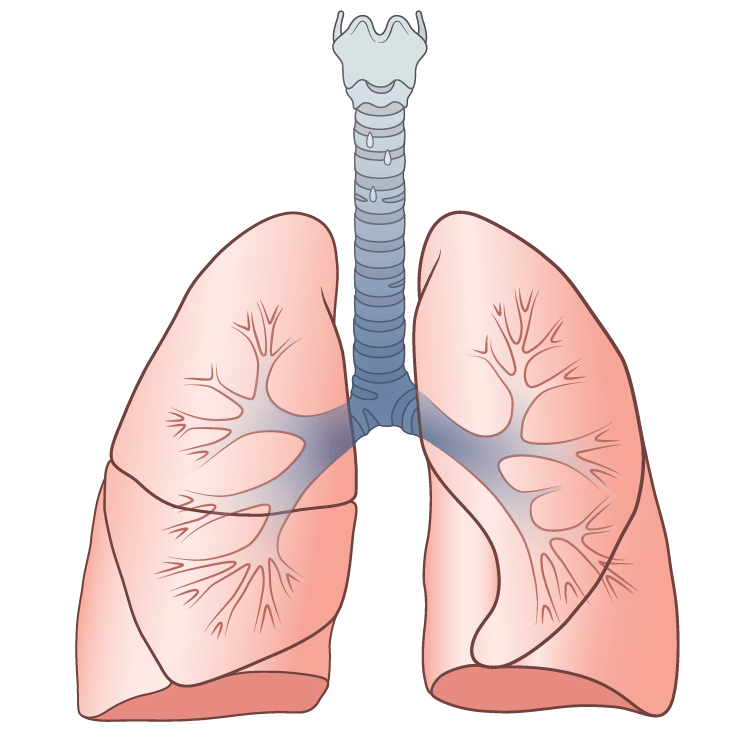
What organ is this?

a)

heart

b)

lungs

c)

liver

d)

stomach

67.

Which organ is linked to the windpipe?

a)

heart

b)

lungs

c)

stomach

d)

brain

68.

Which is the largest solid organ in your body?

a)

stomach

b)

heart

c)

liver

d)

brain

69.

What does the liver do?

a)

it makes bile and helps us breath

b)

it stores energy, makes bile and cleans your blood

c)

it breaks down your food and cleans your blood

d)

none of these answers are correct

70.

Which organs stores information?

a)

heart

b)

brain

c)

stomach

d)

liver

71.
What is a change of position of an object?
a)
motion
b)
weight
c)
mass
72.
______________________ is any push or pull on an object.
a)
Force
b)
Mass
c)
Gravity
d)
Air Resistance
73.
A _________ uses force to move an object towards you. 
a)
Pull
b)
Push
c)
Motion
d)
Force
74.
Which tells POSITION?
a)
45 mph
b)
to the left of the table and under a light
c)
80 km
75.
What is the meaning of acceleration?
a)
any change in the speed or direction of an object
b)
where an object is located
c)
the pull of gravity on an object
76.
Which tells the VELOCITY of an object?
a)
75 mph
b)
75 mph traveling south
77.
Which scientist gave us the laws of motion?
a)
George Washington
b)
John Adams
c)
Sir Isaac Newton
78.
If I kick a soccer ball across the field, what vocabulary word tells me why the ball would slow down in the grass?
a)
acceleration
b)
friction
c)
gravity
79.
Which is harder to stop - an 18 wheeler or a motorcycle?
a)
motorcycle
b)
18 wheeler
80.
Mr. McNiece wanted to see how different types of music affected students' pulse rates. She played different types of music: heavy metal, rap, R&B, alternative, pop, country, and classical music. Identify the independent variable.
a)
pulse rate
b)
types of music
c)
classical music resulted in the highest pulse rate
d)
Mr. McNiece
81.
Mr. McNiece wanted to see how different types of music affected students' pulse rates. She played different types of music: heavy metal, rap, R&B, alternative, pop, country, and classical music. Identify the dependent variable.
a)
Mr. McNiece
b)
pulse rate
c)
high pulse rate
d)
classical music resulted in the highest pulse rate
82.
Justin usually blows his nose using Kleenex tissues. His snot keeps leaking through the tissue. He decided he is going to create an experiment to find out if there is something better. What is his independent variable?
a)
type of tissue
b)
Justin 
c)
Kleenex
d)
mass of the snots the tissue can hold
83.
Mario studied how far room temperature water would spurt out of a platic milk carton when 3mm holes were punched at different heights from the bottom of the container. Identify the independent variable.
a)
3 mm holes
b)
distance water traveled out of carton
c)
different heights of holes in container
d)
ice water from Iceland
84.
Tiffany was investing how fast it took Hayden to react to different sounds. Identify the independent variable.
a)
Hayden
b)
how fast Hayden reacted
c)
different sounds
d)
how much time it took Hayden to react
85.
Mario studied how far room temperature water would spurt out of a platic milk carton when 3mm holes were punched at different heights from the bottom of the container. Identify the dependent variable.
a)
3 mm holes
b)
distance water traveled out of carton
c)
different heights of holes in container
d)
ice water from Iceland
86.
Mr. McNiece wanted to see how different types of music affected students' pulse rates. She played different types of music: heavy metal, rap, R&B, alternative, pop, country, and classical music. What constant should be considered when doing this experiment?
a)
using a different student for each music type
b)
types of music
c)
amount of time the music was played
d)
use all dead people
87.
Justin usually blows his nose using Kleenex tissues. His snot keeps leaking through the tissue. He decided he is going to create an experiment to find out if there is something better. What is 1 constant?
a)
type of tissue
b)
Justin
c)
amount of tissue
d)
mass of the snots the tissue can hold
88.
A new company wants to test out a pill that will unlock all of your brain to make you 50% smarter and much more efficient. 
Which answer choice shows what the control group would be?

a)
The group that receives the pill
b)
The group that receives the fake pill
c)
The new company
d)
The brain that gets smarter
89.
Nick wanted to see how high an ice cube would float in different temperatures of water. Identify the dependent variable.
a)
amount of water
b)
temperature the ice cube was at its' highest height
c)
temperature of water
d)
height of ice cube
90.
Mario studied how far room temperature water would spurt out of a platic milk carton when 3mm holes were punched at different heights from the bottom of the container. Identify a constant.
a)
ice water from Iceland
b)
different heights of holes in container
c)
3 mm holes
d)
distance water traveled out of carton
91.
Nick wanted to see how high an ice cube would float in different temperatures of water. Identify the independent variable.
a)
temperature the ice cube was at its' highest height
b)
size of ice cube
c)
height of ice cube
d)
temperature of water
92.
Justin usually blows his nose using Kleenex tissues. His snot keeps leaking through the tissue. He decided he is going to create an experiment to find out if there is something better. What is his control group?
a)
type of tissue
b)
Justin
c)
mass of the snots the tissue can hold
d)
Kleenex
93.
Which is true of a control group?
a)
It receives what would normally happen in real life
b)
It is the only thing that changes
c)
It is what is measured in an experiment
d)
It is the variables that stay the same in an investigation
94.
Justin usually blows his nose using Kleenex tissues. His snot keeps leaking through the tissue. He decided he is going to create an experiment to find out if there is something better. What is his dependent variable?
a)
amount of tissue
b)
mass of the snots the tissue can hold
c)
type of tissue
d)
Kleenex
95.
Tiffany was investing how fast it took Hayden to react to different sounds. Identify the dependent variable.
a)
playing the trumpet over and over
b)
how much time it took Hayden to react
c)
different sounds
d)
how fast Hayden reacted
96.
Brooke is trying to investigate whether UV Light, Black Light, or Green Light can grow a plant taller. What would be the control group in her investigation?
a)
UV Light
b)
Black Light
c)
Different type of lights
d)
Sunlight
97.
Gerald wants to find out how quickly he can melt a stick of butter. He plans to use a hair dryer with 4 different heat settings. What would be the control group in his experiment?
a)
Hottest Setting
b)
Lowest Setting
c)
No Heat
d)
Middle Setting