
 Worksheets
Water conservation
Total questions: 101
Worksheet time: 2hrs 45mins
What percentage of the earth is water?
50%
60%
71%
80%
A scientist studies a sample of swamp water. She finds that there are many dead plants and fish in the water. ________ in the water could be the main cause of this.
oxygen
litter and pollution
mud and silt
pebbles and sand
what is the main cause of water pollution?
invasive species
animals
plants and insects
human impact and decision making


What usually uses more water in the home?
Washing machine
taking a shower
brushing your teth
drinking water
Approximately how many gallons of water does it take to grow sugar cane?
20- 25 gallons
2-4 gallons
180-200 gallons
What percentage of the earth's water is salt water?
3%
25%
71%
96.5%
1/3 of household watering is for outdoors. What are good irrigation practices for lawns or gardens?
Avoid watering in the heat of the day so it doesn't evaporate.
Don't water on windy or rainy days
Do not water lawns between 10 AM -4 PM
All of the above

What percentage of the earth covered with water?
50%
60%
71%
80%
True or False: It isn't important to save water because there are a lot of water on Earth.
True
False
Why is clean water important?
All life on Earth depends on clean water to live and grow.
We need clean water for recreational activities.
We need bodies of water for transportation
We need water to regulate the temperature on Earth.
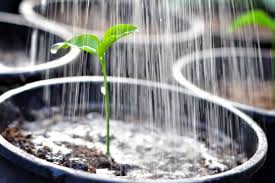
Why does plant need water?
To make food through photosynthesis
To reproduce
To grow
All of the above

What is the process that electricity is produced from energy of running water?
water cycle
hydroelectric power
water dam
windmills
Most water can be found in the _______________.
Ocean
Sea
River
Pond
These are the sources of water.
Lakes
Sea
River
All of the above

Which of the following is a way of conserving water?
Leave the tap running while brushing teeth
Use a hose to wash the car
Use the washing machine at full load
Leave the shower running while soaping

Keeping the water running when you brush your teeth wastes a lot of water is one way to conserve water.
True
False
Without water there is no___________!
time
tasks
mobile
life
Bonus Question
Why do we need to conserve water? (You may select more than one answer)
To save on the water bill
There is a lot of water
It a limited sources
To get enough clean water in the future
what is the water division of earth
ocean water 97 per cent,freshwater frozen as ice 2 per cent and freshwater 1 per cent
ocean water-47%,freshwater 50%,freshwater frozen as ice 3%
ocean water 1%,freshwater frozen as ice-90%,freshwater9%
freshwater-33.33%,freshwater frozen as ice 33.33%,ocean water 33.33%
When is the best time of day to water your lawn or garden?
Early morning or late evening
In the afternoon
All day long
At night

Where do we get fresh water?
the ocean
the sink
lakes, rivers, and ponds

Will the world run out of water?
yes, if we use too much
no, it is a renewable resource

Most water on Earth is
salt water
fresh water
muddy water

What is conservation?
food chains
A scientific explanation
the careful use of Earth's natural resources

Why do we need to conserve water?
So plants, animals and people have fresh water to survive
So we can go swimming more.
So the world won't run out of water.

All living things need _______ to survive?
soil
shelter
water

Which is a natural resource?
paper
plastic
water

What can make water unsafe?
conserving water
pollution
buying more things
How much water (in gallons) does a family of four (mom, dad, brother, and sister) use everyday?
50
100
250
400


Why do water sources need to be conserved?
We have an unlimited amount of fresh water.
Pollution reduces the amount of usable water.
Because we need to save it for the whales
What are possible negative outcomes of forest being cleared to make room for farmland?
Fewer trees for animal habitats
Fertilizers create run-off into a nearby stream, polluting it.
Less room for animals to hunt and find shelter
Birds find seeds and insects on plowed fields
What does a habitat provide an organism that allows it to thrive?
water
shelter
food
predators
Pollution and storm run-off in Richmond may end up...
in the Chesapeake Bay
in the Blue Ridge Mountains
in the Atlantic Ocean
in the Pacific Ocean
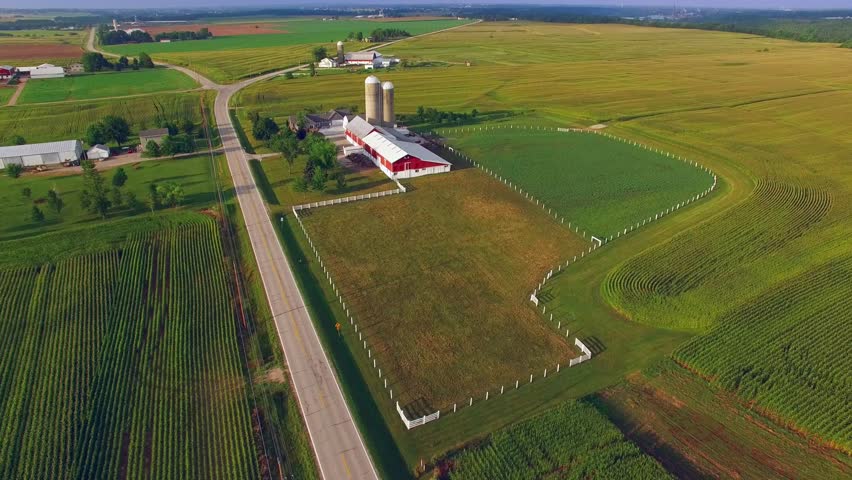
What happens to any forest ecosystem when the land is cleared for farming?
The forest ecosystem will be destroyed.
The forest ecosystem will be healthy.
The forest ecosystem will be relocated.
The forest ecosystem will be unaffected.
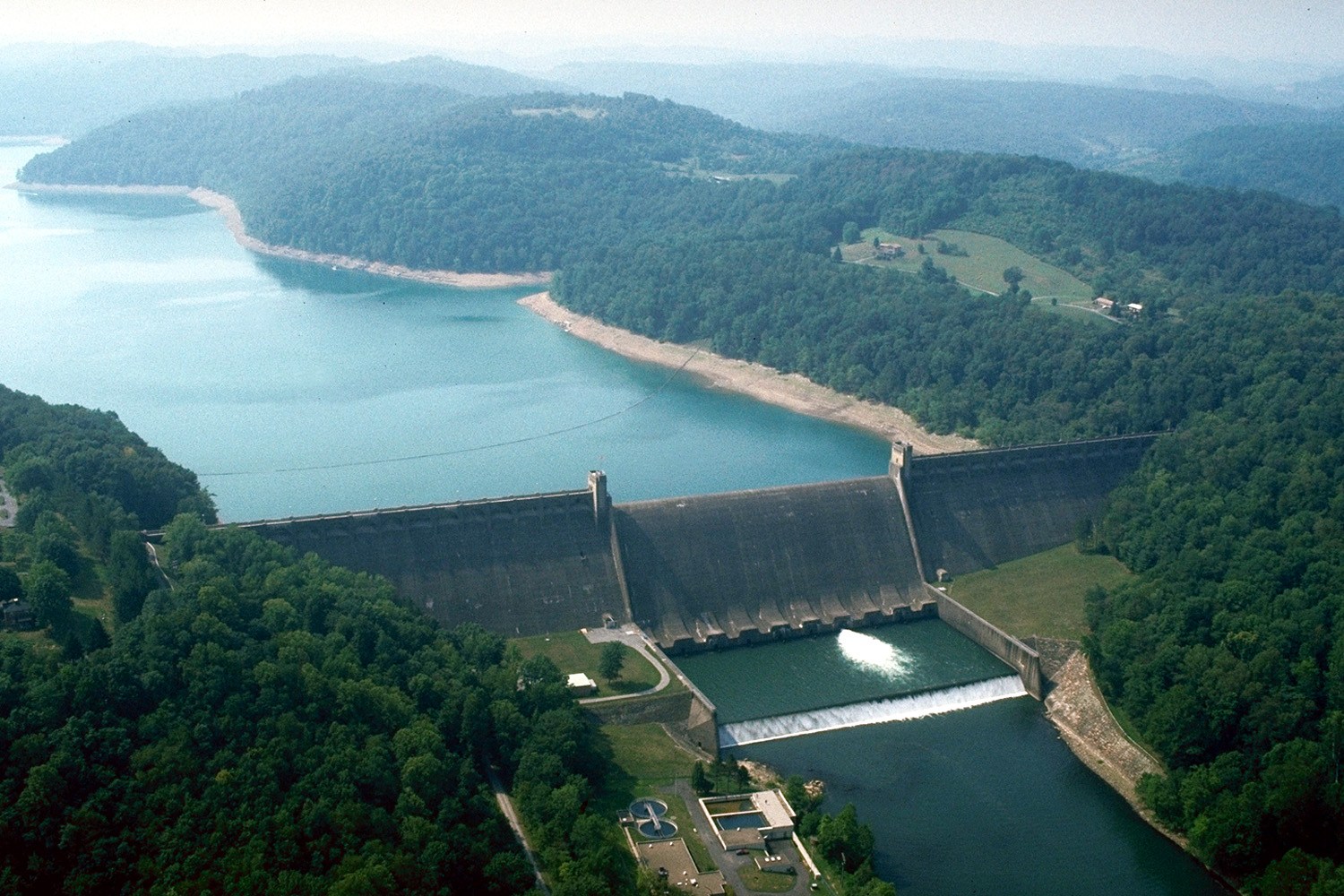
If a river is dammed, what effect would this have on the river?
The river ecosystem below the dam would be changed.
The entire river ecosystem would be changed.
The river ecosystem above the dam would be changed.
The river ecosystem would not be changed.
Finding dead fish in a body of water is an indicator of eutrophication. This means...
There are not enough nutrients in the water
The flow rate of water has increased
There is an excess of nutrients in the water
There was too much oxygen in the water
How does the introduction of a non-native species affect the native wildlife?
The non-native species will compete with other predators for its food
The prey of the non-native species could become endangered
The non-native species will cooperate with other predators
The ecosystem will not likely be affected by the introduction of a non-native species.
Earth is known as ______ planet.
Blue
Green
Red
None
Planting of more trees will help in-
Reducing the ground water level
Setting up more factories
Deforestation
Increasing the rainfall
We can avoid wastage of water by-
Using water sprinkler for irrigation
Over irrigation of fields
Washing our car with a jet of water
Allowing water to leak from taps
________ is a major natural source of water.
Snow
Well
Tap
Handpump
Setting up of factories cause a _______ in the level of underground water.
Decrease
Increase
Both
None
Cutting down of trees in the forest in a large scale is called-
Afforestation
Deforestation
Utilities of dam - 1. To check flood 2. To store large quantity of water. Choose the correct option.
Only 1
Only 2
Both 1 & 2
None
Rain water can be collected in -
Overhead tanks
Underground tanks
Both
None
What generally accounts for the greatest use of household water?
landscaping
shower
dishwasher
How many gallons (or liters) does the average washing machine use per load?
8 (30 liters)
25 (95 liters)
41 (155 liters)
64 (242 liters)
True or False: Taking a bath saves more water than taking a shower.
True
False
What should you do if you see or hear a leaky faucet in your house?
Ignore it—drips are no big deal
Do nothing—there is no way to fix a drippy faucet
Ask your parents to fix it

This natural resource produces oxygen and removes carbon dioxide from the atmosphere.
air
topsoil
trees
water
If this is polluted it can hurt fish and people:
air
topsoil
trees
water
Things found in nature that are useful to people.
natural resources
aquifers
reservoirs
deforestation
What are some of the negative effects of littering? (eg throwing unwanted plastic into the sea)
It chokes up the drainage system
It become a decoration in the sea
It could entangle and poison aquatic organism
It create more job opportunities so that people can be hired to clean the sea
Which of the following is/are method(s) of water pollution?
Factories releasing wastes into the water
Fertilizers washed off into waterways by rain
Flicking your sweat onto the ground
Oil spills from ships
Swimming in the sea
What are the possible effects of oil spills in the sea?
Oily clouds will be formed
Creatures living in the sea can now float and receive sunbaths
Plants underwater will not be able to receive sunlight to photosynthesize
Aquatic organisms will be poisoned
What are some of the way(s) to help prevent water pollution?
Treat water before releasing into the sea
Dump waste material into small pool of water instead of the sea
Sail out in paper boats instead of ships
Reduce the clearing of forests to prevent the soil from becoming loose
When conserving water, the 3Rs we need to remember are:
Remove, Reuse, Recycle
Report, Remove, Reduce
Reduce, Reuse, Recycle
Reduce, Reuse, Rethink
Which of the following shows how water can be polluted?
Releasing harmful substances into drains
Releasing human waste into swimming pool
Washing clothes by the river
Have more boats on the sea
Which of the following is a way of conserving water?
Leave the tap running while brushing teeth
Use a hose to wash the car
Use the washing machine only when it is fully loaded
Leave the shower running while soaping
Which of the following is a way to conserve water?
Don't shower
Use cold water instead of hot water
Fix a leaky tap
Water the lawn each day
To "conserve" water means
to save water
to clean water
to use water
to waste water

Which cities will have more people in 2030?
all of them
none of them
Austin and Houston
Amarillo and El Paso
How much of the water on our planet is salt water?
97%
50%
80%
1%

How many more people will live in Houston by 2030?
1.9 million
300
7,000
2020
What kind of water do we need to live?
fresh water
salt water
brackish water

To conserve water, wash
full loads
one shirt at a time
every day

