
 Worksheets
Animals
Total questions: 21
Worksheet time: 26mins
Name
Class
Date
1.
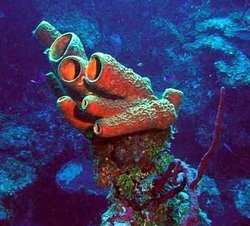
What type of symmetry does this animal exhibit?
a)
Asymmetry
b)
Bilateral symmetry
c)
Radial symmetry
2.
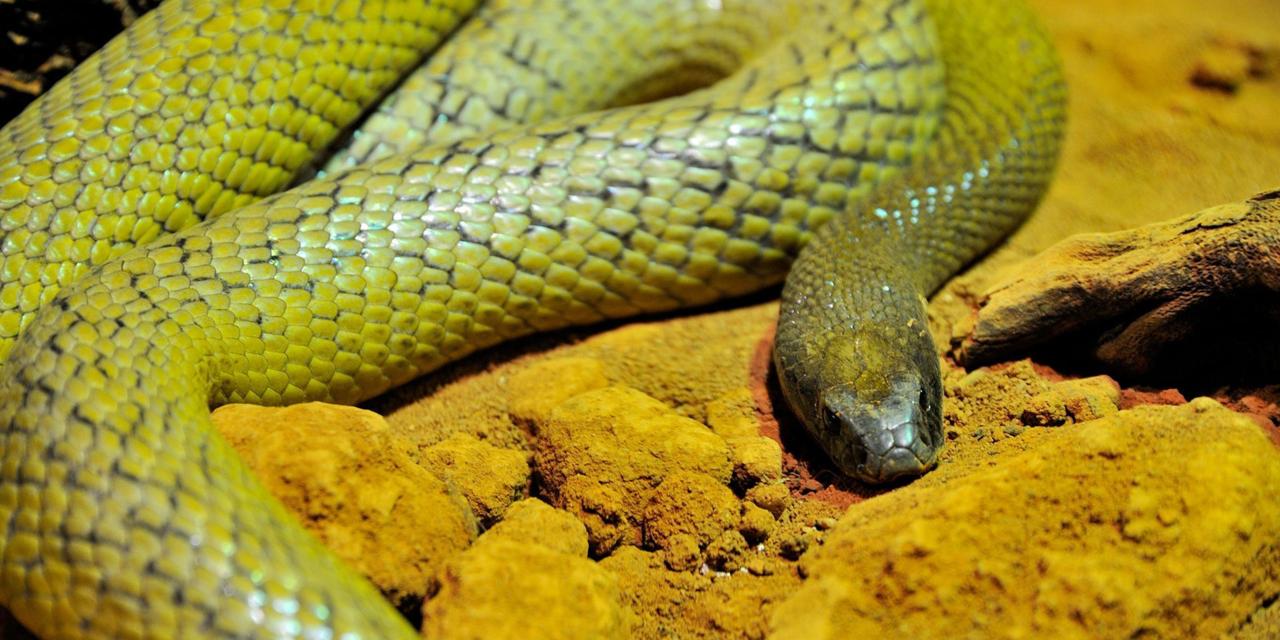
What type of symmetry does this animal exhibit?
a)
Asymmetry
b)
Bilateral symmetry
c)
Radial Symmetry
3.
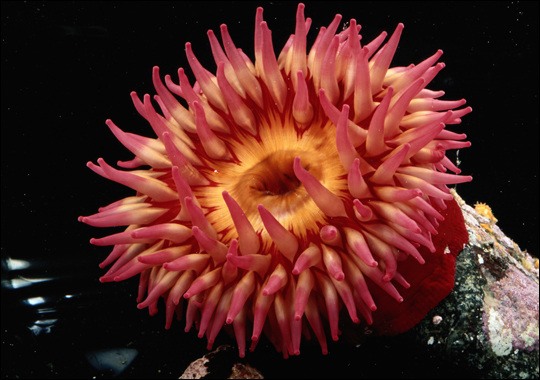
What type of symmetry does this animal exhibit?
a)
Asymmetry
b)
Bilateral symmetry
c)
Radial symmetry
4.
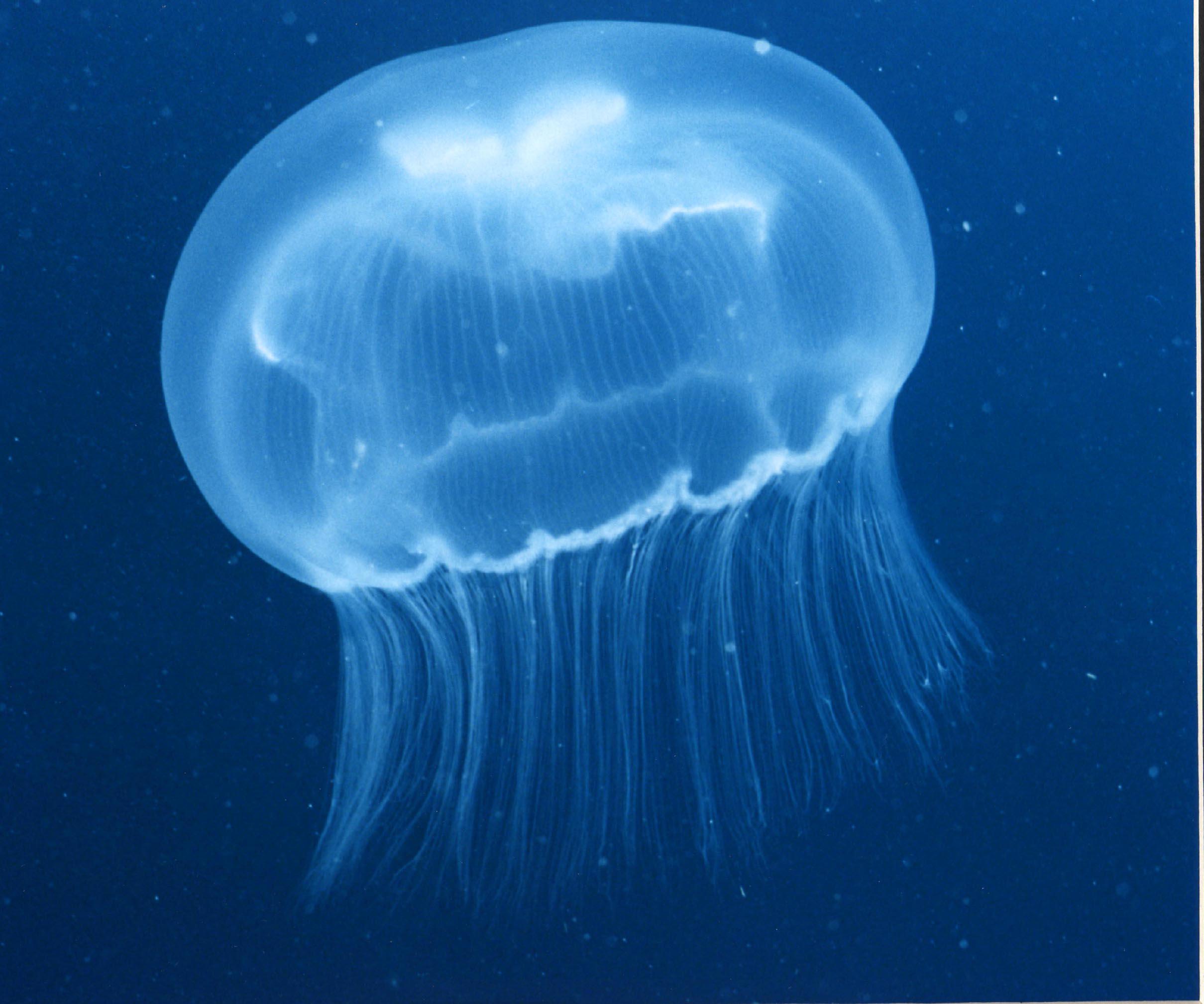
What type of symmetry does this animal exhibit?
a)
Asymmetry
b)
Bilateral symmetry
c)
Radial symmetry
5.
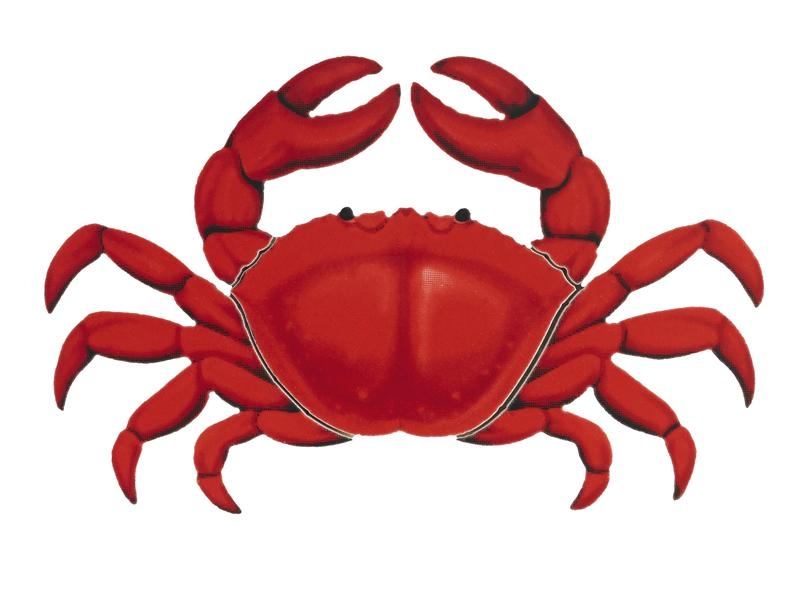
What type of symmetry does this animal exhibit?
a)
Asymmetry
b)
Bilateral symmetry
c)
Radial symmetry
6.
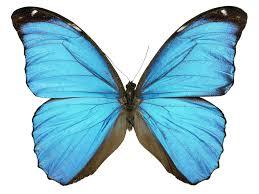
What type of symmetry does this organism have?
a)
Asymmetry
b)
Radial
c)
Bilateral
7.
All vertebrates have
a)
4 legs
b)wings
c)lungs
d)a backbone
8.
Animals whose body parts are arranged the same on both sides have
a)
radial symmetry
b)asymmetry
c)bilateral symmetry
d)spherical symmetry
9.
Most sponges have
a)
radial symmetry
b)bilateral symmetry
c)
spherical symmetry
d)asymmetry
10.
Animals whose body parts are arranged in a circle around a center point have
a)radial symmetry
b)spherical symmetry
c)asymmetry
d)bilateral symmetry
11.
What occurs when the body can’t be divided into similar sections (mirror images)?
a)
asymmetry
b)
symmetry
c)
segmented
d)
unsegmented
12.
What do we call a behavior that is gained from direct observations?
a)
inherited or innate behaviors
b)
learned behaviors
c)
imprinting
13.
What do we call a trial and error learning when a behavior has a good or bad result?
a)
imprinting
b)
learned behaviors
c)
instincts
d)
conditioning
14.
These are complex inherited behaviors, like birds building a special kind of nest:
a)
inherited or innate behaviors
b)
imprinting
c)
learned behaviors
d)
instincts
15.
This occurs when body activity is greatly reduced in order to conserve food stored n the body:
a)
sleep
b)
hibernation
c)
mimicry
d)
grouping
16.
Behaviors that are passed on from parents to offspring without teaching or training are called what?
a)
inherited or innate behaviors
b)
learned behaviors
c)
instincts
d)
imprinted behaviors
17.
Learning not to respond to stimulus is called
a)
imprinting
b)
sensitization
c)
habituation
d)
kinesis
18.
What is a seasonal movement of an animal to another location called?
a)
camouflage
b)
migration
c)
grouping
d)
mimicry
19.
A (an) ____ is an environmental change that directly influences the activity of an organism.
a)
stimulus
b)
behavior
c)
innate response
d)
fixed action pattern
20.
Which is an example of innate behavior?
a)
pond ducks flocking to be fed
b)
bears leaning to catch fish
c)
human babies speaking words
d)
birds chirping when hatched
21.
BONUS: What phylum did we discuss that only has animals with radial symmetry?
a)
Mammalia
b)
Chordata
c)
Arthropoda
d)
Echinodermata
100 %

