wayground logo

Free Printable Worksheets

Font size

S
M
L
XL
Worksheets

Ecology test review

Total questions: 50

Worksheet time: 33mins

Name
Class
Date
1.
Which one is NOT an example of a decomposer?
a)
mushroom
b)
leaves
c)
mold
d)
worm
2.
Examples of a producer
a)
frog
b)
algae
c)
worm
d)
mouse
3.
Example of a decomposer
a)
fungus
b)
mouse
c)
plants
d)
frogs
4.
A tree is a ....
a)
composer
b)
decomposer
c)
producer
5.
What is a producer?
a)
an organism that gets energy from eating other organisms
b)
an organisms that uses sunlight to make its own food
c)
an organism that gets energy from eating dead organisms, non-living material or waste
d)
an organism that uses chemical energy to make its own food
6.
What is a herbivore?
a)
an animal that gets energy from eating other animals
b)
an organism that gets energy from eating only plants
c)
an animal that gets energy by eating both plants and other animals
d)
an animal that eats only herbs
7.
What is a carnivore?
a)
an animal that gets energy by eating other animals
b)
An animal that gets energy by eating only plants
c)
an animal that gets energy by eating both plants and animals
d)
an animal that makes its own energy through photosynthesis
8.
An animal that gets energy from eating both plants and animals is a 
a)
herbivore
b)
carnivore
c)
omnivore
d)
autotroph
9.
The shrew provides energy for the _______?
a)
cricket
b)
grasshopper
c)
frog
d)
snake
10.
Which of the following is a herbivore?
a)
cricket
b)
frog
c)
hawk
d)
shrew
11.
Where do all life forms get their energy?
a)
Earth's Core
b)
Water
c)
Plants
d)
The Sun
12.
What is this called?
a)
Food Web
b)
Food Chain
c)
Abiotic Factors
13.
What is this called?
a)
Food Web
b)
Food Chain
c)
Abiotic Factors
14.
A producer is a (n) ______________.
a)
heterotroph
b)
omnitroph
c)
autotroph
d)
oscartroph
15.
All food chains begin with a ____________.
a)
primary consumer
b)
secondary consumer
c)
producers
d)
scavengers
16.
An animal that eats other animals is a....
a)
carnivore
b)
omnivore
c)
herbivore
d)
decomposer
17.
Which best describes what a food chain shows you?
a)
Energy flow through an ecosystem
b)
Food flowing through an ecosystem
c)
Consumers going into other consumers
d)
Who eats who
18.
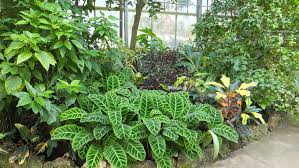
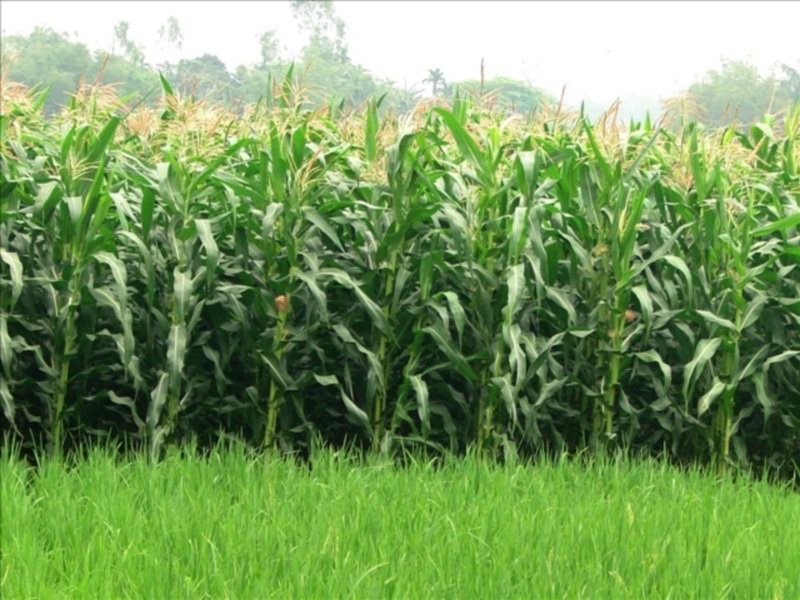
The image provided is an example of a:
a)
Producer
b)
Heterotroph
c)
Consumer
d)
Decomposer
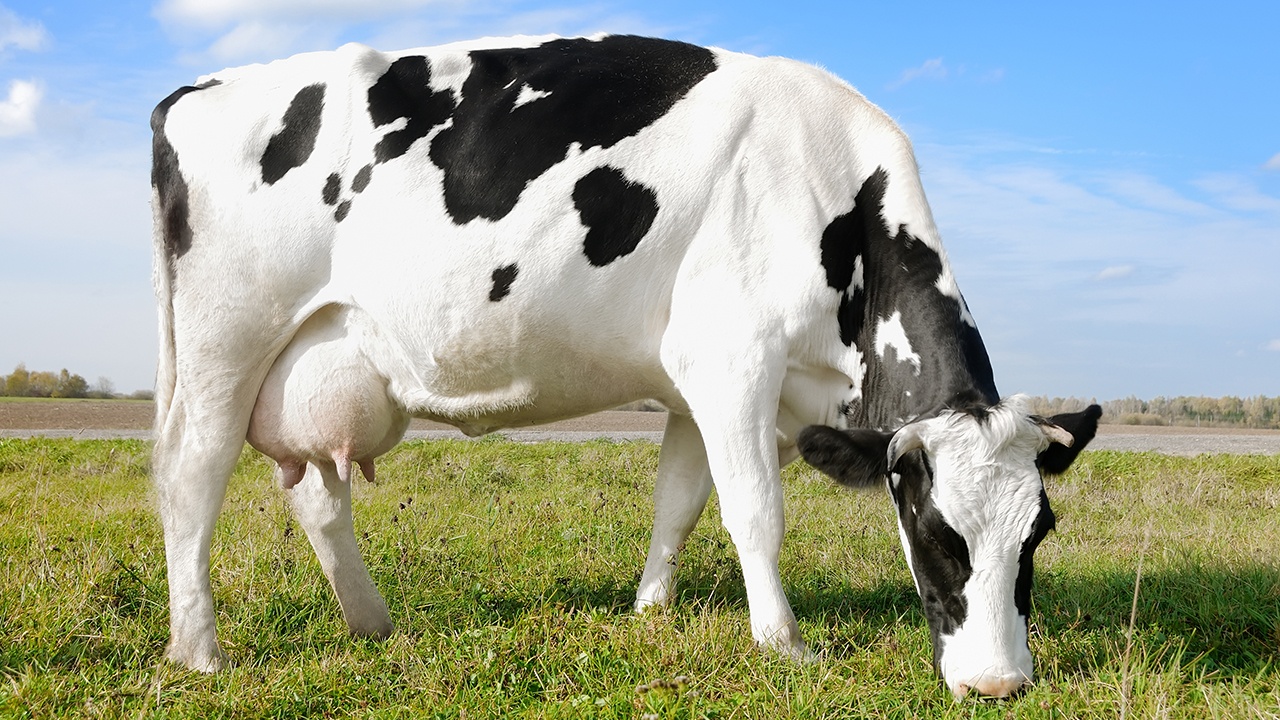
19.
The image provided is an example of a(n):
a)
Autotroph
b)
Carnivore
c)
Herbivore
d)
Decomposer
20.
An area where an organism finds food, shelter and water in a specific arrangement
a)
niche
b)
biosphere
c)
biome
d)
habitat
21.
All of the living and nonliving things in an area that interact with each other are called a/an ______.
a)
community
b)
habitat
c)
population
d)
ecosystem
22.
An individual belonging to a specific species
a)
Biotic
b)
Community
c)
Organism
d)
Reptile
23.
The living part of an ecosystem
a)
Biotic
b)
Abiotic
c)
Mother Earth
d)
Flowers
24.
The non-living part of an ecosystem
a)
Ocean
b)
Lava Flow
c)
Birds
d)
Abiotic
25.
The study of how living things interact with one another and with their environment.
a)
Biology
b)
Lithology
c)
Ecology
d)
Farmacology
26.
Organisms that look similar and can produce fertile offspring
a)
Species
b)
Fish
c)
Community
d)
Trees
27.
Two or more members of a particular species living and interacting in the same area
a)
Community
b)
Population
c)
Organisms
d)
Biosphere
28.
Different populations living and interacting with each other in the same area
a)
Biome
b)
Ecosystem
c)
Community
d)
Niche
29.
What does fungi do to dead plants and animals?
a)
Leave them there
b)
Decompose them
c)
Wait for other animals to eat them
d)
Move away
30.
What may happen if the snowshoe hare was removed from the food web pictured?
a)
The insects in the habitat would increase.
b)
The shrew population would decrease due to being only hawk food source.
c)
The willow tree population would decrease.
d)
Foxes would dies due to no food source. 
31.
In the energy pyramid here, how much of the energy in the producers gets passed to the herbivores?
a)
10%
b)
20%
c)
80%
d)
90%
32.
Which of the following leads to a decrease in biodiversity?
a)
protection of ecosystems
b)
pollution control
c)
selective cutting
d)
introduction of exotic or invasive species
33.
which symbiosis is this 
a)
parasitism 
b)
mutualism
c)
commensalism
d)
nonalism 
34.
What is the term for each step in the transfer of energy and matter within a biological community?
a)
energy path
b)
food web
c)
trophic level
d)
food pyramid
35.
symbiotic relationship in which both organisms benefit
a)
competition
b)
Mutualism
c)
nitrogen fixation
d)
energy pyramid
36.
a relationship between two in which one species, the predator, feeds on the other species, the prey
a)
chemosynthesis
b)
predation
c)
cellular respiration 
d)
commensalism
37.
symbiotic relationship in which one organisms benefits and the other organism is not affected
a)
invasive (non-native) species
b)
mutualism 
c)
nitrogen fixation
d)
commensalism
38.

In an ecosystem, there are populations of moose, rabbits, grass, and pine trees. Suddenly, a fire blazes through the area, which kills all of the populations. As the months go on, new species of grass begin to take root. This attracts animals, and eventually the ecosystem is restored.


What type of ecological succession happened?

a)

Primary succession

b)

Secondary succession

c)

Tertiary succession

d)

None of the above

39.
Anything that can decrease the size of a population including living (biotic) and non living (abiotic) features of an ecosystem such as predators and drought.
a)
limiting factor
b)
habitat
c)
ecosystem
d)
carrying capacity
40.

The largest population an area can support is the areas

a)

Limiting Factor

b)

Birth Rate

c)

Death Rate

d)

Carrying Capacity

41.
This Age Structure Diagram indicates _______
a)
Rapid Growth
b)
Slowing Growth
c)
Zero Growth
d)
Negative Growth
42.
Which kind of growth does the human population follow? It is described as a J-shaped curve.
a)
Exponential Growth
b)
Logistic Growth
c)
Outstanding Growth
d)
Minimal Growth
43.
What will happen to the population when the death rate is larger than the birth rate?
a)
grow
b)
shrink
c)
stay the same
d)
None of these
44.
What will happen to the population when the birth rate is larger than the death rate?
a)
grow
b)
shrink
c)
stay the same
45.
What is the carrying capacity of the following graph?
a)
1000
b)
8000
c)
800
d)
600
46.
What point on the graph represents the carrying capacity?
a)
A
b)
B
c)
C
d)
D
47.
What factor describes when populations decrease because animals are moving out of a population?
a)
Emigration
b)
Limiting Factors
c)
Immigration
d)
Exponential Growth
48.

Which of the following are density dependent factors?

a)

competition for resources

b)

predation

c)

disease

d)

natural disasters

49.

Which of the following are examples of a density independent factors?

a)

forest fire

b)

seasonal cycles

c)

storms

d)

disease

50.

As a population of a species increases within a territory, which of the following most likely also increases?

a)

Immigration

b)

Food supply

c)

Carrying capacity

d)

Competition