
 Worksheets
Earth Features
Total questions: 55
Worksheet time: 1hrs 20mins
Name
Class
Date
1.
The roots of a tree break apart rocks beneath the soil.
a)
Weathering
b)
Erosion
2.
What is used to explain the symbols used on a map?
a)
map key
b)
map scale
c)
symbol
d)
map legend
3.
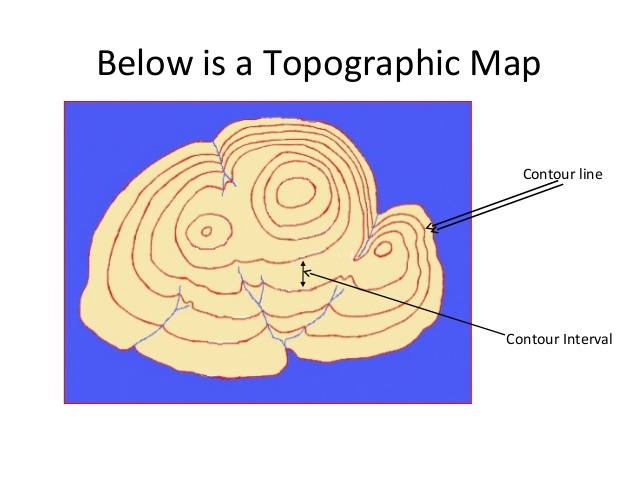
How many mountain tops does this map have?
a)
one
b)
two
c)
three
d)
four
4.

What is this?
a)
This is a compass rose.
b)
This is a map scale.
c)
This is a key.
5.
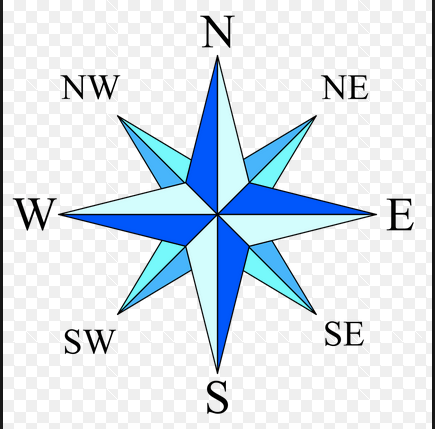
What is this object known as?
a)
map symbol
b)
map key
c)
map scale
d)
compass rose
6.

Which of the type of map is this?
a)
Physical map
b)
Political map
c)
Road map
d)
Useless map
7.
Why do political maps change and physical maps don't?
a)
Physical maps are updated more frequently than political maps.
b)
Everytime there is an election, the physical map has to change.
c)
Because if a country invades another country, the borders change.
d)
Everytime there is an election, the political map changes.
8.

What type of map
a)
physical
b)
political
c)
climate
d)
historical
9.

a)
elevation
b)
physical
c)
political
d)
road map
10.
The study of the physical features of the earth and its atmosphere, and of human activity as it affects and is affected by these, including the distribution of populations and resources, land use, and industries.
a)
Geology
b)
Genome
c)
Geography
d)
Geode
11.

Identify this map.
a)
Population map
b)
physical map
c)
Resource Map
d)
climate map
12.
What is a person who makes maps is called?
a)
A geologist
b)
Christopher Columbus's brother
c)
A college graduate
d)
A cartographer
13.
Where on earth do most earthquakes and volcanoes occur?
a)
The Hudson Bay
b)
The Ring of Fire
c)
McDonalds
d)
The Square of Doom
14.
The top layer of earth's surface is made up of giant pieces of rock called_________.
a)
tectonic plates
b)
rock chunks
c)
tectonic forks
d)
rock bowls
15.
Scientists can predict when an earthquake will occur.
a)
True
b)
False
16.
Which continent is not part of the Ring of Fire?
a)
Australia
b)
Asia
c)
South America
d)
Africa
17.
Volcanoes and earthquakes usually occur in the same areas.
a)
True
b)
False
18.
Earthquakes and volcanoes often form on the coast.
a)
True
b)
False
19.

Which layer of soil is on the bottom?
a)
topsoil
b)
subsoil
c)
bedrock
d)
bottomsoil
20.

Which of the following is NOT one of the three layers of soil?
a)
topsoil
b)
undersoil
c)
subsoil
d)
bedrock
21.

What is the layer of soil just below the topsoil?
a)
soil
b)
subsoil
c)
topsoil
d)
terrace farming
22.
Decayed organic material in soil is called______.
a)
Litter
b)
Silt
c)
Humus
d)
Clay
23.
What is soil?
a)
A mixture of minerals
b)
A mixture of water, minerals, gases and organic matter
c)
A type of rock
d)
A type of bacteria
24.
What does weathering mean?
a)
To form or create new
b)
To build up
c)
To break down
d)
To completely destroy
25.
Which of the following is the largest particle in soil?
a)
sand
b)
silt
c)
humus
d)
clay
26.

Which layer of the soil profile contains a solid layer of rock?
a)
1
b)
2
c)
3
d)
4
27.

_______ is the type of soil used most often with plants and on farms. It is a mixture of clay, sand, and silt.
a)
loam
b)
humus
c)
soil
d)
dirt
28.
Place the following layers in order from top to bottom: bedrock, topsoil, subsoil, organic, parent material.
a)
Organic, Topsoil, Subsoil, Parent Material, Bedrock
b)
Organic, Topsoil, Parent Material, Subsoil, Bedrock
c)
Topsoil, Organic, Subsoil, Parent Material, Bedrock
d)
Topsoil, Organic, Parent Material, Subsoil, Bedrock
29.
The top layer of soil is called ________.
a)
bedrock
b)
topsoil
c)
subsoil
d)
grass
30.
This type of soil is best for plant growth.
a)
rock
b)
sand
c)
loam
d)
clay
31.
This type of soil is made of tiny pieces of rock.
a)
sand
b)
clay
c)
humus
d)
loam
32.
This type of soil is carried by water and left as sediment.
a)
bedrock
b)
loam
c)
silt
d)
clay
33.
The four types of soil are _____.
a)
humus, gravel, pebbles, sand
b)
sand, silt, clay, loam
c)
sand, rock, pebbles, granite
d)
sand, clay, bedrock, topsoil
34.
No water stays in this when poured through.
a)
loam
b)
clay
c)
gravel
d)
topsoil
35.
Loam is a mixture of clay, silt, and sand.
a)
True
b)
False
36.
It is important for soil to retain water to
a)
withstand weathering
b)
erode more slowly
c)
help plants to grow
d)
keep it from being dry
37.
What is the best soil to grow plants in?
a)
sand
b)
silt
c)
loam
d)
clay
38.
If soil particles are large, then
a)
more water is retained
b)
less water is retained
39.
How do you determine the texture of soil?
a)
use a spring scale
b)
observe color of particles
c)
rub particles between fingers
d)
taste particles
40.
Which type of rock results from melting and cooling of magma?
a)
Igneous
b)
Metamorphic
c)
Sedimentary
d)
Extrusive
41.
Which type of rock forms from extreme heat and pressure?
a)
Igneous
b)
Sedimentary
c)
Organic
d)
Metamorphic
42.
A metamorphic rock changes into an igneous rock by what two processes?
a)
Melting and cooling
b)
Extreme heat and pressure
c)
Compaction and cementation
d)
Weathering and erosion
43.
Wind, water, and ice breaking down rock is called
a)
Erosion
b)
Deposition
c)
Compaction
d)
Weathering
44.
What is the MAIN way rocks are classified?
a)
Their color and shapes
b)
How they form
c)
Mineral bands
d)
Where they form
45.
The process in which dissolved minerals crystallize and glue sediment together.
a)
compaction
b)
deposition
c)
organic rock
d)
cementation
46.

When sediments are pressed together tightly, this is called ____________.
a)
Compaction
b)
Cementation
c)
Weathering
d)
Erosion
47.
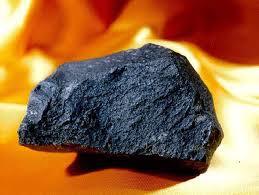
This rock was found near the mouth of a volcano. What type of rock is this?
a)
Sedimentary
b)
Igneous
c)
Metamorphic
48.
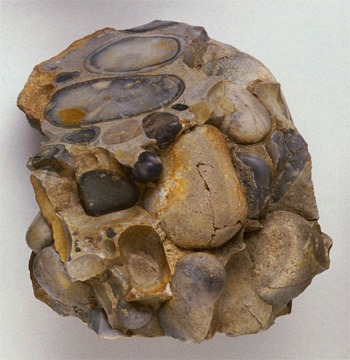
This rock was formed by smaller pieces of rock that settled at the bottom of a lake millions of years ago. What type of rock is this?
a)
Sedimentary
b)
Igneous
c)
Metamorphic
49.
What are the 3 major types of rocks?
a)
Igneous, Metamorphic, Sedimentary
b)
Metamorphic, Igneous, Cementation
c)
Brown, Red, Gray
d)
Streak, Hardness, Breakage
50.

This rock started as lava that cooled and then was heated and put under pressure over time. What type of rock is this?
a)
Sedimentar
b)
Igneous
c)
Metamorphic
51.

This rock started as molten magma. What type of rock is this?
a)
Sedimentary
b)
Igneous
c)
Metamorphic
52.

This rock is made from tiny pieces of other rocks that settled to the bottom of a valley millions of years ago. What type of rock is this?
a)
Sedimentary
b)
Igneous
c)
Metamorphic
53.

This rock cooled on the outside of a volcano and contained air bubbles when it was forming. What type of rock is this?
a)
Sedimentary
b)
Igneous
c)
Metamorphic
54.

After lots of time, pressure, and heat, you get this kind of rock. What type of rock is this?
a)
Sedimentary
b)
Igneous
c)
Metamorphic
55.

This rock was formed by lots of fossils that settled on top of each other over time. What type of rock is this?
a)
Sedimentary
b)
Igneous
c)
Metamorphic
100 %

