Worksheets
Electrical Circuits
Total questions: 60
Worksheet time: 42mins
In order for electricity to flow you need_________?
wire
battery
closed circuit
light bulb
What do we call the flow of electricity around a circuit?
electric current
insulator
conductor
electric circuit
A material that allows heat or electricity to flow through it is a ______________?
insulator
circuit
current
conductor
Material that does not allow heat or electricity to flow through is a _____________________.
conductor
insulator
wire
current
Glass does not allow electricity to flow through it, so glass is a (n) ________________.
conductor
insulator
Copper allows electricity to flow through it, therefore it is a ______________________.
conductor
insulator
Nickel is a material that allows electricity to flow through it, so nickel is a ________________.
conductor
insulator
Rubber does not allow electricity to flow through it, so it is a _______________________________.
conductor
insulator
In order for electricity to flow, the circuit needs to be ________________.
open
closed
simple
parallel
One path circuit is called a ______________ circuit.
parallel
closed
series
open
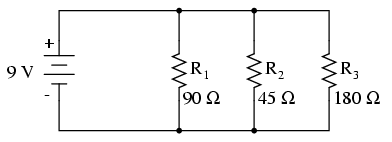
You have made a simple circuit with one bulb. If you want to add an extra bulb without the first bulb dimming, what would you need to design?
A series circuit
A parallel circuit
A complex circuit
An incomplete circuit
Why are electrical wires covered with plastic or rubber?
Plastic and rubber are comfortable materials to touch
Smooth materials keep wires from getting tangled
Plastic and rubber are good electrical insulators
Plastic and rubber can be made in different colours so people can tell different leads apart
Which of these materials would not be a good electrical conductor?
Copper
Glass
Silver
Iron
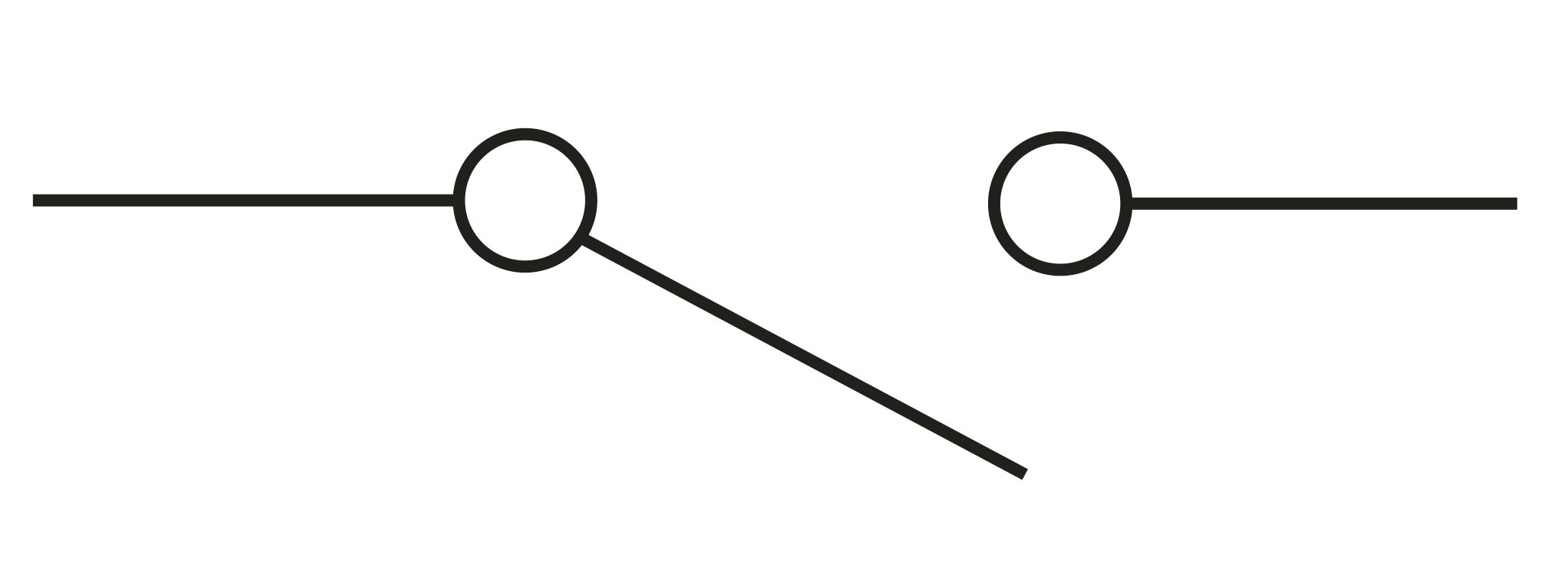
What will a circuit with an open switch do?
It will not allow electricity to pass through
It will allow electricity to pass through
It will resist electricity
It will make a good electrical insulator
What symbol is used in a circuit diagram to represent a bulb?
A circle
Two parallel lines: one short and one long
An X inside a circle
The letter M inside a circle

What does the symbol above represent?
Open switch
Wire
Closed switch

What does the symbol above represent?
Bell
Wire
Cell
The word insulator meaning in physics is _________
A material that does not allow electricity to pass through it
A material that allows electricity to pass through it
A material that does not allow water to pass through it
A material that does not allow sunlight to pass through it

Safe or dangerous?
safe
dangerous

Safe or dangerous?
safe
dangerous

Safe or unsafe?
safe
unsafe

Safe or dangerous?
safe
dangerous

Safe or dangerous?
safe
dangerous

Safe or dangerous?
Safe
Dangerous

Safe or dangerous?
safe
dangerous

Safe or dangerous?
safe
dangerous
Tick the activities that are safe.
Plugging in the computer with wet hands.
Putting batteries in your toy.
Touching a power line that is down.
Playing on the computer when it is plugged in.
Tick the activities that are dangerous.
Using the fan on a hot night.
Holding a battery in your hand.
Using electricity near water.
Plugging too many things into mains electrical socket
What is dangerous when mixed together?
magnets and electricity
water and electricity
water and magnets
What item should never be used near a sink, bathtub, shower, or toilet?
a battery operated radio
a blowdryer
a cellphone
Where must you never place a cup with liquid?
on your nightstand
in the bathroom
by electronic devices
If you come out of the bath or shower, what should you do before using any electronic?
make sure you are completely dried off
be very careful when using electronics
wait at least an hour before using electronics
What happens if a circuit is overloaded?
a fire may start
a fuse will be blown
electrical devices on the circuit will short out and possibly be destroyed
all of the above
If your bedroom light or lamp burns out, why would it be a good idea to tell a grown up?
you might get electrocuted
the bulb may burn you
you can risk ruining the electrical device
What might happen if you put an object in an electrical socket?
you might get a little jolt
you can be electrocuted
nothing
How do you put out an electrical fire?
water or milk
baking soda or a fire extinguisher
baking powder or a fire extinguisher

Why is electrical wiring usually made from copper?
Because copper is shiny
Because copper conducts electricity
Because copper is not magnetic
Because copper insulate electricity

To complete the circuit, a wire should be placed from —


The circuit on the left is not complete (the light is off) because:
the switch is closed
the switch is open
the battery is missing
the battery is in backwards

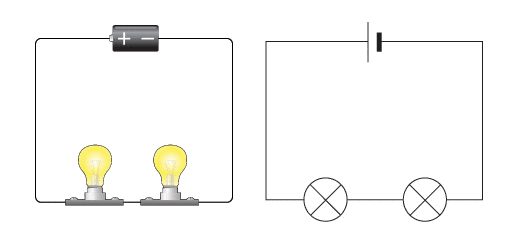
What type of circuit is shown in the picture?
Series Circuit
Broken Circuit
Parallel Circuit
Open Circuit

This steel paperclip would allow electricity to flow through it because:
it is a conductor
it is an insulator
it is friendly
it breaks the circuit

This rubber ducky would block the flow of electricity, because:
it is a conductor
it is an insulator
it is yellow
it completes the circuit


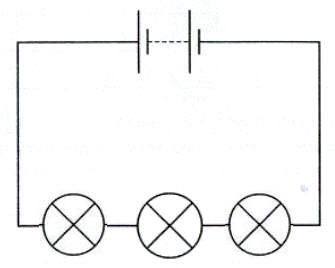
The picture shows an electrical circuit. This circuit is a series circuit because:
It has 3 light bulbs.
The same current flows through all three light bulbs.
It uses a single battery.
The electrical current is divided between the three light bulbs.

This is an example of a _______ circuit
open
series
parallel
switch

What will happen if one light bulb is removed from this circuit?
The other bulbs will go out.
The other bulbs will stay on
The other bulbs will get dimmer.
The battery will become stronger.
When more light bulbs are added they all remain bright.