Worksheets
AP Bio Final Review
Total questions: 121
Worksheet time: 2hrs 45mins


Which of the following is directly responsible for the shape of an enzyme/protein?
The amino acid sequence of the protein and the properties of the amino acids that make up the protein.
The temperature of the surrounding environment.
The pH of the surrounding environment.
The amount of substrate present.
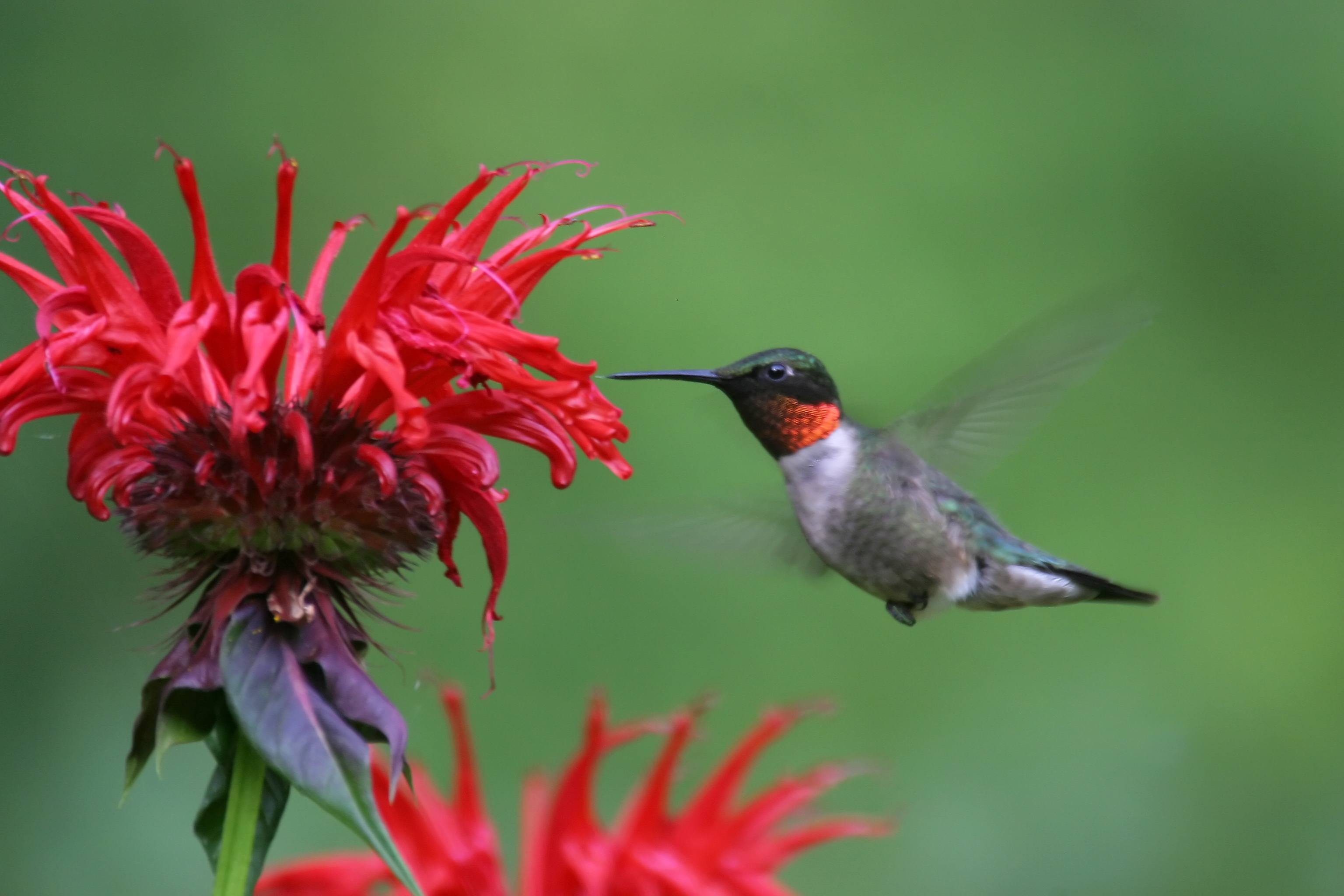
Type of symbiosis: Hummingbirds feed on nectar from flowers. The flowers are pollinated by hummingbirds as they move from flower to flower.
commensalism
mutualism
parasitism
predation
What level of ecological organization would include all squirrels that live in the same area?
biome
community
ecosystem
population
What is the single most important event establishing a primary immune response?
The presentation of viral protein complex to class I MHC
The lyses of virally infected cells by cytotoxic T cells
The phagocytosis of microbes by antigen-presenting cells
The recognition of self versus foreign
What adaptations should one expect of the seed coats of angiosperm species whose seeds are dispersed by frugivorous (fruit-eating) animals, as opposed to angiosperm species whose seeds are dispersed by other means?
The seed coat, upon its complete digestion, should provide vitamins or nutrients to animals.
The seed coat should contain secondary compounds that irritate the lining of the animal’s mouth
The seed coat should be resistant to the animals’ digestive enzymes.
The exterior of the seed coat should have barbs or hooks.

What macromolecule class is represented by the picture above?
carbohydrate
lipid
protein
nucleic acid
Identify the general relative sizes of the listed structures from the smallest to the largest.
I = bacterium
II = enzyme
III = nucleus
IV = chromosome
V = molecule of water
V—II—I—IV—III
II—V—IV—I—III
V—I—II—III—IV
II—V—I—III—IV
When carbohydrate monomers are joined together, the process is identified as ___________ ______________, and when they are broken apart again it is called ___________.
hydrolytic bonding; degradation
dehydration synthesis; hydrolysis
dehydration synthesis; anabolism
hydrogen bonding; depletion
Which of the following statements most directly
supports the claim that different species of
organisms use different metabolic strategies to
meet their energy requirements for growth,
reproduction, and homeostasis?
During cold periods pond-dwelling animals can increase the number of unsaturated fatty acids in their cell membranes while some plants make antifreeze proteins to prevent ice crystal formation in tissues.
Bacteria lack introns while many eukaryotic genes contain many of these intervening sequences.
Carnivores have more teeth that are specialized for ripping food while herbivores have more teeth that are specialized for grinding food.
Plants generally use starch molecules for storage while animals use glycogen and fats for storage.

Both myoglobin and hemoglobin are proteins that bind reversibly with molecular oxygen. The graph below shows the oxygen-binding saturation of each protein at different concentrations of oxygen. Which of the following best describes the physiological significance of the different oxygen-binding capabilities of hemoglobin and myoglobin?
They prevent muscles from depleting oxygen levels in the blood.
They cause muscles to become anaerobic.
They prevent glycogen depletion in muscles.
They enhance movement of oxygen from the blood into the muscles.
Sickle-cell anemia results from a point mutation in the HBB gene. The mutation results in the replacement of an amino acid that has a hydrophilic R-group with an amino acid that has a hydrophobic R-group on the exterior of the hemoglobin protein. Such a mutation would most likely result in altered
properties of the molecule as a result of abnormal interactions between adjacent hemoglobin molecules
DNA structure as a result of abnormal hydrogen bonding between nitrogenous bases
fatty acid structure as a result of changes in ionic interactions between adjacent fatty acid chains
protein secondary structure as a result of abnormal hydrophobic interactions between R-groups in the backbone of the protein

What composes a semi-permeable membrane?
Proteins
Carbohydrates
Phospholipids
Fatty acids

What Organic molecule is a biologically functional molecule that consists of one or more polypeptides folded and coiled into a specific 3-D structure?
Lipid
Carbohydrate
Nucleic Acid
Protein
A fat that is solid at room temperature. (ex. Animal fat)
Saturated Fat
Supersaturated Fat
Unsaturated Fat
I haven't answered a question since the first one

How does N2 get into soil?
N2 diffuses into the pore spaces between the soil particles
Legumes pull it in.
gravity. It's not just a good idea, it's the Law.
1st Law of Thermodynamics
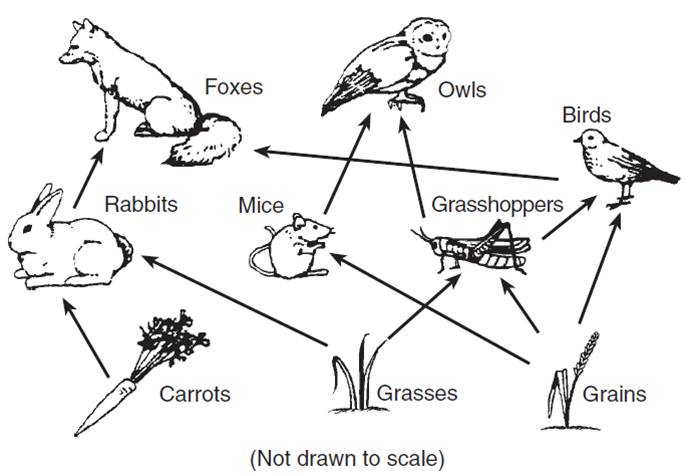
The nitrogen cycle is a biogeochemical cycle because it moves ?
only between living things (biosphere)
only in the soil (geosphere)
between living things, the soil, and air
only in the air (atmosphere)

Denitrifying bacteria convert
NH4+ to N2
NH4+ to NO3
N2 to NH4+
nitrogen to energy
The endocrine system incorporates feedback mechanisms that maintain homeostasis. Which of the following demonstrates negative feedback by the endocrine system?
During labor, the fetus exerts pressure on the uterine wall, including the production of oxytocin, which stimulates uterine contraction. The contractions cause the fetus to push on the uterine wall , increasing production of oxytocin.
After a meal, blood glucose levels become elevated, stimulating beta cells of the pancreas to release insulin into the blood. Excess glucose is then converted into glycogen in the liver, reducing blood glucose levels.
At high elevations, atmospheric oxygen is more scarce. In response to signals that oxygen is low, the brain decreases an individual’s rate of respiration.
A transcription factor binds to the regulatory region of a gene, blocking the binding of another transcription factor required for expression.
A human kidney filters about 200 liters of blood each day. Approximately two liters of liquid and nutrient waste are excreted as urine. The remaining fluid and dissolved substances are reabsorbed and continue to circulate throughout the body. Antidiuretic hormone (ADH) is secreted in response to reduce plasma volume. ADH targets the collecting ducts in the kidney , stimulating the insertion of aquaporins into their plasma membranes and an increased reabsorption of water.
If ADH secretion is inhibited, which of the following would initially result?
The number of aquaporins would increase in response to the inhibition of ADH
The person would decrease oral water intake to compensate for the inhibition of ADH
Blood filtration would increase to compensate for the lack of aquaporins
The person would produce greater amounts of dilute urine

The graph above shows changes in glucagon and insulin secretions at different concentrations of blood glucose. Which of the following feedback mechanisms is best supported by the data?
A falling glucagon level causes a rise in insulin level, which maintains equal amounts of both hormones in the blood.
A high glucagon level causes a rise in the insulin level, which maintains high levels of both hormones in the blood.
A low glucose level causes the release of glucagon, which stimulates the release of more glucose from the tissues, which lowers the amount of glucagon released.
A low glucose level cause the release of insulin, which stimulates the release of more glucose from tissues, which increase the amount of insulin released.
A pathogenic bacterium has been engulfed by a phagocytic cell as part of the nonspecific (innate) immune
response. Which of the following illustrations best represents the response?


A sample of human blood was placed in a test tube containing a physiological saline solution (0.9% sodium
chloride). This type of solution is often used intravenously to quickly rehydrate patients. A drop of the blood
from the test tube was placed on a slide and red blood cells (RBCs) were observed under a microscope. Three
possible outcomes are diagrammed above. Which of the following best predicts which diagrammed microscope view the laboratory worker would see and best explains why?
View 1 because RBC membranes are freely permeable to water
View 2 because the RBCs use energy to allow sodium entry and to pump water out
View 2 because the rate of water movement into the RBCs equals the rate of water movement out of the cells
View 3 because the sodium-potassium pumps in the RBC membranes use energy to keep the sodium out but allow water to freely flow into the cells
Which of the following depicts the most probable pathway of processing and packaging a secretory protein within a eukaryotic cell?
Secretory vesicles → rough endoplasmic
reticulum → Golgi body → cell membrane
Rough endoplasmic reticulum → Golgi body
→ secretory vesicles → cell membrane
Golgi body → secretory vesicles → rough
endoplasmic reticulum → cell membrane
Secretory vesicles → Golgi body → rough
endoplasmic reticulum → cell membrane


Saliva, tears, and sweat contain which enzyme?
lysozyme
protein kinase
hydrochloric acid
lactase
Histamines directly cause:
Helper T cells to mark pathogens for destruction
Cytotoxic T cells to become activated
B and T cells to create memory cells
Blood vessels to dilate and leak fluid and WBC's
Means: "programmed cell death"
Natural Killer Cell
Mitosis
Apoptosis
CD4 and CD8
Natural Killer (NK) Cells target:
Cancerous cells
Virus invaded cells
A specific antigen marker on some type of pathogen
A B cell that is actively making antibodies is called a(n)
memory B cell
plasma cell
Helper T cell
Naive B cell
Which of the following is NOT part of the 3rd line of defense?
B cells
T Cells
Antibodies
Macrophages




When baby starts pushing against the cervix, hypothalamus releases oxytocin to further contract the uterine walls. This is an example of
positive feedback
negative feedback

Which part of neuron receives an incoming signal?
dendrite
cell body
axon
myeline sheath

The diagram shows the propagation of an action potential in neurons. What occurs in phase 3 in the diagram?
the cell is at resting potential
voltage-gated K+ channels open, repolarizing the membrane.
Na+-K+ pump restores the original ion and charge distribution across the membrane.
voltage-gated Na+ channels open, depolarizing the membrane.

A pufferfish's liver produces TTX which is a neurotoxin that inactivates the voltage-gated Na+ channels in the neurons. Which of the following will be the most immediate effect of TTX poisoning?
membrane cannot be depolarized and cannot initiate an action potential
membrane is depolarized but it cannot be repolarized to return to the resting potential
vesicles cannot fuse with the membrane and no neurotransmitter is released to the synapse
no signal is transmitted to motor neurons, paralyzing the muscles

Bacteria uses quorum sensing to determine the population density of their species in their surrounding. Each bacterium produces a ligand. Once the concentration of that ligand reaches a critical level, all bacteria respond simultaneously. This is an example of
autocrine signaling
juxtacrine signaling
paracrine signaling
endocrine signaling

Which of the following is correct regarding digestion in cow's rumen?
bacteria break down cellulose in plant materials
protozoa keeps bacteria population in check
fungi break down lignin in cellulose for full digestion
archaea breaks down the toxic methane gas
all of the above are correct

Compared to the primary immune response, the secondary immune response is
stronger
faster
more efficient
all of the above

A group of RNA virus which uses a reverse transcriptase enzyme to insert viral gene into host genome is called
adenovirus
bacteriophage
retrovirus
rhinovirus

In response to human's use of antibiotics, more and more bacteria are becoming resistant to many types of antibiotics. This is an example of
genetic drift
convergent evolution
adaptive radiation
coevolution